Shingrix and Zostavax cannot be treated as interchangeable in dementia research because they are fundamentally different vaccines—one recombinant, one live attenuated—with divergent efficacy rates, different safety profiles, and separate dementia outcomes that meta-analyses have found not to be poolable. Conflating them distorts what the evidence actually shows: Shingrix consistently outperforms Zostavax in both shingles prevention and dementia risk reduction, yet studies of the older vaccine remain relevant for understanding historical populations and the role of shingles prevention itself in brain health. For readers managing dementia risk or caring for someone with cognitive decline, understanding this distinction matters because it clarifies which vaccine evidence applies to you today and why older research may not predict your outcomes with the newer formulation.
Medical information disclaimer: This article is for general educational purposes only and does not provide medical advice, diagnosis, or treatment. Always consult a physician or other qualified health professional about symptoms, medications, tests, or treatment decisions.
Table of Contents
- The Two Vaccines Are Built Differently
- Dementia Risk Reduction Differs Between the Vaccines
- Population Eligibility and Study Design Create Additional Gaps
- The Adjuvant May Play Its Own Role
- What This Means for Vaccination Decisions and Care
- Frequently Asked Questions
The Two Vaccines Are Built Differently
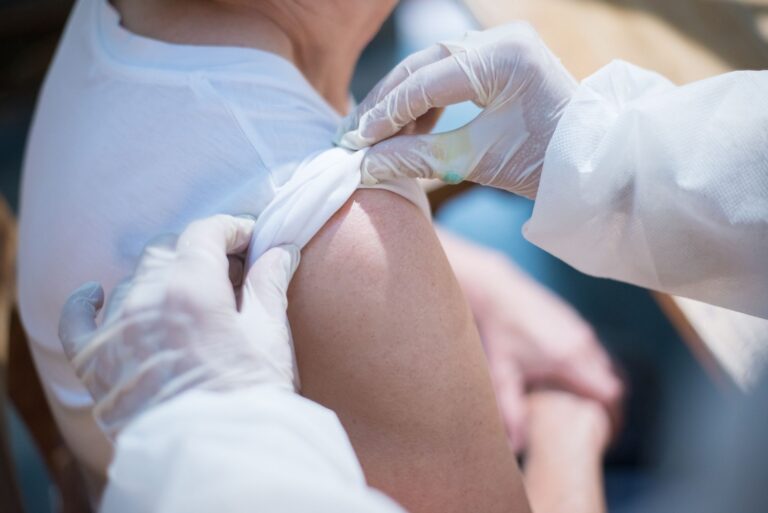
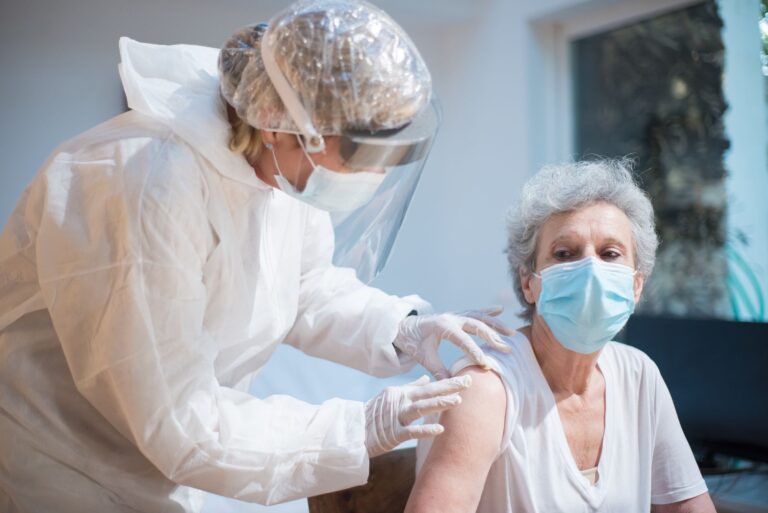
Shingrix is a recombinant zoster vaccine—it uses laboratory-manufactured viral proteins, not a live virus—and is administered in two doses. Zostavax, which was discontinued in the United States in November 2020 and the European Union in June 2025, was a live attenuated vaccine containing a weakened form of the varicella-zoster virus. This structural difference is not cosmetic; it directly affects how each vaccine behaves in the body and who can safely receive it.
The efficacy gap is substantial. Shingrix prevents herpes zoster in 90% or more of recipients, with protection that remains durable over time. Zostavax achieved only 51% efficacy and protection waned significantly within five years. For dementia prevention, this matters because one proposed mechanism is that preventing active shingles—a painful viral reactivation—reduces downstream neuroinflammation; a vaccine that prevents infection in 90% of people is not functionally equivalent to one that prevents it in 51%.
Dementia Risk Reduction Differs Between the Vaccines
A US Medicare study of 1.5 million beneficiaries found Shingrix linked to 28% reduced Alzheimer's risk and 33% lower vascular dementia risk. Other cohorts report 17–18% reduction over six years. By contrast, a 2025 Welsh natural experiment found that the live attenuated vaccine produced a 7-year dementia reduction of approximately 20%—meaningful, but smaller and achieved with a vaccine that failed to prevent most shingles cases.
Meta-analysis of five independent data sources across 14 reports and 13 studies (2021–2025) explicitly confirmed that dementia risk reduction favored the recombinant over live formulation, establishing that they cannot be treated identically in evidence synthesis. Pooling them together inflates the evidence base without accounting for their different mechanisms and outcomes. If a researcher or communication combines Zostavax and Shingrix statistics as though they represent one intervention, the summary no longer reflects what either vaccine actually does.
Population Eligibility and Study Design Create Additional Gaps
Zostavax carried a critical restriction: it was contraindicated for immunocompromised patients due to the risk of severe disseminated infection from the live virus. Shingrix can be given to immunosuppressed individuals, including those on cancer treatment or immunosuppressive therapy for autoimmune disease. This means the two vaccines cannot be pooled when analyzing vulnerable populations—a significant limitation for dementia research, which often focuses on older adults with comorbidities.
Both vaccines show reduced dementia risk in observational studies, but study validity depends on controlling for healthy-vaccinee bias: healthier individuals are more likely to seek vaccination, and pre-existing undiagnosed cognitive decline can be mistaken for a vaccine effect. Older Zostavax cohorts may have captured a different health profile than Shingrix recipients do today. Without separating baseline health status from vaccine impact, reported dementia reductions could reflect who chose to be vaccinated rather than what the vaccine did.
The Adjuvant May Play Its Own Role
Shingrix contains an adjuvant called AS01, which activates innate immune pathways that reduce brain amyloid-β in animal models. Intriguingly, both Shingrix and the RSV vaccine Arexvy (also AS01-adjuvanted) showed similar 18–37% dementia risk reductions despite targeting entirely different viruses. This suggests the adjuvant itself may contribute independently to dementia protection, separate from shingles prevention.
This finding complicates interpretation: the dementia benefit of Shingrix may come partly from preventing shingles, partly from the AS01 adjuvant's immune effects, or both. Zostavax contained no adjuvant, so its dementia reduction—if real—would reflect shingles prevention alone. The two vaccines therefore test related but distinct hypotheses about what protects the aging brain.
What This Means for Vaccination Decisions and Care
Because Zostavax is no longer available, the practical question is straightforward: Shingrix is the only option for new vaccinations. If you have not been vaccinated, or completed Zostavax years ago, current evidence supports Shingrix for both shingles prevention (where the superiority is proven) and potential dementia risk reduction (where the evidence is robust but observational). For people who received Zostavax previously, reimmunization with Shingrix is recommended, particularly if it has been five or more years since the earlier vaccine.
The older vaccine's waning protection means you are not yet protected against shingles; Shingrix provides durable coverage. Whether prior Zostavax vaccination affects your individual dementia risk is not answered by current research, but the newer vaccine offers better insurance against both the infection and its potential brain consequences. Research comparing the two vaccines directly will become less common as Zostavax disappears from clinical practice. Future dementia studies will focus on Shingrix, which means today's comparison matters most for understanding the strength of evidence and why treating old and new vaccine data as equivalent would be misleading.
- —
Frequently Asked Questions
Can I compare research studies on Zostavax dementia outcomes to current Shingrix data?
Not directly. Different study populations, vaccine formulations, and efficacy rates mean older Zostavax research shows what that specific vaccine did, not what Shingrix will do. Both vaccines appear to reduce dementia risk, but the magnitude and mechanisms differ enough to require separate interpretation.
If I received Zostavax years ago, should I get Shingrix now?
Yes. Zostavax protection waned within five years, leaving you vulnerable to shingles. Shingrix provides durable protection and current evidence supports its use regardless of prior Zostavax vaccination status. Consult your healthcare provider about timing if you received Zostavax relatively recently.
Why does the adjuvant in Shingrix matter for dementia?
The AS01 adjuvant activates immune pathways that may reduce brain amyloid-β, a hallmark of Alzheimer's disease. Since an RSV vaccine with the same adjuvant also showed dementia risk reduction despite targeting a different virus, the adjuvant's effect may be partly independent of shingles prevention itself. —