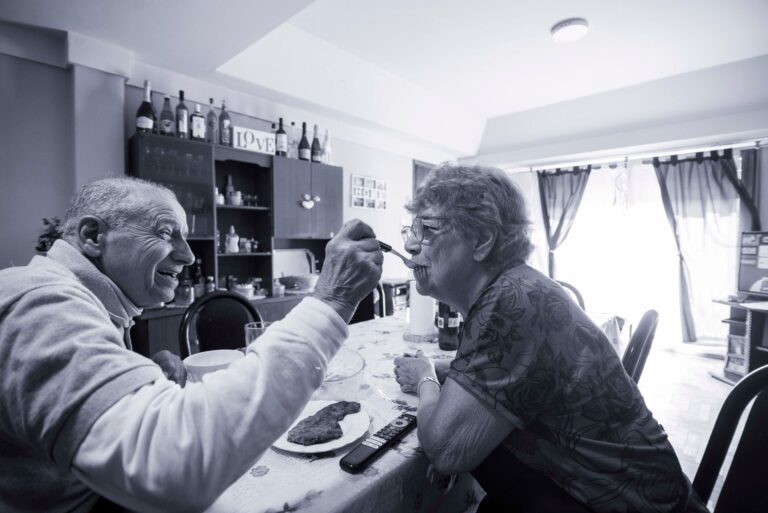
Dementia care extends far beyond helping someone remember a name or recall where they left their keys. When someone develops dementia, the disease affects nearly every system in the body and mind—from how they regulate mood and manage basic self-care to how they process pain, swallow food, and maintain bone density. A person diagnosed with Alzheimer’s disease or another form of dementia may eventually lose memories, but long before that happens, they often struggle with depression, sleep disruption, coordination problems, and an inability to recognize familiar faces.
Effective dementia care must address all of these challenges simultaneously, not just the cognitive decline. The reason this matters comes down to quality of life and longevity. Someone who receives only memory-focused care but is ignored for their untreated depression, malnutrition, or UTI-induced delirium will decline faster, suffer more, and experience worse outcomes than someone whose care team addresses the whole person. Family members and professional caregivers who understand this complexity are better equipped to spot problems early, prevent crises, and keep the person living as independently as possible for as long as possible.
Table of Contents
- What Happens to the Body When Someone Has Dementia?
- Emotional and Behavioral Changes That Define the Disease
- Pain, Comfort, and How Dementia Hides Suffering
- Why Medication Management in Dementia Is Fraught With Tradeoffs
- Nutrition and Swallowing Problems That Are Often Missed
- Sleep Disruption and Sundowning
- The Reality of Caregiver Health and Burnout
- Frequently Asked Questions
What Happens to the Body When Someone Has Dementia?
dementia is not a disease of the brain alone. It involves a cascade of changes across multiple organ systems that create a complex medical picture. someone with mid-stage Alzheimer’s disease, for example, may develop difficulty swallowing (dysphagia), which increases the risk of food or saliva going into the lungs instead of the stomach. This can lead to aspiration pneumonia, a life-threatening infection. At the same time, they may be losing weight because they forget they’ve eaten, or they refuse food because they can no longer recognize what’s on their plate. Their sleep-wake cycle often reverses, leaving them confused and agitated at night while sleeping through the day.
Physical coordination also deteriorates in ways that extend beyond simple memory loss. A person with advanced Parkinson’s disease dementia or Lewy body dementia may have intense rigidity in their muscles, making it painful to help them dress or bathe. They might hallucinate—seeing vivid, frightening images of people or animals that aren’t there—and become convinced these hallucinations are real threats. They lose the ability to regulate their body temperature, blood pressure, and heart rate reliably, meaning they may be freezing in a room that feels comfortable to everyone else. Blood pressure changes are particularly dangerous because they can cause falls, strokes, or sudden drops that make someone faint. Without careful monitoring and sometimes medication adjustment, these physical changes happen silently in the background while family members focus only on the memory loss, missing early warning signs of serious complications.
Emotional and Behavioral Changes That Define the Disease
One of the most difficult and least discussed aspects of dementia care is that personality and emotional regulation change dramatically. A person who was once calm and patient may become aggressive or combative. Someone who was private and reserved might begin undressing in public or making inappropriate sexual comments. These aren’t choices—they’re symptoms of brain damage that affect impulse control, emotional processing, and social awareness. Depression and anxiety are extremely common in early and middle stages of dementia, yet they’re often overlooked because caregivers assume mood changes are just “part of the disease.” The limitation here is that depression can be treated, but only if someone recognizes it and seeks help. An older adult with early cognitive decline may cry frequently, express hopelessness, or withdraw from activities they once enjoyed.
Without intervention, depression can accelerate cognitive decline and make all other symptoms worse. Distinguishing between depression and dementia itself can be difficult because they share overlapping symptoms like poor concentration, fatigue, and memory problems—which is why a proper medical evaluation is essential. Behavioral problems like wandering, repetitive questioning, aggression, or resistance to care also have medical causes that can be addressed. A person who is suddenly aggressive may have a urinary tract infection causing delirium. Someone who refuses to bathe might have tactile sensitivity or fear of water that’s treatable. Caregivers who chalk up every difficult behavior to “dementia” and accept it as unchangeable often miss the opportunity to solve the underlying problem.
Pain, Comfort, and How Dementia Hides Suffering
People with advanced dementia often cannot tell you they’re in pain. They may lack the words to express it, or their disease may affect their ability to recognize pain signals from their own body. This creates a dangerous gap in care: they might have a painful UTI, gallstones, a fracture, or an infected wound, yet show no obvious signs beyond behavioral changes like agitation or refusal to eat. Pain management in dementia care requires detective work. A person who becomes increasingly restless, grimaces, or pulls away from touch might be hurting. Someone who stops eating or sleeping might be uncomfortable. Providers have to look for subtle cues—changes in gait, new aggression, cessation of vocalizations—and then systematically check for treatable causes.
The problem is that pain medication itself carries risks in older adults with dementia. Opioids can worsen confusion and constipation. Nonsteroidal anti-inflammatories like ibuprofen can damage the kidneys. Acetaminophen must be dosed carefully because liver function declines with age. There’s no perfect solution, only careful weighing of benefits against harms. Comfort care also includes attention to skin integrity, preventing bedsores, managing incontinence appropriately, and ensuring dignity in personal care. A person with advanced dementia who is bedbound or in a wheelchair needs their skin checked regularly, their position changed every two hours, and their moisture carefully managed to prevent pressure injuries. These tasks are labor-intensive and unglamorous, but they directly affect whether someone lives with dignity or develops severe infections.
Why Medication Management in Dementia Is Fraught With Tradeoffs
Most people with dementia take multiple medications—some for the dementia itself (like cholinesterase inhibitors), some for comorbid conditions like heart disease or diabetes, and increasingly, antipsychotics or anti-anxiety medications to manage behavioral symptoms. Each medication introduces new risks. Antipsychotics like risperidone or haloperidol can cause stroke or sudden cardiac death in older adults with dementia. Anticholinergic medications used for urinary incontinence or GI problems can worsen confusion. The tradeoff is often between managing a difficult behavior and risking serious side effects.
If someone is so aggressive that they hit caregivers or themselves, or so agitated they’re a danger, a small dose of medication might be the only option that allows them to be cared for safely and remain in a home environment rather than being institutionalized. But if that medication causes a stroke or makes their confusion worse, the decision becomes ethically complicated. There is no right answer—only informed consent where possible, careful monitoring, and a willingness to adjust or stop medications when the harms outweigh the benefits. Regular medication review is essential but often neglected, especially in primary care settings. A geriatrician or internist who knows dementia medicine will periodically re-examine whether each medication is still necessary and whether the dose is still appropriate as the person declines. A caregiver’s job includes noticing new symptoms that might be medication side effects rather than disease progression, and reporting them so the medication list can be reassessed.
Nutrition and Swallowing Problems That Are Often Missed
As dementia progresses, swallowing becomes dangerous. The muscles and nerves that coordinate swallowing deteriorate, and the person loses the reflex that normally protects the airway. Food or liquid can be aspirated into the lungs, causing aspiration pneumonia. Yet many families don’t recognize dysphagia until the person has already had a choking episode or developed pneumonia. Early signs include coughing while eating or drinking, taking longer to swallow, or sounding “wet” or hoarse after meals. A speech-language pathologist can evaluate swallowing and recommend changes like thickened liquids, pureed foods, or swallowing techniques that reduce aspiration risk.
The limitation is that as dementia worsens, these accommodations may not be enough, and the person may reach a point where oral feeding is no longer safe. Decisions about feeding tubes—whether to place a gastric tube that bypasses the mouth and delivers nutrition directly to the stomach—are emotionally fraught and medically complex. A feeding tube doesn’t prevent pneumonia, doesn’t extend life significantly in advanced dementia, and can lead to other complications like aspiration, infections at the tube site, and the person trying to pull out the tube. Calorie and protein intake directly affects pressure injury risk, immune function, and strength. Someone who is malnourished will have slower wound healing, more infections, and faster muscle loss. Yet getting adequate nutrition in someone with advanced dementia can be extremely difficult if they refuse to eat, spit out food, or have lost the ability to coordinate eating. High-calorie foods, nutritional shakes, and hand-feeding can help, but they require patience and time that not all caregivers can provide.
Sleep Disruption and Sundowning
Sleep problems in dementia are common and often underestimated. Someone with dementia may sleep for 12 hours during the day but wake repeatedly at night, confused and agitated. This pattern, called sundowning or evening confusion, is thought to be related to disruption of circadian rhythms and increased confusion as daylight fades. The person may become convinced it’s time to go to work, or that someone is breaking into the house, or they may experience hallucinations that are more vivid and frightening in low light.
Poor sleep at night wreaks havoc on caregivers, especially if they’re the primary nighttime provider. A family member who spends the night getting a confused loved one back to bed every 20 minutes quickly becomes sleep-deprived and burned out. Medications like melatonin or low-dose antipsychotics are sometimes used, but they don’t always work and carry their own risks. Environmental changes—brighter lighting during the day, dim lighting at night, avoiding stimulating activities late in the day, and maintaining a consistent bedtime routine—can help, but preventing sundowning completely is often impossible.
The Reality of Caregiver Health and Burnout
Dementia care demands more from caregivers than almost any other chronic illness. A person with cancer or heart disease may require intensive care for a period, but dementia care is often a 24/7 responsibility that lasts for years. Family caregivers of people with dementia have higher rates of depression, anxiety, heart disease, and early mortality than age-matched peers who are not caregivers. They experience physical exhaustion from lifting and transferring, emotional exhaustion from witnessing cognitive decline and behavioral changes, and social isolation because they cannot leave their loved one unattended.
Respite care—having someone else provide care for a period so the primary caregiver can rest—is critical, yet many families struggle to afford it or don’t know where to find it. Adult day programs, in-home aides, or short-term residential respite can provide a break, but they require planning, money, and access to services that aren’t equally available in all communities. A caregiver who is depleted, depressed, or sick cannot provide the high-quality, patient care that someone with dementia needs. Recognizing caregiver health as a core component of dementia care—not an afterthought—changes the entire approach to treatment and support.
- —
Frequently Asked Questions
Can antipsychotic medications stop aggressive behavior in dementia?
Antipsychotics can reduce aggression temporarily, but they carry serious risks like stroke and sudden death in older adults with dementia. They’re only recommended for severe behavior that can’t be managed other ways, and should be used at the lowest dose for the shortest time possible. Before prescribing antipsychotics, doctors should investigate whether an infection, pain, medication side effect, or environmental trigger is causing the behavior.
What’s the difference between normal aging memory loss and dementia?
Normal aging might mean occasionally forgetting a word or where you parked. Dementia involves progressive loss of memory and at least one other cognitive function (like language, judgment, or visual-spatial skills) that interferes with daily activities. If you’re concerned, a neuropsychological evaluation or cognitive screening can clarify.
Is sundowning preventable?
Sundowning can be reduced but rarely eliminated. Consistent routines, bright morning light, reduced afternoon napping, and a calm evening environment help. Some medications can be tried, but their effectiveness varies and they introduce new risks. The goal is usually management and accommodation rather than prevention.
Do feeding tubes extend life in advanced dementia?
Research shows feeding tubes do not significantly extend life in advanced dementia and may increase risk of aspiration, infections, and other complications. They may be appropriate in early dementia if swallowing becomes unsafe temporarily. In late-stage dementia, the decision is typically framed around comfort rather than prolonging life.
How can I tell if someone with dementia is in pain?
Look for changes in behavior—new aggression, restlessness, withdrawn behavior, or refusal to eat or engage. Also observe facial expressions, body tension, and how they react to touch. A fever, infected wound, or changes in gait should raise suspicion for underlying pain or infection. If behavior changes suddenly, contact a healthcare provider.
What should I do if my loved one is having behavioral problems?
First, consult with their doctor to rule out treatable causes like UTI, infection, medication side effects, constipation, or pain. Then examine the environment and routine for triggers—hunger, fatigue, too much noise, or being rushed. Behavioral problems often have underlying medical or environmental causes that can be addressed before considering medication.