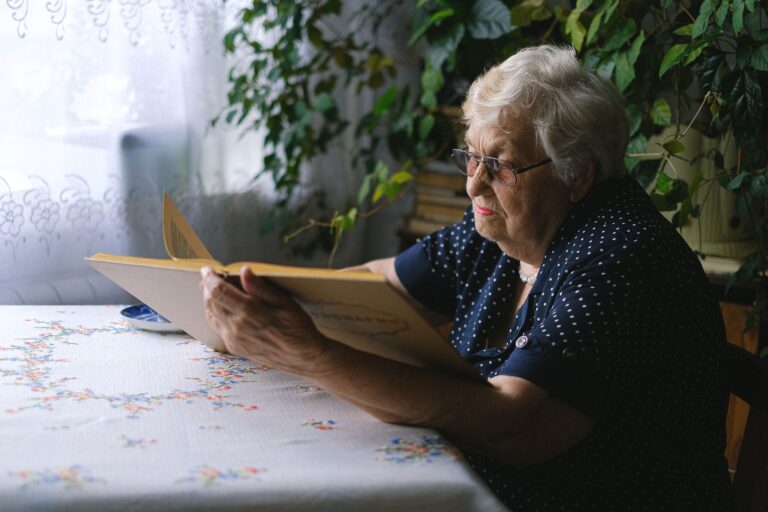
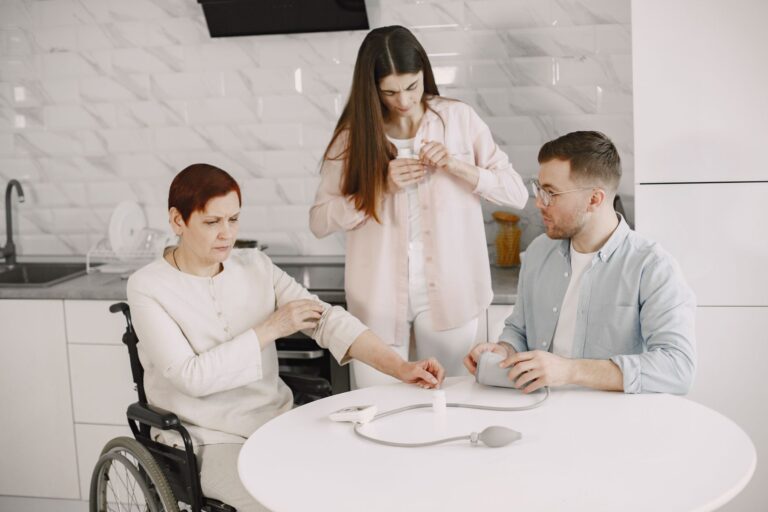
Clutter becomes exponentially more dangerous for people with dementia because the condition strips away the cognitive tools needed to navigate and understand a cluttered environment. A person with early-stage dementia may struggle to recognize that items on the floor are obstacles, or may forget where familiar objects are placed, creating confusion and disorientation in spaces that once felt safe. The brain’s ability to categorize, prioritize, and plan a safe path through an area deteriorates as dementia progresses, making even moderate household clutter a genuine fall hazard and source of distress.
For caregivers, clutter often signals a more immediate problem than it might for an aging adult without cognitive decline. While a typical older adult might navigate around a pile of laundry or remember that newspapers are stacked by the chair, someone with dementia may repeatedly trip on the same items, forget their location entirely, or become trapped trying to find a way through crowded spaces. A living room cluttered with magazines, throw blankets, and furniture can transform into an environment where a person with dementia is at genuine risk of injury, wandering confusion, or emotional distress.
Table of Contents
- How Does Dementia Impair the Ability to Recognize and Avoid Clutter?
- Memory Loss and the Inability to Learn from Repeated Obstacles
- Clutter and the Increased Risk of Falls and Injury
- The Emotional Impact of Clutter on People with Dementia
- Caregiver Burnout and the Challenge of Maintaining a Clutter-Free Home
- Practical Strategies for Safe Decluttering With a Person With Dementia
- The Role of Environmental Design in Dementia Care
How Does Dementia Impair the Ability to Recognize and Avoid Clutter?
dementia damages the brain regions responsible for spatial awareness, visual processing, and hazard recognition—the same abilities that allow people without cognitive decline to automatically step over a shoe or avoid a low table. Someone in the middle stages of Alzheimer’s disease or vascular dementia may literally not perceive clutter as an obstacle. They might see a pile of clothes on a chair but fail to register it as something to avoid, resulting in repeated attempts to sit in the same spot or navigate around it without learning from the experience.
This perceptual shift is not laziness or confusion in the everyday sense—it reflects actual changes in how the brain processes visual information and spatial relationships. A study participant with moderate dementia might walk directly into a piece of furniture that has been in the same room for months, not because they forgot it was there, but because the brain’s visual-spatial pathways are no longer reliably connecting what the eyes see to an understanding of danger or obstacle. This gap between what is visible and what is understood as a hazard is what makes clutter so hazardous—the person with dementia cannot rely on instinctive avoidance the way they once could.
Memory Loss and the Inability to Learn from Repeated Obstacles
A typical older adult might trip over a rug once and unconsciously adjust their route the next time they walk through the same doorway. A person with dementia loses this ability. They may encounter the same obstacle dozens of times and never establish a memory trace that protects them from the next collision or fall.
This means that even mild clutter—a footstool left in the middle of a room, papers on a coffee table, shoes by the door—can become a recurring hazard with no learning curve. The limitation here is important: simply removing clutter once does not solve the problem if the person with dementia is still able to create new clutter or rearrange items. A adult with dementia who is still mobile may take items out of closets, place belongings on floors or chairs without intention, or hoard materials in ways that recreate clutter even in a carefully organized environment. Caregivers often find themselves in a cycle of organizing and re-organizing, which is why ongoing environmental management—not just a one-time declutter—becomes necessary.
Clutter and the Increased Risk of Falls and Injury
Falls are a leading cause of injury and loss of independence in people with dementia, and clutter is a significant and preventable risk factor. A person with dementia who lives in a cluttered environment is at higher risk of tripping, losing their balance, or being unable to break a fall safely because they encounter unexpected obstacles they cannot process in time. Unlike a cognitively intact person who might feel an unstable rug and adjust their gait, someone with dementia may not register the hazard until they are already falling. The specific dangers vary by room and type of clutter.
In hallways and bedrooms—areas where people move quickly or in low-light conditions—clutter poses an acute risk. A pile of boxes in a hallway, clothes on the floor of a bedroom, or stacks of items against a wall can cause a person to trip at the exact moment when balance and cognitive awareness are most needed for a safe recovery. A real-world example: an adult with moderate dementia fell and fractured her hip after stepping on papers that had accumulated near her bed; she had walked past those same papers for weeks without incident until one night she stepped on them at the wrong angle and went down. Caregivers who observe such patterns often recognize that the clutter removal itself may have prevented the injury.
The Emotional Impact of Clutter on People with Dementia
Beyond physical safety, clutter contributes to anxiety, agitation, and distress in people with dementia. A cluttered space increases visual and cognitive overstimulation—too many objects to process, too much disorder to make sense of, too many things that seem wrong or unfamiliar. Many people with dementia respond to this sensory chaos with agitation, wandering, or attempts to “organize” or move items compulsively.
A comparison is useful here: a person without cognitive decline might find clutter aesthetically unpleasant or stressful, but they can rationalize it (“I’ll clean this up later”) and move past the discomfort. A person with dementia often cannot make that cognitive step; instead, the clutter registers as immediate distress or confusion. Some individuals with dementia become fixated on the disorder, spending hours trying to arrange items or asking repeatedly why things are not in their proper place. Creating an uncluttered, calm visual environment is therefore not just a safety measure—it is a direct intervention for emotional wellbeing.
Caregiver Burnout and the Challenge of Maintaining a Clutter-Free Home
Maintaining a clutter-free environment for someone with dementia is labor-intensive in ways that caregivers often underestimate. A person with dementia may undo organization efforts, pull items from storage, or accumulate materials faster than a caregiver can manage. The cognitive load on the caregiver—constantly scanning for hazards, reorganizing, managing the person’s impulse to hoard or rearrange—contributes significantly to caregiver burnout and stress.
A practical limitation: most caregivers cannot keep a home in a state of complete minimalism while also meeting all other care needs. The goal is not perfection but rather intentional management of the highest-risk areas. Many caregivers find it effective to focus decluttering efforts on the spaces where the person with dementia spends the most time—the bedroom, bathroom, and main living areas—while accepting some disorder in spaces they do not frequent. This triage approach reduces both the physical and emotional burden on the caregiver while still significantly improving safety.
Practical Strategies for Safe Decluttering With a Person With Dementia
Decluttering a home when the person with dementia is a resident or visitor requires different tactics than a standard household purge. Removing too many items at once can cause distress or disorientation; the person may not recognize their own space or may become agitated by changes they cannot fully understand. A gradual, consensual approach—working with the person when possible, explaining changes, and involving them in decisions—often meets with less resistance than a rapid overhaul.
Specific strategies include: removing items in categories the person is less attached to (old newspapers, expired medications, duplicate utensils) before removing personal items or furniture; keeping the person’s familiar and valued belongings visible and accessible; and using storage solutions that hide clutter rather than exposing it everywhere. For example, instead of leaving throw blankets draped over furniture and floors, store them in a labeled basket; instead of stacking books on chairs, place them on a shelf or in a single, organized location. This keeps the visual environment calmer while preserving the person’s access to their own possessions.
The Role of Environmental Design in Dementia Care
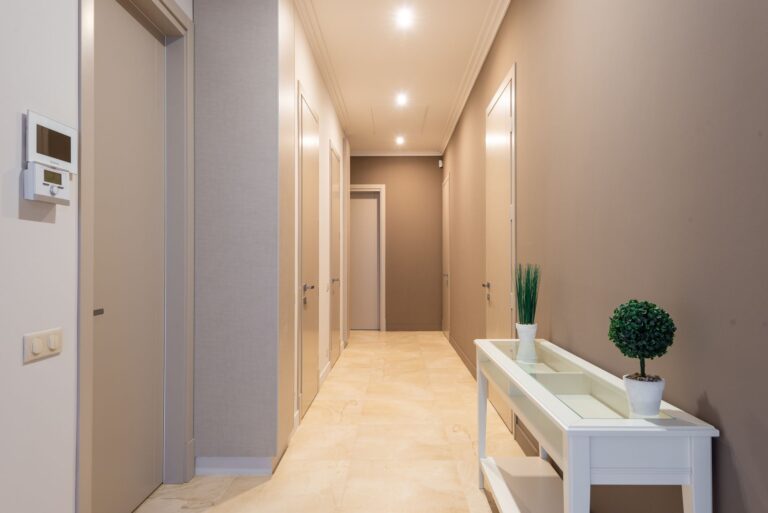
A clutter-free environment is foundational to other dementia-care principles like way-finding and reducing wandering. When spaces are clear and organized, it is easier for a person with dementia to find the bathroom, recognize their bedroom, or locate familiar items without becoming confused or lost. This principle extends beyond mere absence of clutter—it includes strategic placement of furniture, removal of visual distractions, and consistent organization.
Lighting is another factor often overlooked: clutter is harder to see and navigate in dim lighting, so a combination of good lighting and minimal clutter creates the safest environment. A person with dementia may have difficulty distinguishing objects in shadowed corners or along baseboards, making even small clutter hazardous in poorly lit spaces. Healthcare environments designed for dementia—such as specialized care units—typically minimize clutter, maximize lighting, and use visual cues like color-coded pathways and large-print labels to help residents navigate safely and independently for as long as possible.