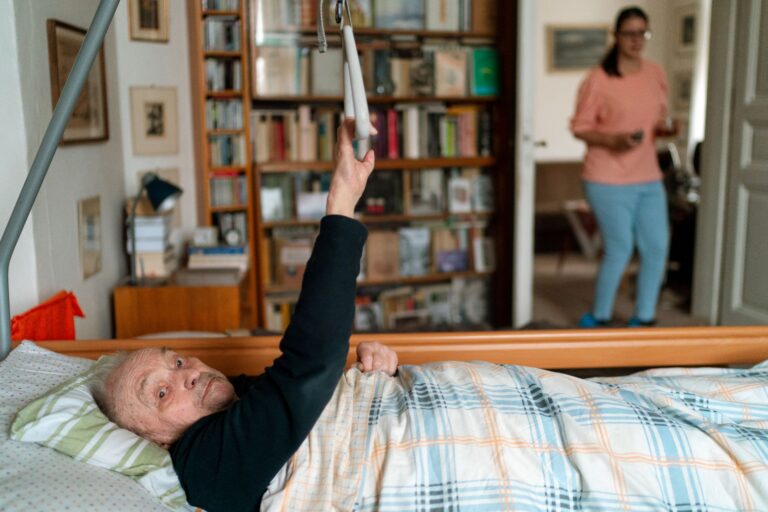
Memory care is appropriate when dementia-related safety risks or daily care needs can no longer be managed reliably at home. It is a residential setting designed to provide dementia-focused supervision, personal care, and a safer environment. The decision depends on the person's needs, the caregiver's capacity, and the services a specific facility provides. A diagnosis or dementia stage alone does not determine the right time to move.
Medical information disclaimer: This article is for general educational purposes only and does not provide medical advice, diagnosis, or treatment. Always consult a physician or other qualified health professional about symptoms, medications, tests, or treatment decisions.
Table of Contents
- Signs the current setting is no longer safe
- Caregiver health is part of the decision
- Rule out a treatable medical problem
- Match the setting to the person's needs
- How to evaluate a memory care program
Signs the current setting is no longer safe
Reassess the living arrangement when the person cannot safely manage walking, eating, toileting, bathing, dressing, grooming, or medications. Frequent falls, missed meals, medication errors, or unsafe use of household equipment may show that existing support is insufficient. The need for constant supervision is another important signal.
The Alzheimer's Association says middle-stage dementia generally requires 24-hour supervision to protect the person's safety. Warning signs include: Wandering deserves particular attention. The National Institute on Aging says a person with Alzheimer's who has wandered before should not be left unattended.
- Leaving home and becoming lost
- Being unsafe when left alone, even briefly
- Repeated nighttime activity that caregivers cannot monitor
- Aggression or agitation that creates a risk of injury
- Increasing dependence for several daily activities
Caregiver health is part of the decision
memory care may be appropriate even if the person can still do some tasks independently. What matters is whether family members or paid caregivers can meet the total need consistently, including overnight supervision and help during difficult behaviors. Consider whether caregiving is causing injuries, serious exhaustion, worsening health, or missed work and medical appointments.
Residential care is a reasonable option when the person's needs exceed the caregiver's physical abilities or put either person's health at risk. Temporary solutions may help when the gap is limited. More home-care hours, adult day services, or changes to the home may extend the current arrangement. They are not adequate substitutes when nobody can reliably cover essential supervision or personal care.
Rule out a treatable medical problem
A sudden decline does not necessarily mean dementia has permanently advanced. New confusion, agitation, sleepiness, aggression, or difficulty walking can result from infection, medication changes, pain, dehydration, or another treatable problem. Seek a medical evaluation when the change is abrupt or markedly different from the person's usual pattern.
The National Institute on Aging advises caregivers to consider health problems, medicines, pain, and environmental causes when behavior changes. An urgent problem may still require short-term extra supervision. However, families should avoid making an irreversible housing decision until clinicians have assessed a sudden change, unless immediate safety makes relocation unavoidable.
Match the setting to the person's needs
"Memory care" is not a uniform level of care. A special dementia unit may operate within assisted living or a nursing home, and it may or may not be secured. Services and disclosure requirements also vary by state. Assisted memory care may fit someone who needs dementia-focused supervision and substantial help with daily activities but not ongoing nursing treatment.
A nursing home is more appropriate when the person also requires around-the-clock nursing services, medical care, and extensive physical assistance. Ask each facility what happens if needs increase. A program may manage wandering and personal care but be unable to handle complex medical treatment, severe behavioral symptoms, or major mobility changes. Confirm whether the person could remain there or would need another move.
How to evaluate a memory care program
Do not rely on the words "memory care" in a facility's name. Ask how the program would address the person's actual routines, behaviors, medical conditions, mobility, communication, and supervision needs. Check for: Joint Commission Memory Care Certification requires a structured dementia-care plan and an on-site evaluation, but certification is only one consideration.
Families should still visit, observe staff interactions, review the agreement, and compare the program's capabilities with the person's needs. Cost must be assessed before committing. Medicare states that it generally does not cover long-term custodial care in assisted living, nursing homes, or the community, although Medicaid or private long-term-care insurance may help eligible people. Request a written list of base charges, added care fees, and conditions that could increase the monthly cost.
- Staff trained in dementia care
- An individualized care plan and regular reassessments
- Adequate staffing during nights and weekends
- Experience managing agitation, aggression, or wandering
- Secure exits and safe indoor and outdoor spaces