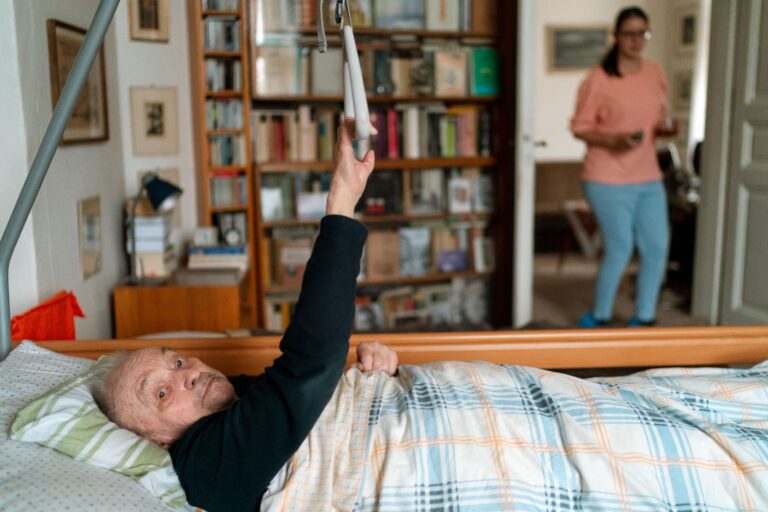
Adult day health care is appropriate when someone with dementia can live at home but needs a safe, structured setting during the day. It is especially useful when daytime supervision also gives a family caregiver regular time to work, rest, or handle errands. Adult day health care is a daytime program that may provide trained staff, activities, meals, personal care, and basic health services. The National Institute on Aging describes these services as one form of support for people living at home.
Medical information disclaimer: This article is for general educational purposes only and does not provide medical advice, diagnosis, or treatment. Always consult a physician or other qualified health professional about symptoms, medications, tests, or treatment decisions.
Table of Contents
- Signs the service may fit
- Can the program manage this person's needs?
- Allow time for adjustment
- Understand what day care can and cannot do
- Check costs and benefit rules
Signs the service may fit
Consider adult day health care when the person needs more structure or supervision than the household can reliably provide during daytime hours. The goal is to match a real care need, not simply fill time. It may fit when the person would benefit from planned activities, meals, personal care, or contact with trained staff.
It can also help when one caregiver needs predictable relief to keep working, rest, run errands, or continue caregiving without becoming exhausted. The person does not need every available service. Someone may mainly need a secure setting and activities, while another person needs mobility help, personal care, or basic health support.
Can the program manage this person's needs?
A center's dementia-care abilities matter more than its general description. The Alzheimer's Association recommends checking whether staff can manage wandering, incontinence, hallucinations, communication problems, mobility limitations, special diets, and emergencies.
ask the program directly: Services vary substantially. If the person needs medication assistance, insulin injections, or another clinical service, confirm that qualified staff can provide it before enrolling.
- How do staff respond if someone wanders or becomes distressed?
- Can they assist with toileting, eating, transfers, or mobility?
- How do they communicate with someone who has difficulty speaking?
- Can they accommodate the person's diet?
- What happens during a medical or behavioral emergency?
Allow time for adjustment
Initial resistance does not necessarily mean the program is a poor fit. A new place, schedule, and group of people can be difficult for someone with dementia to accept. The Alzheimer's Association advises trying attendance at least twice a week for a month instead of judging the service from occasional visits.
Regular attendance gives the person a better chance to recognize the routine and staff. during that period, watch for specific patterns rather than relying only on the person's reaction before leaving home. Ask staff about participation, eating, distress, personal care, and behavior throughout the day.
Understand what day care can and cannot do
Adult day health care can support home-based care, but it is not automatically enough as dementia progresses. Reassess the arrangement when the person develops needs that the center cannot safely manage. Evidence about added caregiver support is encouraging but limited.
A 2024 study reported in The Gerontologist involved 203 caregivers across 34 sites and found less caregiver depression at 12 months. However, the study tested an enhanced program with added education and support, not ordinary adult day services alone. Judge the arrangement by its practical results: whether the person receives suitable care and whether the caregiver gains usable, dependable relief. If either part stops working, ask the center what it can change and reassess the broader care plan.
Check costs and benefit rules
Medicare generally does not pay for adult day care. According to the National Institute on Aging, Medicaid, other government programs, or some long-term-care insurance plans may help, depending on coverage and eligibility. Adult day attendance does not by itself prevent someone from receiving Medicare home-health benefits.
Medicare.gov explains that the person must separately meet the requirements for skilled services and homebound status. Before enrollment, request a written list of included services and charges. Then check Medicaid, relevant government programs, long-term-care insurance, and any separate home-health eligibility rather than assuming one benefit determines another.