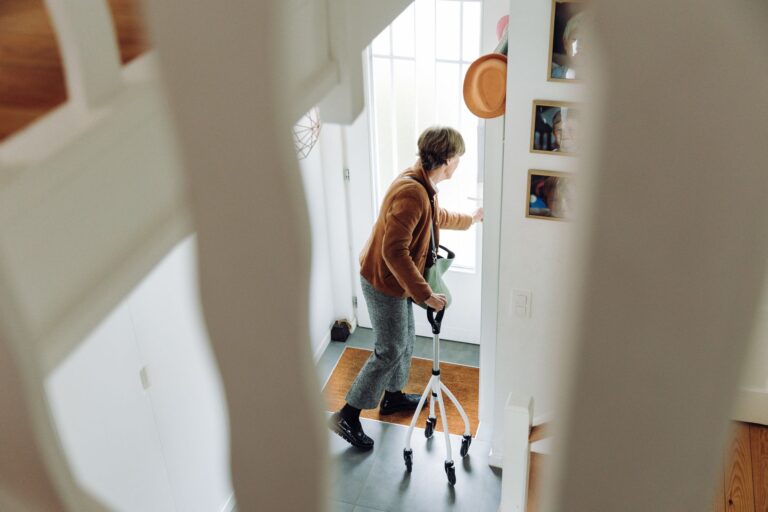
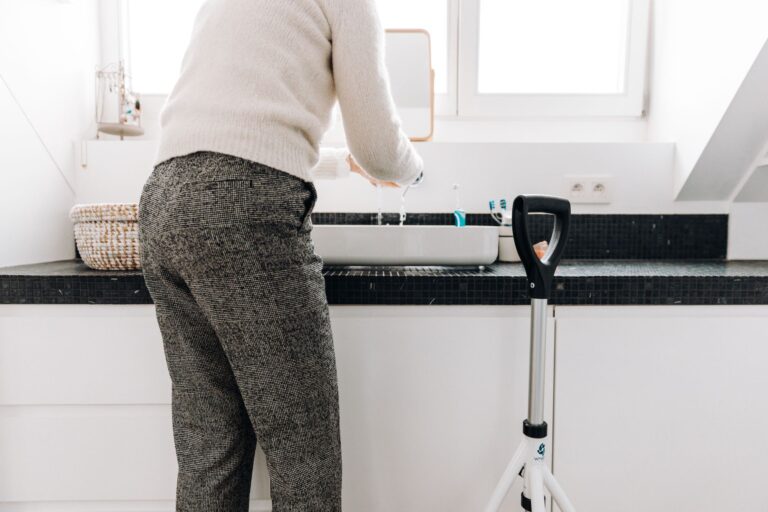
Offer simple strength exercises on 2 to 3 nonconsecutive days per week, preferably in the morning when alertness and cooperation are usually best. Split the effort into several 10-minute mini-workouts during the day when one longer session feels too hard. Strength exercise here means gentle muscle work using body weight, light hand weights, or elastic bands. In dementia home care, the goal is to support strength, balance, walking speed, and daily tasks without causing fatigue or frustration.
Medical information disclaimer: This article is for general educational purposes only and does not provide medical advice, diagnosis, or treatment. Always consult a physician or other qualified health professional about symptoms, medications, tests, or treatment decisions.
Table of Contents
- How much activity is enough each week?
- What should a home strength session include?
- When during the day should you offer it?
- How do you keep sessions safe and steady?
- How can caregivers stay consistent?
How much activity is enough each week?
Adults with dementia who are able need at least 150 minutes per week of moderate aerobic activity, plus muscle work for all major muscle groups on at least 2 days per week. A simple pattern is 30 minutes of walking or dancing on 5 days, with strength work added twice.
The CDC activity guidance for chronic conditions names this amount as the baseline for adults with chronic conditions and disabilities. Adults age 65 and older have a matching strength target of 2 or more days per week at moderate or greater intensity. Those with poor mobility benefit from added balance-plus-strength activity.
What should a home strength session include?
Keep the menu short and familiar. Use sit-to-stands from a sturdy chair, wall push-ups, step touches holding a counter, light hand weights, or band rows and presses.
For Alzheimer's disease and related dementias, the American College of Sports Medicine prescription for Alzheimer's suggests hand weights, bands, or body weight 2 to 3 days per week, starting light and building to 1 to 3 sets of 8 to 12 repetitions. Start with one easy set and short rest breaks. Add weight, band tension, or repetitions only when form stays steady and the person finishes feeling capable.
When during the day should you offer it?
Schedule the main effort in the morning. Alertness and willingness are often highest then, and the rest of the day stays open for meals, rest, and appointments. Be realistic about one session.
The National Institute on Aging caregiving tips on exercise advises using several 10-minute mini-workouts in a day instead of forcing one long workout. A home trial of 188 frail adults age 75 and older used daily 10 to 15 minute balance work plus band training 3 days per week and showed less physical decline. That pattern fits a home routine: brief morning strength, short afternoon walk, evening balance practice.
How do you keep sessions safe and steady?
Keep strength days nonconsecutive so muscles recover. Offer water, sturdy footwear, good light, and a clear floor space.
Stay close, give one instruction at a time, and use a chair, counter, or wall for support. The National Institute on Aging tips for staying active as you age advises starting slowly with short, low-intensity bouts and getting medical clearance for cardiac, metabolic, or new symptoms.
- Use support and clear trip hazards before starting
- Supervise closely and keep the pace calm
- Stop if pain, dizziness, chest discomfort, or unusual shortness of breath occurs
How can caregivers stay consistent?
Pair the person's session with your own movement. Aim for your own active time on most days, since even 10 minutes daily helps stress and health.
Exercise while the person naps, listens to music, or does a safe seated activity. Keep the same time, place, and order each day. Lay out weights, bands, and a sturdy chair the night before so starting takes little discussion.