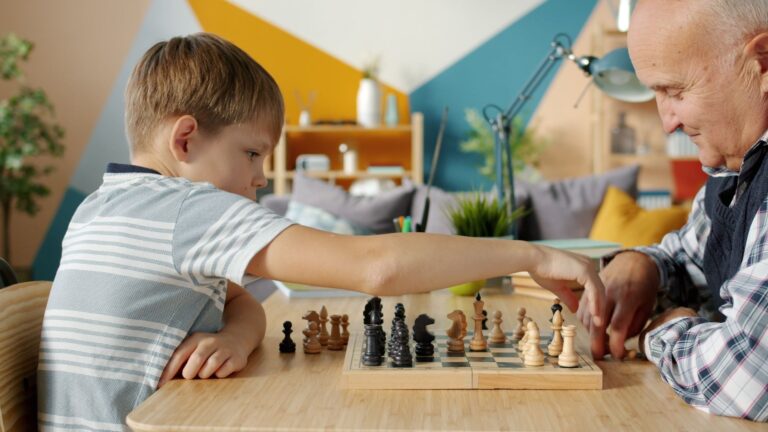
Offer a brief matching game — pairing cards by picture, color, or word — in the morning at the same time, two to three times a week. Keep each game to about 30 minutes and match it to the person's abilities and interests. Matching games are a simple form of one-to-one mental activity for a person with mild-to-moderate dementia. Cochrane reviewers found this type of stimulation probably gives small benefits in thinking, memory, well-being, mood, and daily abilities, in studies averaging age 79, as summarized by Cochrane Taiwan's review summary.
Medical information disclaimer: This article is for general educational purposes only and does not provide medical advice, diagnosis, or treatment. Always consult a physician or other qualified health professional about symptoms, medications, tests, or treatment decisions.
Table of Contents
- Why morning works best
- How long and how often to play
- How to build a steady routine
- When to stop or try again
Why morning works best
Alertness is usually highest in the morning and early afternoon. The Alzheimer's Association advises caregivers to schedule demanding activities then and keep late afternoons calm because of sundowning confusion, in its sundowning tips sheet.
A morning game catches the person before fatigue builds. A short picture-pair or color-pair task fits well after breakfast and personal care. Save late afternoon for rest, music, or quiet company.
How long and how often to play
One-to-one home stimulation has been tested as 30-minute carer-delivered sessions up to three times weekly over 25 weeks, for 75 themed sessions tailored to ability and interests. The National Institute for Health and Care Research describes this schedule in its home stimulation trial record.
Group programs often use longer sessions, such as 45 minutes twice weekly. At home, shorter is kinder. Start with 15 to 30 minutes and let attention set the end point.
How to build a steady routine
Play at the same time on game days. Choose the slot when the person feels best.
Simplify the task, use small steps, and take regular breaks. A steady setup helps success: Skip challenging games when the person is stressed, tired, or unwell. A calm ten-minute match beats a forced half hour.
- use large cards with clear pictures and strong contrast
- begin with six to eight pairs, then add more only if easy
- give one short instruction at a time and show the move
When to stop or try again
Stop or switch activity at signs of fatigue, frustration, or distress. The U.S. National Institute on Aging advises caregivers to adapt activities this way and retry another day because success varies day to day, in its adapting activities guidance.
Watch for pushing cards away, rubbing eyes, sighing, or anxious remarks. End warmly, name one thing done well, and put the game aside. Try again tomorrow morning with fewer pairs or a familiar theme like animals, food, or flowers.