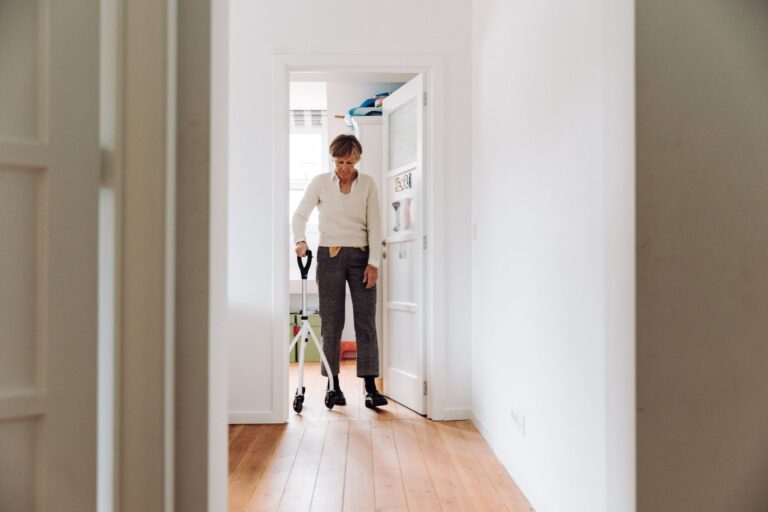
Offer indoor gardening during the person's most alert period, often mid-morning, once per week for 30 to 60 minutes. Indoor gardening means simple plant care inside the home, such as watering, potting, or planting seeds.
This weekly rhythm fits home routines and matches what caregivers and experts prefer. Keep tasks short, calm, and failure-resistant. Save quieter hours for rest and avoid demanding activity late in the day.
Medical information disclaimer: This article is for general educational purposes only and does not provide medical advice, diagnosis, or treatment. Always consult a physician or other qualified health professional about symptoms, medications, tests, or treatment decisions.
Table of Contents
- Pick the most alert time of day
- How often should you schedule sessions?
- How long should each session last?
- What results and limits should you keep in mind?
Pick the most alert time of day
The Alzheimer's Association daily care plan advises building the day around the person's best-functioning times. It says structured, pleasant activities at those times reduce agitation and improve mood. For many people, that window is mid-morning.
Offer watering, wiping leaves, or planting large seeds during that alert window. Keep directions to one step and use sturdy pots and large tools. Avoid late afternoon, when fatigue and sundowning often peak.
How often should you schedule sessions?
The Journal of People, Plants, and Environment reports that staff, caregivers and therapists most preferred indoor gardening once per week in a staff and caregiver survey. They also preferred sessions of 60 minutes or less and 10 sessions or fewer per program. A three-round Delphi survey of experts in April 2024 rated once per week and 12 to 15 total sessions as appropriate.
The 2024 meta-analysis summarized in the U.S. National Library of Medicine record found cognitive benefit only at two or more sessions per week. That review found programs under six months more effective. Start with one calm weekly session, then add a second short session only if energy and interest allow.
How long should each session last?
Aim for 30 to 60 minutes per session. Surveyed caregivers preferred 60 minutes or less, while experts rated 30 to 40 minutes as appropriate. End early if attention fades, restlessness rises, or hands tire.
A 2026 Frontiers in Dementia scoping review of 108 studies in 21 countries found brief nature exposure improved mood. It saw no added gain beyond 80 to 90 minutes. A 2026 stage-adaptive therapy-garden study averaged about one hour of daytime exposure daily. It gave two to three weekly hours of nature-based therapy and linked that pattern to lower agitation.
What results and limits should you keep in mind?
An International Journal of Geriatric Psychiatry pilot study of 23 patients gave four weeks of indoor gardening. Wake after sleep onset, nocturnal sleep time and efficiency, agitation and cognition scores all improved significantly. The 2026 Frontiers review also linked a purpose-designed indoor garden to lower medication use, cortisol and blood pressure.
Most indoor-gardening dementia evidence comes from small pilots and residential-care samples. The pilot authors call for larger randomized trials before assuming the same dose fits every home-care stage. If evening restlessness rises, shift gardening to mid-morning and keep late day calm. Keep water, soil, and large seeds within reach so success does not depend on memory.
- Pause the task if restlessness, fatigue, or confusion rises.
- Shorten the next session if focus fades before 30 minutes.
- Move gardening earlier if late-day sessions bring distress.