When a parent with dementia accepts help from everyone except you, the cause is usually the disease, not your effort. Anosognosia — impaired awareness of their own memory or daily-function problems — makes many people overestimate their abilities and refuse help as unnecessary.
A 2024 peer-reviewed systematic review reports up to 81% of people with Alzheimer's disease show this pattern, according to a systematic review in PMC. Closeness can increase friction. Help from an adult child can threaten independence and flip lifelong roles, while help from a neutral person can feel less loaded for one small task.
Medical information disclaimer: This article is for general educational purposes only and does not provide medical advice, diagnosis, or treatment. Always consult a physician or other qualified health professional about symptoms, medications, tests, or treatment decisions.
Table of Contents
- Why isn't this simple stubbornness?
- Why does your help trigger the most resistance?
- What helps in the moment?
- How do you stay involved without forcing care?
Why isn't this simple stubbornness?
Refusal of personal care is common in advanced dementia. The Refusal of Care Informant Scale study in PMC describes it as moving away, ignoring the caregiver, verbal refusal, or becoming upset or aggressive.
That behavior often signals fear or confusion. A parent who showers calmly with an aide may shout when you try because your attempt feels unexpected, rushed, or intrusive.
Why does your help trigger the most resistance?
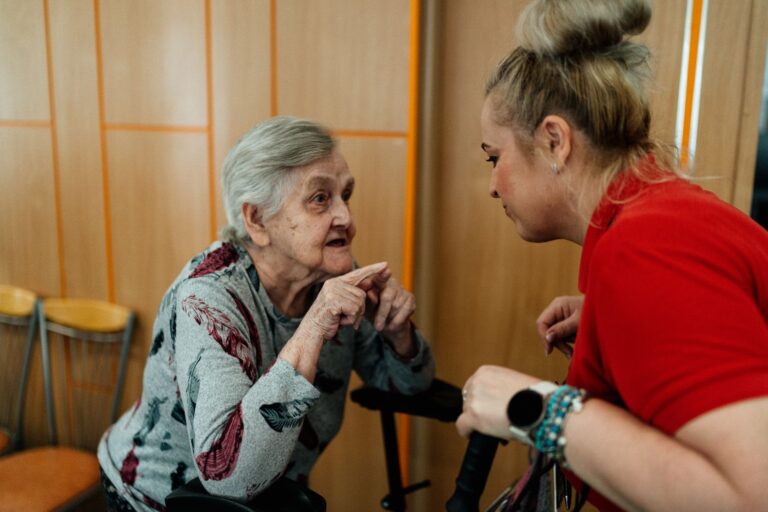
An adult child often triggers the strongest refusal because the help threatens autonomy and reverses lifelong roles. Washington State caregiver guidance on resistance notes that a neutral professional can feel easier to accept for one small task, according to the state caregiver tip sheet on resistance.
Suspicion also centers on close family. Alzheimer's disease can bring accusations about theft, infidelity, or improper behavior, and the Alzheimer's Association advises remembering the disease causes these thoughts, according to the Association's guide on suspicion and delusions.
What helps in the moment?
Stop persuading and lower pressure. Arguing about who is right raises threat and rarely changes the answer. The National Institute on Aging recommends a calmer sequence when accusations or refusal start, according to its guidance on behavior and communication changes:.
- do not argue about the accusation; offer one simple answer
- check safety first, then give space
- track when the behavior happens and discuss changes with a doctor
- call the Alzheimer's Association 24/7 Helpline at 800-272-3900 for support
How do you stay involved without forcing care?
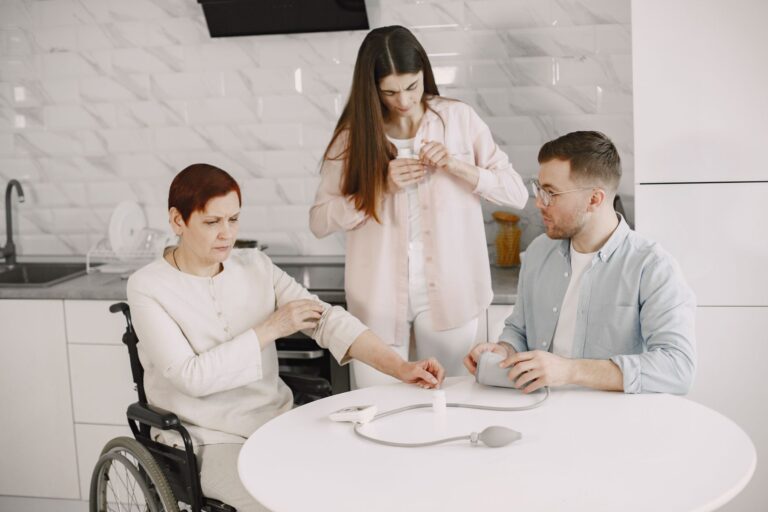
Let someone neutral handle one narrow job, such as bathing, medications, or a ride. You can manage scheduling, groceries, bills, or follow-up while your parent keeps a sense of control.
Expect variation. Clinician-scientists reporting in Neurology note anosognosia estimates range from about 20% to 80% across studies, and paranoia differs by dementia type and stage. If refusal grows, ask the doctor what one task to delegate next.