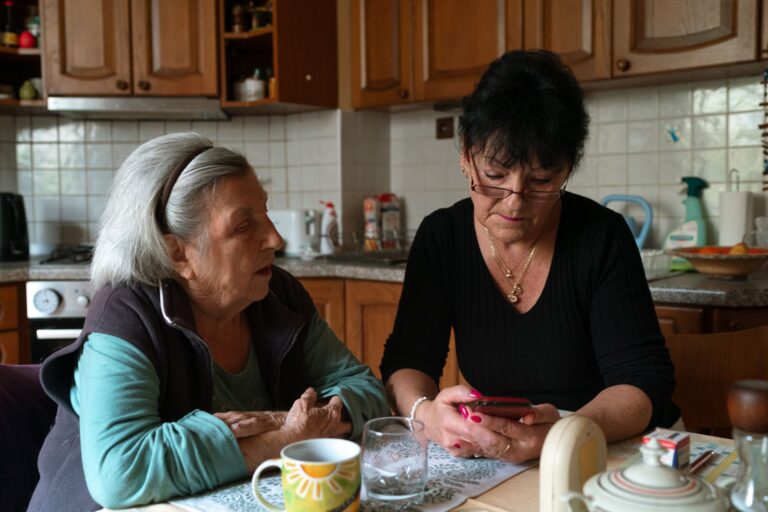
When a dementia caregiver cannot remember the last uninterrupted meal, caregiving has likely displaced a basic need. The immediate priority is to create protected time to eat—not to make the meal perfect. This pattern matters because missed or fragmented meals often sit beside lost sleep, delayed medical care, and emotional strain. Small, dependable changes can protect the caregiver while keeping the person with dementia safe.
Medical information disclaimer: This article is for general educational purposes only and does not provide medical advice, diagnosis, or treatment. Always consult a physician or other qualified health professional about symptoms, medications, tests, or treatment decisions.
Table of Contents
- Why meals become fragmented
- What to do today
- When outside help can protect a meal
- When forgetfulness deserves attention
Why meals become fragmented
Dementia care can require frequent supervision, repeated reassurance, and help with daily routines. In 2023, more than 11 million U.S. adults provided 18.4 billion hours of unpaid dementia care, according to the CDC's caregiving overview. Nearly one-third had provided care for at least four years.
Mealtimes may be especially demanding. A synthesis of 10 qualitative studies found that caregivers managed feeding problems, experienced emotional and role changes, and often developed coping strategies without professional guidance. They also reported inadequate food-related information and support in the Journal of Advanced Nursing review. The caregiver may prepare two meals, supervise eating, respond to distress, clean up, and manage medication before touching their own food. An interruption can then turn into a skipped meal without a deliberate decision.
What to do today
Choose the smallest workable protection: one meal, one chair, and a short period when another person or service covers likely interruptions. If continuous coverage is unavailable, divide food into portions that remain easy to eat after a pause.
Practical options include: "Eat better" is too vague to solve a scheduling problem. A useful plan identifies who will cover care, which meal will be protected, and what food will already be available.
- Keep ready-to-eat foods where caregiving usually happens.
- Prepare the caregiver's serving before beginning feeding assistance.
- Ask a relative or friend to cover one specific meal, not an open-ended visit.
- Set water and food reminders tied to medication or another fixed routine.
- Keep backup meals that require little preparation or cleanup.
When outside help can protect a meal
Respite care temporarily transfers caregiving duties for periods ranging from hours to weeks. It may be provided at home, through adult day care, or in a facility, giving the caregiver time to eat, sleep, attend appointments, or recover. The National Institute on Aging's guidance on getting help notes that most private insurance does not cover respite care, so families may face out-of-pocket costs.
Before arranging it, ask what supervision is included, how long visits last, and whether the provider can manage the person's usual behaviors and routines. Meal delivery can reduce shopping and preparation work and may accommodate special diets. However, delivery workers generally do not cook inside the home or feed the recipient. Eligibility, price, and Medicare or Medicaid coverage vary, so confirm exactly what the local program provides.
When forgetfulness deserves attention
Caregiver forgetfulness should not automatically be dismissed as "just stress." About one in eight unpaid caregivers aged 45 or older reported worsening confusion or memory loss, and the problem was more common among caregivers than noncaregivers, according to the CDC's caregiver memory-loss report. Arrange medical care when memory changes interfere with eating, medication, appointments, driving, finances, or safe supervision.
Seek urgent help if confusion appears suddenly or creates an immediate danger. For ongoing protection, the CDC identifies healthy meals, enough sleep, physical activity, regular medical care, and gradual behavior changes as practical measures. Start with one repeatable change—such as protected coverage for lunch twice a week—and record whether meals, energy, or memory improve.