Understanding what’s the best white noise machine for dementia sleep? is essential for anyone interested in dementia care and brain health. This comprehensive guide covers everything you need to know, from basic concepts to advanced strategies. By the end of this article, you’ll have the knowledge to make informed decisions and take effective action.
Table of Contents
- Does White Noise Actually Help People With Dementia Sleep Better?
- Comparing the Best White Noise Machines for Elderly and Dementia Users
- Safety Concerns: Can White Noise Machines Damage Hearing?
- What Features Matter Most for Dementia Care?
- When White Noise Does Not Work and What to Try Instead
- The Role of Routine in Dementia Sleep
Does White Noise Actually Help People With Dementia Sleep Better?
The honest answer is: sometimes, but not always. The published research supports white noise as a behavioral intervention rather than a sleep cure. The Taiwan study focused specifically on agitation, a common and distressing symptom in dementia, and found meaningful improvements. Separate research showed that white noise played during walking activities reduced anxiety and fear of falling in patients with mild dementia, suggesting benefits that extend beyond the bedroom. However, caregivers should understand the limitations.
A systematic review examining multiple studies concluded that “despite increasing popularity, the efficacy of continuous noise to improve objective and subjective measures of sleep remains unclear.” Only 56% of studies reviewed showed sleep improvement overall. This does not mean white noise is worthless, but it does mean expectations should be realistic. White noise works best for seniors who are easily woken by environmental sounds, such as a partner’s movements, hallway noise in a care facility, or outdoor traffic. If the sleep problem stems from pain, medication side effects, or circadian rhythm disruption from sundowning, white noise alone may not be sufficient. For example, a patient in a memory care unit who wakes every time a staff member walks past the door may benefit significantly from consistent background noise that masks those disruptions. A patient who sleeps lightly due to anxiety or confusion during sundowning hours may need additional interventions alongside the sound machine.
Comparing the Best White Noise Machines for Elderly and Dementia Users
The market offers dozens of options, but only a handful make sense for dementia care. The key differentiator is not sound quality or app integration but physical usability and operational simplicity. The **Easysleep Sound Machine** costs approximately $25 and stands out because it was designed with elderly users in mind. Its large, clearly labeled buttons allow independent operation without reading tiny text or navigating menus. For someone in the early stages of dementia who still manages some daily tasks independently, this accessibility matters.
The **Yogasleep Dohm** ($30-$37) takes a different approach: it uses an actual fan to create white noise mechanically, eliminating digital loops that some users find annoying. The tradeoff is that it only produces variations of one sound rather than multiple options. The **LectroFan** ($45-$50) offers 11 different sounds, which provides variety but adds complexity. Its portable version, the LectroFan Micro 2, has a 40-hour battery life, making it useful for travel or power outages that might otherwise disrupt a patient’s routine. The **Magicteam Sound Machine** (around $20) is the most reviewed option on Amazon and offers 15 non-looping sounds at the lowest price point, though its smaller size means smaller buttons. The **Hatch Restore 3** ($60) includes sunrise simulation and specialized wake-up cycles, but its touchscreen interface and smartphone app may create barriers for dementia patients and their caregivers who want something that simply works.
Safety Concerns: Can White Noise Machines Damage Hearing?
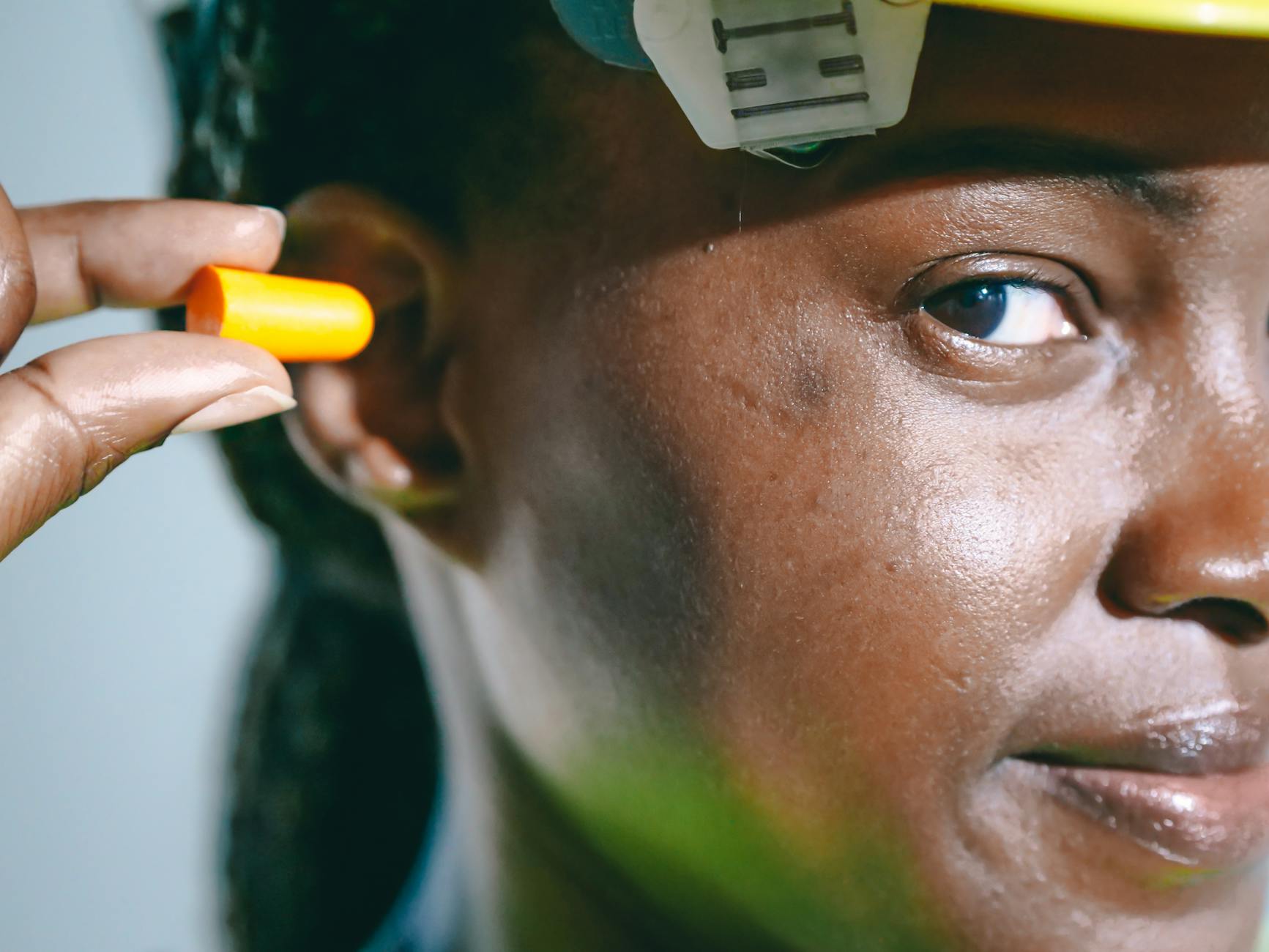
Extended use of white noise machines carries a genuine safety consideration that manufacturers rarely emphasize. Running a sound machine for eight hours continuously is generally not recommended, as prolonged exposure to even moderate noise levels can contribute to hearing damage over time. This concern is particularly relevant for dementia patients who may already experience age-related hearing loss. However, the risk depends heavily on volume. A machine set to a low or moderate level, just loud enough to mask environmental sounds, poses less concern than one cranked up to cover a snoring partner or loud neighbors.
Caregivers should aim for the minimum effective volume. If a patient has hearing aids, those should be removed before sleep regardless, which somewhat changes the calculation of what volume level reaches the ear. For patients who need sound throughout the night, some caregivers use a timer to turn the machine off after a few hours, once deeper sleep is established. Others position the machine farther from the bed to reduce direct exposure while still providing ambient coverage. These compromises are not perfect solutions, but they acknowledge that “better sleep” should not come at the cost of accelerated hearing loss.
What Features Matter Most for Dementia Care?
When selecting a white noise machine for someone with dementia, prioritize physical design over sound variety. Large buttons with clear markings allow patients to operate the device independently for as long as possible, preserving dignity and reducing caregiver burden. A simple on/off mechanism beats a touchscreen or app-controlled interface every time. Volume control should be straightforward, preferably a physical dial or clearly distinct buttons rather than holding a single button to adjust.
Auto-off timers can be helpful but should be optional, as some patients become distressed if the sound stops unexpectedly during the night. Machines that remember their last settings when powered on reduce the daily setup burden. Portability matters for patients who travel between home and family members’ houses or who move between rooms during the day. The LectroFan Micro 2’s 40-hour battery addresses this need, though its smaller size means smaller controls. A machine that plugs into a standard outlet without proprietary adapters simplifies replacement if the original is lost during a hospital stay or move to a care facility.
When White Noise Does Not Work and What to Try Instead
White noise fails for some dementia patients, and recognizing this early prevents months of frustration. If a patient shows no improvement after two weeks of consistent use, or if the sound seems to increase rather than decrease agitation, discontinue the trial. Some individuals find constant noise irritating regardless of type or volume. The systematic review data suggests pink noise may be more effective than white noise for sleep improvement. Pink noise emphasizes lower frequencies and sounds more like rainfall or rustling leaves, which some find more soothing than the higher-frequency hiss of white noise. The Dohm’s mechanical fan actually produces something closer to pink noise than pure white noise, which may explain its popularity despite limited sound options. For sundowning specifically, light therapy in the morning may address the underlying circadian disruption more directly than sound masking at night.
Patients who wake from vivid dreams or nighttime confusion may need medication adjustments rather than environmental interventions. White noise is one tool among many, not a universal solution. ## Practical Tips for Introducing a Sound Machine Start during a calm period rather than during a crisis. Introducing an unfamiliar device when a patient is already agitated or confused increases the chance of rejection. Run the machine during the day first so it becomes a familiar background presence before being associated with the potentially stressful transition to bed. Begin at the lowest volume and increase gradually over several nights. What sounds quiet to a caregiver may sound loud to someone with different hearing sensitivity or heightened startle responses. Place the machine across the room rather than on the nightstand, both to reduce direct sound exposure and to prevent it from being knocked over or unplugged accidentally.

The Role of Routine in Dementia Sleep
A white noise machine works best as part of a consistent bedtime routine rather than an isolated intervention. The sound becomes a cue that signals sleep time, similar to dimming lights or changing into pajamas.
This conditioning effect may be as important as the actual noise masking, particularly for patients whose internal clock no longer distinguishes day from night reliably. Caregivers report the most success when the sound machine activates at the same time each evening, ideally 30 to 60 minutes before the intended sleep time. This consistency helps even when the patient cannot consciously remember the routine, as procedural memory often persists longer than explicit memory in dementia.