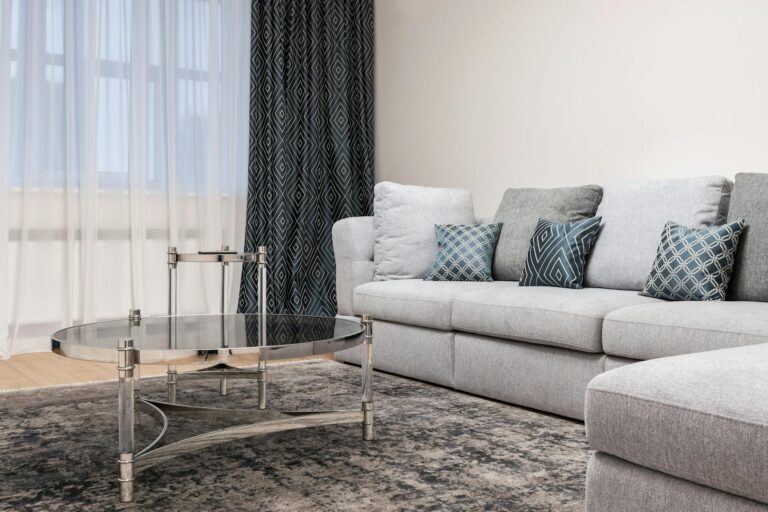
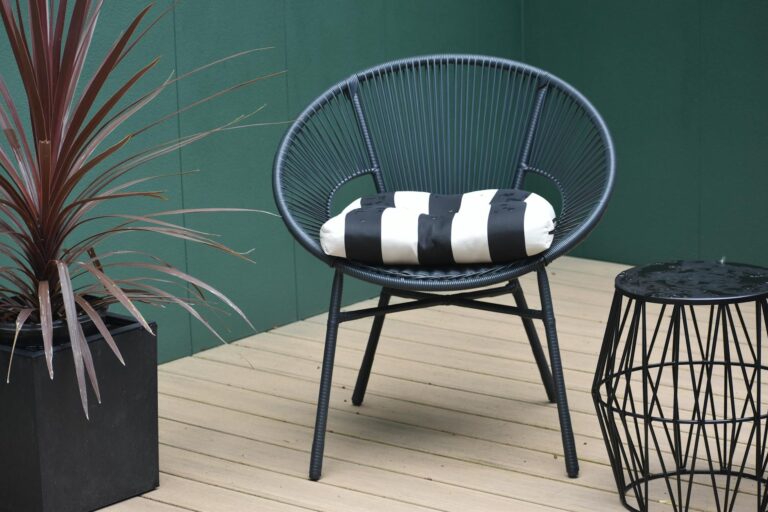
The best way to adapt furniture for dementia safety is to start with what you already have: secure heavy pieces to walls, remove sharp-cornered or glass-topped items, and use color contrast so that chairs, tables, and fixtures stand out clearly against floors and walls. These straightforward changes address the two biggest furniture-related risks for people with dementia “” falls and confusion caused by visual perception difficulties. For example, something as simple as replacing a white toilet seat with a dark-colored one against a white floor can prevent a bathroom fall, because the person can actually see where to sit. Swapping a glass coffee table for a solid wood one with rounded edges eliminates both a trip hazard and a reflective surface that can cause disorientation.
Beyond these immediate fixes, adapting furniture for dementia safety means thinking about how a person interacts with their environment as their condition progresses. That means choosing chairs that make standing up easier, beds that adjust to changing mobility needs, and layouts that stay consistent over time. The stakes are significant: people with dementia are twice as likely to fall as adults with normal cognitive function, and those who do fall are three times more likely to suffer a bone fracture. With an estimated 7.2 million Americans age 65 and older living with Alzheimer’s in 2025 “” roughly 1 in 9 people in that age group “” furniture safety is not a niche concern. This article covers the specific modifications that matter most, from seating and color choices to professional assessments and the practical tradeoffs involved in each decision.
Table of Contents
- Why Does Furniture Pose Such a Risk for People With Dementia?
- Choosing Seating That Supports Safe Sit-to-Stand Transfers
- How Color Contrast Reduces Confusion and Prevents Accidents
- Practical Steps for Securing and Modifying Existing Furniture
- When Standard Furniture Adaptations Are Not Enough
- Investing in Adjustable and Modular Furniture for Long-Term Needs
- The Scale of the Challenge Ahead
- Conclusion
- Frequently Asked Questions
Why Does Furniture Pose Such a Risk for People With Dementia?
The danger isn’t just that someone might bump into a table. Dementia affects depth perception, spatial reasoning, and the ability to judge distances “” which means furniture that seems perfectly safe to a cognitively healthy person can become genuinely hazardous. Glass tables and reflective surfaces are a prime example. A person with dementia may not perceive a glass coffee table as a solid object at all, or may become confused by reflections that look like another person or another room. The Alzheimer’s Society UK specifically recommends removing glass tables and reflective surfaces for this reason. Falls are the most measurable consequence. According to a 2024 study published in JAMA Network Open, 45.5 percent of people with dementia experience one or more falls, compared to 30.9 percent of their peers without dementia.
More broadly, one in three adults over 65 and half of people over 80 will fall at least once per year, according to the CDC. For someone with dementia, the risks compound “” they may not remember to use a walker, may misjudge the height of a chair seat, or may try to stand from a deep, soft sofa that doesn’t provide enough support. The furniture itself becomes a variable in the equation. There’s also the issue of disorientation. Rearranging furniture “” even with good intentions, like clearing a path “” can make a familiar room feel foreign. The Alzheimer’s Association specifically advises keeping furniture in the same place because changes to a known layout increase confusion and fall risk. This creates a tension caregivers often face: the room might benefit from a rearrangement for safety, but the rearrangement itself can be destabilizing. The solution is to make changes gradually and, when possible, to modify existing furniture rather than replace or relocate it.
Choosing Seating That Supports Safe Sit-to-Stand Transfers
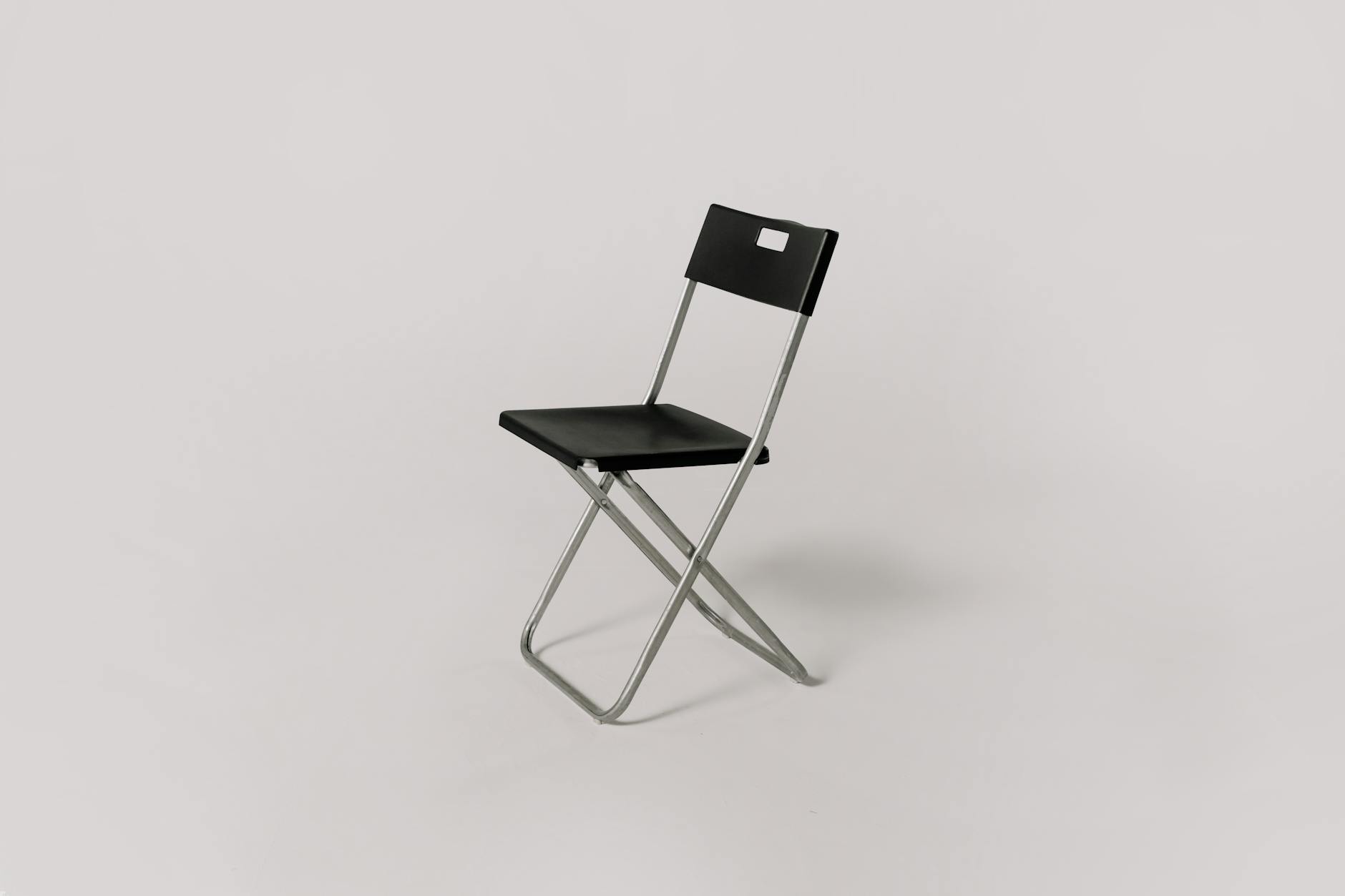
The single most important piece of furniture for someone with dementia is their chair. It’s where they spend the most waking time, and the transition from sitting to standing is one of the highest-risk moments for a fall. Research from Seating Matters has found that higher seat height, reduced posterior seat tilt, and firmer seat surfaces all make sit-to-stand transfers easier for older adults, including those with dementia. In practical terms, this means that a deep, plush armchair that feels luxurious is actually one of the worst options “” it’s harder to get out of, and the person may struggle or fall trying. Chairs should have armrests. This is a straightforward recommendation from the Alzheimer’s Association’s home safety guidelines: armrests give the person something to push against when rising, distributing the effort across both arms rather than relying on leg strength alone. Riser recliner chairs take this further by mechanically assisting the sit-to-stand transfer.
Models designed for dementia care use simplified controls “” color-coded remotes where green means recline and red means rise “” to reduce confusion. Some manufacturers, like Mobility Furniture Company and Repose Furniture, offer wired-in remotes rather than wireless ones, which solves the surprisingly common problem of a misplaced remote causing distress. However, riser recliners aren’t always the right choice. If the person has moderate to advanced dementia, the movement of the chair itself can be frightening or confusing if they don’t understand why the seat is tilting. Extra features like built-in massage should be lockable to prevent accidental activation, which can be startling. And for someone who is still relatively mobile and independent, an overly assistive chair can actually accelerate deconditioning “” if they never have to use their own muscles to stand, those muscles weaken faster. The right chair depends on the person’s current stage, not just their diagnosis.
How Color Contrast Reduces Confusion and Prevents Accidents
Color contrast is the single most impactful visual design principle in dementia-friendly environments, according to Alzheimer’s WA’s Enabling Environments research. The concept is simple: the greater the difference in tone between an object and its surroundings, the easier it is for someone with dementia to distinguish. Chair upholstery should contrast with the floor. Bathroom fixtures should contrast with walls and floors “” a white toilet against white tile on a white floor is functionally invisible to someone with impaired depth perception. The evidence for this goes beyond anecdote. A study at Boston University found that serving meals on red-colored flatware increased food consumption by 25 percent and liquid intake by 84 percent in dementia patients. The mechanism was contrast: the food was easier to see and identify against the colored plate.
The same principle applies to furniture. A dark blue armchair on a beige carpet is easier to navigate toward and sit in than a beige armchair on a beige carpet. Environmental design using contrast has been recognized as an effective nonpharmacological intervention associated with higher independence and wellbeing, according to research published in MDPI’s environmental design studies. A specific example: one family caring for a father with Lewy body dementia replaced their white dining chairs with dark walnut ones and added a contrasting table runner. He had been missing the chair when trying to sit “” not every time, but often enough to cause bruises and anxiety. The contrast made the chair visible as a distinct object rather than something that blended into the floor. This kind of change costs almost nothing. A bucket of paint for contrast work can run under $30, and it addresses a genuine perceptual deficit rather than just tidying up.

Practical Steps for Securing and Modifying Existing Furniture
Not every adaptation requires buying new furniture. The National Institute on Aging recommends securing all large furniture “” bookshelves, cabinets, large televisions “” to walls to prevent tipping. This is the same kind of anti-tip anchoring used for child safety, and it’s equally important for someone with dementia who might grab a bookshelf for balance. Corner guards or edge padding on sharp-cornered furniture is another low-cost fix that reduces injury severity without removing familiar pieces from the room. The tradeoff caregivers face is between decluttering and maintaining familiarity. TheKey, a dementia care organization, advises removing excess furniture from pathways and living spaces because clutter is both overwhelming and a trip hazard.
But the Alzheimer’s Association warns against rearranging, because consistency matters. The resolution is to remove items that serve no daily function “” a decorative end table in a hallway, an extra chair nobody sits in “” while leaving the core pieces exactly where they are. The goal is wider pathways and fewer obstacles, not a redesigned room. Start with non-invasive adjustments like improved lighting and decluttering before gradually incorporating handrails or furniture changes, as recommended by VNA Health Group. Cost is often less of a barrier than people assume. Alzheimer’s San Diego’s Universal Design guide notes that strategic furniture rearrangement costs nothing, a new bench or chair starts at about $50, and the contrast paint mentioned earlier is under $30. The most expensive changes “” profiling beds, riser recliners, bathroom renovations “” may be necessary eventually, but many families can make meaningful safety improvements for under $100 total as a starting point.
When Standard Furniture Adaptations Are Not Enough
As dementia progresses, furniture needs change in ways that simple modifications can’t address. Profiling beds “” hospital-style beds with adjustable height and positioning “” become important for people with declining mobility because they reduce the physical effort of getting in and out of bed and can be lowered close to the floor to minimize fall injury. Side rails may be appropriate for some individuals, though this is a decision that should involve a healthcare professional, because rails themselves can become an entrapment hazard if the person tries to climb over them. This is where occupational therapists become essential. OTs assess homes for accessibility, fall hazards, and the specific cognitive and sensory needs of the individual, then provide personalized furniture and modification recommendations.
Their value goes beyond safety checklists “” they can identify risks that a family member might miss, like a rug that shifts underfoot or a bathroom layout that forces an awkward turn. Research cited by Forward with Dementia Australia shows that home-based occupational therapy actually delays nursing home placement for people with dementia, which means the investment in a professional assessment can extend the time someone lives safely at home. A limitation worth noting: not all furniture marketed as “dementia-friendly” is well-designed. The National Council of Certified Dementia Practitioners advises avoiding clinical or institutional-looking furniture, because traditional, home-like furniture is calming and promotes familiarity. A medical-grade recliner that looks like it belongs in a hospital ward may be functionally superior but emotionally counterproductive. The best furniture for dementia safety looks like regular furniture “” it just happens to have the right seat height, the right contrast, sturdy armrests, and no sharp edges.

Investing in Adjustable and Modular Furniture for Long-Term Needs
Dementia is progressive, and what works at the point of diagnosis may not work two or three years later. The NCCDP caregiver guide recommends investing in adjustable or modular furniture that can adapt as the person’s needs change. A dining chair with removable armrests, a bed frame with adjustable height, or a modular shelving system that can be simplified over time “” these choices avoid the cycle of buying, replacing, and reintroducing unfamiliar items into the home.
Universal Design principles support this approach. Alzheimer’s San Diego describes Universal Design “” planning environments to be usable by as many people as possible without special accommodations “” as the gold standard for dementia-friendly living spaces. A bathroom designed with grab bars, a walk-in shower, and contrasting fixtures from the start doesn’t need to be retrofitted later. The same principle applies to furniture: choosing pieces that work across a range of mobility and cognitive levels means fewer disruptive changes down the road.
The Scale of the Challenge Ahead
The numbers make one thing clear: dementia furniture safety is a growing public health concern, not a niche topic. A 2025 study estimates a 42 percent lifetime risk of dementia after age 55, over double previous estimates. Globally, at least 55 million people are living with Alzheimer’s or other dementias, with over 10 million new cases each year “” one new case every 3.2 seconds. That number is projected to reach 152 million worldwide by 2050.
These projections mean that furniture manufacturers, home designers, and caregivers will increasingly need to think about cognitive accessibility alongside physical accessibility. The good news is that many of the most effective adaptations are simple, affordable, and don’t require specialized products. The principles “” contrast, stability, consistency, and simplicity “” can be applied to almost any home with furniture that already exists. What’s needed most is awareness that the home environment, and the furniture in it, is not neutral. It either supports safety or it doesn’t, and the difference is often a matter of small, deliberate choices.
Conclusion
Adapting furniture for dementia safety comes down to a handful of principles applied consistently: use color contrast so furniture is visually distinct from its surroundings, choose seating with firm surfaces, appropriate height, and armrests for safe sit-to-stand transfers, secure heavy pieces to walls, remove sharp edges and glass surfaces, and keep the layout stable. These changes address the core risks “” falls, confusion, and disorientation “” that make standard home furniture dangerous for people with impaired cognition and depth perception. Most of the highest-impact modifications cost little or nothing.
As needs progress, professional assessment from an occupational therapist and investment in adjustable furniture like profiling beds and riser recliners become more important. The key is to start with what you can do today “” declutter pathways, improve contrast, pad sharp corners “” and build from there. Every adaptation should balance safety with familiarity, because a home that looks and feels institutional can undermine the emotional wellbeing that a safe environment is supposed to protect.
Frequently Asked Questions
How much does it cost to make furniture dementia-safe?
Many effective changes are free or very low-cost. Strategic rearrangement costs nothing, contrast paint runs under $30, and a new supportive chair or bench can start at about $50. More specialized items like riser recliners or profiling beds are more expensive, but they’re typically needed in later stages, not at diagnosis.
Should I remove all the furniture from the room to prevent falls?
No. Removing too much furniture can be just as disorienting as having too much. The goal is to clear pathways and eliminate trip hazards while keeping familiar, functional pieces in their usual places. A person with dementia relies on spatial memory, and an empty or rearranged room can cause confusion and anxiety.
Are glass tables really dangerous for someone with dementia?
Yes. The Alzheimer’s Society UK specifically recommends removing glass tables and reflective surfaces. Dementia affects depth perception, so a glass surface may not be perceived as solid, or reflections may be misinterpreted as other people or rooms. This can cause both confusion and physical accidents.
What type of chair is safest for someone with dementia?
A chair with a firm seat surface, higher seat height, minimal backward tilt, and sturdy armrests. These features make it easier to stand up without assistance. Riser recliner chairs with simplified, color-coded controls are an option for people who need mechanical assistance, but they’re not appropriate for everyone “” the movement can be confusing for some individuals.
Should I hire an occupational therapist?
If budget allows, yes. Occupational therapists provide personalized assessments that account for the specific person’s cognitive and physical abilities, not just general guidelines. Research shows that home-based occupational therapy can delay nursing home placement, which often makes the cost of an assessment a worthwhile investment.
Does paint color really make a difference?
It does. Research demonstrates that color and tone contrast is the most important visual design principle in dementia-friendly environments. A Boston University study found that high-contrast tableware increased food intake by 25 percent and liquid intake by 84 percent in dementia patients. The same perceptual principle applies to furniture “” contrast makes objects visible and identifiable.