Understanding what’s the best support pillow for alzheimer’s caregivers? is essential for anyone interested in dementia care and brain health. This comprehensive guide covers everything you need to know, from basic concepts to advanced strategies. By the end of this article, you’ll have the knowledge to make informed decisions and take effective action.
Table of Contents
- Why Do Dementia Patients Need Specialized Neck Support Pillows?
- How Activity Pillows Help Reduce Anxiety and Restless Behavior
- What Does Research Say About Weighted Pillows for Dementia?
- Comparing the Three Types: Which Pillow Solves Which Problem?
- Safety Concerns and When to Avoid Certain Pillows
- The Caregiver’s Own Need for Support
- Looking Ahead: Support Products Continue to Evolve
- Conclusion
Why Do Dementia Patients Need Specialized Neck Support Pillows?
As Alzheimer’s disease progresses, many patients lose the muscle tone and awareness needed to hold their heads upright. This leads to what caregivers call “the slump”””a forward or sideways collapse of the head and neck that looks uncomfortable and can actually cause pain, breathing difficulties, and skin breakdown over time. Standard travel pillows don’t solve this problem because they’re designed for brief naps, not all-day support, and they can’t attach to wheelchairs or recliners where people with dementia spend hours each day. The Tausi Pillow addresses this gap with a practical design insight: rather than selling another bulky pillow, it’s a pillowcase system with a built-in U-shaped foam insert.
This means caregivers can use any pillow they already own, and the straps allow it to attach securely to chairs. Medical professionals have endorsed this approach””one practitioner noted they would be recommending it to patients with neck and back pain at their medical practice. The product emerged from real caregiving experience, not abstract design, which matters when you’re dealing with the unpredictable challenges of dementia care. However, neck support pillows work best for patients who are relatively calm while seated. If your loved one frequently tries to remove pillows or becomes agitated by things touching their neck, you may need to try the pillow during calmer periods first or consider whether a different support approach””like a better-fitting wheelchair with built-in head support””might be more appropriate.

How Activity Pillows Help Reduce Anxiety and Restless Behavior
Activity pillows, sometimes called fidget pillows, serve a completely different function than physical support pillows. These are designed to occupy restless hands””a common behavior in mid-to-late stage Alzheimer’s where patients pick at clothing, skin, or bedding. The ODOXIA Dementia Pillow, first available in December 2020, measures 12.6 x 12.6 inches and weighs just under 10 ounces, making it easy to place on a lap or beside a seated patient. It includes various textures and activities designed to provide sensory stimulation without frustration. The AlzStore Denim Activity Lap Pillow takes a slightly different approach, featuring buckles, straps, and pockets that mimic everyday objects.
This design taps into procedural memory””the type of memory that often remains intact longer in Alzheimer’s patients. Someone who can no longer remember their grandchildren’s names may still know how to buckle a belt or zip a pocket, and engaging these preserved abilities can provide a sense of accomplishment and calm. The AlzStore version ships free, while UK pricing for similar fidget muffs runs around £19.99. The limitation with activity pillows is that they’re not a universal solution for agitation. Some patients find them engaging; others ignore them completely or become frustrated when they can’t figure out the activities. The best approach is to introduce them during relatively calm periods and observe the response before relying on them during high-anxiety situations.
What Does Research Say About Weighted Pillows for Dementia?
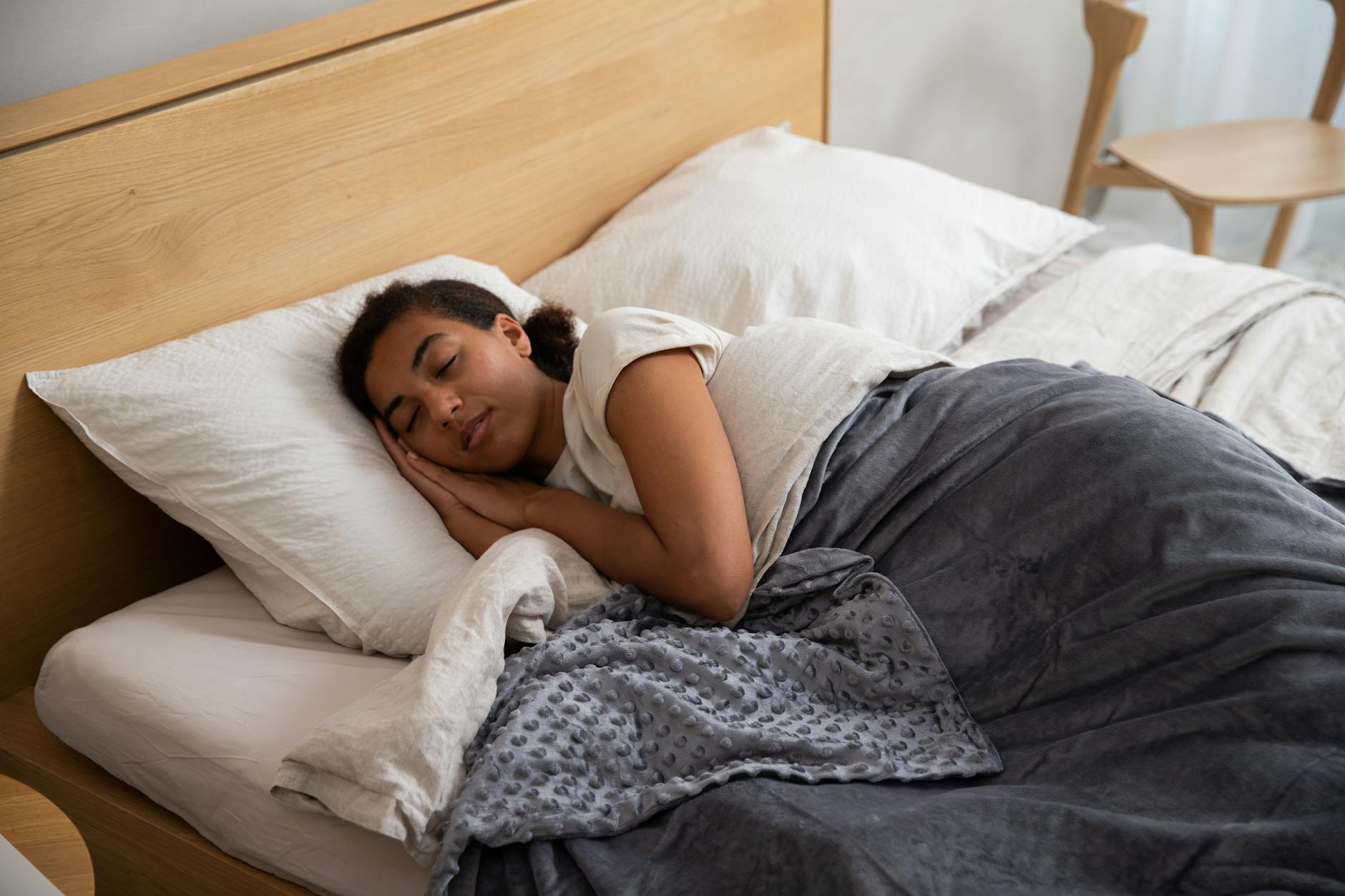
Weighted pillows and blankets use deep pressure stimulation””essentially, the calming effect of a firm hug””to reduce anxiety and improve sleep. A University of Tokyo case study documented an Alzheimer’s patient in her 80s who increased her average sleeping hours to nearly 9 hours per night with weighted therapy and woke up during the night half as often as before. Broader research suggests deep pressure stimulation can reduce anxiety by up to 63%, which is significant for dementia patients who often experience sundowning, nighttime wandering, and general restlessness. Weighted lap pillows offer specific advantages over weighted blankets for elderly dementia patients. They’re smaller and lighter, which reduces the risk of overheating””a genuine concern for seniors who may have impaired temperature regulation.
They also don’t restrict movement the way a full blanket can, making them safer for patients who need to get up during the night or who might panic if they feel trapped. That said, weighted products require careful consideration and often a doctor’s approval. Seniors with respiratory problems, circulatory issues, or temperature regulation difficulties may not be good candidates. The weight that feels calming to one person can feel restrictive or even dangerous to another. Start with lighter weights and shorter periods, and always monitor how the patient responds.
Comparing the Three Types: Which Pillow Solves Which Problem?
Choosing the right support pillow requires matching the product to the specific challenge you’re facing. Neck support pillows like the Tausi solve postural problems””the patient who can’t hold their head up while sitting. Activity pillows solve behavioral problems””the restless hands that pick and fidget and sometimes cause skin damage. Weighted pillows solve anxiety and sleep problems””the agitation, the nighttime waking, the general sense of unease that many dementia patients experience. The tradeoff between these categories isn’t just about function; it’s also about caregiver capacity.
Neck pillows are largely passive once set up””you position them and they work. Activity pillows require some patient engagement and may need to be refreshed or rotated as interest wanes. Weighted pillows need the most careful monitoring, especially initially, to ensure they’re helping rather than causing distress or physical problems. Some caregivers find they need all three types at different times of day or disease progression. A patient might use a neck support pillow during daytime chair sitting, an activity pillow during the late afternoon sundowning period, and a weighted lap pillow during evening television time to promote calm before bed.
Safety Concerns and When to Avoid Certain Pillows
Not every support pillow is appropriate for every patient, and the risks increase as dementia progresses. Weighted products carry the most significant safety considerations. Patients with chronic obstructive pulmonary disease (COPD), heart conditions, or circulatory problems should not use weighted blankets or pillows without explicit medical approval. The same applies to patients with skin integrity issues, where sustained pressure can accelerate breakdown. For neck support pillows, the main concern is patient acceptance. Some people with dementia become combative when objects are placed around their neck, interpreting the sensation as threatening.
Others may repeatedly remove the pillow, creating a cycle of frustration for both patient and caregiver. If a patient consistently fights a neck pillow, forcing the issue isn’t worth the stress””alternative positioning strategies or different equipment may be necessary. Activity pillows have fewer physical safety risks but can still cause problems. Small detachable parts could become choking hazards for patients who mouth objects. Strings or straps could potentially wrap around fingers or wrists. When selecting activity pillows, look for well-constructed options without small removable pieces, and check them regularly for wear.

The Caregiver’s Own Need for Support
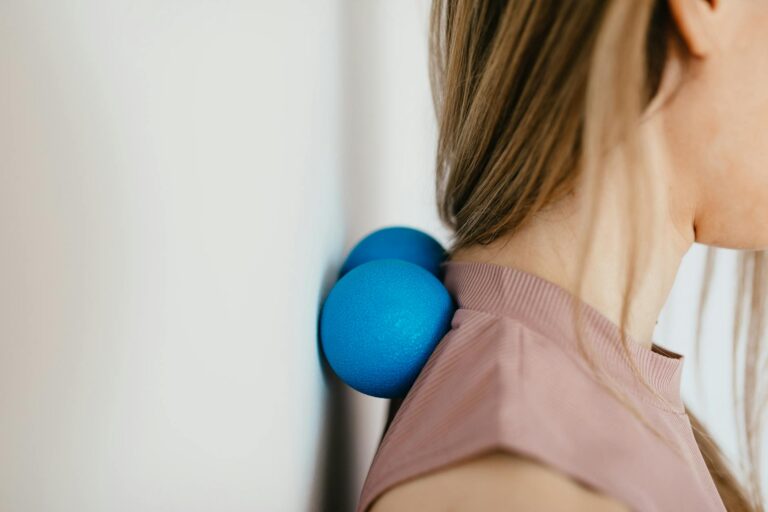
While this article focuses on pillows for dementia patients, caregivers themselves often develop neck pain, back problems, and physical exhaustion from the demands of care. The same Tausi Pillow that supports a patient’s neck can help a caregiver who has been straining during long hours of supervision. Weighted pillows and blankets have shown benefits for caregiver stress and anxiety as well””the same deep pressure stimulation that calms dementia patients can help exhausted family members sleep better.
Seventy percent of dementia caregivers report that coordinating care is stressful, and the total cost of dementia care is projected to reach $360 billion””a $15 billion increase from the prior year. These numbers reflect real human strain. Research has shown that caregivers who received education, counseling, and support kept their loved ones at home 329 days longer on average. Investing in tools that make daily care more manageable isn’t indulgent; it’s strategic.
Looking Ahead: Support Products Continue to Evolve
The market for dementia care products has grown substantially as awareness increases and the population ages. Products like the Tausi Pillow demonstrate how innovation often comes from caregivers themselves””people who experienced a problem firsthand and designed a solution.
Janice Shokrian didn’t set out to start a pillow company; she saw her father uncomfortable in his memory care unit and created something to help him. Future developments will likely include more customizable options, better integration with medical equipment like wheelchairs, and potentially smart features that can alert caregivers to changes in patient position or movement. For now, the fundamentals remain: identify the specific problem, match it to the right type of pillow, monitor safety, and remember that no single product works for every patient.
Conclusion
The best support pillow for Alzheimer’s caregivers is the one that addresses your specific challenge. For postural support, the Tausi Pillow’s innovative pillowcase-and-strap system offers a practical solution born from real caregiving experience. For restless behavior, activity pillows like the ODOXIA or AlzStore Denim Lap Pillow can occupy hands and engage preserved procedural memory.
For anxiety and sleep problems, weighted pillows offer research-backed benefits, with studies showing significant improvements in sleep duration and anxiety levels. Whatever you choose, introduce new products gradually, monitor patient response carefully, and consult with healthcare providers about weighted products for patients with respiratory or circulatory conditions. Caregiving is a marathon, not a sprint. The right support tools can make individual days more manageable and help sustain the care relationship over the long progression of this disease.