Understanding what’s the best smart speaker setup for dementia assistance? is essential for anyone interested in dementia care and brain health. This comprehensive guide covers everything you need to know, from basic concepts to advanced strategies. By the end of this article, you’ll have the knowledge to make informed decisions and take effective action.
Table of Contents
- Which Smart Speaker Offers the Best Features for Daily Dementia Care?
- Understanding Alexa Together: Is the Subscription Worth the Monthly Cost?
- How Voice Assistants Support Daily Routines and Medication Management
- Adaptive Settings That Make Smart Speakers More Accessible
- Common Challenges and Limitations Families Should Expect
- Choosing Between Budget and Premium Setups
- What Research Suggests About Long-Term Benefits
Which Smart Speaker Offers the Best Features for Daily Dementia Care?
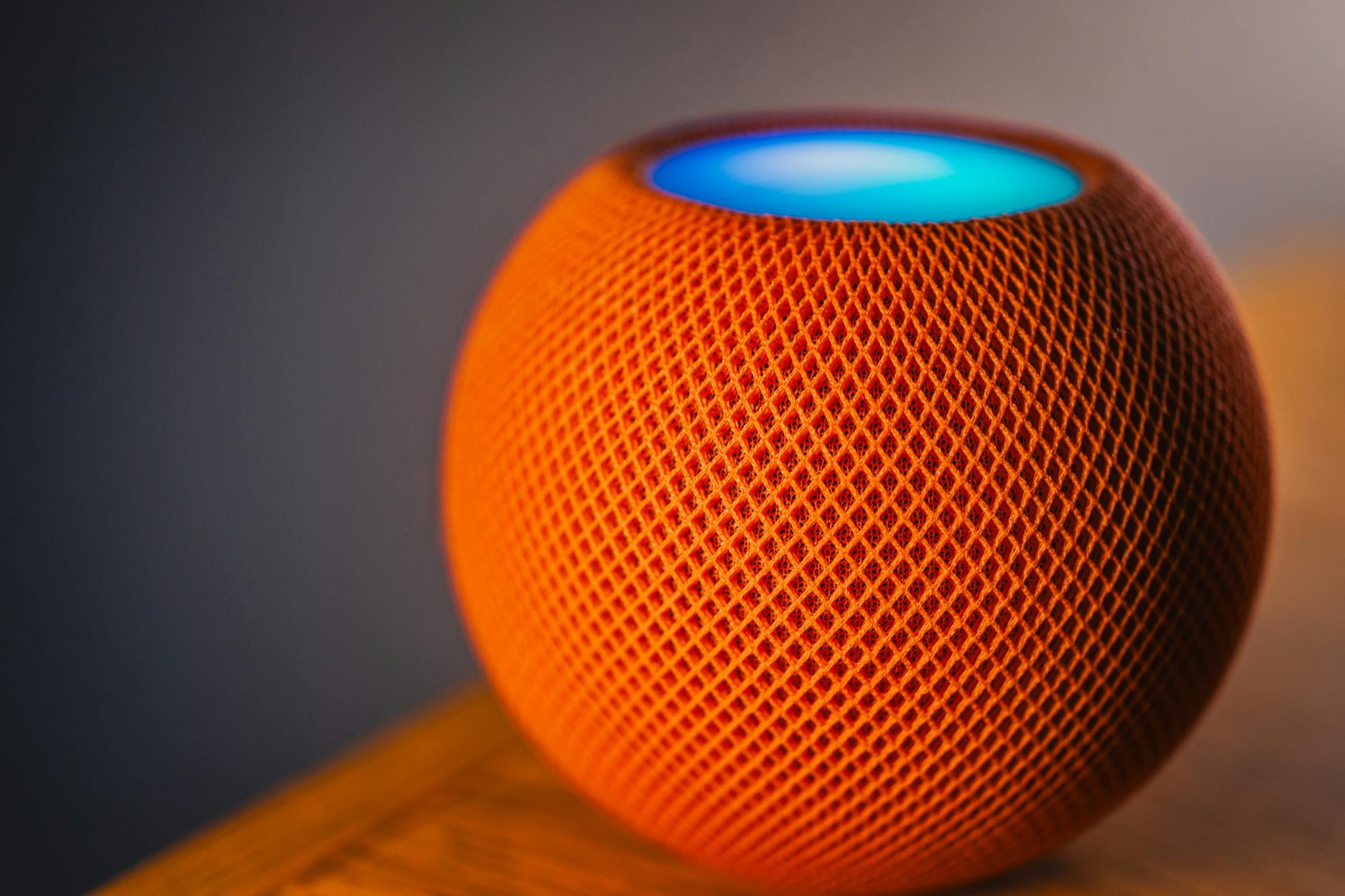
Amazon’s Echo line currently dominates the market for dementia assistance due to its specialized subscription service and extensive smart home compatibility. The Echo Dot (5th Generation), priced between $32 and $50, works well for families testing whether voice assistance will help their loved one. However, the screen-equipped models offer significant advantages for people with dementia. The Echo Show 5 at $90 provides a small visual display, while the Echo Show 8 (3rd Generation) at $130 offers a larger 8-inch touchscreen that makes medication reminders, calendar appointments, and video calls substantially easier to see and understand. Google Nest devices present an alternative worth considering, particularly because Google Assistant reportedly requires less exact wording than Alexa.
For someone whose language abilities are declining, not needing to remember precise command phrases can reduce frustration considerably. Google Nest offers free calling within the United States and Canada and provides similar routine and reminder capabilities. However, Google lacks an equivalent to Amazon’s Alexa Together subscription service, which means families lose access to activity monitoring and urgent response features. Neither platform can directly contact emergency services, though both can call designated family members or caregivers. The choice between platforms often comes down to whether the person with dementia will use the device independently or primarily receive assistance through it. If the goal is maximum independence with safety monitoring, the Amazon ecosystem currently provides more comprehensive tools.
Understanding Alexa Together: Is the Subscription Worth the Monthly Cost?
Alexa Together costs $19.99 per month or $199 annually, which works out to roughly $17 monthly with the yearly plan. Amazon currently offers a six-month free trial, giving families time to evaluate whether the service genuinely helps their situation. The subscription includes several features specifically designed for aging and cognitively impaired users: 24/7 urgent response calls, activity monitoring that sends alerts when no movement or interaction is detected, fall detection with compatible devices, and a “Circle of Support” feature that allows up to ten caregivers to receive notifications and check in on one subscription. The Drop-In feature deserves special attention for dementia care. Unlike a standard video call that requires the recipient to accept the connection, Drop-In allows authorized caregivers to connect directly to the Echo device and see or speak with the person immediately. This matters enormously when someone cannot reliably answer a ringing device or may not understand what the ringing means.
Families report using Drop-In for quick welfare checks throughout the day without requiring any action from their loved one. However, Alexa Together has meaningful limitations. The activity monitoring works by tracking interactions with the Echo device itself, not movement throughout the home. If someone stops using the device but remains active, the system may generate false alarms. Conversely, someone who becomes incapacitated in a room without an Echo device will not trigger the inactivity alert. Families should view this service as one layer of safety, not a comprehensive monitoring solution.
How Voice Assistants Support Daily Routines and Medication Management
Programmable reminders represent one of the most practical applications for dementia assistance. Caregivers can set recurring alerts for meals, medications, hydration, and appointments. When paired with a screen-equipped device, these reminders appear visually while Alexa announces them verbally, providing multiple cues that increase the likelihood of compliance. Research findings indicate that 75% of elderly participants in one feasibility study used their smart speakers daily, suggesting high adoption rates when devices are properly configured. The Routines feature allows caregivers to program sequences of actions triggered by simple phrases.
Saying “Alexa, good morning” might turn on the bedroom lights, announce the day’s weather and schedule, remind the person to take morning medications, and start playing familiar music. This transforms a potentially confusing series of morning tasks into a single, manageable prompt. For someone in the middle stages of dementia who struggles with sequencing and initiation, these automated routines can maintain functional independence longer than unassisted efforts. Smart home integration extends voice control to lights, locks, thermostats, and security cameras through Amazon Smart Plugs and compatible devices. A person who forgets to turn off lights or struggles with thermostat controls can simply ask Alexa to make adjustments. This reduces the cognitive load of daily living tasks while maintaining a sense of agency and control.

Adaptive Settings That Make Smart Speakers More Accessible
Standard voice assistants assume a neurotypical user who speaks clearly, responds quickly, and remembers how to phrase commands. People with dementia often struggle with all three. Fortunately, both Amazon and Google have introduced accessibility features that help bridge this gap. Alexa’s Adaptive Listening extends the response time before the system begins processing speech, giving users more time to formulate their thoughts and complete their sentences. The Adjustable Speaking Rate allows caregivers to slow down Alexa’s responses, making information easier to follow. The KOVOQ 1-Touch Smart Speaker Controller offers a specialized solution for people who cannot reliably remember or speak voice commands.
This accessory features six large, labeled buttons that activate pre-recorded voice commands when pressed. Rather than saying “Alexa, call my daughter,” the user simply presses a button labeled with a phone icon or family member’s name. The device works through an iOS app, limiting its compatibility, but for the right family it transforms an unusable technology into something genuinely helpful. This type of adaptation acknowledges that dementia affects people differently, and the best setup for one person may not work for another. These accessibility features require intentional configuration. Out of the box, smart speakers assume default settings that may frustrate or confuse users with cognitive impairment. Caregivers should plan to spend time adjusting response speeds, setting up simplified commands, and testing the system with their loved one before relying on it.
Common Challenges and Limitations Families Should Expect
Smart speakers cannot solve the fundamental challenges of dementia care. Research quality in this area remains limited, with only 40% of 20 reviewed studies achieving high methodological quality scores. While an 8-week smart speaker-based memory training study showed significant improvements in digit span tests among older adults, these devices should not be viewed as treatments for cognitive decline. They are tools for managing daily life, not therapies for the underlying condition. Several practical problems emerge with regular use. People with dementia may forget the device exists, remove it from the room, or become frightened by unexpected voice announcements.
The wake word “Alexa” can be accidentally triggered by television programs or conversations, causing confusion. Some users develop paranoid thoughts about the device listening to them, which may have some basis given how these devices function. Power outages disable the system entirely, and internet connectivity problems render it useless. Privacy concerns deserve serious consideration. These devices send voice recordings to company servers for processing, and families must weigh the benefits of remote monitoring against the surveillance implications for their loved one. Someone in the early stages of dementia may legitimately object to Drop-In features that allow family members to appear on screen without permission. These conversations should happen while the person can still participate in decisions about their own care.
Choosing Between Budget and Premium Setups
Families working with limited budgets can start with a single Echo Dot at $32 and no subscription, using only the free reminder and calling features. This approach allows testing whether the person with dementia will engage with voice technology before investing further. The free Alexa app provides basic activity feeds showing when the device was used, offering some insight into daily patterns without the Alexa Together subscription cost.
A mid-range setup pairs the Echo Show 8 at $130 with the Alexa Together annual subscription at $199 per year. This combination delivers the most critical features: visual reminders, video calling, Drop-In capability, activity monitoring, and urgent response. For most families providing remote care for a loved one with moderate dementia, this represents the practical sweet spot between functionality and cost. Adding one or two smart plugs for lamp control typically costs another $20-40 and meaningfully extends the system’s usefulness.
What Research Suggests About Long-Term Benefits
The existing research on smart speakers for dementia care, while limited in scope, points toward genuine utility. Studies consistently find high daily usage rates among elderly participants and measurable assistance with basic activities of daily living.
The memory training research showing improvement in digit span tests suggests potential cognitive benefits beyond simple task management, though this area requires more investigation before drawing firm conclusions. Looking forward, both Amazon and Google continue developing features for aging users, and specialized accessories like the KOVOQ controller indicate market recognition that standard interfaces do not serve everyone. Families adopting these technologies now should expect continued improvements in accessibility and dementia-specific features, but should also maintain realistic expectations about what any device can accomplish for a progressive neurological condition.