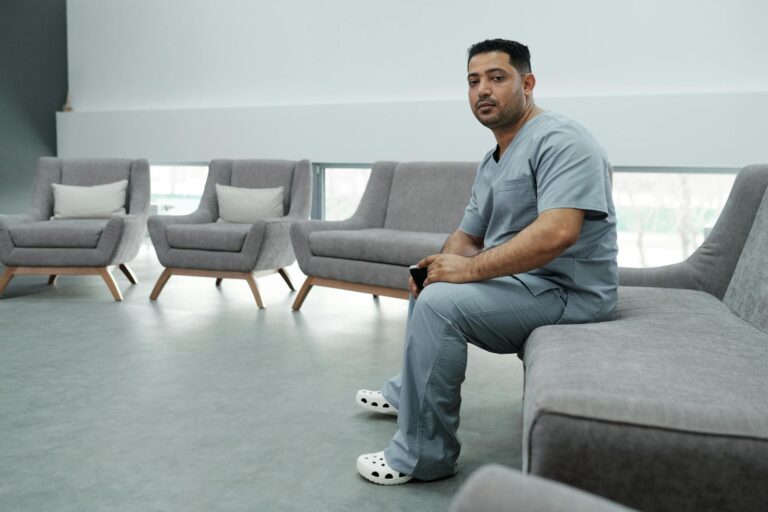
The best seating support for dementia patients during observation periods is typically a chair that combines postural stability, pressure redistribution, and gentle restraint-free containment, most commonly achieved through specialized geriatric recliners or tilt-in-space chairs with padded lateral supports and waterfall seat edges. For example, a memory care unit conducting 15-minute neurological observation checks after a fall might seat a resident in a tilt-in-space chair that keeps the patient visible to staff, discourages unsafe stand-up attempts through positioning rather than physical restraint, and reduces the risk of pressure injury during prolonged sitting. These chairs are not one-size-fits-all, and the right choice depends heavily on the individual’s stage of dementia, mobility level, and the specific clinical reason for the observation period.
This article covers how different types of seating support address the unique challenges of dementia care during observation, from post-fall monitoring to behavioral watch periods. It explores the clinical reasoning behind chair selection, the risks of getting it wrong, how to balance safety with dignity, and the practical realities of outfitting a care setting with appropriate seating. It also addresses common mistakes facilities make, the role of occupational therapy assessments, and how seating needs change as dementia progresses.
Table of Contents
- Why Does Seating Support Matter So Much for Dementia Patients Under Observation?
- How Tilt-in-Space Chairs Differ from Standard Recliners for Dementia Observation
- The Role of Occupational Therapy in Seating Assessments for Observation Periods
- Comparing Pressure-Redistribution Cushions for Extended Observation Seating
- Common Mistakes Facilities Make with Dementia Observation Seating
- How Seating Needs Change Across the Stages of Dementia
- Emerging Approaches to Observation Seating in Dementia Care
- Conclusion
- Frequently Asked Questions
Why Does Seating Support Matter So Much for Dementia Patients Under Observation?
Observation periods in dementia care arise in several contexts: after a fall or near-fall, during acute behavioral episodes, following medication changes, after a seizure, or when a patient is newly admitted and staff are establishing baseline behaviors. During these windows, patients may be required to remain seated and visible to clinical staff for extended stretches, sometimes several hours at a time. The wrong seating arrangement can create a cascade of problems. A standard dining chair offers no postural support for someone with trunk instability, increasing fall risk from a seated position. A wheelchair left in a locked position can cause pressure injuries and agitation. A beanbag or overly soft surface can make it nearly impossible for a patient with moderate dementia to reposition themselves, creating both skin integrity and dignity concerns. The reason seating matters more for dementia patients than for the general geriatric population is that cognitive impairment fundamentally changes the person’s ability to recognize and respond to discomfort. A cognitively intact older adult who feels pressure building on their ischial tuberosities will shift their weight.
A person in the middle to late stages of Alzheimer’s disease may not process that sensation or may lack the executive function to act on it. Similarly, a person experiencing sundowning-related agitation may attempt to stand repeatedly from an unsuitable chair, increasing injury risk with each attempt. The seating itself becomes a clinical intervention, not just furniture. Compare, for instance, a standard hospital-style recliner with a geri-chair equipped with a flip-up tray table. The recliner allows more freedom of movement but offers minimal lateral support and no way to keep the patient from sliding forward. The geri-chair with a tray provides containment but historically has been classified as a restraint in many regulatory frameworks, which brings legal and ethical complications. Neither option is universally correct. The clinical context, the patient’s specific impairments, and the facility’s regulatory environment all factor into the decision.
How Tilt-in-Space Chairs Differ from Standard Recliners for Dementia Observation
Tilt-in-space seating has become the preferred option in many progressive memory care settings because it addresses several problems simultaneously. Unlike a standard recliner, which changes the angle between the seat and the backrest, a tilt-in-space mechanism keeps the seat-to-back angle constant while tilting the entire seating system backward. This matters clinically because it redistributes pressure across a larger body surface area without creating the shearing forces that contribute to skin breakdown. For a dementia patient who cannot reliably shift their own weight during a long observation period, this distinction is significant. The tilt also provides a passive positioning benefit that reduces unsafe standing attempts. When tilted back modestly, the chair uses gravity to keep the patient seated without straps, lap belts, or tray tables that would constitute a physical restraint.
This is a critical consideration in the United States, where the Centers for Medicare and Medicaid Services has historically taken a firm stance against the use of physical restraints in long-term care, and in the United Kingdom, where the Mental Capacity Act frames restraint in terms of proportionality and best interest. A well-chosen tilt-in-space chair can reduce or eliminate the perceived need for restraint during observation periods. However, tilt-in-space chairs are not appropriate for every patient or every situation. If the observation period requires the patient to eat, drink, or participate in activities, excessive tilt can create aspiration risk and make functional engagement impossible. Patients with severe kyphosis or fixed spinal deformities may not tolerate the seat-to-back angle of certain tilt-in-space models. And for patients in early-stage dementia who are mobile and cognitively capable of safe transfers, placing them in a tilt-in-space chair during observation can feel infantilizing and may provoke resistance or agitation, the opposite of the intended effect.
The Role of Occupational Therapy in Seating Assessments for Observation Periods
An occupational therapist’s seating assessment is arguably the most underutilized tool in dementia observation care. These assessments evaluate the patient’s trunk control, pelvic stability, upper and lower extremity range of motion, skin integrity, and cognitive-behavioral profile to recommend a specific seating system rather than defaulting to whatever chair happens to be available on the unit. For example, an OT assessing a patient with moderate vascular dementia and a history of left-sided neglect might recommend a chair with enhanced left lateral support, a slight posterior tilt, and a seat cushion with a pre-ischial bar to prevent forward sliding, a setup that no off-the-shelf recliner could provide. In many facilities, seating decisions during observation periods are made by nursing staff based on availability rather than clinical indication.
This is understandable given staffing pressures, but it leads to suboptimal outcomes. A patient placed in a wheelchair with a sling seat for a four-hour behavioral observation will almost certainly develop increased pelvic obliquity over that period, which can worsen postural asymmetry and create pressure points. The occupational therapist’s role is to bridge the gap between what is available and what is clinically appropriate, sometimes by modifying existing equipment with cushions, wedges, or lateral bolsters rather than requisitioning entirely new chairs. Facilities that invest in routine seating assessments for their dementia populations tend to see reductions in both fall rates and pressure injury incidence, though specific outcome data varies widely by setting and study methodology. The key takeaway is that seating during observation should be prescribed, not improvised, whenever possible.

Comparing Pressure-Redistribution Cushions for Extended Observation Seating
Even the best-designed chair frame is only as good as the cushion interface between the patient and the seat. For dementia patients during observation periods, cushion selection involves tradeoffs between pressure redistribution, postural stability, and maintenance practicality. The three main categories are foam cushions, gel or fluid-based cushions, and alternating-pressure air cushions, each with distinct advantages and limitations. High-density contoured foam cushions are the most common option in care settings. They provide reasonable pressure redistribution and good postural support, particularly models with ischial cutouts or pre-contoured wells that keep the pelvis in a neutral position. They are also lightweight, easy to clean with a wipeable cover, and do not require electricity or maintenance.
The limitation is that foam degrades over time, losing its pressure-redistributing properties, and many facilities do not have replacement schedules in place. A foam cushion that has been in use for a year or more may offer little more protection than the bare seat surface. Gel and fluid-based cushions, such as those using viscous fluid bladders, provide superior pressure redistribution for patients at high risk of skin breakdown. They conform more dynamically to the patient’s anatomy. However, they are heavier, which complicates chair transfers, and some models can feel unstable to patients with poor trunk control, potentially increasing anxiety or agitation in someone with dementia. Alternating-pressure air cushions are generally reserved for the highest-risk patients, those with existing pressure injuries or those seated for very long periods, but they require a power source, produce a faint mechanical hum, and may be disorienting to some dementia patients. The right choice depends on the individual’s skin risk profile, cognitive tolerance, and the expected duration of the observation period.
Common Mistakes Facilities Make with Dementia Observation Seating
One of the most persistent errors in dementia care settings is using wheelchairs as default observation seating. Wheelchairs are mobility devices, not seating systems. Their sling seats promote posterior pelvic tilt and sacral sitting, their armrests are typically too low or too high for comfortable upper extremity support, and their footrests frequently go maladjusted, leaving feet dangling or knees at awkward angles. A patient parked in a wheelchair at the nursing station for a three-hour observation period is at elevated risk for pressure injury, postural deterioration, and agitation from discomfort they may not be able to articulate. Another common mistake is treating all observation periods as equivalent. A 30-minute post-medication observation has fundamentally different seating requirements than a 12-hour behavioral watch.
Short observations may be perfectly well served by a supportive armchair with a pressure-relieving cushion. Extended observations demand more sophisticated seating with tilt capability, alternating pressure surfaces, and the ability to reposition the patient without a full transfer. Facilities that use a single seating solution for all observation scenarios inevitably compromise care for some patients. A subtler but equally problematic error is failing to account for the sensory environment of the seating. Vinyl-covered chairs in cold clinical corridors create a very different experience than fabric-upholstered chairs in a warm, well-lit common area. For a dementia patient who may already be disoriented and anxious, the tactile and thermal qualities of the seating surface matter. Cold, slippery vinyl can provoke agitation and repeated attempts to stand, which staff may then interpret as a need for more restrictive seating, creating a counterproductive cycle.
How Seating Needs Change Across the Stages of Dementia
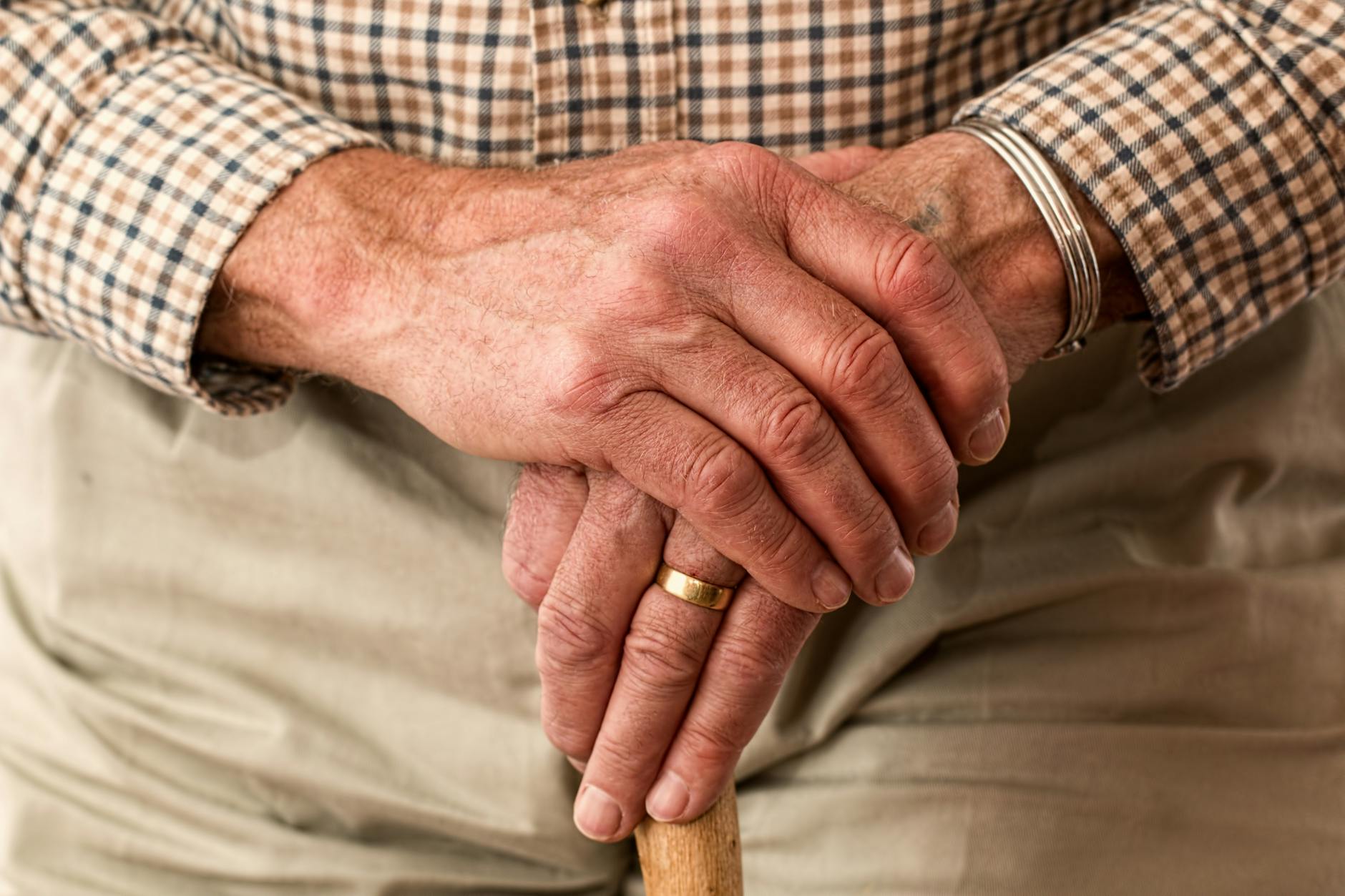
In early-stage dementia, the person typically retains enough mobility and judgment to use standard seating safely during observation periods, and the primary concern is comfort and dignity. A well-cushioned armchair in a common area, one that allows the person to stand independently but keeps them in staff sightlines, is often sufficient. Imposing specialized clinical seating at this stage can feel stigmatizing and may undermine the person’s remaining autonomy. As dementia progresses into the moderate and severe stages, the balance shifts.
Trunk instability, perceptual difficulties, impulsive movement patterns, and loss of safety awareness all increase the clinical demands on the seating system. A person in late-stage dementia who has lost the ability to sit unsupported may require a seating system with full trunk and head support, a deeply contoured seat, and specialized positioning accessories. Facilities should plan for this progression rather than reacting to it, ideally conducting seating reassessments at regular intervals or whenever there is a significant change in functional status. A chair that was appropriate six months ago may be dangerously inadequate today.
Emerging Approaches to Observation Seating in Dementia Care
The field of dementia seating is slowly evolving beyond the traditional dichotomy of standard chairs versus geri-chairs. Some manufacturers are developing seating systems with integrated pressure-mapping sensors that alert staff when a patient has been sitting too long without repositioning, or when pressure under the ischial tuberosities exceeds safe thresholds. Others are exploring chair designs informed by person-centered dementia care philosophies, seating that looks and feels like domestic furniture rather than clinical equipment, reducing institutional atmosphere while still providing the postural support and safety features that observation periods require.
Technology-assisted monitoring may also change the nature of observation periods themselves. If wearable sensors or room-based monitoring systems can provide continuous data on a patient’s movement patterns, vital signs, and behavioral state, the need for prolonged seated observation in staff sightlines could diminish, along with the seating challenges that come with it. These developments are still in relatively early adoption phases across most care settings, and cost remains a significant barrier, but they point toward a future where the question of observation seating may be reframed around quality of life rather than purely around risk mitigation.
Conclusion
Choosing the right seating support for dementia patients during observation periods requires clinical reasoning, not just furniture selection. The best outcomes come from matching the seating system to the individual patient’s postural needs, cognitive stage, skin integrity risk, and the specific nature of the observation period. Tilt-in-space chairs with pressure-redistributing cushions represent the current standard for extended observation in moderate to severe dementia, but they are not universally appropriate, and the involvement of an occupational therapist in seating decisions can prevent many of the most common and most harmful errors.
Facilities and family caregivers alike should resist the temptation to rely on a single default seating solution. The person with early-stage dementia being observed after a medication adjustment needs a different chair, in a different environment, with a different clinical rationale than the person with late-stage dementia under continuous behavioral observation. Asking what chair to use is the right starting question, but the better question is what does this specific person need, in this specific moment, to be safe, comfortable, and treated with dignity while they are being watched.
Frequently Asked Questions
Is a geri-chair with a tray table considered a restraint?
In many regulatory frameworks, yes. If the tray table prevents the patient from standing or exiting the chair independently, it meets the functional definition of a physical restraint regardless of intent. Facilities should consult their state or national guidelines, as interpretations can vary. Using a tilt-in-space positioning approach is generally considered a less restrictive alternative.
How often should a dementia patient be repositioned during a seated observation period?
Clinical guidelines generally recommend repositioning at least every two hours, but dementia patients with thin skin, poor nutrition, or existing pressure injuries may require more frequent repositioning. An individualized care plan, ideally informed by an occupational therapy assessment, should specify the interval.
Can family members bring in their own chair for a loved one during observation periods in a care facility?
This varies by facility policy. Some facilities allow personal seating if it meets safety and infection control standards. Others prohibit it due to liability concerns. It is worth asking, because a familiar chair from home can reduce agitation and improve the patient’s tolerance of the observation period.
What should I look for in a seating cushion for a dementia patient who sits for long periods?
Prioritize pressure redistribution over softness. A cushion that simply feels soft may bottom out under the patient’s weight, providing no meaningful pressure relief. Look for cushions with clinical pressure-mapping data supporting their effectiveness, wipeable and fluid-resistant covers, and a design that promotes neutral pelvic positioning rather than allowing the pelvis to slide forward.
Are standing-frame alternatives ever appropriate during dementia observation periods?
For some patients in early to moderate dementia who become more agitated when seated for long periods, supported standing frames or sit-to-stand devices can provide postural variety during observation. However, they require closer staff supervision, the patient must have sufficient lower extremity strength, and they are not suitable for patients with significant balance impairment or who cannot follow basic safety instructions.