
Best seating sits at the center of this dementia and brain health question.
The best seating support for Alzheimer’s patients without belts combines engineered chair design with proper fitting rather than relying on physical restraints. A chair with an angled seat rake (sloping toward the back), high arms with padding, and lateral support cushions keeps patients secure while allowing natural movement and maintaining dignity.
For example, a patient who previously slipped forward in a standard chair can remain stable in a properly designed dementia chair while caregivers can eliminate restraint belts entirely—improving circulation, reducing agitation, and preventing the serious health complications that come with physical restraints. Clinical research now confirms what occupational therapists have long advocated: the right chair design can achieve what restraints promised without the harm. This article explores the specific features that make a difference, the chairs backed by clinical evidence, how to assess whether a patient needs specialized seating, and practical steps for implementing these solutions in home and care settings.
Table of Contents
- Why Does Chair Design Matter More Than Restraints for Alzheimer’s Patients?
- What Specific Chair Features Keep Patients Stable Without Restraints?
- How Do Accredited Dementia Chairs Compare to Standard Seating?
- How Do You Determine If Your Relative Needs Specialized Seating?
- What Are the Hidden Harms of Physical Restraints That Make Chair Design the Better Choice?
- How Do Environmental Factors Work Together With Chair Design?
- What Does Evidence-Based Seating Support Look Like Moving Forward?
- Conclusion
Why Does Chair Design Matter More Than Restraints for Alzheimer’s Patients?
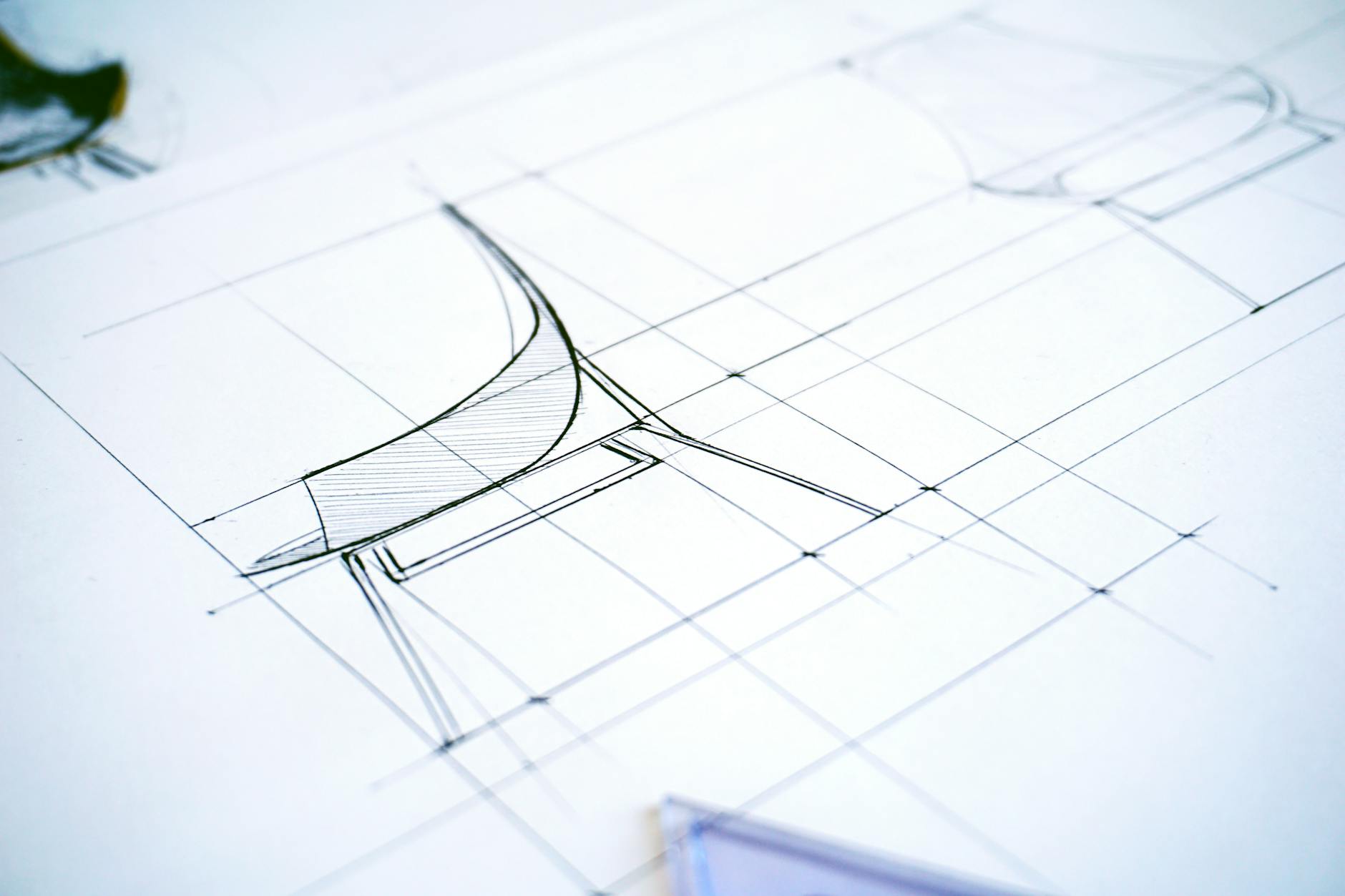
Restraint belts address a symptom—sliding or falling—without addressing the underlying problem: postural instability. When a person with Alzheimer’s cannot maintain proper posture, their body slides forward, they become uncomfortable, they move unpredictably, and care staff resort to belts to keep them in place. But clinical guidelines from the National Institutes of Health and Centers for Medicare & Medicaid Services show that physical restraints carry serious risks: they accelerate functional decline, cause muscle atrophy, increase pressure ulcer formation, trigger cardiovascular stress, and often heighten agitation and anxiety—making the original problem worse. A properly designed chair addresses the root cause. An angled seat rake naturally prevents forward sliding by geometry rather than force.
High arms with memory foam padding provide lateral support that reduces involuntary arm movements that lead to falls. The combination reduces the need for restraints at all. Research from seating Matters Australia demonstrates that their accredited dementia chairs achieved a 100% reduction in falls and sliding while simultaneously reducing pressure injuries by 75%—without a single restraint. This is the difference between managing a symptom and solving the problem. The evidence is clear enough that clinical guidelines now recommend restraint-free alternatives as the standard of care, with physical restraints considered only as an absolute last resort after all other interventions have been exhausted. If your care approach still centers on belts, the seating solution likely hasn’t been properly implemented yet.
What Specific Chair Features Keep Patients Stable Without Restraints?
Four design elements work together to provide security without restraints. First, seat rake—a slope angled back slightly—naturally counteracts the sliding motion that triggers instability. Second, higher seat height (not lower) actually makes sit-to-stand transfers safer because it requires less effort and allows better leverage. Third, firmer surfaces with reduced posterior tilt prevent the “sinking” feeling that makes patients feel insecure. Fourth, lateral supports and wedges on both sides stabilize the trunk and prevent shifting side-to-side.
High arms with memory foam padding address a specific problem often overlooked in standard chairs: when a person with Alzheimer’s loses voluntary control, their arms move involuntarily. Padded arms contain these movements, reduce impact injuries, and give the patient something to grip, which can be calming. Combined with proper seat height and angle, these features address the biomechanical reasons patients slide, fall, or become agitated while seated. However, if a patient has severe contractures, unusual body size, or particular movement patterns, off-the-shelf design might not be sufficient. This is where occupational therapy assessment becomes essential—not as a luxury, but as clinical standard practice. A trained occupational therapist evaluates the patient’s specific needs and can recommend modifications or custom solutions that generic seating cannot provide.
How Do Accredited Dementia Chairs Compare to Standard Seating?
Only two chairs worldwide currently hold accreditation from the University of Stirling’s dementia Services Development Centre (DSDC), the gold standard in dementia product evaluation: the Seating Matters Atlanta 2 and Sorrento 2. These chairs underwent clinical testing specifically designed to measure outcomes relevant to people with dementia—fall reduction, pressure injury prevention, stability during transfers, and effects on anxiety and depression. The clinical results are striking. Beyond the 100% reduction in falls and sliding, studies showed that patients using properly fitted accredited chairs experienced improved balance, better blood circulation, reduced muscle pain, and decreased anxiety and depression over time.
These aren’t minor tweaks—they’re measurable improvements in quality of life and physical health that standard chairs and restraint systems cannot deliver. A standard recliner might be comfortable for short periods, but it lacks the engineering that supports someone spending hours seated throughout the day. The difference between a “nice comfortable chair” and a dementia-specific chair is similar to the difference between supportive shoes and running shoes: one is more supportive for the specific activity. For someone with advanced Alzheimer’s who spends significant time seated, that specialization matters enormously.

How Do You Determine If Your Relative Needs Specialized Seating?
The most reliable way is formal occupational therapy assessment. An OT will observe your relative’s current seating behavior, test transfers, check for signs of poor positioning (skin damage from pressure, muscle tension, postural distortions), and evaluate their movement patterns and safety. They can identify specific problems—Is your relative sliding forward? Tilting to one side? Having trouble getting up?—and recommend solutions targeted to those problems. You can also observe warning signs yourself. If your relative slides forward regularly, needs help staying upright, seems uncomfortable or agitated while seated, has reddened skin on the buttocks or back after sitting, or requires multiple repositioning adjustments each hour, specialized seating likely would help.
Another sign: if you’re considering or already using restraints, that’s a strong indicator that the current seating setup isn’t meeting their postural needs. Compare what happens in their current chair to what might be possible. A patient who slides constantly in a standard armchair, becomes agitated, and requires repositioning every 30 minutes might sit stably and calmly for hours in proper seating. The difference is measurable and visible. Occupational therapy assessment formalizes this observation and creates a plan rather than leaving you to guess.
What Are the Hidden Harms of Physical Restraints That Make Chair Design the Better Choice?
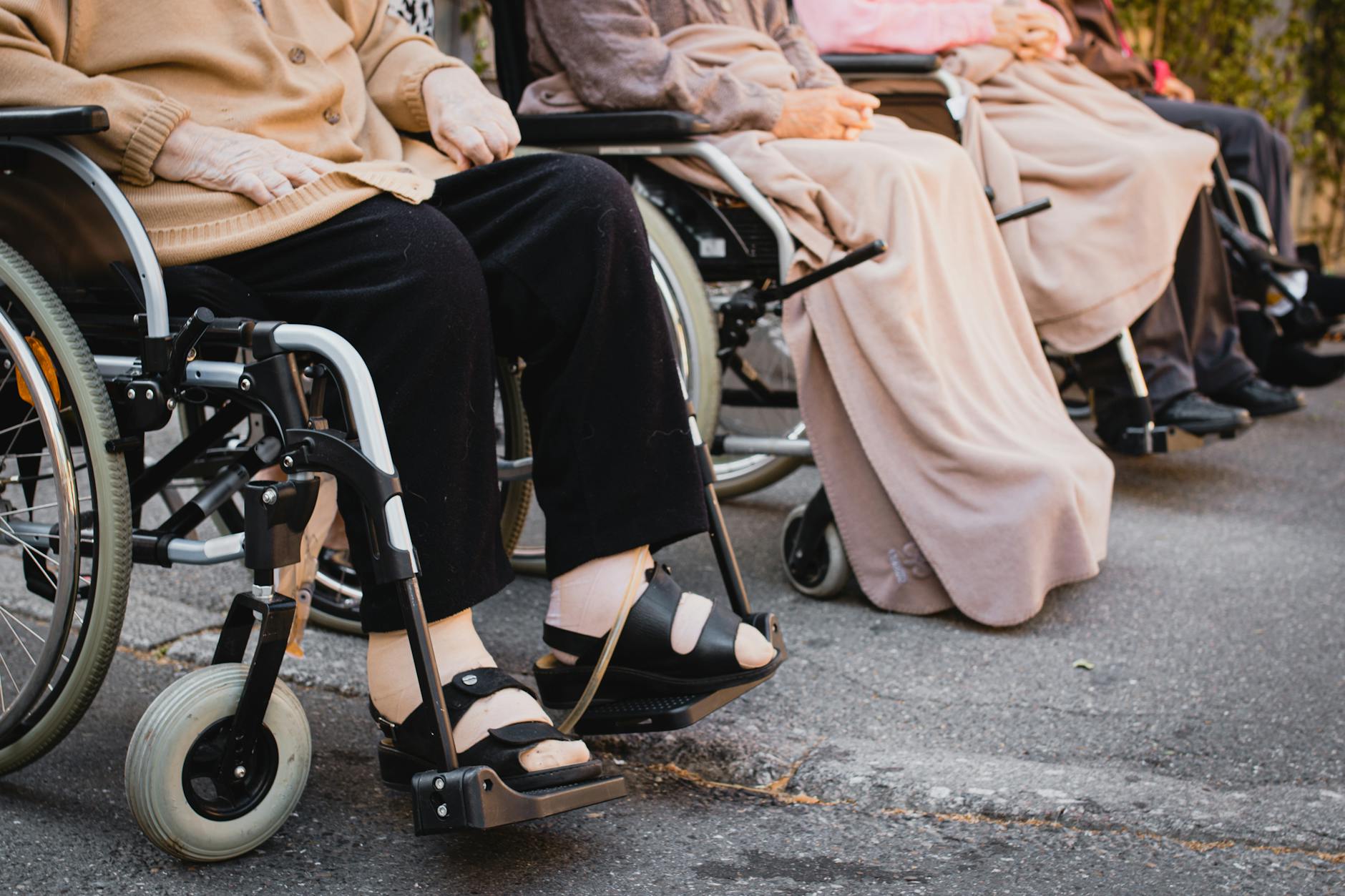
Physical restraints appear to solve an immediate problem—keeping someone in a chair—but they create a cascade of medical complications. Restrained patients experience cardiovascular stress as their body fights against the restriction. Muscles atrophy from immobility and constant pressure. Pressure ulcers develop where the restraint contacts skin. Function declines as patients become weaker and less able to move. Agitation increases, leading staff to believe the patient “needs” more restraint when actually the restraint itself is driving the problem.
Beyond the physical harm, restraints assault dignity. An adult in a body that no longer obeys them doesn’t need to be held down—they need support that allows whatever independence they can maintain. Clinical evidence now shows that restraint-free environments consistently have better outcomes for behavior, mood, and physical health. This isn’t ideological; it’s evidence-based medicine. There is one limitation to understand: in rare cases of extreme behavioral crisis, temporary restraint might be needed to prevent immediate serious harm—but this should be paired immediately with finding the underlying cause and implementing better long-term solutions. Many facilities use restraints as the default solution rather than as the last-resort emergency tool they should be. If restraints are routine in your relative’s care setting, that’s a red flag to escalate the conversation about alternative solutions.
How Do Environmental Factors Work Together With Chair Design?
A perfectly designed chair placed in the wrong location won’t solve everything. A patient who slides forward in the TV room needs a different approach than one in a social activity area. Some patients do better in chairs slightly elevated so their feet don’t dangle (which makes them feel insecure), while others need firm ground contact. Room temperature, lighting, noise level, and what’s happening around the patient all influence whether they feel calm and supported or agitated and unsafe.
A patient seated in a quiet room with familiar people, doing a calming activity, with proper chair support might sit contentedly for hours. The same patient, same chair, in a chaotic environment with unfamiliar people might become agitated within minutes. This is why occupational therapy assessment includes the full context, not just the chair. Implementation includes adjusting positioning, sometimes adding side tables or lap trays for additional stability, and considering the patient’s whole experience, not just their seating.
What Does Evidence-Based Seating Support Look Like Moving Forward?
The dementia care field is shifting toward restraint-free environments supported by proper design and patient-centered assessment rather than restraint-based containment. This shift isn’t soft or permissive—it’s clinically driven by data showing better outcomes.
Facilities and families implementing these approaches are reporting lower fall rates, fewer pressure injuries, less agitation, better sleep quality, and improved overall health compared to restraint-based models. For families navigating this transition, the path forward involves requesting occupational therapy evaluation, discussing chair recommendations with clinical staff, and being willing to invest in seating that actually supports the patient’s needs rather than just appearing to contain them. The evidence shows this investment pays back in improved quality of life and reduced crisis situations.
Conclusion
The best seating support for Alzheimer’s patients without belts comes from chairs engineered with angled seat rake, high padded arms, lateral supports, and proper seat height—designed to work with the patient’s body rather than against it. Clinical evidence demonstrates that this approach achieves better outcomes than restraints: 100% reduction in falls and sliding, 75% reduction in pressure injuries, and measurable improvements in balance, circulation, mood, and anxiety levels. Proper seating requires occupational therapy assessment to match the specific patient’s needs to appropriate design features. Start by requesting an occupational therapy evaluation for your relative.
Work with their healthcare team to identify the specific postural problems that have led toward restraint consideration. Explore dementia-specific seating options, prioritizing chairs with clinical accreditation and evidence of effectiveness. Implement changes with attention to the full environment, not just the chair alone. This approach honors your relative’s dignity while providing the security and support they need.
You Might Also Like
- What’s the Best Seating Support for Alzheimer’s Patients With Irregular Sleep?
- What’s the Best Seating Support for Alzheimer’s Patients With Heart Conditions?
- What’s the Best Seating Support for Alzheimer’s Patients During Vital Checks?
For more, see NIH MedlinePlus — cognitive testing.





