The best seating option for dementia patients experiencing nighttime wakefulness is a tilt-in-space wheelchair or specialized riser recliner chair with proper postural support, combined with environmental strategies like natural daylight exposure and consistent routines. For example, a person in mid-stage dementia who wakes repeatedly at night benefits from a wheelchair that maintains optimal chest and abdomen alignment while allowing the person to rest in various positions without constriction—preventing the discomfort that often triggers agitation and further wakefulness. However, the “best” choice depends on the individual’s disease stage, mobility level, and specific sleep patterns, which is why professional assessment is critical.
Sleep disruption is a widespread challenge in dementia care. Up to 50% of those with severe dementia experience significant sleep disturbances, with some residents spending 40% of their time in bed awake, leading to decreased alertness during the day and increased daytime sleeping in wheelchairs. This cycle of nighttime wakefulness and daytime fatigue creates stress for both the person and their caregivers. This article examines the seating solutions that help manage this challenge, from specialized chair designs to positioning techniques and the environmental adjustments that reduce restlessness.
Table of Contents
- Why Nighttime Wakefulness Becomes a Seating Problem
- Wheelchair Positioning and Tilt-in-Space Features
- Specialized Seating Designs That Address Restlessness
- Selecting the Right Chair for Your Situation
- Adding Support Features for Extended Rest
- Sundowning and Environmental Management
- Professional Assessment and Ongoing Adjustment
- Conclusion
Why Nighttime Wakefulness Becomes a Seating Problem
Nighttime wakefulness in dementia isn’t simply a sleep issue—it becomes a seating challenge because people who cannot sleep often remain in their chairs for extended periods, sometimes for most of the night. When someone sits in an unsupportive or poorly positioned chair for hours, physical discomfort compounds the neurological sleep disruption, creating a cycle where poor seating contributes to agitation and restlessness. The problem intensifies because standard office chairs, recliners, and even typical wheelchairs aren’t designed for extended recumbent rest. They don’t maintain the spinal alignment and pressure relief necessary when someone spends extended periods sleeping in them.
A person who wakes at 2 a.m. and remains seated in an ordinary recliner until dawn may develop neck strain, lower back discomfort, or pressure sores—all of which increase anxiety and further disrupt whatever sleep opportunities remain. This is why dementia-specific seating has become essential in caregiving. The seating choice directly influences whether a night of wakefulness becomes merely uncomfortable or transforms into a crisis of agitation and potential safety risks.

Wheelchair Positioning and Tilt-in-Space Features
Tilt-in-space wheelchairs offer one of the most effective solutions for managing extended nighttime wakefulness because they maintain optimal chest and abdomen alignment while allowing the person to rest at various angles without constriction. Unlike a standard recliner that pivots at the waist, a tilt-in-space chair tips the entire seating surface backward as a unit, preserving the angles between torso, thigh, and leg while preventing the slouching that restricts breathing and increases discomfort. When selecting wheelchair seating for overnight use, several specifications matter significantly: a higher seat height facilitates easier sit-to-stand transfers when someone does attempt to stand or change position; a reduced posterior seat tilt (the backward slant of the seat) helps people transition between sitting and resting positions more naturally; and a firmer seat surface—rather than soft cushioning—prevents the sinking sensation that leaves people feeling trapped.
Back support should envelop the spine rather than allowing unwanted leaning, which is particularly important during sleep when muscle tone decreases. However, there’s an important limitation: not everyone with dementia can tolerate a wheelchair approach to nighttime management. Individuals with severe claustrophobia, those prone to attempting to stand and fall, or those in very early dementia stages may resist prolonged chair-based rest in favor of returning to bed. Professional assessment by an occupational therapist becomes essential to determine whether tilt-in-space positioning is appropriate for the individual’s stage and temperament.
Specialized Seating Designs That Address Restlessness
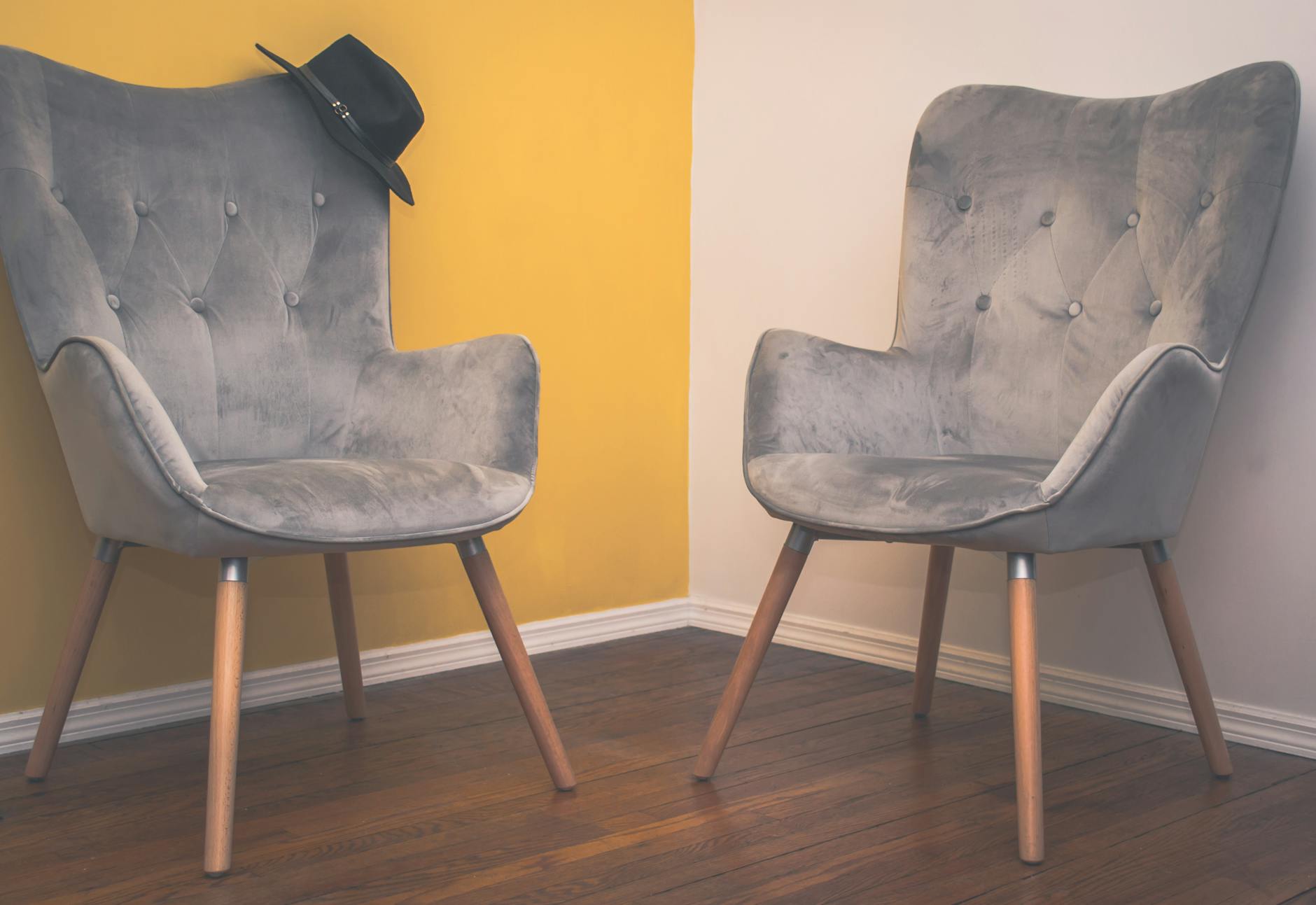
Riser recliner chairs represent a middle ground between standard recliners and wheelchairs, designed specifically to assist users with standing, sitting, and reclining—particularly valuable for managing nighttime restlessness while maintaining comfort. These chairs use motorized mechanisms to help someone rise to standing, reducing the physical demand of attempting to transfer at 3 a.m. when strength and coordination are lowest. For caregivers, this means fewer forced transfers and less risk of falls during nighttime wakefulness episodes. Cocoon-like chair designs take a different approach, delivering calming sensory feedback through enclosed or partially enclosed seating that reduces slips, falls, and agitation.
This design principle recognizes that some people with dementia experience nighttime wakefulness partly as sensory overload—a large empty room at 3 a.m. can feel overwhelming and disorienting. A chair that envelops the person in subtle support and containment can reduce that sense of being adrift. Additionally, certain specialized models feature dynamic rocking motions that help reduce anxiety while keeping users subtly engaged, which is particularly beneficial for those prone to wandering or restlessness during nighttime hours. The trade-off with these specialized designs is cost and availability. Riser recliners and cocoon-style chairs exceed standard furniture prices significantly, and not all designs are available in every region or easily customized to individual needs.
Selecting the Right Chair for Your Situation
Practical selection begins with identifying how much time the person will actually spend in the chair during nighttime hours. If wakefulness lasts 1-2 hours nightly, even a standard recliner with good lumbar support might suffice. If the person is awake 4-6 hours or more, a tilt-in-space wheelchair or riser recliner becomes essential to prevent physical complications. The person’s mobility level also determines suitability: someone still able to walk independently may find a wheelchair-based approach too restrictive, while someone with limited mobility may find a riser recliner insufficient for their positioning needs. Trial and adjustment is practical but often overlooked. When possible, test chairs before purchasing—many hospital supply companies and specialized retailers offer rental programs.
Observe how the person settles into the chair, whether they attempt to escape it, and whether they achieve any actual rest. Some people’s nighttime wakefulness is partly behavioral (wandering, seeking stimulation) and partly physical (discomfort, acid reflux). A perfectly designed chair cannot compensate for a person seeking mental stimulation or for unmanaged medical issues like sleep apnea. Location matters too. A wheelchair positioned near a window where the person can see the nighttime outdoors, or positioned in a common area where subtle ambient light and sound exist, often produces less agitation than isolation in a bedroom. Consider whether the chair can be rolled from room to room or whether it’s stationary—this flexibility affects both comfort and caregiver feasibility.
Adding Support Features for Extended Rest
Head support becomes critical when a person frequently sleeps in their chair overnight. Standard wheelchairs lack sufficient head positioning, often leaving the head unsupported or causing it to fall awkwardly to one side. Head supports with both posterior and lateral adjustability allow the head to rest securely whether the person sleeps upright, semi-reclined, or fully tilted back. Without proper head support, people often experience neck strain that adds to nighttime discomfort. Weighted blankets offer a complementary intervention that’s scientifically proven to reduce both anxiety and agitation in dementia patients struggling with sleep at night. The gentle pressure of a weighted blanket stimulates the body to release serotonin, creating a calming effect that can reduce restlessness.
When paired with appropriate seating, weighted blankets help create a more therapeutic environment. However, there’s an important caution: weighted blankets aren’t appropriate for everyone. People at risk of overheating, those with circulation problems, or those prone to confusion about the blanket’s purpose may find them counterproductive or even dangerous. Consider also pressure relief cushioning designed for wheelchair users who rest extended hours. Standard wheelchair cushions prioritize mobility; overnight-use cushions prioritize pressure distribution and comfort. This represents a real trade-off: the most comfortable overnight cushion often reduces mobility and creates transfer difficulty, so some facilities use different cushions for day and night.

Sundowning and Environmental Management
Nighttime wakefulness in dementia is often intensified by sundowning—the phenomenon where anxiety and agitation increase in late afternoon and evening. Managing sundowning directly reduces nighttime wakefulness severity, meaning better seating choices become more effective when environmental conditions are optimized. Natural daylight exposure during daytime hours, achieved through sitting outdoors or near bright windows, helps regulate circadian rhythm disruption that drives nighttime wakefulness. Consistent routines with assigned meal times and activities provide cognitive anchoring that reduces late-day confusion and agitation.
Specific to nighttime seating, position the chair where it’s neither completely dark nor startlingly bright. A dim nightlight, the soft glow from a hallway, or even the faint illumination of a monitor can orient someone without causing the sleep disruption of bright overhead lights. Equally important: consistency. If someone spends nighttime wakefulness hours in the same chair, in the same location, the familiar surroundings themselves become a calming factor that reduces agitation and allows for better rest when it does come.
Professional Assessment and Ongoing Adjustment
Occupational therapists should conduct thorough assessments when selecting furniture for dementia patients, as individual needs vary significantly by disease stage and mobility level. What works well in early-stage dementia—perhaps a comfortable chair in a bedroom with gentle redirection back to bed—may be completely ineffective in late-stage dementia where the person cannot safely navigate a bedroom environment. A good OT assessment examines not just the person’s physical needs but also their behavioral patterns, cognitive ability to cooperate with positioning, and caregiver capacity to maintain the chosen solution.
Assessment should be revisited periodically. As dementia progresses, needs change. A tilt-in-space wheelchair appropriate for mid-stage disease may become insufficient as muscle tone decreases further, requiring transition to a specialized nursing chair or different configuration. Early investment in adaptable seating—chairs with adjustable components rather than fixed designs—often proves more practical and economical than replacing seating entirely as the disease advances.
Conclusion
The best seating option for managing dementia patients’ nighttime wakefulness combines appropriate chair design—tilt-in-space wheelchairs, riser recliners, or specialized cocoon-style chairs—with proper positioning support and environmental optimization. No single solution works universally; the choice depends on the individual’s disease stage, mobility, specific sleep patterns, and behavioral responses. The most effective approach integrates the physical comfort of proper seating with the psychological comfort of consistent routines, natural light exposure, and sometimes complementary tools like weighted blankets.
If you’re currently managing nighttime wakefulness with standard furniture and seeing limited success, an occupational therapy assessment is the logical next step. A professional can evaluate your specific situation, recommend appropriate seating options, and establish whether physical discomfort is driving the wakefulness or whether other factors predominate. In many cases, the right seating—combined with behavioral and environmental adjustments—transforms nighttime wakefulness from a crisis into a manageable challenge.