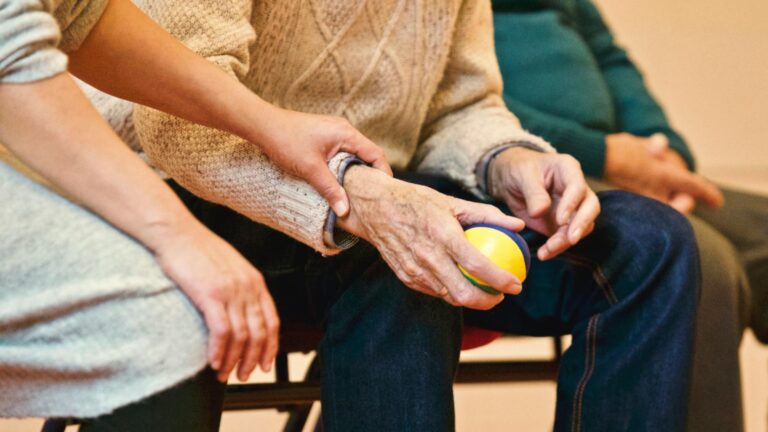
Air cushions and gel/foam hybrids consistently outperform other materials for Alzheimer’s patients who spend extended periods seated. Research on pressure distribution shows that air cushions provide the best pressure redistribution, achieving the lowest pressure ratio in the hip area compared to foam, gel, or standard cushions. For families seeking a practical middle ground, clinical trials demonstrate that gel/foam hybrid cushions””such as Jay gel cushions””resulted in only 25% of patients developing pressure ulcers over three months, compared to 41% of those using foam cushions alone. A resident in a memory care facility who sits for six or more hours daily faces significantly different skin integrity risks than someone who moves frequently, making material choice a medical consideration rather than simply a comfort preference.
This matters because Alzheimer’s patients often cannot communicate discomfort, shift their own weight effectively, or remember to change positions. Approximately two-thirds of all pressure ulcers occur in elderly people aged 60-80, and nursing home rates range from 2.2% to 23.9%. The material beneath your loved one directly influences whether they develop painful, infection-prone wounds that complicate an already difficult disease progression. Beyond pressure relief, the right cushion material must also address practical realities like incontinence, temperature regulation, and safety for someone whose movements may be unpredictable. This article examines each major cushion material type, explains when each works best, and addresses the specific challenges Alzheimer’s disease introduces to seating decisions.
Table of Contents
- Why Does Cushion Material Matter So Much for Dementia Patients?
- How Air Cushions Lead in Pressure Redistribution
- Gel and Foam Hybrids: The Clinical Evidence
- Memory Foam Versus Gel-Infused Options
- Thickness and Construction Requirements
- Practical Features for Alzheimer’s Care
- Working with Healthcare Professionals
- Long-Term Considerations and Disease Progression
- Conclusion
Why Does Cushion Material Matter So Much for Dementia Patients?
The fundamental problem is that people with Alzheimer’s disease progressively lose the ability to recognize and respond to physical discomfort. A cognitively healthy person who feels pressure building on their tailbone will instinctively shift position. Someone in the middle or late stages of dementia may lack this awareness entirely, sitting in the same position for hours while tissue damage silently accumulates beneath the skin’s surface. The statistics underscore the severity: 836.9 pressure ulcer-related hospitalizations per 100,000 adults aged 65 and older occurred in 2016, according to U.S. Healthy People 2030 data.
Each hospitalization represents not just a wound but potential confusion, accelerated cognitive decline from the disruption, and exposure to hospital-acquired infections. For comparison, consider that up to 80% of wheelchair users in nursing homes experience discomfort, poor mobility, or poor posture””problems that proper cushioning can substantially mitigate. However, no cushion material eliminates risk entirely. Even the best air cushion requires proper inflation, regular checking, and the understanding that repositioning every two hours remains best practice regardless of what someone sits on. Material selection is one critical piece of a larger care strategy.

How Air Cushions Lead in Pressure Redistribution
Air cushions work by distributing body weight across a larger surface area through interconnected air cells that conform to individual anatomy. Unlike foam, which compresses under weight and eventually bottoms out, properly inflated air cushions maintain consistent support and allow micro-movements that promote blood circulation. Research specifically measuring interface pressure“”the force between the body and the seating surface””found air cushions achieved superior results in the hip area, where bony prominences make pressure ulcer formation most likely. The practical advantage becomes clear when you consider a resident who weighs 180 pounds versus one who weighs 120 pounds. The same foam cushion performs very differently for each person, potentially bottoming out for the heavier individual while providing adequate support for the lighter one.
An air cushion, properly adjusted, accommodates both. Some models feature removable internal bags that allow customization to individual body weight and positioning needs. The limitation is maintenance. Air cushions require regular inflation checks””a deflated air cushion provides worse support than basic foam. In facilities with high staff turnover or busy family caregivers, this maintenance requirement can lead to cushions losing effectiveness without anyone noticing. If consistent monitoring isn’t realistic in your situation, a gel/foam hybrid may prove more reliably effective despite its slightly lower performance ceiling.
Gel and Foam Hybrids: The Clinical Evidence
The Jay gel cushion study remains one of the more compelling pieces of evidence in this space. Researchers tracked nursing home residents over three months, comparing outcomes between those using standard polyurethane foam cushions and those using Jay gel cushions. The results””25% ulcer development with gel versus 41% with foam alone””represent a meaningful reduction in harm. Gel works by distributing pressure fluidly, similar to how water disperses weight in a waterbed but without the instability. Modern gel/foam hybrids typically layer gel over a supportive foam base, capturing the pressure-distributing benefits of gel while maintaining the structural support foam provides.
This matters for positioning: someone with Alzheimer’s who lists to one side needs both pressure relief and postural support to prevent sliding into unsafe positions. Pure gel cushions sometimes lack the stability to address postural needs. The tradeoff involves weight and cost. Gel cushions are substantially heavier than foam alternatives, complicating transport for family members who move cushions between wheelchairs, recliners, and vehicles. They also cost more than basic foam, though the price difference often pales against the cost of treating a single pressure ulcer. For someone primarily seated in one location, the weight issue matters less than for someone who transitions frequently throughout the day.

Memory Foam Versus Gel-Infused Options
Memory foam’s appeal lies in its conforming properties””it molds to body contours, creating personalized support that theoretically distributes pressure across more surface area. The material has legitimate comfort benefits and costs less than gel or air alternatives. For Alzheimer’s patients in early stages who remain relatively mobile and don’t sit for extended periods, standard memory foam may provide adequate comfort without the expense of medical-grade alternatives. The significant limitation is heat retention. Memory foam traps body heat, raising skin temperature. Warmer, moister skin is more vulnerable to breakdown than cool, dry skin.
For someone who already struggles with thermoregulation””common in dementia patients””memory foam can exacerbate discomfort even while providing pressure relief. Gel-infused memory foam addresses this partially, incorporating cooling gel beads or layers that conduct heat away from the body. Natural latex presents another alternative worth considering. It offers higher comfort ratings than petrochemical memory foams in comparative studies, carries antibacterial properties, prevents mold and dust mite accumulation, and biodegrades at end of life. The breathability advantage over traditional memory foam is substantial. However, latex allergies exist, and the material costs more than standard memory foam. For families prioritizing both comfort and environmental concerns, latex merits investigation.
Thickness and Construction Requirements
A cushion must be at least four inches thick to provide efficient pressure relief according to clinical guidance. This isn’t marketing””it reflects the physical reality of how pressure distributes through material. A 2.5-inch cushion may feel comfortable initially but lacks the depth to prevent bottoming out when someone sits in the same position for hours. The difference between comfort-grade and medical-grade cushioning often comes down to this thickness threshold. Construction details matter beyond the core material. Four-way stretch fabrics like Dartex are specifically recommended for dementia care seating because they move with the body without creating friction or shear forces against skin.
A cushion with excellent internal materials but a stiff, non-stretchy cover loses much of its protective benefit. Similarly, cushions classified as “skin protection cushions”””viscous fluid/foam combinations designed specifically to lower pressure ulcer incidence””represent a category engineered for this exact population. The warning here concerns marketing claims. Many products labeled “memory foam” or “pressure relief” don’t meet medical-grade standards. Look for cushions tested against specific pressure metrics rather than those making vague comfort claims. When possible, work with an occupational therapist who can assess your loved one’s specific risk factors and recommend appropriate products.
Practical Features for Alzheimer’s Care
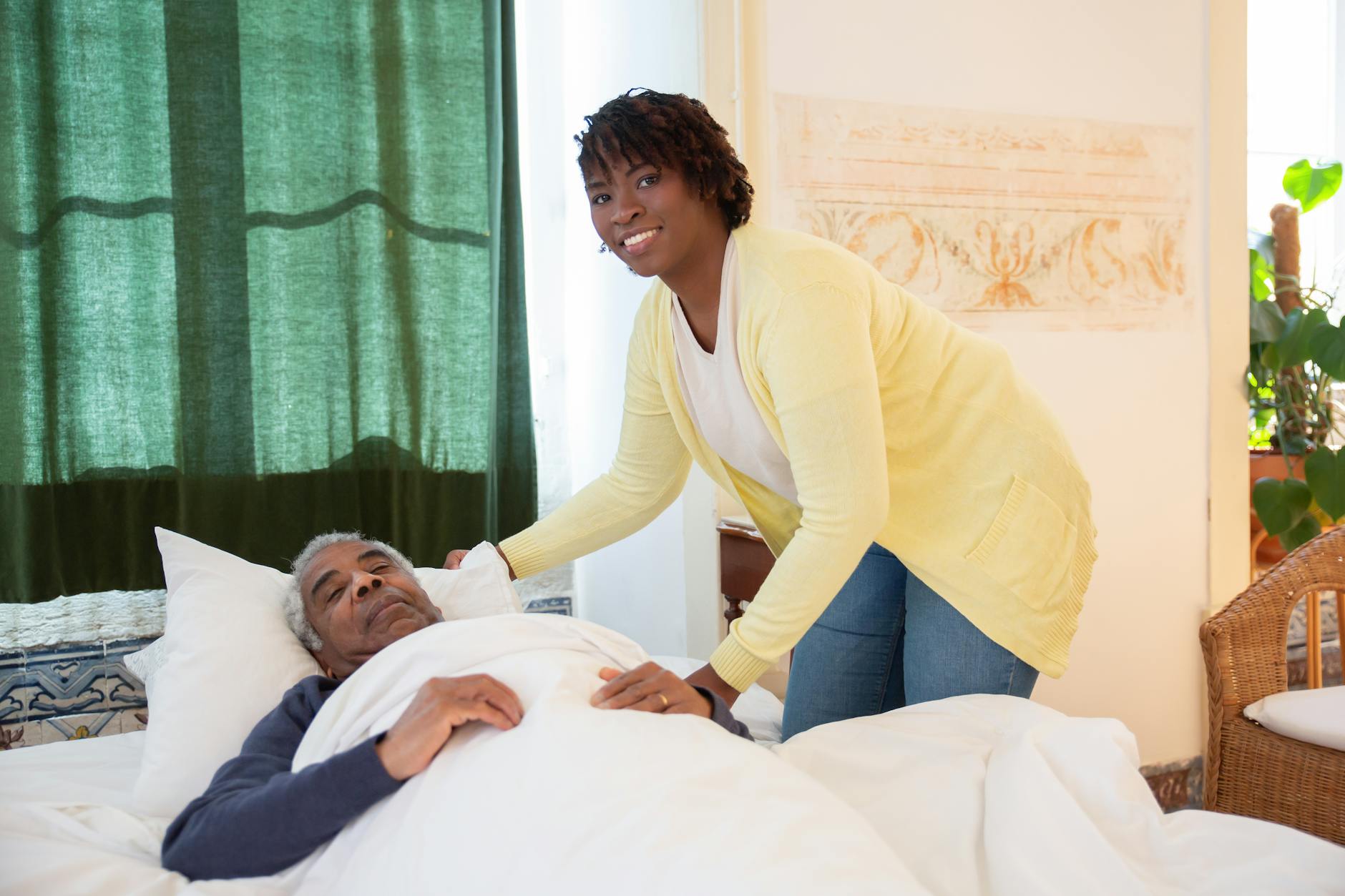
Waterproof, washable covers become non-negotiable as Alzheimer’s progresses. Incontinence affects most patients in later stages, and urine or fecal contamination of cushion materials creates both hygiene problems and skin breakdown risks. A cushion that cannot be easily cleaned or that absorbs moisture becomes a liability rather than an asset. Look for covers that remove easily, survive regular washing, and dry quickly. Non-slip bases address a different problem: the unpredictable movements common in dementia. Someone who shifts suddenly, attempts to stand without warning, or fidgets constantly can displace a cushion, ending up seated partially on the chair frame while the cushion bunches to one side.
Non-slip backing keeps the cushion positioned correctly despite irregular movement patterns. Consider a scenario: an 82-year-old woman with moderate Alzheimer’s lives with her daughter. She spends most of her day in a recliner in the living room. Her movements are unpredictable””sometimes she sits quietly for hours, other times she attempts to stand repeatedly. A gel/foam hybrid with a waterproof cover and non-slip base addresses her pressure relief needs while accommodating both incontinence risks and movement patterns. The daughter can remove and wash the cover weekly without replacing the entire cushion.
Working with Healthcare Professionals
The complexity of seating for Alzheimer’s patients makes professional assessment valuable. Occupational therapists specialize in evaluating positioning needs, assessing pressure ulcer risk, and recommending specific products based on individual circumstances. They can identify issues families might miss””a slight pelvic tilt that concentrates pressure on one side, or a slumping posture that increases sacral risk. Tilt-in-space positioning represents one technique therapists often recommend.
Rather than simply cushioning a standard seated position, tilt-in-space chairs angle the entire seat backward, redistributing weight away from pressure-prone areas and centralizing alignment. Combined with appropriate cushioning, this positioning approach addresses postural issues that cushions alone cannot solve. The practical reality is that many families don’t have easy access to occupational therapy services, particularly for home-based care. In these situations, starting with a minimum four-inch gel/foam hybrid cushion, establishing a two-hour repositioning schedule, and monitoring skin daily for early signs of breakdown provides a reasonable baseline approach while pursuing professional guidance.
Long-Term Considerations and Disease Progression
Cushion needs change as Alzheimer’s advances. Someone in early stages who walks daily and sits for limited periods has different requirements than someone in late stages who is essentially bed- or chair-bound. Planning for progression means anticipating the eventual need for medical-grade pressure relief even if current needs seem modest. The trajectory typically moves from comfort-focused cushioning toward increasingly specialized pressure management.
A patient who starts with a simple memory foam cushion may need gel/foam hybrids as sitting time increases, and potentially air cushions or alternating pressure systems in late stages. Building relationships with medical equipment suppliers and understanding insurance coverage for durable medical equipment helps families navigate these transitions without crisis-mode decision-making. Families should also consider that the best cushion in the world cannot substitute for human attention. The two-hour repositioning guideline exists because no material completely eliminates pressure; it only reduces and redistributes it. Combining appropriate cushion materials with regular position changes, skin monitoring, and attention to overall health factors like nutrition and hydration creates the comprehensive approach that actually prevents pressure injuries.
Conclusion
Air cushions and gel/foam hybrids represent the evidence-based choices for Alzheimer’s patients at meaningful pressure ulcer risk, with air cushions showing the best pressure redistribution in research settings and gel/foam hybrids demonstrating substantial real-world reductions in ulcer development. The specific choice depends on practical factors: air cushions require maintenance vigilance, while gel cushions add weight. Both outperform standard foam for extended sitting.
The material decision, however important, fits within a broader care framework. Four-inch minimum thickness, waterproof washable covers, non-slip bases, and four-way stretch fabrics address the specific challenges dementia introduces. Working with an occupational therapist when possible, maintaining two-hour repositioning schedules, and monitoring skin daily complement material choices. For families making these decisions, the goal isn’t finding a perfect solution””it’s reducing harm through informed choices and consistent attention.