The best seat cushions for Alzheimer’s patients are skin protection models—specifically air-based, viscous fluid/foam, or gel/foam cushions—which clinical research shows reduce pressure ulcer risk dramatically compared to standard foam. A randomized study of 232 nursing home residents published in the Journal of the American Geriatrics Society found that these specialized cushions reduced ischial tuberosity pressure ulcers to just 0.9%, compared to 6.7% with standard foam cushions. For someone like Margaret, an 82-year-old with moderate Alzheimer’s who now spends eight hours daily in her wheelchair, switching from a basic foam cushion to a gel-infused memory foam model meant the difference between developing painful sores and maintaining her skin integrity through the progression of her disease.
Beyond pressure relief, the ideal cushion for dementia patients must account for their unique circumstances: extended sitting periods as cognitive decline limits mobility, potential incontinence requiring water-resistant covers, and the need for materials that don’t trap heat during long sedentary stretches. Cool-gel cushions and alternating air systems are specifically recommended for this population. However, no single cushion works for everyone—consulting an occupational therapist or healthcare professional remains essential for matching individual needs with the right seating solution. This article covers the clinical evidence behind cushion selection, specific product options with current pricing, essential features to prioritize, and practical guidance for caregivers navigating this often-overlooked aspect of Alzheimer’s care.
Table of Contents
- Why Do Alzheimer’s Patients Need Specialized Seat Cushions?
- Which Cushion Materials Perform Best for Dementia Care?
- What Features Matter Most in Cushions for Dementia Patients?
- What Are the Best Seat Cushion Options for Alzheimer’s Patients at Different Price Points?
- When Should You Consult a Professional About Seating?
- How Do You Maintain and Replace Cushions for Long-Term Use?
- What Does the Future Hold for Dementia Seating Solutions?
- Conclusion
Why Do Alzheimer’s Patients Need Specialized Seat Cushions?
As dementia progresses, patients spend significantly more time seated due to cognitive decline and decreased mobility. This isn’t a minor increase—many individuals go from active lifestyles to spending six, eight, or even ten hours daily in the same chair or wheelchair. That prolonged pressure on the same tissue areas creates conditions ripe for pressure ulcers, which can develop in as little as two hours of unrelieved sitting. The clinical data makes the stakes clear.
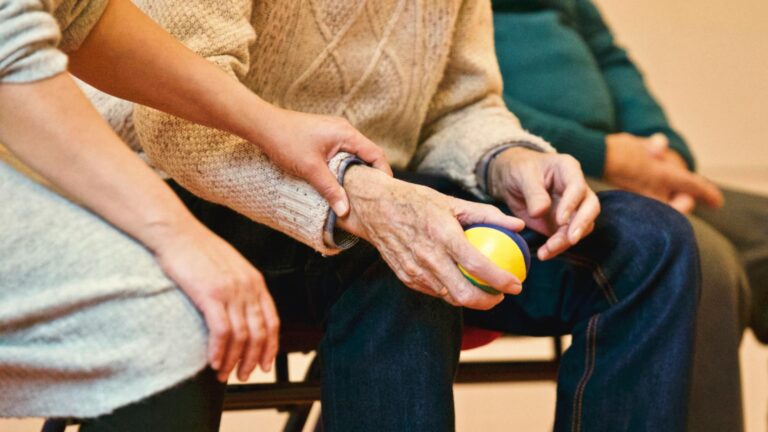
In the nursing home study mentioned above, combined sacral and ischial ulcer rates were 10.6% with skin protection cushions versus 17.6% with segmented foam cushions—a difference that translates to real suffering and complications for vulnerable patients. Pressure ulcers aren’t just uncomfortable; they can become infected, require hospitalization, and significantly diminish quality of life for someone already navigating cognitive decline. What makes Alzheimer’s patients particularly vulnerable is their diminished ability to shift position or communicate discomfort. A cognitively intact person unconsciously adjusts their weight dozens of times per hour. Someone with advanced dementia may sit motionless for extended periods, unable to recognize or articulate the pain signals that would normally prompt movement.
Which Cushion Materials Perform Best for Dementia Care?
The evidence points to three material categories that outperform standard foam: air-based systems, viscous fluid combined with foam, and gel combined with foam. Each has distinct advantages depending on the patient’s specific situation. Natural latex, gel-infused memory foam, and alternating air systems are all recommended for elderly comfort by seating specialists. Gel-infused memory foam offers a good balance of pressure distribution and temperature regulation—the gel helps dissipate heat that builds up during extended sitting.
Alternating air systems, which use powered cells that inflate and deflate in patterns, provide the most aggressive pressure relief but require electricity and have more maintenance considerations. However, if your loved one has temperature regulation issues—common in dementia patients—a standard memory foam cushion without cooling properties may actually increase agitation and discomfort. Memory foam naturally retains body heat, which can make someone feel overheated and restless. In these cases, a cool-gel cushion or an air-based system that allows ventilation may be the better choice, even if it means sacrificing some of the contouring benefits of memory foam alone.
What Features Matter Most in Cushions for Dementia Patients?
Cover requirements deserve as much attention as the cushion interior. Water-resistant, easy-clean covers—such as those made from Dartex fabric—are essential for dementia patients who may experience incontinence. These covers should also be breathable to prevent moisture buildup against the skin, and flame-retardant for safety compliance in care facilities. Proper support extends beyond the seat surface. Lumbar support, adjustable width and depth, and appropriate armrest height all contribute to optimal positioning.
A cushion that provides excellent pressure relief but allows the patient to slide forward or slump to one side defeats much of its purpose. The goal is maintaining the person in a comfortable, supported position that distributes weight evenly. One often-overlooked consideration is the cushion’s interaction with the seating surface beneath it. A thick cushion on a chair not designed for one can raise the seat height too much, leaving feet dangling and increasing pressure on the thighs. Measuring and testing the complete seating system—cushion plus chair—is essential before committing to a particular product.
What Are the Best Seat Cushion Options for Alzheimer’s Patients at Different Price Points?
Several products stand out for dementia care applications, ranging from budget-friendly to professional-grade options. The Everlasting Comfort Gel Memory Foam Wheelchair Cushion, priced at $37.99, features ventilation holes for airflow and is specifically designed for seniors and pressure relief—a solid entry point for families just beginning to address seating needs. For those seeking more specialized design, the Cushion Lab Pressure Relief Seat Cushion offers extra-dense memory foam with a patented construction and has accumulated over 7,200 Amazon reviews.
It’s suitable for wheelchair use and represents a middle-ground option for home care situations. The ProHeal Gel and Memory Foam Wheelchair Cushion is designed specifically for healthcare facilities, including nursing homes and assisted living centers. This institutional-grade option may be worth considering for patients requiring the most robust pressure protection, though it typically comes at a higher price point. The tradeoff between consumer and professional-grade cushions often comes down to durability under continuous use and the quality of pressure-mapping in the design—professional cushions are typically engineered with more extensive clinical testing.
When Should You Consult a Professional About Seating?
While consumer cushions can address many needs, there are situations where professional assessment becomes necessary rather than optional. Occupational therapists and healthcare professionals specializing in seating can evaluate factors that caregivers may miss: pelvic obliquity, muscle tone changes, postural asymmetries, and the interaction between seating and other medical equipment. This is particularly important when the standard recommendations aren’t working. If a patient continues developing pressure areas despite using a quality cushion, or if they seem unable to maintain a comfortable position, the issue may be with fit or positioning rather than the cushion itself.
A professional can identify whether the patient needs a custom-molded cushion, a different seat-to-back angle, or modifications to the wheelchair or chair frame. The limitation here is access and cost. Not all insurance plans cover seating evaluations, and waiting times for occupational therapy appointments can stretch for weeks. Families may need to advocate firmly for these assessments, particularly in nursing home settings where staff may default to whatever cushions are available in bulk rather than what’s optimal for individual residents.

How Do You Maintain and Replace Cushions for Long-Term Use?
Even the best cushion degrades over time, and recognizing when replacement is needed prevents a gradual return of pressure ulcer risk. Memory foam loses its resilience, gel can develop flat spots, and air systems may develop slow leaks. A general guideline is to replace seat cushions every one to three years depending on usage intensity, but visible wear, permanent compression, or any return of skin problems should trigger earlier replacement.
Cleaning protocols matter for infection control and longevity. Those water-resistant, easy-clean covers should be wiped down daily in care settings and laundered according to manufacturer instructions regularly. The cushion interior—especially foam—should be aired out periodically and kept dry. For a patient like Robert, whose dementia-related agitation sometimes leads to incontinence episodes, having two cushions in rotation allows proper drying time and ensures he’s never without proper support.
What Does the Future Hold for Dementia Seating Solutions?
Technology is beginning to offer more sophisticated options for pressure monitoring and relief. Smart cushions with integrated pressure sensors can alert caregivers when a patient has been in one position too long or when pressure is building in vulnerable areas.
Some alternating air systems now include automatic adjustment based on real-time pressure readings. These advances remain expensive and are more common in hospital and long-term care facilities than home settings, but prices typically decrease as technology matures. For now, the fundamental principles remain consistent: distribute pressure across the largest possible surface area, allow airflow to prevent heat and moisture buildup, and ensure the cushion is part of a complete seating system that maintains proper positioning throughout the day.
Conclusion
Selecting the right seat cushion for an Alzheimer’s patient requires balancing clinical evidence with individual needs. The research clearly favors skin protection cushions—air, fluid/foam, or gel/foam combinations—over standard foam, with documented reductions in pressure ulcer rates from 6.7% to 0.9% for ischial ulcers. Products ranging from the $37.99 Everlasting Comfort cushion to professional-grade ProHeal options can address these needs at various price points.
The key is not to delay this decision until problems develop. Pressure ulcers are far easier to prevent than to heal, especially in patients whose cognitive decline limits their ability to participate in wound care. Start with a quality cushion appropriate to your loved one’s current needs, consult professionals when standard solutions aren’t working, and monitor skin condition regularly to catch any emerging issues early.