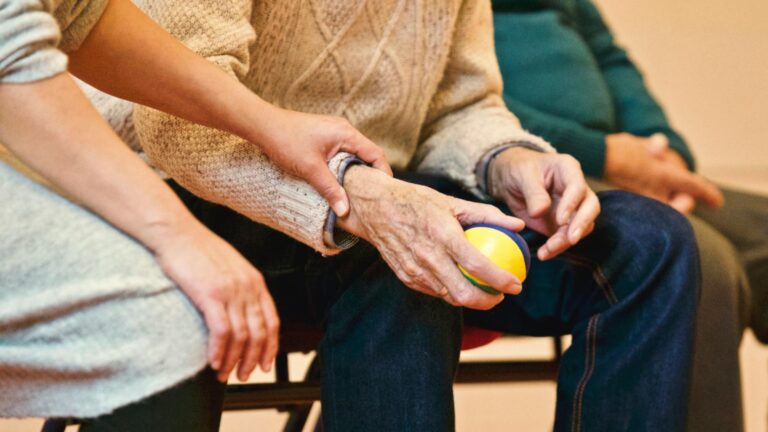
The best seat cushion for Alzheimer’s long-term care is typically a pressure-relieving memory foam or gel-infused cushion with a non-slip base and an incontinence-proof cover. For residents who spend extended hours seated””whether in wheelchairs, recliners, or dining chairs””a cushion that distributes weight evenly and reduces shear forces can help prevent pressure ulcers, one of the most common and serious complications in dementia care. Products like the ROHO air-cell cushions have historically been considered the clinical gold standard for high-risk patients, while memory foam alternatives from brands like Comfort Company or Putnams offer more affordable options for moderate-risk individuals.
Choosing the right cushion, however, involves more than just picking a well-reviewed product. A resident with advanced Alzheimer’s who shifts constantly may need a different solution than someone in earlier stages who can reposition themselves. For example, a care facility in the Midwest found that switching from standard foam cushions to alternating-pressure models reduced pressure injury incidence by a notable margin among their memory care residents””though exact figures vary by setting and population. This article covers the specific features to look for, how to match cushion types to care needs, cleaning and maintenance considerations, and common mistakes families and facilities make when selecting seating support.
Table of Contents
- Why Do Alzheimer’s Residents Need Specialized Seat Cushions?
- Types of Seat Cushions Used in Dementia Long-Term Care
- Matching Cushion Selection to Individual Care Needs
- Incontinence Protection and Cleaning Considerations
- Common Mistakes in Seat Cushion Selection for Memory Care
- The Role of Positioning and Repositioning Alongside Cushion Use
- Future Directions in Seating Technology for Dementia Care
- Conclusion
Why Do Alzheimer’s Residents Need Specialized Seat Cushions?
People living with Alzheimer’s disease face unique seating challenges that standard cushions simply do not address. Cognitive decline often means residents cannot recognize or communicate discomfort, so they may sit in the same position for hours without shifting their weight. This immobility dramatically increases the risk of pressure injuries, particularly over bony prominences like the ischial tuberosities and coccyx. According to clinical guidelines from wound care organizations, individuals who cannot independently reposition themselves are considered high-risk for skin breakdown. Beyond pressure relief, behavioral symptoms associated with dementia complicate cushion selection.
Some residents experience agitation and may pick at or tear cushion covers, while others have difficulty maintaining proper posture and tend to slide forward in their seats. A resident at one memory care community, for instance, kept removing her cushion and placing it on the floor because she did not understand its purpose””staff ultimately switched to a cushion that could be secured directly to the chair frame. This illustrates why durability, security features, and ease of cleaning matter as much as the pressure-relieving properties themselves. The progression of the disease also means that cushion needs change over time. Someone in the early-to-moderate stages might do well with a simple contoured foam cushion, but as mobility decreases and time spent seated increases, they may require a more sophisticated alternating-pressure or hybrid system. Care teams should reassess seating needs at regular intervals rather than assuming one cushion will serve throughout the entire care journey.

Types of Seat Cushions Used in Dementia Long-Term Care
Foam cushions represent the most common and economical option in long-term care settings. High-density memory foam conforms to the body and provides reasonable pressure distribution for residents at low to moderate risk. However, foam does compress over time and typically needs replacement every one to two years depending on use intensity. Layered foam designs””where a softer top layer sits over a firmer base””can extend comfort while maintaining support, though they may not provide sufficient protection for residents who are completely immobile. Gel and gel-hybrid cushions add another layer of protection by dispersing pressure across a larger surface area and providing a cooling effect.
These tend to work well for residents who generate significant body heat or who have already developed early-stage skin redness. The tradeoff is weight: gel cushions are noticeably heavier than foam, which can make transfers more cumbersome for caregivers and may not be ideal for lightweight transport wheelchairs. Air-cell and alternating-pressure cushions represent the highest tier of pressure management. Systems like ROHO use interconnected air cells that shift and conform dynamically to movement, while powered alternating-pressure cushions actively cycle inflation patterns. These are typically reserved for residents with existing pressure injuries or those at very high risk. One limitation worth noting: air-cell cushions require periodic inflation checks and can be punctured, making them less practical for residents who pick at objects or in facilities with limited staff time for maintenance.
Matching Cushion Selection to Individual Care Needs
A one-size-fits-all approach rarely works in Alzheimer’s care. The first consideration should be a clinical pressure injury risk assessment, such as the Braden Scale, which evaluates factors like mobility, moisture exposure, and nutritional status. Residents scoring in the high-risk range generally warrant more sophisticated cushion systems, while those at lower risk may do well with quality foam options. Consulting with a wound care nurse or occupational therapist can help families and facilities make appropriate matches. However, if a resident has behavioral symptoms like agitation, aggression, or a tendency to manipulate objects, even a clinically appropriate cushion may fail in practice.
In these cases, simpler designs with fewer components and secure attachment systems often outperform technically superior but more vulnerable options. Some facilities have found success with cushions that have zippered covers requiring a specific tool to open, preventing residents from accessing the inner materials. Weight and body composition also influence selection. Bariatric residents require cushions rated for higher weight capacities with wider surface areas, while very thin individuals may bottom out on standard foam and need more responsive materials like air cells. A cushion that works perfectly for one resident may be entirely wrong for another, which is why individualized assessment matters more than brand reputation alone.

Incontinence Protection and Cleaning Considerations
Incontinence is common among Alzheimer’s residents, making fluid-resistant covers essential rather than optional. A cushion with excellent pressure-relieving properties becomes a liability if its cover allows moisture to penetrate the core material, creating a breeding ground for bacteria and accelerating material breakdown. Look for covers labeled as waterproof or fluid-proof rather than merely water-resistant, and verify that seams are sealed. Many facilities opt for two-cover systems: a waterproof inner cover protecting the cushion core and a breathable outer cover that can be laundered daily. This approach allows for rapid changes when accidents occur without exposing the cushion itself to contamination.
For example, one nursing home reported that implementing this dual-cover system reduced cushion replacement frequency by approximately half compared to their previous single-cover protocol, though results will vary by resident population and care practices. Cleaning protocols should align with infection control standards. Covers need to withstand industrial laundering at temperatures sufficient to eliminate pathogens. Some cushion materials””particularly certain foams””cannot tolerate heat or chemical disinfectants, so verifying compatibility before purchase prevents expensive mistakes. Facilities should also establish routines for inspecting cushions for tears, stains that penetrated covers, or compression that indicates the cushion has lost its effectiveness.
Common Mistakes in Seat Cushion Selection for Memory Care
The most frequent error families and facilities make is prioritizing price over appropriateness. A thirty-dollar foam cushion from a general retailer may seem economical, but if it fails to prevent a pressure injury that requires wound care treatment over several months, the actual cost””both financial and in resident suffering””far exceeds what a proper clinical cushion would have cost initially. This does not mean the most expensive option is always necessary, but it does mean that cost should follow clinical assessment rather than drive it. Another common mistake is neglecting the chair or wheelchair the cushion will be used with. A thick cushion that raises the resident too high relative to armrests can cause shoulder strain and make self-propulsion difficult for those still capable of it.
Conversely, a cushion that is too thin may not adequately fill a deep seat base. Measuring the seating surface and considering how the cushion affects overall positioning prevents these problems. Some residents may benefit from a seating evaluation by a physical or occupational therapist who can assess the entire seating system holistically. Finally, many caregivers forget that cushions are not permanent solutions. Materials degrade, resident needs change, and what worked six months ago may no longer be appropriate. Warning signs that a cushion needs replacement or reassessment include visible compression that does not recover when the resident stands, skin redness appearing after sitting, and any tears or fluid penetration of the core material.

The Role of Positioning and Repositioning Alongside Cushion Use
Even the best cushion cannot fully substitute for regular repositioning. Clinical guidelines typically recommend repositioning immobile individuals at least every two hours, and more frequently for those at highest risk. In practice, Alzheimer’s residents who resist being moved or become agitated during repositioning present challenges that cushion selection alone cannot solve.
Staff training on gentle repositioning techniques and understanding the resident’s behavioral patterns becomes part of the overall pressure management strategy. Some facilities have implemented tilt-in-space wheelchairs that allow caregivers to shift weight distribution without fully transferring the resident. These systems, used in conjunction with appropriate cushions, can reduce pressure on vulnerable areas while minimizing distressing movements. One memory care unit found that residents in tilt-in-space chairs with ROHO cushions had fewer skin integrity issues than those in standard wheelchairs with the same cushions””the combination proved more effective than either intervention alone.
Future Directions in Seating Technology for Dementia Care
The intersection of technology and dementia care continues to evolve. Sensor-equipped cushions that alert caregivers to prolonged immobility or detect early signs of skin stress are in various stages of development and limited deployment. These systems could theoretically prompt repositioning before damage occurs rather than relying on scheduled intervals.
However, as of recent reports, cost and reliability concerns have limited widespread adoption in long-term care settings. Materials science also continues to advance, with newer foam formulations and gel technologies promising better performance and longevity. Families and facilities researching current options should verify that product information reflects current specifications, as manufacturer claims and independent clinical evidence do not always align. Consulting with wound care professionals who stay current with emerging products can help navigate a marketplace where marketing often outpaces evidence.
Conclusion
Selecting the right seat cushion for an Alzheimer’s resident in long-term care requires balancing clinical pressure relief needs with practical considerations like incontinence protection, durability against behavioral challenges, and compatibility with existing seating equipment. Memory foam and gel options serve many residents well, while air-cell and alternating-pressure systems address higher-risk situations. No cushion eliminates the need for repositioning, regular skin checks, and periodic reassessment as the disease progresses.
Families working with long-term care facilities should ask about the assessment process used to select cushions, the replacement schedule, and how staff monitors for skin breakdown. Those caring for loved ones at home may benefit from consulting an occupational therapist or wound care nurse before purchasing. The goal is not simply comfort””though that matters””but preventing the serious complications that pressure injuries cause in a vulnerable population already facing significant health challenges.