The best seat cover for Alzheimer’s patients depends on your specific concern, but most caregivers need one of two types: medical alert seat belt covers for safety identification, or waterproof seat protectors for incontinence management. For early to mid-stage dementia, a medical alert seat belt cover like the MediPal or Safety Awareness Products Alzheimer’s Seat Belt Cover ($24.99-$28.00) attaches to the shoulder strap and displays critical emergency information to first responders. For later-stage dementia where incontinence becomes a concern, the LIQUAGUARD Incontinence Auto Seat Cover provides both a waterproof backing and an absorbent surface””a combination that reviewers note is difficult to find in other products. Choosing the right seat cover often means addressing multiple challenges at once. A caregiver managing a loved one with moderate dementia might start with a medical alert cover, then add waterproof protection as the disease progresses.
Some families also need seatbelt safety locks like the Buckle Boss Seat Belt Guard to prevent patients from unbuckling during drives””a separate but related safety concern. This article covers the full range of options, from identification covers to incontinence protection to seatbelt security devices, along with practical tips from caregivers who have navigated these decisions themselves. Understanding which products address which problems will help you avoid buying something that doesn’t meet your actual needs. A medical alert cover won’t protect your upholstery, and a waterproof seat protector won’t help emergency responders understand your loved one’s condition. Many caregivers end up using multiple solutions together as care needs evolve.
Table of Contents
- Why Do Alzheimer’s Patients Need Specialized Seat Covers?
- Waterproof Seat Covers for Managing Incontinence
- Medical Alert Seat Belt Covers for Emergency Identification
- Seatbelt Safety Locks: Preventing Dangerous Unbuckling
- Budget-Friendly Alternatives and Layering Strategies
- Fitting Seat Covers to Different Vehicle Types
- When to Combine Multiple Solutions
- Conclusion
Why Do Alzheimer’s Patients Need Specialized Seat Covers?
Dementia creates unique challenges during car travel that standard seat covers simply don’t address. Unlike typical seat protectors designed for pets or children, products for Alzheimer’s patients must account for communication barriers, wandering risks, and progressive physical symptoms. A person with dementia who becomes separated from their caregiver””whether through an accident or a moment of confusion””may be unable to explain their medical condition or medications to those trying to help. Medical alert seat belt covers solve this specific problem by making critical health information visible without requiring the patient to communicate. The MediPal Medical Alert Seat Belt Cover, for example, allows caregivers to list not just the Alzheimer’s diagnosis but also other conditions like seizures or diabetes, plus a medication list.
One customer review captured why this matters: it provides “comfort to know my loved one is identified if help is needed.” This peace of mind becomes increasingly important as verbal communication abilities decline. The physical symptoms of later-stage dementia create different seat cover requirements entirely. Incontinence affects a significant percentage of people with advanced Alzheimer’s, and standard car upholstery offers no protection. Unlike home furniture where you can use multiple layers of protection, car seats present unique challenges with their contoured shapes, seatbelt anchors, and materials that absorb liquids quickly. This is why products designed specifically for automotive use””rather than repurposed household items””often perform better despite higher costs.

Waterproof Seat Covers for Managing Incontinence
For families dealing with incontinence, the LIQUAGUARD Incontinence Auto Seat Cover represents the current standard for automotive-specific protection. What distinguishes it from general waterproof covers is the dual functionality: a commercial-grade waterproof barrier on the bottom combined with an absorbent surface on top. A 2025 reviewer noted that it “fits the dimensions of my 2025 Mazda CX-50 passenger bucket seat nicely” and “is easy to install,” suggesting the product works with modern vehicle seat designs. However, this specialized performance comes at a premium. The same reviewer acknowledged, “I do think it’s rather pricey, but no other product I searched had both features, waterproof backing AND absorbent surface.” For families watching expenses carefully, this creates a real tradeoff.
General car seat covers typically cost $20-$30 for a single seat, while products with medical-grade incontinence protection often exceed this range. If your loved one experiences only occasional minor leaks, a standard waterproof cover might suffice””but for regular or heavy incontinence, the absorbent layer prevents liquid from pooling under the patient. An alternative approach that some caregivers prefer involves using waterproof washable wheelchair pads, which can be secured to car seats with elastic and are available from mobility shops. These offer the advantage of being easily removable for washing while providing adequate protection for many situations. The limitation is that they may shift during drives and don’t conform to bucket seats as precisely as fitted automotive covers.
Medical Alert Seat Belt Covers for Emergency Identification
Medical alert seat belt covers serve a fundamentally different purpose than protective seat covers””they’re communication devices rather than upholstery protection. The Safety Awareness Products Alzheimer’s Seat Belt Cover, currently on sale for $24.99 (reduced from $28.00), attaches to the visible shoulder portion of the seatbelt where emergency responders will see it immediately. The company also offers a combined package with a window decal for $27.99, providing redundant identification if the seat belt cover isn’t immediately noticed. These covers become critical in accident scenarios where the patient may be disoriented, nonverbal, or separated from their caregiver. First responders trained to look for medical alert jewelry may not immediately check seat belts, which is why some families use both.
The window decal option addresses this by alerting responders before they even open the vehicle door. For patients who also have diabetes, epilepsy, or other conditions requiring specific emergency protocols, the ability to list multiple conditions and medications on a single visible location can influence treatment decisions in those crucial first minutes. The limitation of seat belt covers is that they only work when the patient is actually wearing the seat belt in the equipped vehicle. If your loved one travels in multiple cars, you’ll need covers for each one. And if they tend to remove or manipulate the seat belt during rides””a common behavior in some dementia patients””the cover becomes irrelevant to anyone approaching the vehicle. This is where seatbelt safety locks enter the picture as a complementary solution.
Seatbelt Safety Locks: Preventing Dangerous Unbuckling
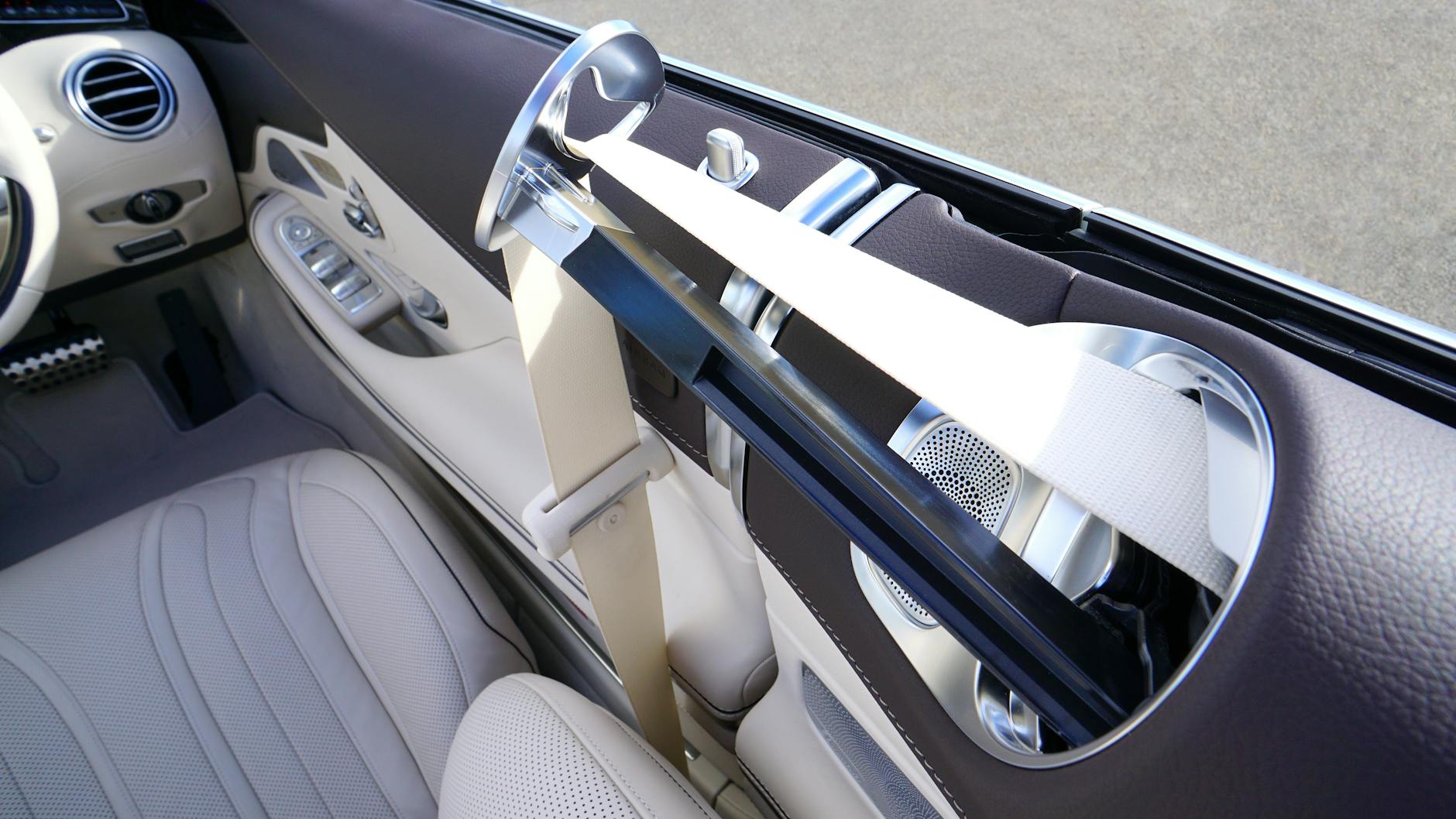
Some Alzheimer’s patients develop a habit of unbuckling their seatbelt during car rides, creating an obvious safety hazard. Products like the Buckle Boss Seat Belt Guard and Buckle Guard Seat Belt Covers address this by making the buckle mechanism difficult for the patient to operate while remaining accessible to the driver or caregiver. These aren’t seat covers in the traditional sense but covers for the buckle itself. The mechanism typically involves a plastic housing that fits over the buckle release button, requiring a specific motion or tool to open. A patient with dementia may lack the fine motor skills or problem-solving ability to defeat the guard, while a caregiver can quickly release it.
However, families should be aware of the safety tradeoff: anything that makes a seatbelt harder to unbuckle also makes it harder to release in an emergency. If the vehicle is in an accident and the caregiver is incapacitated, the patient or a bystander may struggle with the guard. For this reason, seatbelt locks work best when combined with the window decals mentioned earlier, alerting responders that a modified seatbelt system is in use. Some caregivers also keep a written note in the glove compartment explaining the guard mechanism. The goal is preventing the patient from unbuckling during normal driving while ensuring emergency access remains possible.
Budget-Friendly Alternatives and Layering Strategies
Not every family can afford specialized medical products, and caregiver forums offer practical alternatives that experienced families have tested. One frequently mentioned approach is using unscented dog pads as disposable protection””they work essentially the same as human incontinence pads but cost significantly less due to the larger pet product market. The key is choosing unscented versions to avoid artificial fragrances that some patients find irritating or confusing. For heavier protection needs, caregivers recommend a layering approach: a waterproof car seat cover as the base layer, with an additional waterproof chair pad on top for extra absorption during longer trips or when leaks are more likely.
CONNI brand pads, available at Costco, hold approximately 80 fluid ounces””far more than most single-use products. This layered system allows you to remove and wash just the top pad after minor incidents while keeping the underlying seat cover in place. The tradeoff with budget alternatives is convenience versus cost. Disposable pads require constant repurchasing and create waste, while washable products demand regular laundry. For odor management regardless of which products you use, caregivers specifically recommend adding Odoban to the wash cycle, as standard detergents often fail to fully eliminate urine odors from absorbent materials.

Fitting Seat Covers to Different Vehicle Types
Car seat shapes vary dramatically between sedans, SUVs, and trucks, and a cover that works perfectly in one vehicle may fit poorly in another. Bucket seats with pronounced side bolsters””common in sportier vehicles and many modern SUVs””require covers designed with this contour in mind. The LIQUAGUARD reviewer’s specific mention of fit on a 2025 Mazda CX-50 bucket seat suggests that product accommodates modern seat designs, but this isn’t universal across all brands.
Before purchasing any fitted seat cover, measure your specific seat and compare dimensions with the product specifications. Bench seats in older vehicles or truck rear seats may actually be easier to protect using flat wheelchair pads secured with elastic, since there are no complex contours to match. If you’re protecting a leather or leatherette seat, also consider whether the cover material might trap heat””some waterproof materials can become uncomfortably warm, which may agitate a patient already prone to restlessness.
When to Combine Multiple Solutions
As Alzheimer’s progresses, care needs evolve, and most families eventually use multiple seat cover solutions simultaneously. A typical progression might start with just a medical alert seat belt cover in the early stages, add a seatbelt guard when unbuckling behavior emerges, then incorporate waterproof protection as incontinence develops.
Rather than viewing these as either/or choices, think of them as a toolkit that expands with changing circumstances. Some caregivers report success using all three simultaneously: a fitted waterproof seat cover as the base, a washable pad on top for easy cleanup, a medical alert cover on the seatbelt, and a buckle guard to prevent removal. The total cost of this comprehensive setup might reach $75-$100, but it addresses the full range of automotive safety and hygiene concerns that develop over the course of the disease.
Conclusion
Selecting seat covers for Alzheimer’s patients means matching products to specific problems rather than seeking a single universal solution. Medical alert seat belt covers like the Safety Awareness Products Alzheimer’s Seat Belt Cover ($24.99) address identification and emergency communication needs. Waterproof options like the LIQUAGUARD Incontinence Auto Seat Cover handle the hygiene challenges of later-stage dementia. Seatbelt guards like the Buckle Boss prevent dangerous unbuckling behavior.
Most families will eventually need elements from multiple categories. Start by identifying your most pressing current concern, but plan for progression. A medical alert cover purchased today will remain useful even after you add incontinence protection later. Budget-conscious caregivers can begin with disposable dog pads and upgrade to washable products as the value becomes clear. Whatever combination you choose, the goal remains the same: maintaining safe, dignified transportation for your loved one while protecting both their wellbeing and your vehicle.