Understanding what’s the best outdoor seating setup for alzheimer’s safety? is essential for anyone interested in dementia care and brain health. This comprehensive guide covers everything you need to know, from basic concepts to advanced strategies. By the end of this article, you’ll have the knowledge to make informed decisions and take effective action.
Table of Contents
- Why Does Chair Design Matter So Much for Alzheimer’s Patients?
- What Garden Layout Features Prevent Wandering and Confusion?
- How Does Temperature Regulation Affect Outdoor Seating Placement?
- How Do You Balance Stability with Comfortable Outdoor Seating?
- What Are the Limitations of Standard Safety Recommendations?
- When Should You Involve an Occupational Therapist?
- What Does the Future Look Like for Dementia-Friendly Outdoor Design?
Why Does Chair Design Matter So Much for Alzheimer’s Patients?
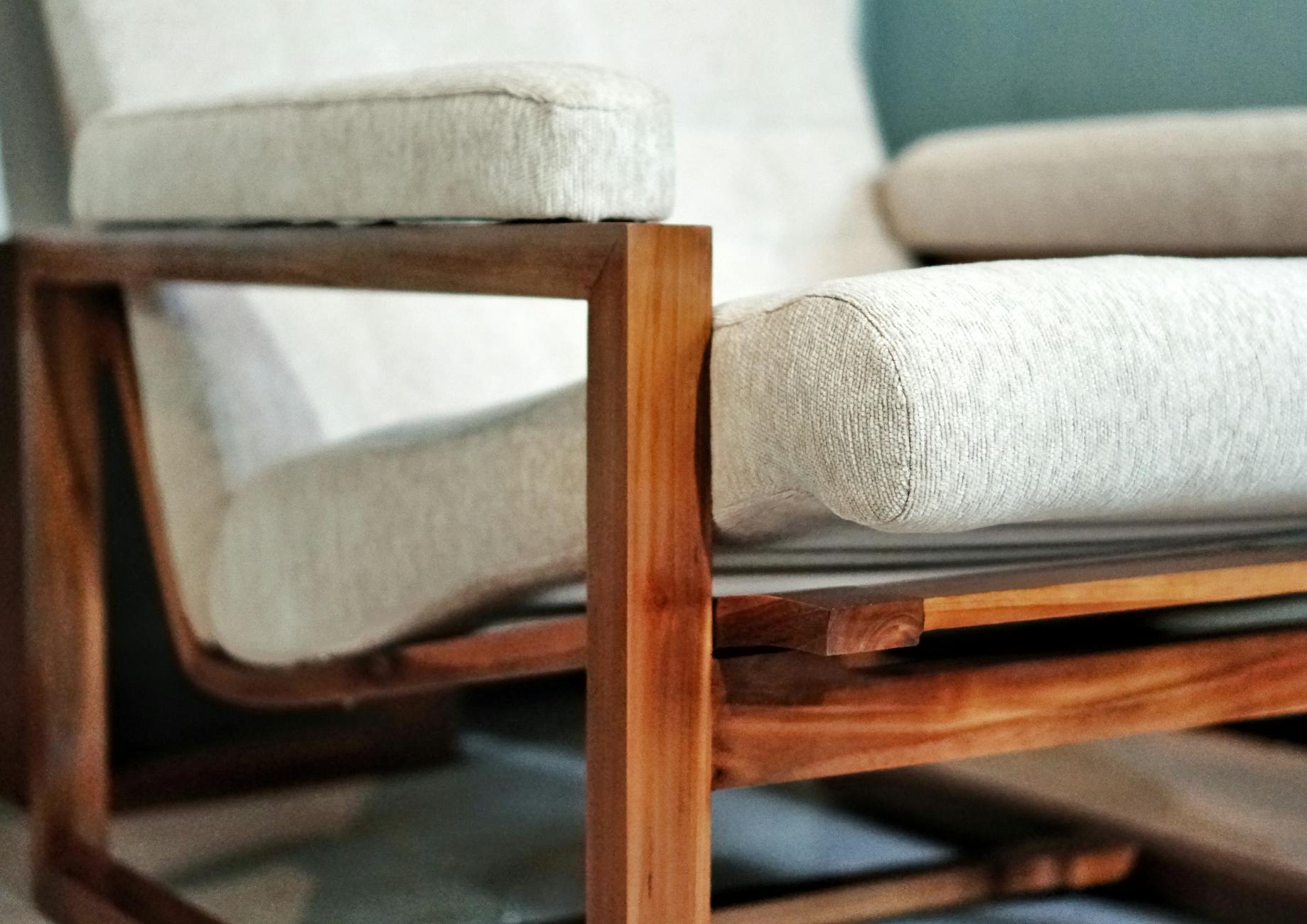
People living with Alzheimer’s face a combination of challenges that make ordinary outdoor furniture genuinely dangerous. Reduced postural control means they may slump or slide in chairs not designed for their needs. Impaired judgment means they may attempt to stand from unstable seating without recognizing the risk. Decreased ability to communicate discomfort means they might sit in painful positions for hours without seeking help. The specific chair recommendations from healthcare specialists address these issues directly. A seat height of 43 to 56 centimeters allows feet to rest flat on the ground, which is essential for both stability while seated and for safely transitioning to standing.
Raked seating, where the backrest meets the seat at an angle, actively prevents the forward sliding that often precedes falls. According to Vivid Care, a tilt-in-space function can further help redistribute pressure and prevent falls in those with more advanced mobility challenges. Lateral supports or wedges address the tendency of some patients to slump to one side, which Permobil identifies as a significant safety concern in their seating guidelines. However, these specifications come with an important tradeoff. Higher seat heights and firmer surfaces make it easier to stand up but feel less comfortable during extended sitting. A chair that seems too hard or too high to a caregiver might actually be the safer choice for someone who needs to transfer independently. This is why Seating Matters and other specialists recommend involving an occupational therapist from the initial assessment rather than selecting furniture based on comfort alone.
What Garden Layout Features Prevent Wandering and Confusion?
The Alzheimer’s Association reports that up to half of people who wander and are not found within 24 hours risk serious injury or death. This statistic makes garden security non-negotiable, but traditional solutions like locked doors or visible fencing can increase agitation and distress. The answer lies in designing outdoor spaces that feel open while actually being secure. Circular or looping pathways represent the gold standard in dementia-friendly garden design. The Royal Horticultural Society specifically recommends these layouts because they naturally guide the walker back to their starting point without any sense of restriction or confusion.
Dead ends and multiple intersecting routes should be avoided entirely, as these decision points create disorientation. The paths themselves need to be wide enough for safe walking, with non-slip surfaces free of obstacles that could cause trips. Boundaries work best when they blend into the environment rather than announcing themselves as barriers. Hearts for Dementia recommends using hedges and natural plantings to create secure perimeters that feel like part of the garden rather than confinement. A person with dementia walking along a looping path bordered by attractive shrubs experiences the garden as a pleasant place to be, not a cage. This psychological difference matters enormously for wellbeing and reduces the agitation that can actually increase wandering behavior.
How Does Temperature Regulation Affect Outdoor Seating Placement?
Dementia can impair the brain’s ability to regulate body temperature, which creates a specific and often overlooked risk in outdoor settings. Someone with Alzheimer’s may not recognize that they are overheating or know to move into shade. They may not communicate discomfort until heat-related illness has already begun. This makes shaded seating areas not merely a comfort feature but a genuine safety requirement. Rainbow Care specifically highlights this concern in their guidance for summer activities with dementia patients.
Seating should be positioned where shade is available throughout the times the person will be outside, accounting for how sun angles change during the day. Permanent shade structures like pergolas or gazebos work better than relying on umbrellas, which can blow over or be moved. For example, placing a chair under a mature tree seems like an obvious solution, but consider that tree shade shifts significantly over several hours. Morning shade may become full sun by afternoon. A better approach combines natural shade with a permanent overhead structure, ensuring protection regardless of when the person sits outside. Water should always be within reach, and caregivers should establish regular check-in times rather than assuming the person will come inside when uncomfortable.

How Do You Balance Stability with Comfortable Outdoor Seating?
The practical challenge in selecting outdoor seating comes down to a fundamental tension: features that maximize safety often reduce perceived comfort, while comfortable-looking furniture frequently lacks essential safety elements. Understanding this tradeoff helps caregivers make informed decisions. Sturdy frames with wide bases and non-slip feet are essential according to VELA Chairs and other specialists in elderly seating. A chair that wobbles even slightly when someone pushes on the armrest to stand is a fall waiting to happen. However, the substantial construction required for true stability makes chairs heavier and often less visually appealing than lightweight patio furniture.
Lockable handsets, which prevent patients from unexpectedly adjusting powered seat positions, add another layer of safety that has no visible comfort benefit. The comparison becomes clearer with specific examples. A cushioned wicker chair from a garden center looks inviting but likely has a seat that is too low, armrests that are decorative rather than load-bearing, and legs that could tip on uneven ground. A healthcare-grade outdoor chair with proper specifications looks more clinical but will actually be used safely for years. Some manufacturers now offer seating that meets safety specifications while using materials and designs intended for outdoor residential use, though these typically cost significantly more than either garden center furniture or institutional equipment.
What Are the Limitations of Standard Safety Recommendations?
Every set of guidelines comes with situations where standard advice may not apply, and outdoor seating for Alzheimer’s patients is no exception. Understanding these limitations helps caregivers adapt recommendations to their specific circumstances rather than following rules that may not fit their situation. The recommended seat height of 43 to 56 centimeters assumes a person of roughly average height. Someone significantly shorter or taller may need different specifications, which is one reason occupational therapist involvement matters so much. A person who is five feet tall may find even the lower end of this range too high for comfortable sitting, while someone over six feet may need a higher seat to transfer safely.
O’Flynn Medical’s guidance emphasizes that feet resting flat on the floor is the actual goal, with the height range being a general guide rather than an absolute rule. Additionally, the emphasis on preventing falls through chair design assumes the person can still sit independently. For those with more advanced dementia who require significant assistance with transfers, the chair specifications matter less than the overall support system. Someone who is always assisted in and out of seating faces different risks than someone who attempts independent transfers. The research showing that outdoor access may reduce falls risk by 30 percent in dementia wander gardens, published in a PMC study, involved residents with regular supervised access, not unsupervised outdoor time.

When Should You Involve an Occupational Therapist?
Seating Matters explicitly recommends working with an occupational therapist from the initial assessment rather than waiting until problems develop. This professional can evaluate the specific individual’s postural control, transfer abilities, cognitive status, and physical measurements to recommend seating that addresses their actual needs rather than general guidelines. The value becomes clear in complex situations.
Someone with both dementia and a previous hip replacement may need different seat height considerations than standard recommendations suggest. A person who leans consistently to one side may need lateral supports configured specifically for their pattern of movement. These individual assessments prevent the expensive trial-and-error process of buying multiple chairs hoping one works, and they reduce the risk of injury during the learning period.
What Does the Future Look Like for Dementia-Friendly Outdoor Design?
Research into dementia-friendly environments continues to expand, with growing recognition that outdoor access benefits both safety and quality of life. The PMC study showing 30 percent reduced falls risk in wander garden users suggests that well-designed outdoor spaces are therapeutic rather than merely recreational.
This shifts the conversation from how to keep people with dementia safely indoors to how to make outdoor time safely possible. Design principles that originated in care facilities are increasingly being adapted for home use, making it more feasible for families to create secure outdoor spaces without institutional aesthetics. As the population ages and more people live with dementia at home for longer periods, expect continued innovation in both seating products designed for residential outdoor use and garden design resources aimed at family caregivers rather than facility managers.