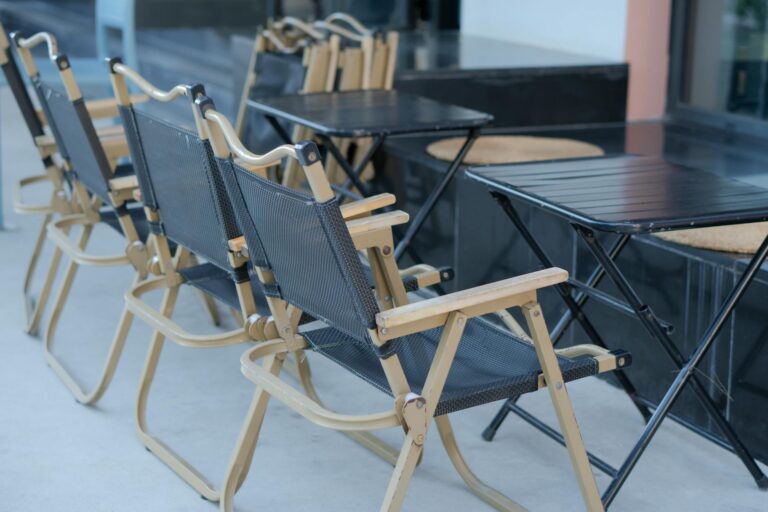
The best outdoor seat cushions for Alzheimer’s garden use combine water-resistant fabrics like Sunbrella with secure tie-down straps and contrasting colors that help with depth perception. For most families, a Sunbrella outdoor seat cushion in a bright, solid color””priced between $35.99 and $85.92″”attached to stable, non-collapsible seating provides the right balance of safety, durability, and therapeutic benefit. If the person you’re caring for has mobility challenges or incontinence concerns, you’ll want to prioritize fluid-resistant, wipeable cushioning and consider chairs with an angled seat rake that slopes toward the back to prevent sliding forward. This matters because therapeutic gardens genuinely help people with dementia.
A systematic review found that in all but two studies examined, gardening therapy and therapeutic gardens induced measurable improvements in engagement, agitation levels, depression, stress, and even medication needs. But the benefits only materialize when the seating setup feels safe and comfortable enough that the person actually wants to spend time outside. A cushion that slides around, stays soggy after morning dew, or blends into its surroundings can undermine the entire purpose of creating an outdoor therapeutic space. This article covers the specific features to look for in dementia-appropriate cushions, current pricing so you know what to budget, how to position seating within a therapeutic garden, and when to involve an occupational therapist in your decisions. We’ll also address the practical realities of incontinence management and weather exposure that many caregivers don’t think about until problems arise.
Table of Contents
- What Makes an Outdoor Seat Cushion Safe for Someone with Alzheimer’s?
- Choosing Weather-Resistant Materials That Last
- How Garden Seating Placement Affects Therapeutic Benefits
- What Should You Expect to Pay for Quality Outdoor Cushions?
- Managing Incontinence and Cleanup in Outdoor Settings
- When to Involve an Occupational Therapist
- Clinically Validated Seating: Does Accreditation Matter?
- Conclusion
What Makes an Outdoor Seat Cushion Safe for Someone with Alzheimer’s?
Safety in dementia seating comes down to stability, visibility, and ease of maintenance. The cushion itself should have fasteners at the back””typically tie-down straps””that keep it secured regardless of how much the person shifts or fidgets. This feature proves especially valuable for individuals who feel restless when sitting, which is common in middle and later stages of Alzheimer’s. A cushion that moves unexpectedly can startle someone or create a fall risk when they try to stand. Contrasting colors between the cushion and the chair frame help with sight loss and depth perception issues that frequently accompany dementia. If you have a dark metal chair, choose a light-colored cushion.
This isn’t about aesthetics””it’s about helping the person see where the seat actually is. Many people with Alzheimer’s struggle to perceive edges and surfaces accurately, and a cushion that visually blends with its chair can make sitting down feel uncertain or frightening. The chair beneath the cushion matters just as much. Avoid sharp or collapsible furniture entirely in dementia gardens. Stable, secure seating with a slight angled rake toward the back keeps patients from sliding forward””a design principle borrowed from clinical dementia chairs. While you likely won’t find this feature in standard patio furniture, you can approximate it by choosing chairs with deeper seats and using thicker cushions toward the front edge.

Choosing Weather-Resistant Materials That Last
Sunbrella fabric has become the standard for outdoor cushions because it’s fade-resistant and water-repellent, though caregivers should understand an important distinction: Sunbrella is water-resistant, not waterproof. Cushions can still become wet if left out during rain or heavy dew. DuraSeason fabric offers similar properties at sometimes lower price points. Both materials will handle typical garden conditions, but neither eliminates the need to bring cushions inside during storms or wet seasons. However, if the person you’re caring for has incontinence challenges, standard patio cushions””even water-resistant ones””may not be practical.
Clinical seating designed for Alzheimer’s care typically features fluid-resistant, wipeable cushioning that can handle accidents without absorbing moisture into foam cores where bacteria and odors develop. For outdoor use, consider covering a standard weather-resistant cushion with a removable, washable, waterproof cover, or choose all-foam cushions specifically marketed as quick-drying. The tradeoff with highly water-resistant materials is often comfort. Dense, impermeable fabrics can feel hot and sticky in summer weather, which may cause the person to resist sitting outside””defeating the therapeutic purpose entirely. In practice, many caregivers find that a medium-quality Sunbrella cushion brought inside overnight strikes the best balance between durability and daily usability.
How Garden Seating Placement Affects Therapeutic Benefits
Where you position seating matters as much as what cushions you choose. Research on sensory gardens for dementia consistently recommends placing chairs with something enjoyable to look at””flowering plants, bird feeders, water features, or garden activity. The seat should be protected from bright direct sunshine, deep shade, and strong wind. This often means positioning seating under a pergola or mature tree where light is dappled rather than harsh. Consider the case of a memory care facility that placed beautiful new cushioned benches along a garden path but positioned them facing a blank fence.
Residents rarely used them. When the benches were moved to face a raised flower bed with seasonal plantings and a small fountain, usage increased dramatically and staff noted measurable decreases in afternoon agitation levels””consistent with research showing that sensory gardens decrease agitation and improve overall health in dementia patients. Pathway width matters for getting to the seating. Gardens designed for dementia should have paths at least four feet wide to accommodate wheelchairs and walkers. Level walkways with handrails make the journey from building to bench feel safe rather than risky. If the path to comfortable seating feels precarious, the person may refuse to make the trip regardless of how inviting the destination looks.

What Should You Expect to Pay for Quality Outdoor Cushions?
Current pricing for appropriate outdoor cushions ranges widely depending on size and features. Standard Sunbrella throw pillows and seat pads run between $35.99 and $85.92, sufficient for most single-chair applications. Loveseat cushion sets measuring approximately 46 by 26 inches cost around $109.99. These prices reflect 2025-2026 retail availability at major retailers including Walmart and Target. For caregivers wanting a multi-purpose solution, garden kneeler and seat combinations like the Nalone model start at $37.99.
These products””marketed specifically for seniors””include built-in cushioning and handles that assist with standing. They’re portable, which means the person can sit wherever feels comfortable that day rather than being limited to fixed seating locations. The limitation is that kneeler-seats typically have smaller sitting surfaces and less back support than dedicated garden chairs. The cost comparison worth making is between replacing cheap cushions annually versus investing in quality materials upfront. A $40 cushion that degrades after one season of outdoor exposure costs more over three years than an $85 Sunbrella cushion that maintains its integrity. For families managing long-term care, the higher initial investment usually makes financial sense””and it means one less thing to think about replacing during an already demanding caregiving period.
Managing Incontinence and Cleanup in Outdoor Settings
Incontinence is a reality for many people with moderate to advanced Alzheimer’s, and it complicates outdoor seating in ways that generic patio furniture advice doesn’t address. Standard outdoor cushions, even water-resistant ones, aren’t designed to handle urine. The foam cores absorb liquid, developing odors that no amount of surface cleaning eliminates. In humid weather, absorbed moisture can also promote mold growth inside the cushion. Clinical dementia seating solves this with fluid-resistant, wipeable cushioning that prevents absorption entirely.
For outdoor garden use, you have several options: use incontinence pads or disposable chair covers as a barrier layer, choose cushions with removable and machine-washable covers over waterproof foam cores, or accept that cushions may need replacement more frequently and budget accordingly. Waterproof mattress protectors cut to size can serve as an improvised but effective moisture barrier beneath a standard cushion. The warning here is about dignity. Visible incontinence protection can feel stigmatizing and may cause the person to avoid sitting outside. Waterproof covers in neutral colors that don’t look medical, combined with quick and discreet cleanup routines, help preserve the therapeutic atmosphere of garden time. The goal is managing practical realities without making the person feel like a patient in their own backyard.

When to Involve an Occupational Therapist
Working with an occupational therapist when selecting seating for someone with dementia provides clinical guidance that generic product recommendations cannot. OTs conduct thorough assessments to understand individual needs””including posture requirements, fall risk factors, sensory sensitivities, and mobility limitations specific to that person. What works for one individual with Alzheimer’s may be entirely wrong for another at a different disease stage or with different physical conditions.
Occupational therapy practice guidelines specifically recommend sensory interventions as effective support for adults with Alzheimer’s disease. An OT can help you design an outdoor seating arrangement that maximizes these sensory benefits while accounting for safety. They may recommend specific cushion firmness levels, armrest heights, or positioning aids that generic advice overlooks. For families uncertain whether their current setup is helping or inadvertently creating problems, a single OT consultation can provide clarity worth far more than its cost.
Clinically Validated Seating: Does Accreditation Matter?
Only chairs with DSDC accreditation””certification from the Dementia Services Development Centre””have been clinically validated specifically for dementia use. The Atlanta 2 and Sorrento 2 models achieved Class 1A ratings, the highest designation. These are indoor clinical chairs rather than garden furniture, but their design principles inform what features matter most: appropriate seat depth, supportive but not restrictive armrests, and cushioning that balances pressure relief with postural support.
For outdoor garden seating, no equivalent accreditation system exists. This means families must apply clinical principles to standard patio furniture rather than relying on certifications. The key features to prioritize remain consistent: stable frames that won’t tip or collapse, cushions that stay in place, colors that contrast with surroundings, and positioning that supports rather than fights the body’s natural posture. When in doubt, an OT familiar with DSDC principles can evaluate whether a proposed outdoor setup meets reasonable clinical standards.
Conclusion
Selecting outdoor seat cushions for Alzheimer’s garden use requires balancing weather resistance, safety features, and the specific needs of the person you’re caring for. Sunbrella or DuraSeason fabrics with tie-down straps, placed on stable non-collapsible furniture in contrasting colors, provide the foundation. Budget between $36 and $110 depending on cushion size, and plan for moisture barriers if incontinence is a factor. Position seating to face something pleasant while protecting from environmental extremes.
The research supporting therapeutic gardens for dementia is substantial””improvements in engagement, mood, and agitation levels appear consistently across studies. But these benefits depend on the person actually feeling comfortable and safe enough to spend time outside. Investing thought and resources into appropriate seating transforms a garden from a nice idea into a genuine therapeutic intervention. When uncertainty exists about individual needs, consulting an occupational therapist provides personalized guidance that no product review can match.