
There is no single best cushion texture for Alzheimer’s patients with sensory sensitivities. The research consistently points to personalized, multi-textured approaches that combine several gentle tactile experiences on a single item, tailored to the individual’s stage of disease and specific sensory preferences. A cushion that layers soft fleece, velvet ribbons, smooth cotton, and crinkle materials, for example, gives the person options to seek out what feels calming while avoiding what feels overwhelming. The Alzheimer’s Society in the UK sells what it calls the “Bud” sensory cushion, made from attractive and tactile fabrics with fabric petals that can be themed with meaningful objects. It sits across the lap and is designed for comfort, relaxation, and repetitive soothing activity. That kind of varied, gentle design reflects what the clinical evidence supports far better than any single fabric choice.
What makes this question more urgent than it might first appear is the scale of the population affected. An estimated 7.2 million Americans age 65 and older are living with Alzheimer’s in 2025, roughly 1 in 9 people in that age group, according to the Alzheimer’s Association’s 2025 Facts and Figures report. That number is projected to reach 13.8 million by 2060. Health and long-term care costs for people with dementia are projected at $384 billion in 2025 and nearly $1 trillion by 2050. Finding the right sensory tools, including something as seemingly simple as a cushion, is not a luxury consideration. It is part of a broader clinical strategy to manage neuropsychiatric symptoms and improve quality of life. This article covers why sensory processing changes in Alzheimer’s make texture selection so important, which specific materials research and dementia organizations recommend, what textures to avoid, the clinical evidence behind multi-sensory stimulation, and practical guidance for matching cushion choices to individual needs.
Table of Contents
- Why Does Cushion Texture Matter So Much for Alzheimer’s Patients With Sensory Sensitivities?
- Which Specific Textures Are Recommended for Dementia Sensory Cushions?
- What Textures Should You Avoid for Patients With Sensory Sensitivities?
- How to Match Cushion Textures to Individual Sensory Preferences
- The Clinical Case for Multi-Sensory Stimulation Through Tactile Tools
- Creating a Sensory Cushion at Home Versus Buying One
- Where Sensory Cushion Design Is Heading
- Conclusion
Why Does Cushion Texture Matter So Much for Alzheimer’s Patients With Sensory Sensitivities?
The brain changes caused by Alzheimer’s disease do not just affect memory. They alter how a person processes sensory input from the world around them, including touch. A comparison study published in 2025 found that older adults with dementia showed above-norm low registration and sensory sensitivity compared to those without dementia. Nearly half of individuals with dementia in that study showed sensory-avoiding behaviors above the norm. This means that textures most people would never think twice about, a rough upholstery fabric, a scratchy cushion cover, can provoke distress, agitation, or withdrawal in someone with Alzheimer’s. Emerging research adds another layer to this picture. Reduced tactile sensitivity is associated with mild cognitive impairment, and tactile dysfunction has been identified as a uniquely sensitive early marker of cognitive decline, distinct from hearing, vision, or olfaction. Multiple sensory changes put individuals at nearly double the dementia risk compared to a single sensory change, according to the National Institute on Aging.
So when we talk about cushion texture, we are talking about engaging a sensory channel that is both vulnerable and therapeutically significant. A cushion that feels wrong can increase agitation. One that feels right can become a source of genuine comfort and calm. Compare two scenarios: a standard foam cushion with a polyester cover offers one uniform texture that a person either tolerates or does not. A multi-textured sensory cushion with fleece, satin, and gentle bobble textures gives that same person three or four different tactile options. If one texture feels irritating on a given day, they can shift their hands to another. This flexibility is not a design gimmick. It reflects the reality that sensory preferences in Alzheimer’s patients can fluctuate with disease progression, time of day, and overall state of agitation.
Which Specific Textures Are Recommended for Dementia Sensory Cushions?
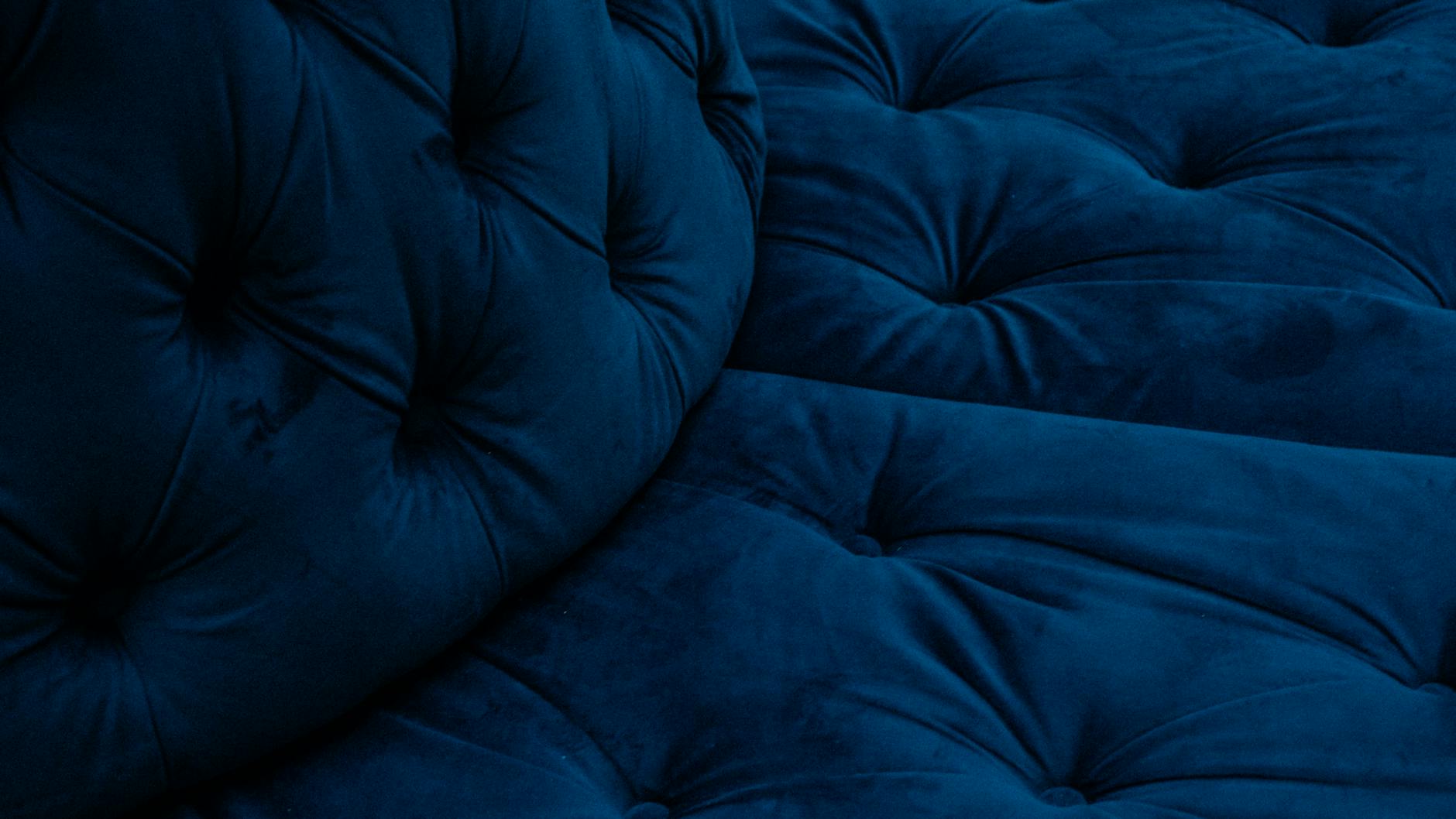
dementia care organizations and textile researchers have converged on a fairly consistent set of recommended materials. The Alzheimer’s Society recommends fiddle and fidget products incorporating varied textures including fur, sackcloth, colorful patterned fabrics, ribbons, zippers, buttons, and pockets, all materials that can be touched, rubbed, or traced with a finger. Guidance from DementiaWho specifically lists soft fleece, velvet and satin ribbons, smooth cotton, faux leather, crochet textures, sequin fabric, crinkle materials, and bobble textures as appropriate choices, with the emphasis on combining multiple gentle tactile experiences on a single item. Research published in the Design Journal in 2018 found that textiles are an important sensorial agent enhancing wellbeing and quality of life for people with dementia, particularly in later stages of the disease. The researchers noted that cushions, blankets, and textile books with zips, ribbons, buttons, and imagery encourage playful exploration and interaction, providing experiences of pleasure and increasing emotional wellbeing. This is not about distraction or keeping hands busy for its own sake.
The tactile engagement serves a therapeutic purpose, one that becomes more important as verbal communication and other cognitive functions decline. However, what works in the moderate stages of Alzheimer’s may not work in the later stages, and vice versa. A person in the early-to-moderate stages might enjoy the fine motor challenge of manipulating zippers and buttons on a sensory cushion. Someone in advanced stages may find those same elements frustrating or confusing and respond better to broad, simple textures like smooth fleece or soft cotton that require no manipulation at all. If you notice a person becoming agitated rather than soothed by a textured cushion, that is a signal to simplify rather than add complexity. The goal is always calm engagement, not stimulation for its own sake.
What Textures Should You Avoid for Patients With Sensory Sensitivities?
Knowing what to avoid matters as much as knowing what to include. DementiaWho cautions against textures or attachments that create irritating noise, as this can be counterproductive for individuals with sensory sensitivities. A crinkle insert, for example, might seem like a good tactile addition, but if the sound it produces is sharp or repetitive, it can trigger agitation rather than calm. Overstimulation occurs when a person cannot filter out unnecessary sensory input, and everyday textures can become overwhelming for someone with dementia. Research published in Frontiers in Psychology on tactile vibration reinforces the point that not all touch-related stimulation is beneficial. Rough, scratchy, or unpredictably textured surfaces can provoke a negative sensory response.
Stiff burlap, certain synthetic meshes, and materials with sharp edges or hard plastic components all fall into the category of textures that risk creating discomfort. Similarly, highly reflective sequin fabrics, while sometimes recommended in small amounts, can create visual overstimulation for patients who are also sensitive to light and movement. The guiding principle is this: every texture on a cushion should be something the person can choose to engage with, not something that forces itself on their senses. If a cushion has a scratchy patch, a loud crinkle, or an attachment that digs into the skin, it does not matter how many other lovely textures surround it. The negative input can dominate the experience. When in doubt, test each material by running your own hand across it repeatedly. If it becomes irritating after thirty seconds of sustained contact, it is likely to be irritating for a person with heightened sensory sensitivity as well.
How to Match Cushion Textures to Individual Sensory Preferences
The clinical evidence consistently supports a personalized approach rather than a one-size-fits-all recommendation. This means observing the individual, not just selecting a well-reviewed product. Start by noting what textures the person already gravitates toward in daily life. Do they repeatedly stroke a fleece blanket? Do they pick at the hem of a cotton shirt? Do they resist wearing certain fabrics? These behaviors are data. They tell you what kinds of tactile input the person finds comforting or aversive. There is a meaningful tradeoff between variety and simplicity. A cushion with six or seven different textures provides more options, but it also creates a more complex sensory environment.
For a person in the earlier stages of Alzheimer’s who still enjoys exploration and novelty, that variety may be exactly right. For someone in a later stage who is easily overwhelmed, a cushion with two or three textures, perhaps just soft fleece and smooth satin, may be more appropriate. The Alzheimer’s Society’s Bud sensory cushion takes an interesting middle approach by using fabric petals that can be themed with meaningful objects, allowing caregivers to customize the sensory experience over time as the person’s needs change. Occupational therapists can provide valuable guidance here. The American Occupational Therapy Association’s 2024 practice guidelines found strong evidence for massage and moderate evidence for environmentally-based multisensory activities in supporting adults with Alzheimer’s and related neurocognitive disorders. An occupational therapist can assess a person’s sensory profile, identify whether they tend toward sensory-seeking or sensory-avoiding behavior, and recommend specific textures and cushion configurations accordingly. If you do not have access to an occupational therapist, keep a simple log of what textures produce calm engagement versus agitation, and adjust based on what you observe over a period of weeks.
The Clinical Case for Multi-Sensory Stimulation Through Tactile Tools
The use of textured cushions does not exist in a clinical vacuum. It is part of a broader body of evidence on multi-sensory stimulation for dementia. A 2025 meta-analysis of randomized controlled trials, which searched eight databases through September 2024, found that multisensory stimulation including tactile input effectively mitigates neuropsychiatric symptoms and improves cognitive function in older adults with dementia. A 2024 study specifically found that multi-sensory stimulation can relieve apathy symptoms, behavioral and psychological symptoms, and improve quality of life in elderly Alzheimer’s patients. These findings matter because they move the conversation about cushion texture beyond personal preference and into the realm of evidence-based intervention. A well-designed sensory cushion is not simply a comfort item.
It is a tool that delivers controlled, gentle tactile stimulation, which the research shows can reduce agitation, improve mood, and support cognitive engagement. The 2018 Design Journal research reinforces this by noting that textile-based sensory items are particularly important in the later stages of dementia, when other forms of communication and engagement have become limited. A limitation worth noting is that most of the existing research on multi-sensory stimulation studies structured programs in clinical settings, such as Snoezelen rooms, rather than individual cushion use in home environments. The evidence strongly supports the principle of gentle, varied tactile input, but we do not yet have large-scale randomized trials specifically on sensory cushion design for home use. That does not mean the cushions are ineffective. It means that caregivers should view them as one component of a sensory strategy, not a standalone solution, and should remain attentive to how each individual responds.
Creating a Sensory Cushion at Home Versus Buying One
Many caregivers make their own sensory cushions or fidget blankets, and this can actually be an advantage over commercial products because it allows full control over texture selection. A homemade cushion might include a square of fleece from a favorite old blanket, a strip of satin ribbon, a pocket made of smooth cotton, and a patch of soft faux leather, all chosen based on what the specific person responds to positively. DementiaWho’s fidget blanket guide provides a useful framework, recommending the combination of soft fleece, velvet and satin ribbons, smooth cotton, faux leather, crochet textures, sequin fabric, crinkle materials, and bobble textures. The key caution with homemade cushions is safety.
All attachments need to be securely fastened so they cannot be pulled off and become a choking hazard. Buttons, beads, and small decorative elements require extra reinforcement. Zippers should be the type that cannot detach from the fabric. And all materials should be washable, because sensory cushions receive heavy handling and need regular cleaning. A commercial product from a reputable dementia care organization will have been safety-tested, which gives it an edge for caregivers who are uncertain about construction methods.
Where Sensory Cushion Design Is Heading
The intersection of textile design and dementia care is an area of growing research interest. The 2018 Design Journal study explicitly calls textiles an important sensorial agent for enhancing wellbeing in dementia, and the increasing body of evidence on multi-sensory stimulation is likely to drive more refined, evidence-based product design in the coming years. As the Alzheimer’s population grows toward a projected 13.8 million Americans by 2060, the market for well-designed sensory tools will grow with it.
What is most promising is the movement toward personalization. Rather than a generic cushion marketed as suitable for all dementia patients, the research points toward individualized sensory profiles and cushion configurations that adapt as the disease progresses. Occupational therapy assessment, caregiver observation, and a willingness to adjust textures over time represent the current best practice. The answer to the title question remains the same at the end of this article as it was at the beginning: there is no single best texture, but there is a best approach, and it is one built on gentle variety, personal relevance, and ongoing attention to how the individual responds.
Conclusion
Choosing cushion textures for an Alzheimer’s patient with sensory sensitivities is a clinical decision as much as it is a comfort decision. The research supports combining multiple gentle textures, such as soft fleece, velvet ribbons, smooth cotton, and faux leather, on a single item, while avoiding harsh textures, irritating sounds, and overstimulating visual elements. The Alzheimer’s Society’s sensory cushion products and the broader body of evidence on multi-sensory stimulation for dementia both point in the same direction: personalized, varied, and gentle tactile input that the person can engage with at their own pace. The practical next step for any caregiver is observation.
Watch what textures the person already seeks out or avoids. Start with a cushion or fidget blanket that includes two or three of those preferred textures and assess the response over several days. Consult an occupational therapist if one is available, as the American Occupational Therapy Association’s 2024 guidelines specifically support environmentally-based multisensory activities for this population. Adjust as the disease progresses. And above all, remember that the goal is not stimulation for its own sake but calm, comfortable engagement that supports the person’s dignity and wellbeing.





