The best cushion for dementia patients who nap frequently in chairs is a pressure relief cushion paired with a riser recliner chair—specifically systems like the Envelo cushion or ROHO air cushions that combine support with pressure redistribution. These specialized cushions work together to create a comfortable, safe sleeping environment while protecting fragile skin during the extended periods that dementia patients often spend seated.
As dementia progresses, patients tend to sleep more and move less, making proper cushioning not just a comfort issue but a medical necessity to prevent serious complications like pressure sores. This article explores the specific cushion features that matter most for dementia patients, the technical specifications you should understand, materials that work best for vulnerable skin, and how to work with healthcare professionals to select the right solution for your loved one. We’ll cover the differences between cushion types, what to look for in fabric and construction, and practical guidance on preventing the complications that arise when patients remain seated for long hours throughout the day.
Table of Contents
- Why Do Dementia Patients Need Special Cushions for Extended Chair Sitting?
- Types of Pressure Relief Cushions That Work Best for Dementia Patients
- Material Specifications That Protect Fragile Dementia Patient Skin
- Technical Specifications That Determine Whether a Cushion Actually Prevents Pressure Sores
- Temperature Management and Moisture Control—Why Your Patient’s Cushion Keeps Getting Damp
- Working With Occupational Therapists to Choose the Right Cushion
- Reassessing Cushion Needs as Dementia Progresses
- Conclusion
Why Do Dementia Patients Need Special Cushions for Extended Chair Sitting?
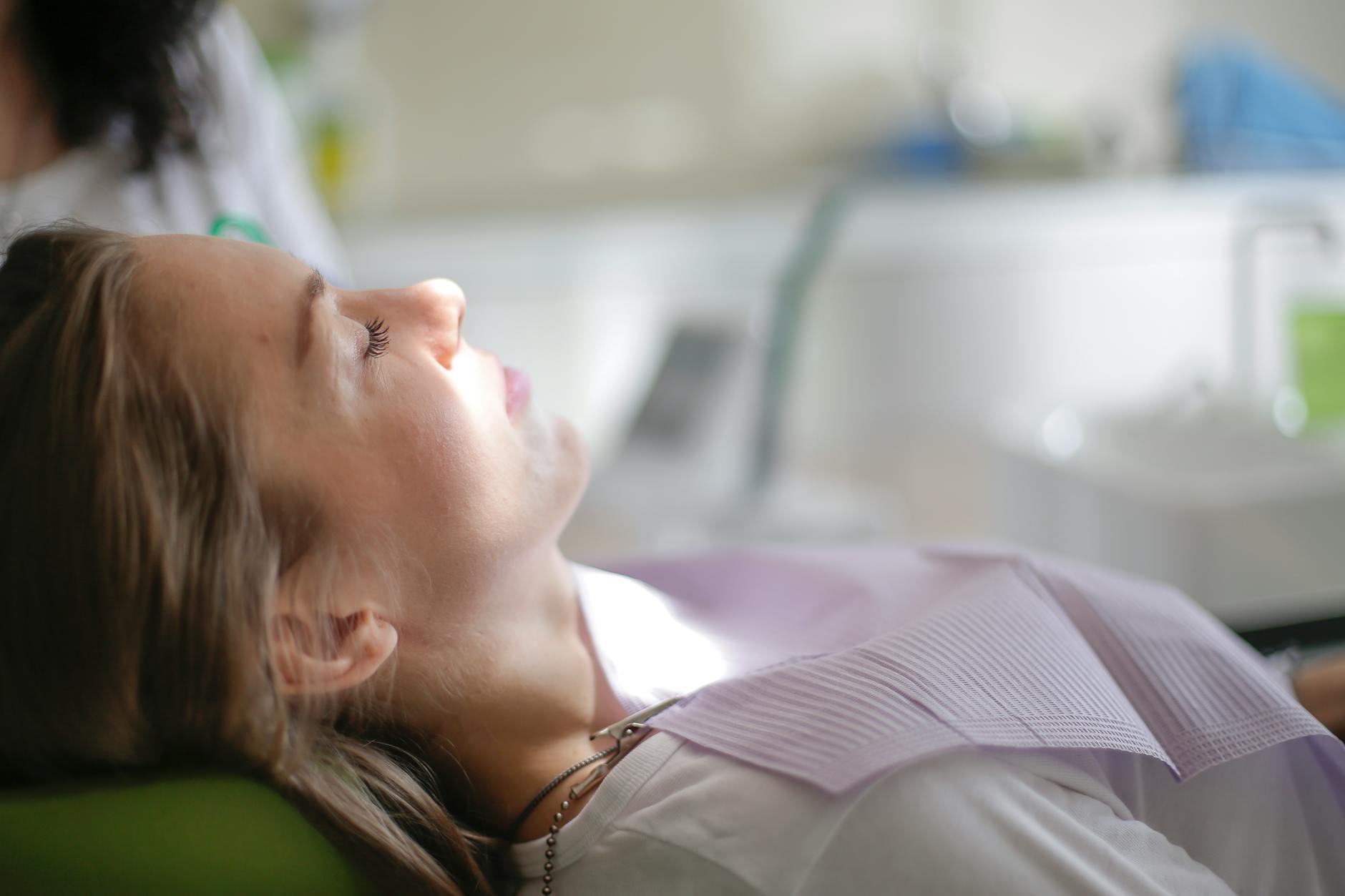
Dementia patients who nap frequently in chairs face two overlapping health challenges that ordinary cushions cannot address. First, as cognitive decline progresses, patients lose the natural ability to shift position—a movement we all do unconsciously throughout the day. This constant pressure on the same areas of skin eventually cuts off blood flow and creates pressure ulcers, which are extremely painful and can become life-threatening infections. Second, incontinence is common in dementia, meaning cushions must be easy to clean and have breathable materials that prevent moisture from trapping moisture against the skin.
A riser recliner chair with supportive cushioning addresses both issues directly. Unlike a standard armchair, a riser recliner can recline nearly flat, which distributes pressure across the patient’s entire back and legs rather than concentrating it on the lower back and tailbone. The Vivid Care research specifically recommends riser recliners with cushioning as the best option for dementia patients who require more sleep as their disease progresses, because these chairs combine the sleeping surface they need with built-in support. However, if your patient is in a standard chair, adding a high-quality pressure relief cushion is the most practical solution—it’s portable, can be transferred to other locations, and provides measurable skin protection.
Types of Pressure Relief Cushions That Work Best for Dementia Patients
The most effective pressure relief cushions for dementia patients fall into two main categories: passive gel and memory foam systems, and active alternating pressure systems. Passive systems like the ComfiLife Gel Enhanced hybrid and ROHO air cushions provide consistent pressure redistribution throughout the day without moving parts. They use either cool-gel technology or air chambers that spread the patient’s weight across a wider surface area, preventing the dangerous “hot spots” where pressure builds up. The ROHO air cushion, for example, uses individual interconnected air cells that adjust to the patient’s weight, maintaining consistent pressure relief even as they shift slightly.
Active systems like the Viola II Alternating Pressure Relief Cushion System take a different approach—they use motorized cycles that automatically shift air within the cushion, changing pressure zones every few minutes. This mimics the natural movement that dementia patients can no longer do themselves. Seating Matters recommends pressure relief upgrades specifically because cool-gel and alternating air systems significantly reduce pressure ulcer risk for patients spending extended time seated. However, there’s an important limitation: alternating pressure systems require electricity and maintenance, which means they’re better suited for patients with consistent access to charging and reliable caregiving. For patients who travel between locations or whose cushions are frequently moved, a passive gel system like the Envelo cushion—which offers excellent pressure redistribution without power requirements—may be more practical.
Material Specifications That Protect Fragile Dementia Patient Skin
The material covering your cushion matters as much as the cushion itself, because dementia patients’ skin becomes thinner, more fragile, and less responsive to pain signals as their disease progresses. Breathable, vapor-permeable materials like Dartex are the gold standard for dementia cushioning. These fabrics absorb moisture without trapping it against the skin, which is critical because dementia patients experience both perspiration from extended sitting and potential incontinence. When moisture gets trapped under a non-breathable fabric, it creates the perfect environment for skin breakdown and fungal infections.
The cushion’s interior composition should combine high-density memory foam or gel materials with premium memory foam-gel composite cores for optimal comfort during extended sitting. The distinction matters: straight memory foam retains heat and can become uncomfortably warm after several hours, while gel-enhanced materials stay cooler and maintain their supportive properties longer. MedicalExpo research on anti-decubitus cushions specifically recommends elastan-gel composition for optimal pressure distribution while minimizing heat buildup. These cushions typically come with washable, slip-resistant pillowcases that can be washed at 60°C, which is important for dementia care because hygiene is crucial when incontinence is a factor.
Technical Specifications That Determine Whether a Cushion Actually Prevents Pressure Sores
Not all pressure relief cushions are created equal, and the difference between a cushion that prevents sores and one that merely feels soft comes down to specific measurements. The cushion should allow approximately 4 centimeters of sinkage for women and 6 centimeters for men—this isn’t arbitrary, it’s based on where the pressure points sit. If a cushion is too firm and doesn’t allow enough sinkage, the sit bones and hip bones remain exposed to concentrated pressure. If it’s too soft and allows too much sinkage, the patient “bottoms out,” where their weight reaches the bottom of the cushion and pressure builds again.
Equally important is the clearance requirement: the cushion should provide at least 2 centimeters of clearance beneath the sit bones to prevent the “bottoming out” situation entirely. This means examining the product specifications before purchase—marketing claims about “gel” or “memory foam” don’t tell you whether the cushion actually meets these measurements. Many standard cushions sold as comfort upgrades fail on this technical requirement, which is why working with an occupational therapist or wound care nurse is so valuable. They can take your patient’s specific measurements and recommend cushions that meet the actual pressure distribution standards, not just feel comfortable to a caregiver’s hand.
Temperature Management and Moisture Control—Why Your Patient’s Cushion Keeps Getting Damp
Dementia patients who sleep several hours per day in the same chair often experience skin breakdown related to temperature and moisture, not pressure alone. A cushion that doesn’t breathe properly traps body heat and perspiration against the skin, creating a warm, moist environment where bacteria and fungi thrive. Even without incontinence, this moisture accumulation weakens the skin barrier and leads to rashes, fungal infections, and eventually pressure wounds. This is where the fabric and ventilation design of your cushion matters as much as the internal materials.
Breathable, vapor-permeable fabrics like Dartex actively pull moisture away from the skin rather than letting it pool. The cushion should have ventilation features that allow air to circulate—some premium cushions include ventilated gel layers or air channels specifically designed for this purpose. If your patient experiences heavy perspiration or incontinence, you may need to supplement the cushion with an absorbent, washable pad on top that can be changed more frequently than washing the entire cushion. A warning: gel-based cushions in particular can feel cold initially when your patient first sits down, which some patients find uncomfortable. Allowing the cushion to come to room temperature before use and using a thin cotton sheet on top can address this without compromising the pressure relief benefits.

Working With Occupational Therapists to Choose the Right Cushion
The perfect cushion on paper isn’t helpful if it doesn’t work for your patient’s specific body type, mobility level, and medical history. Occupational therapists and wound care nurses are recommended for personalized cushion selection because they can assess factors that cushion specifications alone don’t capture: your patient’s weight distribution, any existing pressure wounds, mobility level, incontinence patterns, and even their preferences about comfort. These professionals can make recommendations during home health visits or through doctor referrals to occupational therapy.
During a consultation, the therapist will typically observe your patient sitting in their current chair, examine their skin for early signs of pressure damage, and ask detailed questions about how much time they spend seated and whether they experience pain or shifting during rest. They may bring sample cushions to test in your home environment rather than recommending cushions based on theory alone. This is valuable because factors like the height and firmness of your patient’s existing chair, the ambient temperature of their room, and their personal comfort preferences all affect which cushion will actually be used consistently. If your patient resists the new cushion or it doesn’t fit properly in their chair, the best pressure relief technology in the world won’t help.
Reassessing Cushion Needs as Dementia Progresses
A cushion that works well in mid-stage dementia may not be appropriate later as the patient’s mobility, weight, and skin fragility change. Dementia is progressive, and your patient’s cushioning needs will evolve. As patients become less mobile and spend more time seated, their pressure ulcer risk actually increases, which means they may need to upgrade from a passive gel system to an active alternating pressure system. Conversely, if your patient becomes agitated or confused by mechanical sounds, an active system with its cycling motor may increase anxiety, requiring a switch back to a passive system despite higher pressure risk.
Regular skin assessments are essential—check your patient’s tailbone, hip bones, heels, and any areas they contact the cushion at least weekly. Early signs of pressure damage include persistent redness that doesn’t blanch when you press it with your finger, or any area of broken skin. If you notice these signs, involve your wound care nurse or occupational therapist immediately to adjust the cushion system before serious complications develop. Most dementia care involves continuous adjustment rather than finding one perfect solution and leaving it unchanged.
Conclusion
The best cushion for dementia patients who nap frequently in chairs combines a pressure relief system—typically a gel, air, or alternating pressure cushion—with breathable, moisture-wicking materials that protect fragile skin during extended sitting. Products like the Envelo cushion, ROHO air cushion, and Viola II alternating pressure systems are specifically designed for the extended immobility that characterizes dementia care, offering both comfort and measurable protection against pressure ulcers. The technical specifications matter: proper sinkage depth and clearance requirements aren’t marketing features, they’re medical necessities that determine whether a cushion actually prevents serious skin breakdown.
Your next step is to start with a conversation with your patient’s primary care physician or occupational therapist about whether a pressure relief cushion upgrade is appropriate for your patient’s current needs. Bring information about your patient’s current sitting time, any existing skin concerns, and your seating arrangement—this will help the professional make a specific recommendation. If cost is a concern, a passive gel cushion like the Envelo provides excellent value with no electricity requirements, while active alternating pressure systems offer superior protection for patients at very high pressure ulcer risk. The goal is matching the right technology to your patient’s specific situation, not purchasing the most expensive option available.