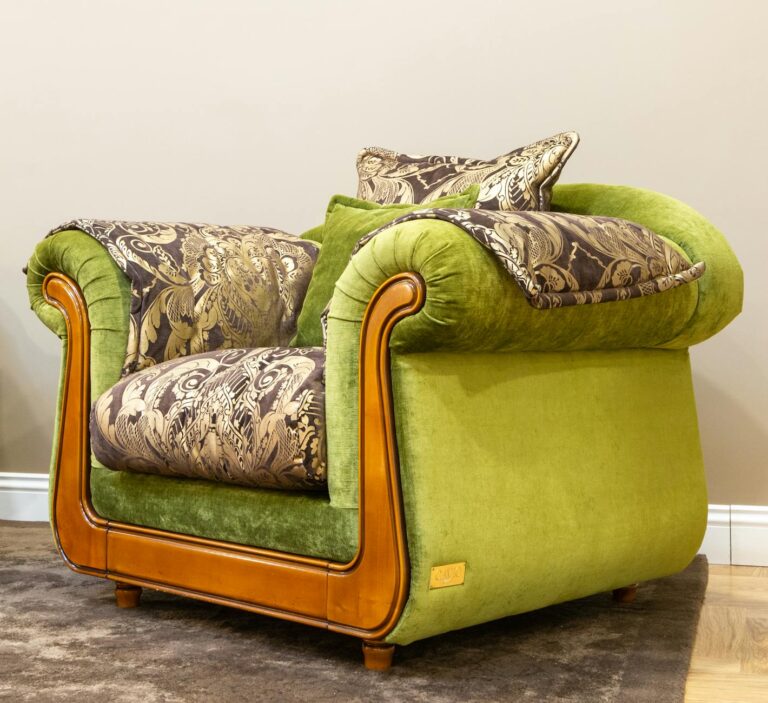
For Alzheimer’s patients dealing with tailbone sensitivity, the best cushion is typically an air-based pressure redistribution cushion with a coccyx cutout, such as the ROHO series, which clinical studies have shown produces the lowest pressure ratios at the hip compared to firm surfaces, memory foam, and gel alternatives. These cushions work by distributing body weight across a larger surface area while suspending the coccyx over an open section, eliminating the direct pressure that causes tissue breakdown. For a patient in a standard wheelchair who sits for several hours a day, a properly inflated ROHO cushion can mean the difference between developing a dangerous pressure ulcer and maintaining skin integrity — a distinction that carries life-or-death weight in this population. This recommendation comes with an important caveat: no single cushion works for every patient, and no cushion alone prevents pressure injuries.
Dementia patients are considered one of the most difficult groups to seat due to agitation, constant movement, and fall risk, which means that cushion selection must be part of a broader seating and repositioning strategy. A professional seating evaluation by a clinician is recommended before making a final choice, especially for higher-risk individuals. Medicare even covers wheelchair cushions classified as Skin Protection Cushions when the patient has a qualifying wheelchair and documented pressure ulcer history or impaired sensation — so cost should not be the primary barrier. This article covers why tailbone sensitivity is so dangerous in Alzheimer’s patients, the different types of cushions backed by clinical evidence, specific products and their price ranges, what Medicare will and will not cover, and the repositioning protocols that must accompany any cushion to actually prevent skin breakdown.
Table of Contents
- Why Are Alzheimer’s Patients With Tailbone Sensitivity at Such High Risk for Pressure Injuries?
- What Types of Cushions Actually Work — and What Does the Clinical Evidence Say?
- Which Specific Cushion Products Should Caregivers Consider for Tailbone Relief?
- How to Choose Between Air, Foam, and Gel Cushions for an Alzheimer’s Patient
- Why No Cushion Works Without a Repositioning Protocol — and What to Avoid
- How Medicare Covers Cushions for Alzheimer’s Patients — and What You Need to Qualify
- Building a Complete Tailbone Protection Strategy for Dementia Patients
- Conclusion
Why Are Alzheimer’s Patients With Tailbone Sensitivity at Such High Risk for Pressure Injuries?
The connection between dementia and pressure ulcers is not incidental — it is one of the strongest risk associations in geriatric medicine. Research published in PubMed found that 67% of geriatric patients with pressure ulcers had dementia, compared to only 23% of those without pressure ulcers. Among tube-fed patients with advanced dementia, the numbers are even more alarming: 66.5% had pressure ulcers at the time of admission. These figures reflect a convergence of factors unique to dementia — reduced mobility, impaired sensation, inability to communicate discomfort, poor nutritional status, and the loss of the instinctive urge to shift position when sitting becomes uncomfortable. Tailbone sensitivity in this population is particularly concerning because the coccyx and sacrum are bony prominences with very little natural padding. When a person sits, a disproportionate amount of body weight concentrates on these small areas. According to MedlinePlus, tissue damage from sustained pressure can begin within just 2 hours of unrelieved sitting.
A cognitively healthy person will feel discomfort and shift their weight long before that threshold. An Alzheimer’s patient in the moderate to advanced stages may not perceive the discomfort, may not understand what the sensation means, or may be physically unable to reposition themselves. The tailbone becomes a pressure point that the patient cannot protect on their own. The survival data underscores why this matters so urgently. A study published in the Journal of the American Geriatrics Society found that median survival for advanced dementia patients with pressure ulcers was just 96 days, compared to 863 days for those without. For patients who already had pressure ulcers, having dementia shortened median survival further — to 63 days versus 117 days for pressure ulcer patients without dementia. A cushion is not a comfort accessory in this context. It is a medical intervention with direct implications for how long and how well a patient lives.

What Types of Cushions Actually Work — and What Does the Clinical Evidence Say?
Three categories of cushions have meaningful clinical evidence supporting their use for pressure redistribution, and each works through a different mechanical principle. Air cushions, exemplified by the ROHO line, use interconnected air cells that allow pressure to distribute dynamically as the patient shifts. A study published in PMC found that air cushions produced the lowest pressure ratios at the hip compared to firm surfaces, memory foam, and gel alternatives. This makes them the top clinical choice for patients at high risk of pressure injury, including those with tailbone sensitivity. Skin Protection Cushions, or SPCs, represent a broader category that includes various foam and combination designs engineered specifically for pressure redistribution. A randomized clinical trial published in PMC demonstrated that SPCs used with fitted wheelchairs lowered pressure ulcer incidence among elderly nursing home residents.
The key finding was that the cushion had to be paired with a properly fitted wheelchair — the cushion alone, placed on a mismatched seating surface, did not produce the same benefit. This is a critical limitation that families often overlook when purchasing cushions online without professional guidance. Foam Cut-Out Cushions, or FCCs, take a different approach by completely off-loading bony prominences like the coccyx. Studied at Rancho Los Amigos National Rehabilitation Center, these cushions use a carved-out section beneath the tailbone to redistribute pressure toward the posterior thighs, which have more muscle and fat tissue to absorb load. However, if the foam density is too low, the patient may “bottom out,” meaning their body compresses the foam until the coccyx contacts the hard chair surface beneath — which defeats the entire purpose. High-density foam is critical to prevent this, and the cushion must be checked regularly for compression and wear. Most cushions last 12 to 24 months, and air or foam models should be replaced sooner if they show signs of wear or pressure bottoming.
Which Specific Cushion Products Should Caregivers Consider for Tailbone Relief?
The market for pressure relief cushions ranges from clinical-grade devices to consumer products, and the right choice depends on the patient’s level of risk, mobility, and care setting. ROHO cushions are the most commonly recommended by facilities and can be prescribed by a physician. Medicare covers up to 80% of the cost, with prices ranging from approximately $20 to $380 or more depending on the model. For a patient in a wheelchair who spends significant time seated, a mid-range ROHO with proper inflation is often the first recommendation from occupational therapists and wound care nurses. The downside is that air cushions require regular inflation checks and can be punctured, so caregivers need to monitor them. For patients who spend time in standard chairs or recliners rather than wheelchairs, consumer-grade cushions with coccyx cutouts offer a more accessible starting point. The ComfiLife Gel Enhanced Seat Cushion combines high-density memory foam with a cooling gel layer and a coccyx cutout for roughly $35 to $45. The Cushion Lab Pressure Relief Seat Cushion uses a patented multi-region design priced at approximately $60 to $70.
The Purple Seat Cushion employs gel grid technology tested to last over 2 years and runs about $60 to $80. Each of these products provides meaningful pressure relief for patients with moderate risk, but none of them matches the clinical-grade redistribution of an air-cell system like ROHO. They are best suited as supplementary cushions for dining chairs, car seats, or short-duration sitting — not as the primary seating surface for a patient who sits for hours at a time. For patients who are largely immobile — particularly those in recliners or beds — specialized products like the Bedsore Rescue Positioning Wedge offer a different approach. This nurse-designed wedge off-loads the tailbone and sacrum area for patients who cannot reposition themselves. Alternating pressure mattress pads, available for approximately $85 each on Amazon, use cycling air cells to continuously vary the pressure points. One caregiver reported using these pads on both a bed and recliner, achieving zero pressure ulcers over more than 2 years of patient immobility. That is an exceptional outcome, though individual results depend heavily on skin condition, nutrition, and overall care quality.

How to Choose Between Air, Foam, and Gel Cushions for an Alzheimer’s Patient
Selecting the right cushion requires weighing pressure redistribution performance against practical realities of dementia care. Air cushions like the ROHO deliver the best clinical outcomes for pressure relief, but they demand ongoing maintenance — inflation levels must be checked regularly, and a patient with agitation or restlessness may shift or damage the cushion. If the caregiver cannot reliably monitor and maintain an air cushion, a high-density foam cutout cushion may be a more practical choice despite offering somewhat less pressure redistribution, because it requires no inflation and performs consistently without adjustment. Gel cushions and gel-foam hybrids sit in the middle of this tradeoff. They provide better pressure distribution than standard foam and require less maintenance than air, but they tend to be heavier, which matters if the cushion needs to move between a wheelchair, a dining chair, and a car seat throughout the day. The Purple Seat Cushion’s gel grid technology and the ComfiLife’s gel-foam combination both address tailbone sensitivity through different mechanisms — the Purple grid flexes under pressure to distribute weight, while the ComfiLife uses a cutout to eliminate coccyx contact entirely.
For a patient who primarily needs the cushion in one location, weight is less of a concern. For a patient who moves between seating surfaces throughout the day, a lighter foam cutout cushion may be more practical even if it scores slightly lower on pressure redistribution metrics. The critical comparison point is this: consumer cushions in the $35 to $80 range are designed for comfort and moderate pressure relief. Clinical cushions like the ROHO, particularly the higher-end models, are designed to prevent tissue breakdown in patients at serious medical risk. If your loved one has a history of pressure ulcers, impaired sensation, or advanced dementia with limited mobility, a consumer cushion is not a substitute for a clinically prescribed device. It may supplement one, but it should not replace one.
Why No Cushion Works Without a Repositioning Protocol — and What to Avoid
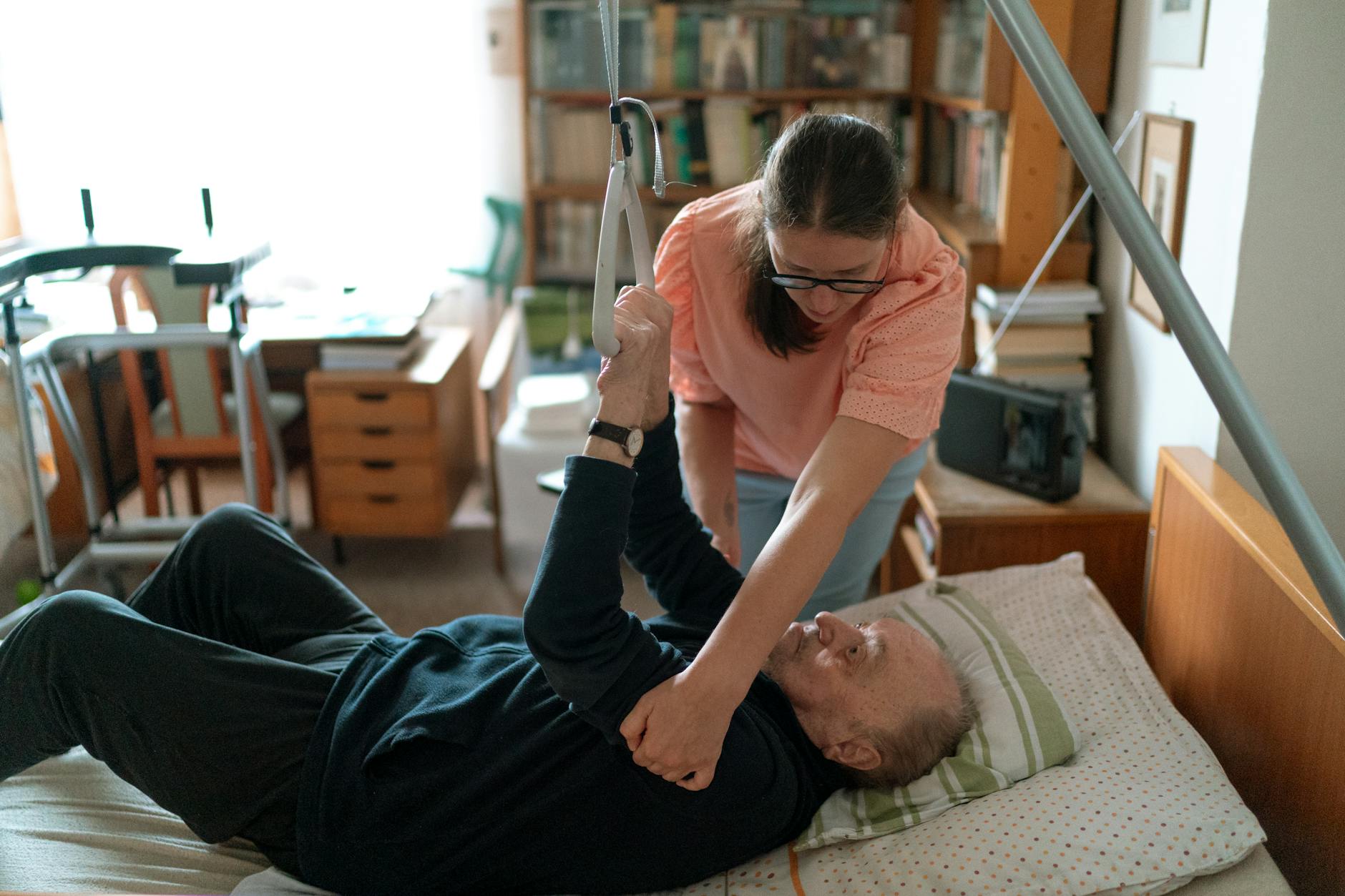
The single most important fact about pressure relief cushions is that none of them work alone. MedlinePlus guidelines state that patients who can self-adjust should reposition every 15 to 30 minutes, while those who depend on caregiver assistance need repositioning every 2 hours at minimum. A ROHO cushion sitting under a patient who has not been moved in four hours is not preventing a pressure ulcer — it is delaying one. Caregivers sometimes believe that purchasing the right cushion solves the problem, and this false confidence can lead to worse outcomes than using no cushion at all, because the cushion creates an illusion of protection that reduces vigilance. Equally important is knowing what to avoid. Donut-shaped pillows, despite their intuitive appeal for tailbone pain, are actively discouraged by medical experts. According to coccyx.org, donut pillows force the user into a slouched posture and can cause pain to travel up the spine due to the unnatural pelvic tilt they create.
The ring shape also concentrates pressure on the surrounding tissue rather than redistributing it, potentially increasing the risk of injury to areas adjacent to the coccyx. Families sometimes purchase these because they seem like a logical solution — remove pressure from the tailbone by creating a hole — but the biomechanics work against the patient. A flat cushion with a rear coccyx cutout achieves the same off-loading without the postural problems. Another common mistake is purchasing a cushion without considering the chair it will sit on. The randomized clinical trial on Skin Protection Cushions found that the benefit only materialized when the cushion was paired with a properly fitted wheelchair. A cushion placed on a sagging recliner, a dining chair that is too wide, or a wheelchair that was sized for a different patient will not perform as designed. The cushion-to-chair relationship matters, and a professional seating evaluation — which Medicare policy recommends for higher-risk patients — addresses this. CMS Local Coverage Determination L33312 outlines the criteria for when a clinician should be involved in seating decisions, and for Alzheimer’s patients with tailbone sensitivity, that threshold is almost always met.
How Medicare Covers Cushions for Alzheimer’s Patients — and What You Need to Qualify
Medicare covers wheelchair cushions classified as Skin Protection Cushions under specific HCPCS codes: E2607, E2608, E2624, and E2625. To qualify, the patient must have a qualifying wheelchair and documented evidence of a current or past pressure ulcer, or impaired sensation that places them at risk. Given that approximately 2.5 million people in the U.S. develop pressure ulcers each year according to the Agency for Healthcare Research and Quality, and that pressure ulcer prevalence in nursing homes ranges from 2.2% to 23.9%, a significant portion of Alzheimer’s patients in wheelchairs will meet the documentation threshold.
The practical steps are straightforward but require physician involvement. A doctor must prescribe the cushion and complete the required documentation. Medicare then covers up to 80% of the approved amount, with the remaining 20% falling to the patient or supplemental insurance. ROHO cushions are the most commonly prescribed through this pathway. Families should ask the prescribing physician or the patient’s occupational therapist to initiate this process rather than purchasing a cushion out of pocket first, because a cushion bought without a prescription may not be retroactively covered.
Building a Complete Tailbone Protection Strategy for Dementia Patients
The landscape of pressure injury prevention is shifting toward integrated approaches that combine seating technology, regular clinical assessment, and caregiver education. A cushion is one component of a system that also includes nutrition optimization, skin inspection protocols, moisture management, and consistent repositioning schedules. For Alzheimer’s patients specifically, the challenge of behavioral unpredictability — the agitation, the sliding, the refusal to stay seated — means that even the best cushion must be part of a care plan that accounts for the patient’s cognitive and behavioral profile.
Families and caregivers should begin with a clinical seating evaluation, pursue Medicare coverage for a prescribed cushion, establish a written repositioning schedule, and inspect the patient’s skin daily for early signs of breakdown such as redness that does not blanch when pressed. The pressure ulcer prevalence data — with one multicenter study finding an overall nursing home rate of 5.7% but individual facilities reaching as high as 19.6% — suggests that outcomes vary enormously based on the quality of preventive care. With the right cushion, the right chair, and the right protocol, tailbone injuries in Alzheimer’s patients are not inevitable. They are preventable.
Conclusion
For Alzheimer’s patients with tailbone sensitivity, the evidence points toward air-based cushions with coccyx cutouts as the most effective clinical option, with ROHO cushions leading the field in both research support and Medicare accessibility. Consumer alternatives like the ComfiLife, Cushion Lab, and Purple cushions offer meaningful supplemental relief at lower price points but should not serve as the sole intervention for patients at high risk of pressure injury. Donut pillows should be avoided entirely. The choice between air, foam, and gel depends on the patient’s risk level, the care setting, and the caregiver’s ability to maintain the cushion — but in every case, the cushion must be paired with repositioning every 2 hours at minimum. The stakes are not abstract. With median survival dropping from 863 days to 96 days when advanced dementia patients develop pressure ulcers, prevention is among the highest-impact interventions available.
Start with a conversation with the patient’s physician about a seating evaluation and Medicare-covered cushion options. Establish a repositioning schedule. Inspect the skin daily. Replace cushions that show wear — most last only 12 to 24 months. These are not extraordinary measures. They are the baseline of responsible care for a population that cannot protect itself.