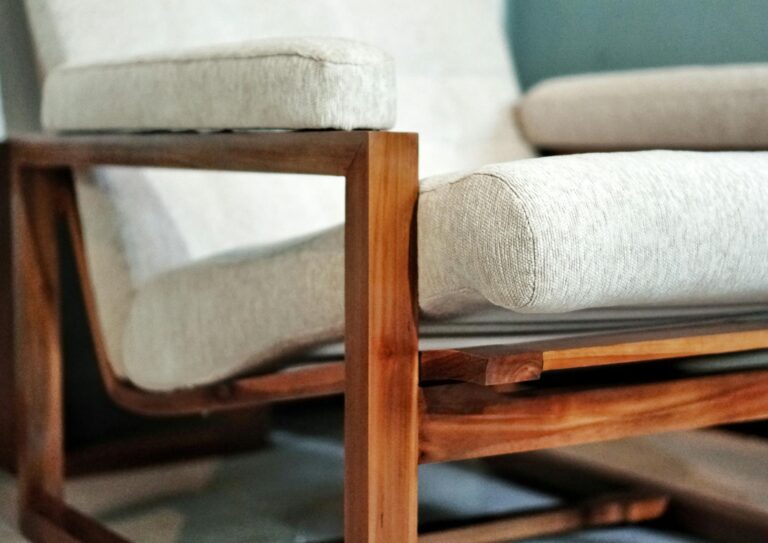
The best cushion for Alzheimer’s patients with reduced sensation is one that actively redistributes pressure across the seated surface, rather than simply adding padding. For most patients in mid-to-advanced stages, an air-cell based cushion such as the ROHO Hybrid Elite or an alternating air pressure cushion offers the strongest protection against skin breakdown, because these designs continuously adapt to shifts in posture and reduce concentrated force on bony prominences like the ischial tuberosities. One caregiver reported that after switching her 91-year-old father to an alternating air cushion, his badly discolored skin returned to normal tone within weeks, a result that underscores how much the right cushion matters when the patient can no longer feel or respond to pain. But selecting a cushion in isolation is not enough. A clinical trial found that 6.7 percent of participants using standard foam cushions developed ischial tuberosity ulcers, compared to only 0.9 percent in the group using skin-protection cushions. That gap is significant, yet the cushion is only one piece of the equation.
The chair itself, the patient’s posture, repositioning frequency, nutrition, and professional assessment all factor into whether a cushion actually prevents harm. This article walks through the specific cushion types recommended for Alzheimer’s patients who have lost sensation, the clinical evidence behind them, the mistakes that undermine even a good cushion, and the practical steps caregivers should take before spending a dollar. The stakes are not abstract. An estimated 2.5 million pressure ulcers are reported annually in U.S. acute care facilities alone, and that figure does not include cases in homes or nursing facilities. Among advanced dementia patients, 66.5 percent of tube-fed patients in one study had pressure ulcers at admission, and median survival with pressure ulcers was just 96 days compared to 863 days without them. Choosing the right cushion is, in a very real sense, a decision that affects how long and how comfortably a person with Alzheimer’s lives.
Table of Contents
- Why Do Alzheimer’s Patients With Reduced Sensation Need a Specialized Cushion?
- Comparing the Top Cushion Types for Dementia-Related Pressure Care
- Why the Chair Matters as Much as the Cushion
- How to Choose the Right Cushion Based on Risk Level and Daily Routine
- Common Mistakes That Undermine Even the Best Cushion
- Nutrition and Whole-Body Factors That Affect Pressure Injury Risk
- Getting a Professional Assessment and Planning for Changing Needs
- Conclusion
Why Do Alzheimer’s Patients With Reduced Sensation Need a Specialized Cushion?
Healthy adults shift their weight constantly while sitting, often without realizing it. These micro-movements are the body’s built-in defense against sustained pressure. In Alzheimer’s disease, particularly in advanced stages, patients progressively lose this reflex. They sit still for extended periods, concentrating their body weight on a small area of tissue over the ischial tuberosities and sacrum. When sensation is also diminished, the normal pain signal that would prompt repositioning never arrives. The result is prolonged ischemia, tissue death, and the formation of pressure ulcers that can become life-threatening. Diabetes, stroke, and advanced dementia are the chronic diseases most strongly associated with pressure ulcer development. In dementia specifically, the risk compounds because patients may not communicate pain even when tissue damage has already begun. A standard seat cushion, the kind you might pick up at a home goods store, does not address this.
It compresses under body weight and bottoms out, offering minimal pressure redistribution. A specialized pressure-relief cushion, by contrast, is engineered to spread force across a wider area and reduce peak pressure at vulnerable points. The difference between these two approaches is not marginal. It is the difference between a 6.7 percent ulcer rate and a 0.9 percent ulcer rate, as demonstrated in a randomized clinical trial comparing standard foam to purpose-built skin-protection cushions. The comparison is worth emphasizing because caregivers often assume that any soft cushion provides adequate protection. It does not. Softness and pressure redistribution are not the same thing. A memory foam pillow may feel comfortable but still allow dangerous pressure concentration. A properly designed air-cell cushion may feel less intuitively plush, but it distributes weight far more effectively across the seated surface.

Comparing the Top Cushion Types for Dementia-Related Pressure Care
Several cushion categories have demonstrated effectiveness for patients with impaired sensation, but they differ in cost, complexity, and suitability depending on the patient’s condition. The ROHO Hybrid Elite Single Compartment Cushion is designed specifically for individuals with a history of skin breakdown or impaired sensation and accommodates pelvic asymmetry, making it appropriate for patients who have developed postural changes from prolonged sitting. It uses interconnected air cells that allow air to flow between chambers, equalizing pressure. The tradeoff is price, ranging from $563 to $773 depending on profile height, and the need for periodic inflation checks and adjustment. For a more portable and affordable option, the ROHO MOSAIC Cushion uses interconnected polyvinyl air cells that adapt to movement and costs under $100. It is lightweight and suitable for patients who split time between a wheelchair and other seating. However, it provides less customization than the Hybrid Elite and may not offer sufficient protection for patients with severe postural asymmetry or very high pressure-ulcer risk.
Alternating air cushions, such as the EASE cushion, go a step further by cyclically inflating and deflating different cells, which periodically offloads pressure from different skin areas without requiring the patient or caregiver to do anything. These are particularly useful for patients who cannot be repositioned frequently. Gel-based options like the Alerta GelCube Air-Gel Cushion use honeycomb gel material and are rated among the top static pressure cushions for patients who find the sensation of dynamic air cushions uncomfortable or disorienting. Some Alzheimer’s patients become agitated by the subtle movement of alternating air systems, and in those cases, a high-quality gel cushion may be a better fit even if it offers slightly less peak pressure reduction. The Spex Modular System takes yet another approach, using various foam densities with a pocket-layer system that allows foam supports to be added or removed based on pressure mapping results. This is a strong option when an occupational therapist is involved in customizing the seating setup. No single cushion is universally best; the right choice depends on the individual patient’s risk level, behavior, posture, and care environment.
Why the Chair Matters as Much as the Cushion
One of the most common and consequential mistakes in pressure care is treating the cushion as a standalone solution. International guidelines from NICE and the EPUAP/NPIAP/Pan Pacific Alliance are clear that the entire seating system matters. Simply adding a cushion to an ill-fitting chair does not solve the problem and can actually increase pressure by lifting the patient’s feet off the ground and altering the effective dimensions of the chair. When feet dangle, the patient’s weight shifts backward onto the sacrum and coccyx, concentrating force in the very areas most vulnerable to breakdown. Tilt-in-space seating is recommended as a core pressure care strategy for patients who cannot reposition themselves. Systems like the Broda Comfort Tension Seating combine tilt and recline functions with a seating surface that molds to each user’s body shape, along with built-in fall prevention features.
The tilt function enables near “zero gravity” positioning, redistributing pressure off bony prominences and onto a broader surface area across the back and thighs. For an Alzheimer’s patient who spends many hours each day seated, this kind of system can be transformative. It does not replace a cushion but works in concert with one. The practical implication for caregivers is that before purchasing an expensive cushion, the chair itself needs evaluation. A cushion rated for high-risk patients will underperform if placed on a seat that is too deep, too wide, or too high. An occupational therapist assessment is strongly recommended before selecting a cushion. A professional seating evaluation accounts for the patient’s specific posture, risk level, mobility, and the dimensions of the chair or wheelchair they use most.
How to Choose the Right Cushion Based on Risk Level and Daily Routine
Choosing between cushion types involves weighing several tradeoffs. Air-cell cushions like the ROHO Hybrid Elite offer the highest level of pressure redistribution and are the go-to recommendation for patients with a history of skin breakdown or Stage 3 and 4 ulcers. But they require maintenance. The air cells need to be checked and adjusted regularly, and if a cell is punctured or the cushion is improperly inflated, it can bottom out and provide no protection at all. In a home care setting where the primary caregiver is a spouse or family member, this maintenance demand is a real consideration. Gel and foam hybrid cushions are lower maintenance and provide good pressure distribution for moderate-risk patients. They do not require inflation adjustments and are generally more forgiving of an imperfect setup.
The downside is that they do not match air-based systems for peak pressure reduction, and foam components degrade over time, losing their supportive properties. A foam cushion that felt adequate six months ago may no longer be performing as intended. Alternating air cushions split the difference in some respects: they actively cycle pressure without requiring caregiver intervention, but they need a power source and can be noisy or unsettling for some patients. For a patient who spends most of the day in one seat with limited caregiver availability, an alternating air cushion may be the most practical choice despite its limitations. Cost is also a factor that cannot be ignored. The range from under $100 for a ROHO MOSAIC to over $700 for a Hybrid Elite is substantial, and insurance coverage varies. Caregivers should check whether their loved one’s condition qualifies for Medicare or Medicaid coverage of pressure-relief devices, as a documented history of pressure ulcers or a physician’s assessment of high risk often makes these items eligible. Spending less on an inadequate cushion and then treating a pressure ulcer is far more expensive, both financially and in human suffering, than investing in appropriate prevention.
Common Mistakes That Undermine Even the Best Cushion
The first and most widespread mistake is using a ring or donut-shaped cushion. Despite their intuitive appeal, these cushions are explicitly contraindicated by both NICE and the EPUAP/NPIAP/Pan Pacific Alliance guidelines. Ring cushions concentrate pressure around their edges while increasing edema and venous congestion in the tissue that sits within the opening. They make the problem worse, not better, and should never be used for a patient at risk of pressure injury. The second mistake involves cushion covers and clothing. Vinyl cushion surfaces create dangerous friction and shear forces, especially when the patient wears polyester clothing. The combination of a slick synthetic fabric against a vinyl cover can cause the patient to slide forward in the chair, a phenomenon called “perching,” which concentrates pressure on the sacrum and creates shear forces that tear tissue beneath the skin even when the surface appears intact. Waterproof, machine-washable covers are essential for hygiene and incontinence management, but they should be breathable and designed to minimize friction.
A two-way stretch cover is preferable to a tight vinyl wrap. The third mistake is relying entirely on the cushion and neglecting repositioning. Even the best cushion cannot eliminate pressure completely. Repositioning should occur at minimum every two hours, adapted to the individual’s risk assessment. For very high-risk patients, more frequent repositioning may be necessary. Because Alzheimer’s patients may not communicate discomfort, regular skin inspection is essential. Caregivers should check the skin over the sacrum, ischial tuberosities, and greater trochanters at each repositioning, looking for non-blanching redness, discoloration, or changes in skin temperature. By the time a wound is visible, significant tissue damage has often already occurred beneath the surface.
Nutrition and Whole-Body Factors That Affect Pressure Injury Risk
A cushion addresses mechanical pressure, but pressure ulcers develop through a combination of mechanical and biological factors. Malnourished tissue breaks down faster under pressure, heals slower once damaged, and is more susceptible to infection. High-protein diet supplementation and anemia correction are considered best practice alongside pressure relief, according to current wound care guidelines including the WHS 2023 updated guidelines, which added a new section specifically addressing palliative wound care for seriously ill patients with pressure ulcers. For Alzheimer’s patients, nutritional challenges are common.
Appetite loss, difficulty swallowing, and forgetting to eat all contribute to poor nutritional status. Caregivers managing cushion selection and repositioning schedules should simultaneously work with the care team to ensure adequate protein intake, hydration, and correction of any anemia. A patient receiving optimal pressure redistribution from a well-chosen cushion but eating poorly is still at elevated risk. The two interventions are complementary, and neither substitutes for the other.
Getting a Professional Assessment and Planning for Changing Needs
Alzheimer’s disease is progressive, and a patient’s seating needs will change over time. A cushion and chair setup that works well during the moderate stage of the disease may become inadequate as trunk control declines, weight changes, or the patient transitions to spending more hours per day seated. An occupational therapist who specializes in seating and positioning can perform pressure mapping, assess postural stability, and recommend a system that accounts for current and anticipated future needs. This assessment is not a one-time event; it should be revisited as the disease advances.
Looking ahead, the wound care and seating industries are moving toward more integrated approaches. The 2019 international pressure injury guidelines and the 2023 WHS updates both reflect a growing recognition that pressure injury prevention in dementia patients requires coordinated care across disciplines, not just a product purchase. Caregivers who engage an occupational therapist, maintain consistent repositioning, address nutrition, and select an evidence-based cushion within a properly fitted seating system will give their loved one the strongest protection available. The cushion is one critical piece, but it works best as part of a deliberate, informed care strategy.
Conclusion
Choosing a cushion for an Alzheimer’s patient with reduced sensation is a medical decision, not a comfort preference. The evidence strongly favors air-cell and alternating air cushions for high-risk patients, with gel and modular foam systems as appropriate alternatives depending on the patient’s behavior, postural needs, and care environment. Ring cushions should never be used.
The cushion must be paired with a properly fitted chair or wheelchair, regular repositioning, skin inspections, and nutritional support to be effective. The single most important step a caregiver can take is requesting an occupational therapist assessment before selecting a cushion. A professional evaluation ensures the cushion matches the patient’s body, posture, and risk level, and that the overall seating system works together rather than at cross purposes. Given that pressure ulcers are associated with dramatically reduced survival in advanced dementia, this is an area where informed prevention makes a measurable difference in both quality and length of life.