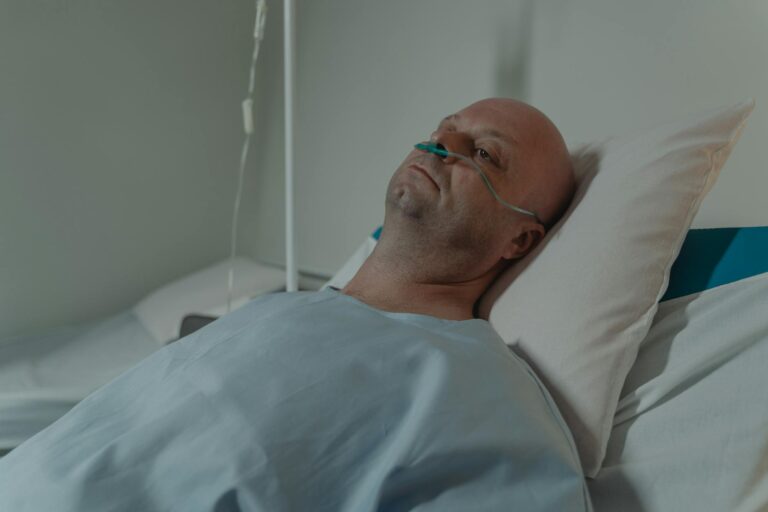
The best cushion for an Alzheimer’s patient recovering from surgery is a medical-grade pressure relief cushion—ideally one with memory foam, alternating air cells, or a combination design that keeps vulnerable skin away from hard surfaces. For post-operative Alzheimer’s patients, memory foam cushions that conform to the body and gel-infused variants that manage heat are often the first choice, while alternating air pressure cushions work well for patients who will spend extended time immobilized during recovery. The specific choice depends on your loved one’s mobility level, hospital setting, and how long the recovery will last. Why this matters for Alzheimer’s patients: pressure ulcers can form in as little as 10 to 15 minutes in people with limited mobility or fragile skin.
Patients with Alzheimer’s face especially high risk because the disease impairs their ability to perceive discomfort, communicate that they’re in pain, and shift their own weight—the self-protective behaviors that usually prevent bedsores. A surgery recovery period creates the perfect storm: immobility, weakened skin, difficulty communicating, and inability to self-advocate. This article walks you through the cushion technologies that work best, why certain designs matter for Alzheimer’s patients specifically, what to expect during post-surgical recovery, and how to work with your medical team to choose the right option. We’ll also cover what happens if you wait too long and address common mistakes families make.
Table of Contents
- Why Pressure Injury Risk Is Higher After Surgery in Dementia Patients
- Understanding Pressure Relief Cushion Technologies
- Memory Foam Cushions and Why They Work for Post-Operative Recovery
- Alternating Air Pressure Cushions for Extended Immobility
- Specialized Cushion Designs: Hollow and Cut-Out Centers
- Disposable Pressure Relief Cushions for Hospital and Short-Term Recovery
- Working with Your Care Team and Planning Ahead
- Conclusion
Why Pressure Injury Risk Is Higher After Surgery in Dementia Patients
Surgery creates acute vulnerability. Your loved one will have limited mobility, possibly be bedbound or chairbound, and their skin may be more fragile due to age or medications. In a typical post-op recovery for an older adult without dementia, the patient shifts position, complains when something hurts, and follows care instructions. An Alzheimer’s patient may do none of these things.
Research shows that dementia significantly increases pressure injury risk because it erodes the cognitive and behavioral defenses against bedsores. Patients cannot reliably perceive pain signals from pressure areas, cannot communicate discomfort to staff or family, and lack the judgment to understand why moving matters. Hospital and home care staff must do all the preventive work—monitoring, repositioning, skin checks—without the patient’s participation or feedback. One study in PMC found that elderly and nursing home residents using skin protection cushions (air, foam, or gel types) paired with fitted surfaces showed dramatically lower pressure ulcer incidence, proving that the right equipment does make a real difference when mobility is limited.
Understanding Pressure Relief Cushion Technologies
Modern pressure relief cushions fall into a few main categories, each with different strengths. Memory foam (also called visco foam) is the most common choice for post-surgical recovery. It reacts to your loved one’s body heat and pressure, softening and molding to contours, then gradually returning to shape once pressure is removed. This dual action—instant conforming plus slow recovery—distributes weight more evenly than a regular cushion, reducing peak pressures on the tailbone, hips, and other bony prominences where ulcers typically start.
Cool gel memory foam is a step up from standard memory foam. Gel-infused foam improves cooling properties because traditional memory foam tends to trap heat, which can be uncomfortable during summer recovery or in warm hospital rooms and can also increase skin moisture, a risk factor for breakdown. For an Alzheimer’s patient who cannot communicate that they’re too hot or adjust their own blankets, a cooler cushion is genuinely helpful. The third major option is alternating air pressure cushions, which use a system of air-filled cells that inflate and deflate in alternating patterns. This pumping action stimulates circulation and prevents blood from pooling under pressure points—think of it as a passive massage that keeps going 24/7, even when your loved one cannot move themselves.
Memory Foam Cushions and Why They Work for Post-Operative Recovery
Memory foam has become the standard for a reason. The material’s slow response time—where it takes seconds or minutes to fully conform and then longer to re-expand—means that small movements (like a nurse repositioning your loved one, or involuntary muscle twitches during sleep) constantly refresh the pressure distribution. This is especially valuable in post-op settings where patients are drowsy from pain medication and not actively shifting position.
A practical example: imagine your mother has just come home from hip surgery and will spend most of her time in a recliner for the next three weeks. A memory foam cushion in that recliner will protect her tailbone and hips by spreading pressure across a wider surface area. However, memory foam alone has a limitation: if your loved one sits in the exact same position for 8+ hours without repositioning, even the best foam cannot prevent a pressure ulcer. This is why professional care guidelines always emphasize that cushions are one layer of protection, not a substitute for regular turning and skin checks.

Alternating Air Pressure Cushions for Extended Immobility
If your loved one’s recovery will involve prolonged bedrest or chair time—say, six weeks of limited mobility after spinal surgery—an alternating air pressure cushion may offer better protection than foam alone. These devices cycle through inflation patterns, which means the pressure on any single point is constantly changing. A study published in PMC on pressure ulcer prevention found that when properly fitted to the chair or bed, air-filled systems significantly reduced bedsore incidence in elderly residents compared to static foam.
The trade-off: alternating air cushions require electricity (or batteries), need regular monitoring to ensure cells are inflating properly, and can be noisy if your loved one is a light sleeper. Some systems also require a waterproof covering, which adds heat. For a short hospital stay—a few days to two weeks—this complexity often isn’t necessary. But if discharge home means six to eight weeks of significant mobility loss, the investment in an air system can prevent a pressure ulcer that would extend hospital time and complicate recovery far more than the inconvenience of the device itself.
Specialized Cushion Designs: Hollow and Cut-Out Centers
Some memory foam cushions are designed with a hollow center or T-shaped cutout specifically to relieve pressure from the tailbone and buttocks area. The logic is straightforward: if nothing touches that vulnerable zone, pressure cannot form there. These cushions work especially well for patients recovering from lower-body surgery (hip, pelvic, rectal procedures) where the surgical site or surrounding tissues need protection from direct contact. However, a hollow-center design is not appropriate for all patients.
If your loved one has significant mobility loss and tends to slide or shift sideways in a chair, the cutout may actually increase pressure on the hip bones or thighs instead. Also, these specialized designs cost more and may be harder to fit to standard wheelchairs or recliners. A wound care nurse or occupational therapist should assess your specific situation before you invest in a specialized design. In many cases, a standard memory foam or gel foam cushion plus careful positioning and frequent repositioning prevents problems just as well.

Disposable Pressure Relief Cushions for Hospital and Short-Term Recovery
One trend gaining traction is single-use disposable pressure-relief cushions, especially in hospital settings and for the first week or two of home recovery. These are typically thin, lightweight foam or gel cushions designed to stay in place briefly without extensive cleaning or setup. Hospitals often prefer them because they’re inexpensive, eliminate cross-contamination risk, and require no maintenance.
For an Alzheimer’s patient, a disposable cushion during the first few days post-op (while still on IV pain medication and highly immobile) offers immediate protection at minimal cost. You can transition to a reusable memory foam or air cushion once home care begins and recovery becomes more predictable. Some families keep a disposable cushion for outings or as a backup, especially if the primary cushion needs cleaning.
Working with Your Care Team and Planning Ahead
The best cushion choice requires input from occupational therapists and wound care nurses who can assess your loved one’s specific risks. They’ll consider the type of surgery, expected recovery timeline, current skin condition, your loved one’s weight and body shape, and whether they’ll be in a bed, recliner, or wheelchair. A professional can also teach you and your family the repositioning schedule and skin checks that cushions make possible—but never replace.
Looking ahead, demand for pressure-relief solutions in dementia care is rising as more families recognize the serious risks during medical recovery. Hospitals are increasingly stocking specialized cushions, and insurance coverage for post-operative pressure prevention is improving. When your loved one is about to have surgery, mention Alzheimer’s or cognitive impairment to the surgical team early, so they can plan for appropriate cushioning and care protocols from day one rather than scrambling after a pressure ulcer appears.
Conclusion
For an Alzheimer’s patient recovering from surgery, memory foam or gel-infused memory foam cushions offer the best balance of immediate protection, ease of use, and cost for most home recoveries lasting two to six weeks. If immobility will extend beyond six weeks, an alternating air pressure system becomes worth the extra setup and maintenance. The single most important point: choose and put the cushion in place before surgery, not after a pressure ulcer starts.
Pressure ulcers can develop in 10 to 15 minutes; they can take weeks to heal and often extend hospitalization or create life-threatening infections. Start the conversation with your surgeon, discharge planner, or a wound care specialist at least one week before surgery. Describe your loved one’s cognitive status honestly, ask about the expected recovery timeline and mobility restrictions, and request a specific recommendation. Whether you choose memory foam, gel, air-filled, or a combination approach, pairing it with a care schedule that includes regular repositioning and skin checks will give your loved one the best chance at a complication-free recovery.