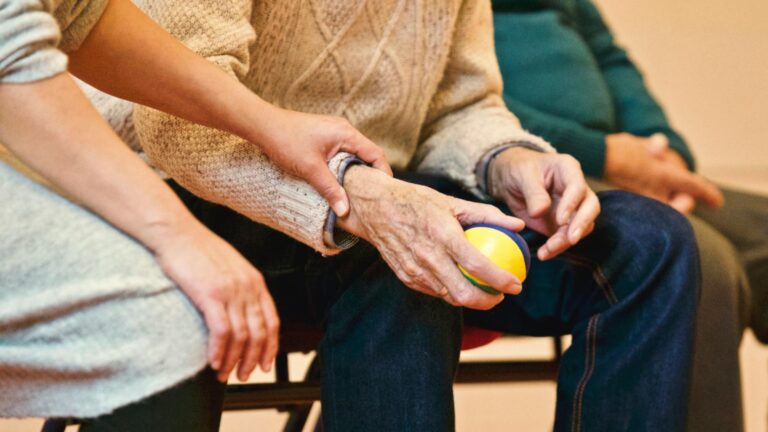
The best cooling seat cushion for Alzheimer’s patients is typically a gel-infused memory foam cushion with a breathable, washable cover””one that combines passive cooling technology with pressure relief and requires no electrical components or complicated controls. Products like the Purple Royal Seat Cushion, the ComfiLife Gel Enhanced Seat Cushion, and medical-grade gel cushions designed for wheelchair users have historically been recommended by occupational therapists working with dementia patients. The key differentiator for this population isn’t just cooling performance; it’s safety, simplicity, and ease of cleaning, since Alzheimer’s patients may be unable to communicate discomfort or manage device settings independently. Consider a common scenario: a family caregiver notices their loved one with mid-stage Alzheimer’s becoming agitated during meals or while sitting in their favorite chair. After ruling out other causes, they realize the person is overheating but can’t articulate the problem.
A well-designed cooling cushion can address this quietly and passively, improving comfort without adding complexity to daily routines. This article covers how to evaluate cooling cushion options specifically for dementia care, what features matter most, safety considerations unique to this population, and practical guidance for caregivers navigating product choices in a market flooded with options of varying quality. Beyond product recommendations, understanding why temperature regulation matters for Alzheimer’s patients helps caregivers make informed decisions. Research has shown that people with dementia often have impaired thermoregulation, meaning their bodies struggle to maintain comfortable temperatures. This makes cooling solutions not merely a comfort issue but potentially a factor in reducing agitation and behavioral symptoms.
Table of Contents
- Why Do Alzheimer’s Patients Need Specialized Cooling Seat Cushions?
- What Features Make a Cooling Cushion Safe for Dementia Care?
- How Does Gel Cooling Compare to Other Cooling Technologies?
- Selecting the Right Cushion Size and Shape for Different Seating Situations
- Common Problems with Cooling Cushions in Memory Care Settings
- The Role of Breathable Fabrics and Cover Materials
- Looking Ahead: Emerging Options and Ongoing Research
- Conclusion
Why Do Alzheimer’s Patients Need Specialized Cooling Seat Cushions?
People living with Alzheimer’s disease face unique challenges with temperature regulation that healthy adults don’t typically experience. The brain damage caused by Alzheimer’s can affect the hypothalamus, the region responsible for regulating body temperature, leading to difficulty sensing when they’re too hot or too cold. Additionally, many Alzheimer’s patients spend extended periods sitting””whether in wheelchairs, recliners, or dining chairs””which creates heat buildup and moisture accumulation that can lead to skin breakdown, pressure sores, and general discomfort that they may struggle to communicate. The specialized needs of this population go beyond what a standard office cooling cushion provides. Alzheimer’s patients may pick at cushion covers, attempt to eat small components, or become confused by cushions that make noise or have visible mechanisms.
A cooling cushion designed with dementia care in mind eliminates these risks through thoughtful design. For comparison, a standard cooling cushion marketed for office workers might feature a mesh cover with small removable parts and a pump mechanism for air circulation””all potential hazards for someone with cognitive impairment. A dementia-appropriate alternative uses a seamless, medical-grade cover with hidden zippers and passive gel technology that works silently without any moving parts. Caregivers should also consider that agitation in Alzheimer’s patients sometimes has physical causes that aren’t immediately obvious. Studies in geriatric care have documented cases where behavioral symptoms improved simply by addressing undiagnosed discomfort, including overheating. A cooling cushion represents a relatively low-cost, non-pharmacological intervention worth trying before assuming behavioral changes require medication adjustments.

What Features Make a Cooling Cushion Safe for Dementia Care?
Safety features for Alzheimer’s patients differ substantially from those prioritized for the general population. The most critical requirement is the elimination of small parts, cords, buttons, or batteries that could pose choking hazards or cause confusion. Passive cooling technology””primarily gel-infused materials or phase-change materials that absorb heat naturally””offers cooling without requiring the patient to activate or maintain anything. Electric cooling cushions, while potentially more effective at temperature reduction, introduce risks including cord strangulation, electrical burns if the device malfunctions, and confusion if the patient attempts to manipulate controls. Washability ranks as the second most important safety feature. Incontinence is common in later-stage Alzheimer’s disease, and a cushion that cannot be thoroughly cleaned becomes a hygiene hazard and potential infection source.
Look for cushions with removable, machine-washable covers made from waterproof or water-resistant materials. Some medical-grade cushions feature antimicrobial treatments that help control bacterial growth between washings. However, if the patient has severe incontinence, even the best cooling cushion should be used in conjunction with appropriate incontinence products rather than relying on the cushion’s waterproofing alone. Weight and portability also matter for caregiver convenience. A cushion that’s too heavy to move easily between the wheelchair, dining chair, and living room seating creates barriers to consistent use. Most appropriate cooling cushions weigh between one and four pounds, though gel-heavy designs tend toward the heavier end. The tradeoff is that lighter cushions often provide less cooling capacity and pressure relief, so caregivers may need to balance portability against effectiveness based on their specific care situation.
How Does Gel Cooling Compare to Other Cooling Technologies?
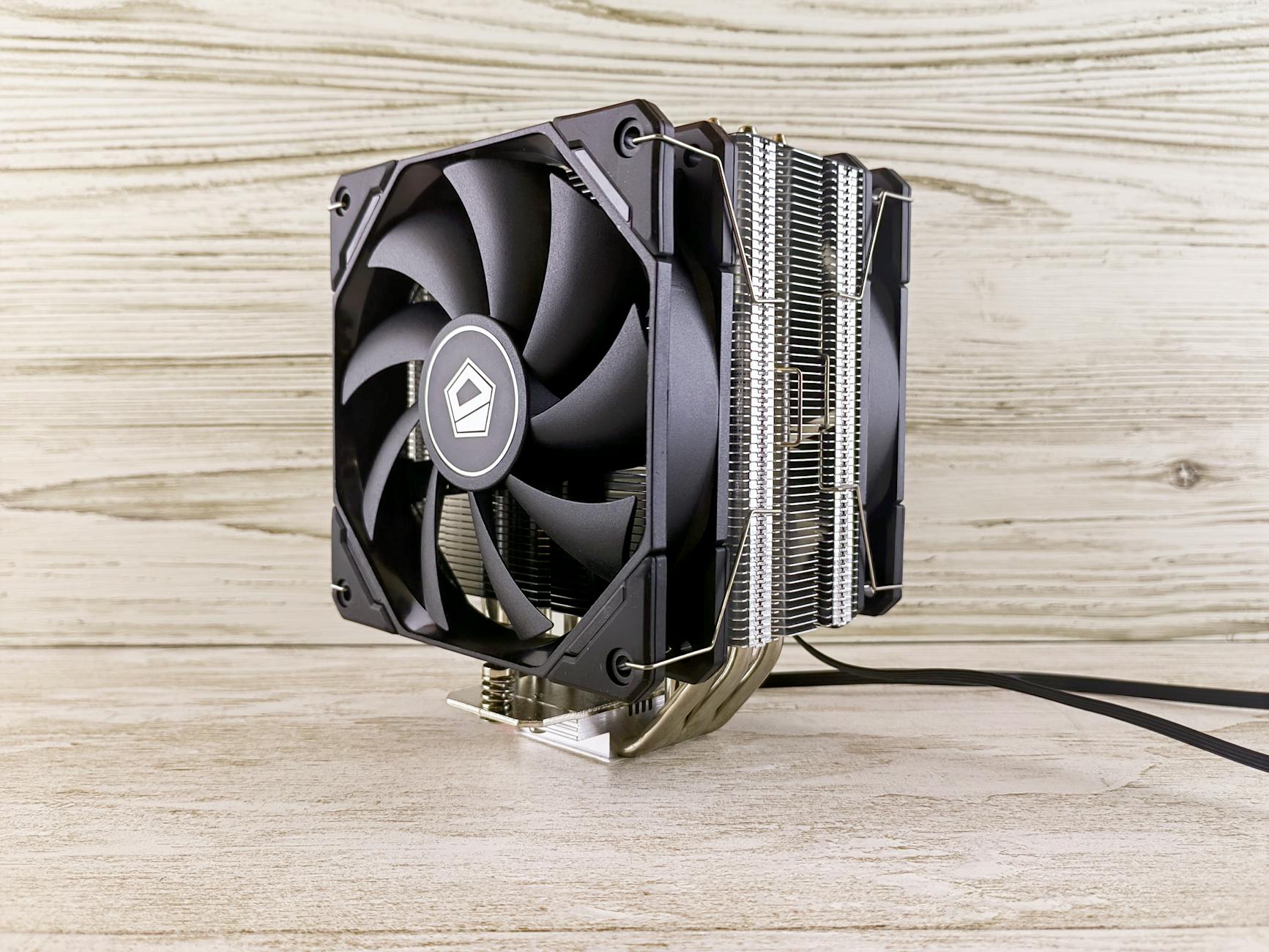
gel cooling cushions dominate the market for dementia care applications, but understanding how they compare to alternatives helps caregivers make informed choices. Gel technology works through a simple heat transfer mechanism: the gel absorbs body heat and disperses it across a larger surface area, creating a cooling sensation. This effect is temporary””typically lasting thirty minutes to two hours depending on the gel density and room temperature””after which the gel reaches equilibrium with body temperature and stops feeling cool. For patients who reposition frequently or take regular breaks from sitting, this limitation may not matter. For those who sit for extended periods without moving, gel cushions may need supplementation with other cooling strategies. Phase-change materials represent a more advanced passive cooling technology that maintains a consistent temperature over longer periods.
These materials, originally developed for NASA applications, absorb heat as they transition from solid to semi-liquid states at specific temperatures. Cushions using phase-change technology can maintain cooling effects for several hours, but they typically cost significantly more than gel alternatives and may require refrigeration to “recharge” their cooling capacity. For Alzheimer’s patients in facilities with limited refrigerator access or caregivers who prefer lower-maintenance solutions, this requirement can be prohibitive. Air-circulation cushions offer active cooling through small fans or pump systems that move air through channels in the cushion. While effective at preventing heat buildup, these products generally aren’t recommended for Alzheimer’s patients due to their mechanical components, noise generation, and power requirements. The exception might be in supervised medical settings where staff can monitor proper function and the patient isn’t at risk of tampering with the device.
Selecting the Right Cushion Size and Shape for Different Seating Situations
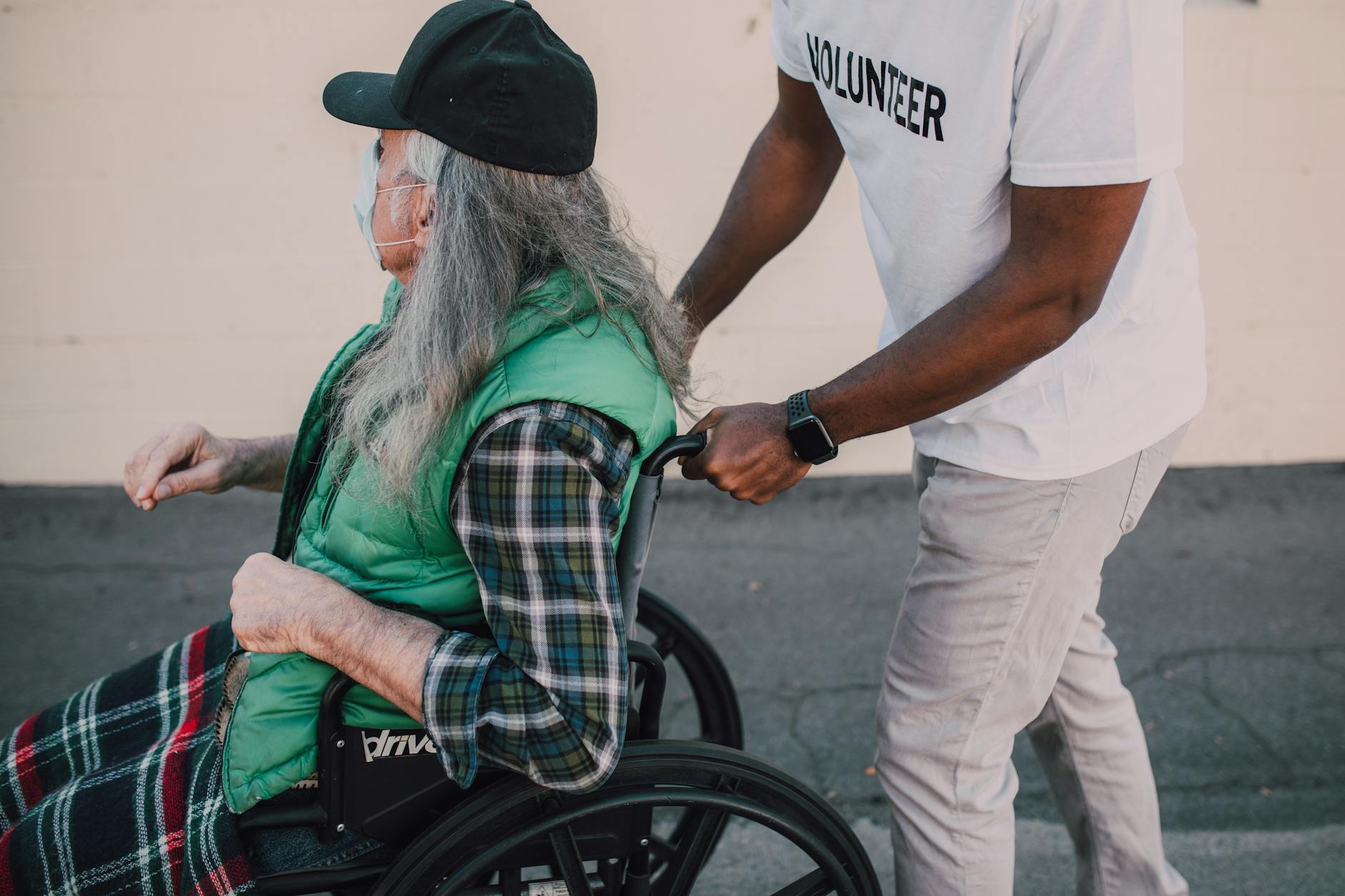
Alzheimer’s patients often use multiple seating locations throughout the day, and a cushion that works well in a wheelchair may be poorly suited for a dining chair or recliner. Wheelchair cushions are typically designed with specific dimensions to fit standard chair widths (usually sixteen to twenty inches) and include features like anti-slip bottoms and contoured edges that prevent sliding. These same features can make the cushion unstable on flat dining chair surfaces or uncomfortable in recliners that already have built-in padding. Caregivers face a practical decision: invest in multiple cushions optimized for different seating situations, or choose a versatile design that performs adequately across contexts. The single-cushion approach is simpler and ensures the patient always has access to cooling, but it sacrifices optimal fit.
For example, a contoured wheelchair cushion placed on a flat wooden dining chair may rock or shift, potentially increasing fall risk for patients with balance issues. Conversely, a flat cushion designed for dining chairs won’t provide the postural support that wheelchair-bound patients need. The safest approach for patients who use wheelchairs is typically to have a dedicated wheelchair cushion fitted by a medical equipment provider, with a separate, simpler cooling pad for other seating. Shape considerations extend beyond rectangles versus contours. Some cooling cushions feature coccyx cutouts designed to relieve pressure on the tailbone, which can benefit patients prone to pressure sores but may feel unstable for those with significant weight shifts or movement patterns. U-shaped and donut-style cushions serve specific medical needs but aren’t generally recommended for Alzheimer’s patients unless prescribed by a healthcare provider, as their unusual shapes can cause confusion or improper positioning.
Common Problems with Cooling Cushions in Memory Care Settings
Even well-chosen cooling cushions can create challenges in dementia care contexts. The most frequent issue caregivers report is the patient removing or relocating the cushion without understanding its purpose. A person with Alzheimer’s might perceive the cushion as something that doesn’t belong in their chair and repeatedly remove it, or they might sit on it incorrectly””sideways, upside down, or bunched up””negating its benefits. Cushions with non-slip bottoms and neutral colors that blend with furniture are less likely to trigger this response than brightly colored or obviously foreign-looking products. Temperature perception changes present another challenge. Some Alzheimer’s patients experience heightened sensitivity to temperature variations and may find cooling sensations unpleasant or startling, even when objectively overheated.
Others have diminished sensation and won’t notice or benefit from subtle cooling effects. Caregivers should monitor patients during initial cushion use and watch for signs of discomfort, agitation, or attempts to avoid the cushion. If the patient consistently rejects a cooling cushion, forcing its use may create more distress than the overheating it’s meant to prevent. Durability issues affect many cooling cushions after several months of daily use. Gel layers can develop permanent compressions where pressure is consistently applied, reducing both cushioning and cooling effectiveness. Budget cushions may begin leaking gel or developing odors that indicate material breakdown. For patients who require long-term daily use, investing in a medical-grade cushion with a longer warranty and replacement gel inserts often proves more economical than repeatedly purchasing consumer-grade products.
The Role of Breathable Fabrics and Cover Materials
The cover material of a cooling cushion often matters as much as the cooling technology inside. A highly effective gel core trapped under a non-breathable polyester cover will quickly become hot and uncomfortable, defeating the purpose of the cooling design. Medical-grade covers typically use technical fabrics that wick moisture away from the skin while allowing heat to transfer to the gel layer below. Bamboo-derived fabrics and specialized mesh materials perform well in testing, though any fabric’s breathability decreases when covered by clothing or incontinence products. Waterproof covers present a particular design challenge because most waterproof barriers also block airflow.
Manufacturers address this through various approaches: some use waterproof bottom layers with breathable tops, accepting that spills from above won’t be contained; others employ microporous membranes that block liquid water while allowing water vapor (sweat) to pass through. The latter technology, similar to what’s used in high-end outdoor clothing, adds cost but offers the best combination of protection and breathability for patients with incontinence concerns. Cover maintenance affects both hygiene and longevity. Removable covers that can withstand hot water washing and tumble drying offer practical advantages for infection control. However, some technical fabrics lose their breathability or moisture-wicking properties after repeated washing, particularly if washed with fabric softeners that coat the fibers. Caregivers should follow manufacturer washing instructions carefully and consider having a backup cover available to ensure the cushion can remain in use during laundry cycles.
Looking Ahead: Emerging Options and Ongoing Research
The intersection of dementia care and comfort technology continues to evolve, though slowly compared to consumer electronics markets. Some researchers are exploring “smart” cushion systems that monitor pressure distribution and temperature, alerting caregivers when a patient has been sitting too long or when temperature rises to potentially problematic levels. As of recent reports, these products remain largely in research or professional healthcare settings rather than widely available for home use, and their appropriateness for dementia patients””given the sensors and connectivity involved””remains under evaluation.
Simpler innovations may prove more practical for near-term adoption. Improvements in phase-change materials are making longer-lasting passive cooling more affordable, and advances in antimicrobial fabric treatments are reducing infection risks without requiring special cleaning procedures. For caregivers evaluating options now, the fundamental advice remains consistent: prioritize safety and simplicity over advanced features, involve healthcare providers in selection when possible, and be prepared to try multiple products before finding one that works well for a specific patient’s needs and preferences.
Conclusion
Selecting a cooling seat cushion for an Alzheimer’s patient requires balancing effectiveness against safety considerations that don’t apply to the general population. Gel-infused memory foam cushions with washable, breathable covers represent the most broadly suitable option, offering passive cooling without mechanical parts, electrical components, or complex user requirements. The best choice for any individual patient depends on their specific seating situations, stage of disease progression, incontinence status, and sensory preferences””factors that caregivers are best positioned to evaluate.
Caregivers should approach cushion selection as an iterative process rather than a one-time purchase decision. Starting with a moderately priced product allows evaluation of the patient’s response before investing in premium options. Consulting with occupational therapists or the patient’s healthcare team can provide personalized recommendations and may enable access to medical-grade products through insurance or equipment programs. When a cooling cushion works well, it offers a simple, drug-free way to improve comfort and potentially reduce agitation””a meaningful quality-of-life improvement for both patients and those who care for them.