The best chair cushion for dementia patients during one-on-one care is generally a pressure-relieving memory foam or gel-infused cushion with a non-slip base and a washable, waterproof cover. Products like the ROHO dry flotation cushions and contoured memory foam seat pads from brands such as Putnams or Drive Medical have historically been well-regarded in dementia care settings because they address the two core problems at once: preventing pressure sores during prolonged sitting and keeping the patient stable enough that a caregiver can focus on engagement rather than constant physical repositioning. For instance, a caregiver conducting a one-on-one reminiscence therapy session needs the patient to remain comfortably seated and upright for thirty to sixty minutes, and a poorly chosen cushion can turn that session into a struggle against sliding, fidgeting, or visible discomfort.
Choosing the right cushion is not as simple as picking the highest-rated option online, though. Dementia patients vary enormously in their body weight, skin fragility, agitation levels, and postural challenges, and what works for a calm, slight individual in early-stage Alzheimer’s may be entirely wrong for a larger patient with vascular dementia and a history of pressure injuries. This article covers the specific cushion types that matter for one-on-one care sessions, how to evaluate materials and features, what to watch out for with waterproofing and temperature regulation, and how to match a cushion choice to the stage and symptoms of dementia. It also addresses the practical realities of cleaning, cost, and when a standard cushion is simply not enough and a clinical seating assessment is warranted.
Table of Contents
- Why Do Dementia Patients Need Specialized Chair Cushions During One-on-One Care?
- Memory Foam vs. Gel vs. Air Flotation: Which Cushion Material Works Best?
- The Role of Non-Slip and Waterproof Features in Dementia Seating
- How to Match a Cushion to a Dementia Patient’s Stage and Symptoms
- Common Mistakes Caregivers Make When Choosing and Using Chair Cushions
- Cleaning and Hygiene Considerations for Dementia Care Cushions
- When a Standard Cushion Is Not Enough and What Comes Next
- Conclusion
- Frequently Asked Questions
Why Do Dementia Patients Need Specialized Chair Cushions During One-on-One Care?
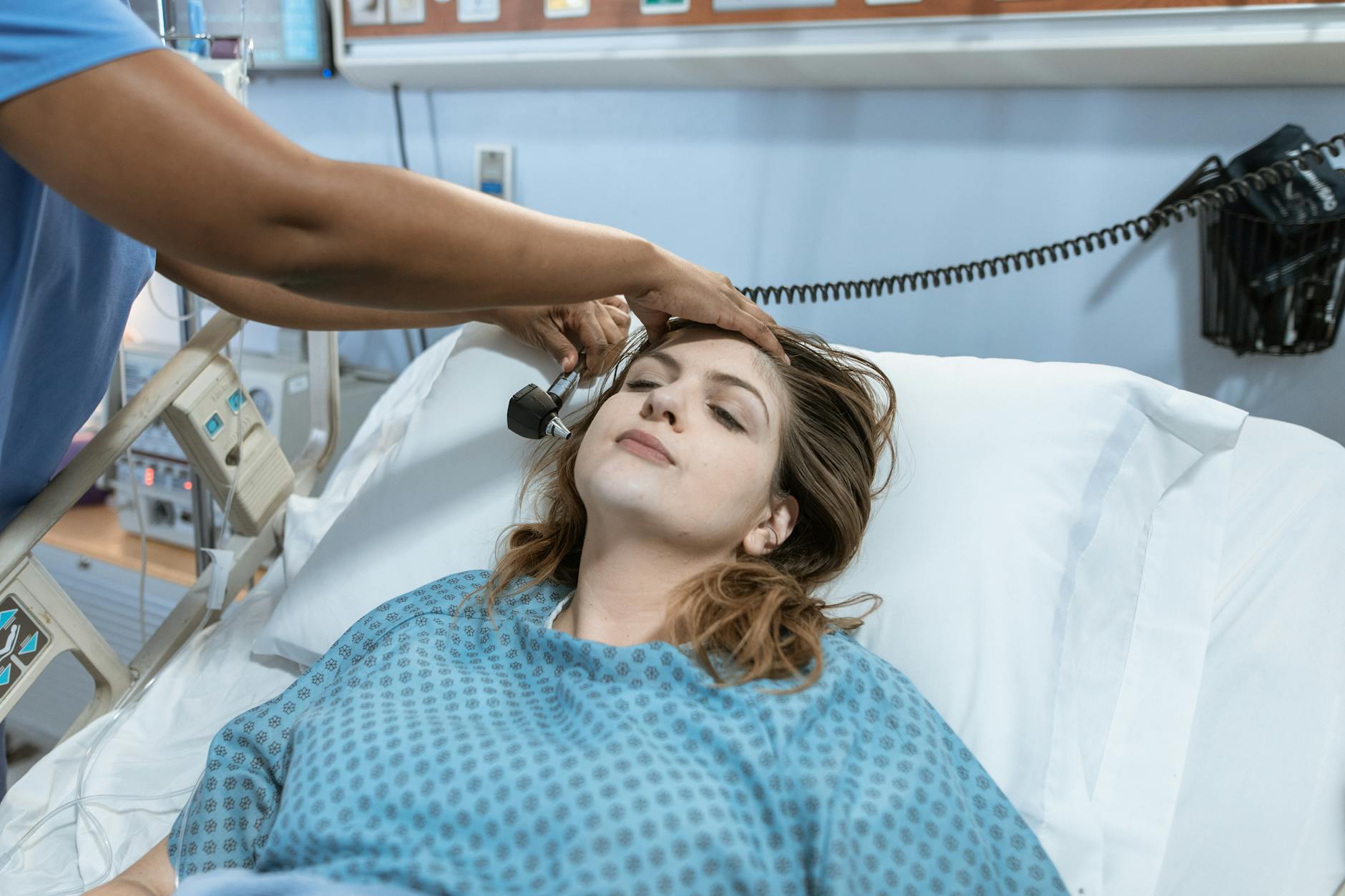
Dementia patients are at disproportionately high risk for pressure injuries compared to the general elderly population. Cognitive decline means they often cannot recognize or communicate discomfort, so they will not shift their weight the way a cognitively intact person instinctively does during a long conversation or activity. During one-on-one care, whether that involves speech therapy, occupational therapy, structured reminiscence work, or simply supervised meals, the patient may be seated in one position for an extended period. Without adequate pressure distribution, the ischial tuberosities, the bony prominences you sit on, bear a concentrated load that restricts blood flow to surrounding tissue. Over time, even within a single lengthy session, this can contribute to skin breakdown. Beyond pressure relief, the cushion plays a role in behavioral management during care sessions.
A patient who is physically uncomfortable may become agitated, attempt to stand unsafely, or disengage entirely from the activity. Caregivers working one-on-one often describe the difference between a good and bad cushion as the difference between a productive thirty-minute session and one that ends after ten minutes because the patient cannot settle. Compare, for example, a flat foam pad that has compressed over weeks of use to a properly maintained gel-foam hybrid cushion: the former offers almost no pressure redistribution and may actually create a hard, slippery surface, while the latter conforms to the patient’s anatomy and provides both stability and comfort. The distinction matters enormously when the caregiver’s goal is sustained, meaningful engagement. One important caveat is that a cushion is not a substitute for regular repositioning. Even the best pressure-relieving cushion has limits, and clinical guidelines generally recommend that seated patients be repositioned or encouraged to shift weight at regular intervals. During one-on-one care, the caregiver has the advantage of being present and attentive, which makes this easier to manage than in a group setting or when the patient is left seated alone.
Memory Foam vs. Gel vs. Air Flotation: Which Cushion Material Works Best?
The three dominant cushion technologies in clinical and home dementia care are viscoelastic memory foam, gel or gel-hybrid construction, and air flotation systems. Each has genuine strengths and meaningful drawbacks. Memory foam cushions are widely available, relatively affordable, and conform well to the body’s shape, distributing weight across a larger surface area. They are often the default recommendation for patients at low to moderate risk of pressure injury. However, memory foam retains heat, and dementia patients who are prone to agitation or who take medications that affect thermoregulation may find a standard memory foam cushion uncomfortably warm, particularly during longer care sessions. Gel cushions and gel-foam hybrids address the heat retention problem to some degree. The gel layer dissipates warmth and provides a different quality of pressure redistribution, flowing slightly under load in a way that can reduce peak pressure at bony prominences.
These cushions tend to be heavier than pure foam options, which can matter if the cushion needs to be transferred between chairs or rooms during a care visit. Some caregivers find the added weight a fair tradeoff for the improved comfort, while others consider it a practical nuisance. Air flotation cushions, with ROHO being the most recognized brand in this category, offer the highest level of pressure redistribution and are often prescribed for patients at serious risk of pressure ulcers. They consist of interconnected air cells that distribute weight dynamically. However, they require proper inflation, which must be checked regularly, and they introduce a degree of instability that can be problematic for dementia patients with poor trunk control. If a patient already tends to lean or slide, an air cushion may exacerbate the problem unless it is paired with appropriate lateral supports. For one-on-one care specifically, the caregiver can monitor and adjust, but it adds a layer of complexity that may not be justified for patients who are not at high pressure injury risk.
The Role of Non-Slip and Waterproof Features in Dementia Seating
Sliding forward in a chair is one of the most common and most dangerous seating problems for dementia patients. It places the patient at risk of falling, creates shear forces on the skin that accelerate pressure injury, and disrupts whatever activity the care session involves. A cushion with a non-slip base, typically made of rubberized or silicone-dotted fabric, grips the chair surface and reduces the likelihood that the cushion itself migrates forward as the patient moves. Equally important is the top surface: a cover that is too slick, such as some vinyl waterproof covers, can cause the patient to slide on the cushion even if the cushion stays put on the chair. The best covers for dementia care use a two-layer approach, with a waterproof membrane bonded beneath a fabric top layer that provides enough friction to keep the patient in place. Waterproofing is non-negotiable for most dementia care scenarios. Incontinence is common, particularly in mid to late-stage dementia, and even patients who are generally continent may have occasional accidents, especially during longer seated periods.
A cushion without waterproof protection will absorb urine, become unhygienic, and degrade rapidly. That said, fully sealed vinyl covers create problems of their own: they trap heat, promote sweating, and can feel clammy against skin, all of which increase discomfort and can contribute to skin maceration. The preferred solution is a cushion with a removable, machine-washable cover that incorporates a breathable waterproof membrane, similar to the technology used in mattress protectors. For example, some clinical-grade cushion covers use polyurethane-laminated fabric that blocks liquid penetration while allowing water vapor to escape, keeping the surface drier and more comfortable. One limitation worth noting is that no waterproof cover is entirely maintenance-free. Even with a good cover, caregivers should inspect the cushion interior periodically for moisture that may have seeped through seams or zipper edges. A cushion that appears clean on the outside but has absorbed moisture internally becomes a breeding ground for bacteria and mold, and the patient may be sitting on it daily without anyone realizing the problem.
How to Match a Cushion to a Dementia Patient’s Stage and Symptoms
The right cushion choice depends heavily on where the patient is in the progression of their dementia and what specific symptoms dominate their presentation. In early-stage dementia, when the patient is still relatively mobile, communicative, and able to shift their own weight, a standard contoured memory foam cushion is usually sufficient. The patient can still report discomfort, still moves somewhat independently, and is primarily using the cushion for general comfort during seated activities. At this stage, the priority is a cushion that is comfortable, easy to clean, and does not interfere with the patient’s ability to stand up independently, since overly soft or deep cushions can make transfers more difficult. In mid-stage dementia, the calculation changes. The patient may no longer reliably communicate pain or discomfort, may have reduced mobility and spend longer periods seated, and may begin to exhibit postural instability or a tendency to lean to one side. This is the stage where a gel-foam hybrid or a cushion with lateral bolsters becomes more appropriate.
The caregiver during one-on-one sessions should be assessing not just whether the patient seems comfortable, but whether their posture is being adequately supported and whether the cushion is doing its job of distributing pressure. A flat slab of foam that was fine six months ago may now be insufficient. Late-stage dementia introduces the most demanding seating requirements. The patient may be entirely dependent, unable to reposition at all, at high risk for pressure ulcers, and possibly exhibiting contractures or other musculoskeletal changes that make standard cushion shapes inappropriate. At this point, an off-the-shelf cushion may not be adequate, and a referral to an occupational therapist or seating specialist for a clinical assessment is strongly advisable. Custom-contoured cushions, specialized positioning systems, or high-end air flotation devices may be necessary. One-on-one care at this stage often involves the caregiver managing not just the activity but the patient’s entire physical positioning, and the cushion is one component of a broader postural management plan.
Common Mistakes Caregivers Make When Choosing and Using Chair Cushions
One of the most frequent errors is using a cushion long past its effective lifespan. Memory foam compresses over time, losing its ability to distribute pressure. A simple test is to place your hand under the cushion while the patient is seated: if you can feel the bony prominences of the pelvis through the cushion, it is no longer providing adequate protection. Many caregivers, particularly family members providing home care, continue using a cushion for months or even years past this point because the cushion still looks intact from the outside. Manufacturers of clinical-grade cushions sometimes provide guidelines on expected lifespan, but these vary with use patterns, patient weight, and how well the cushion has been maintained. Another common mistake is adding multiple cushions or pillows on top of each other to increase height or softness.
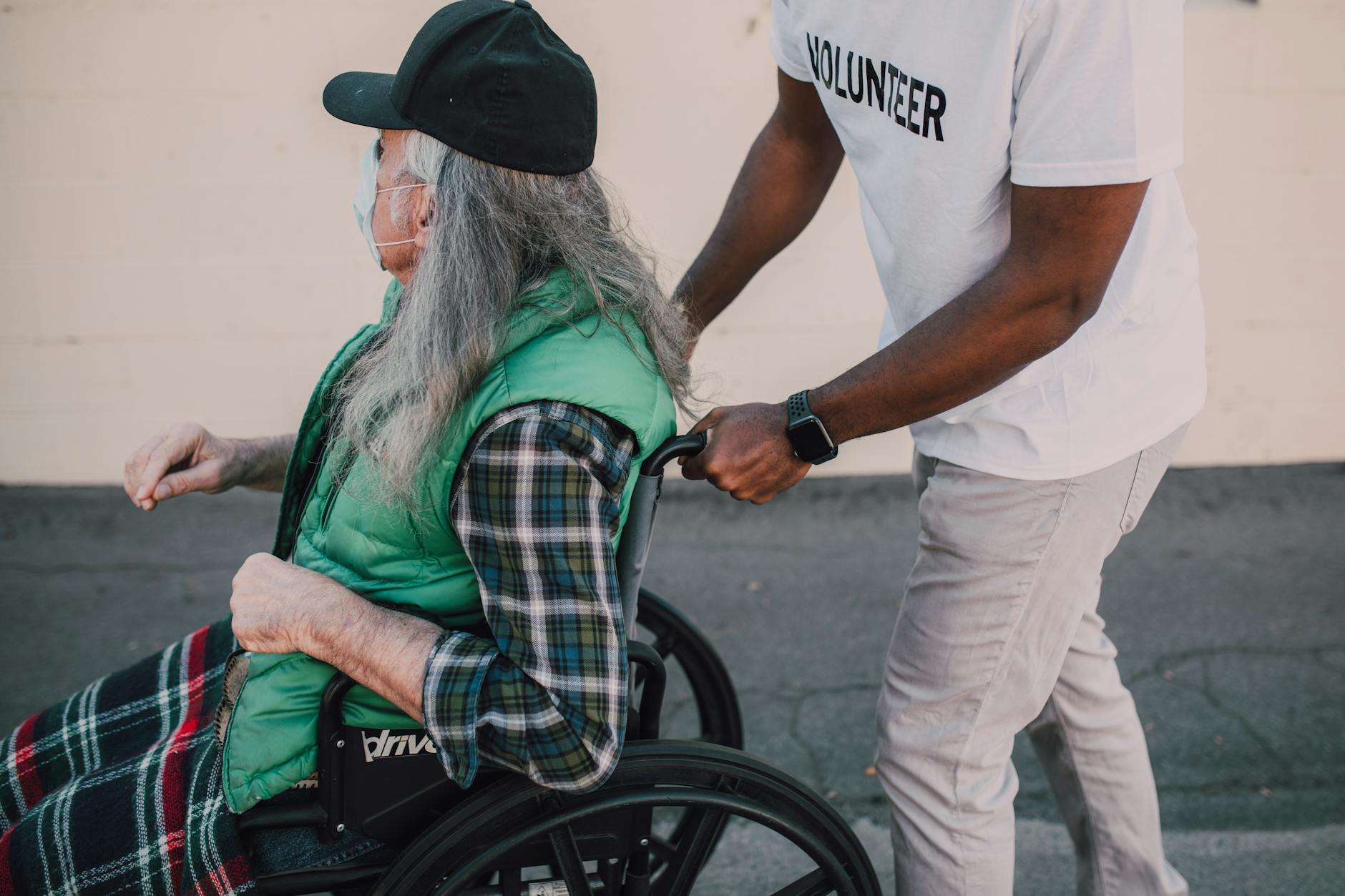
This might seem like a reasonable improvisation, but stacking cushions creates an unstable seating surface and can actually increase pressure injury risk by concentrating forces at unpredictable points. It also raises the patient’s center of gravity relative to the chair’s armrests and back support, potentially making the seat less stable and harder to transfer into and out of. If the patient needs more height to sit comfortably at a table or to facilitate transfers, the correct response is to find a single cushion of appropriate thickness or to adjust the chair or table height instead. A third issue, particularly relevant to one-on-one care, is failing to account for the specific chair being used. A cushion that works well in a standard dining chair may perform poorly in a recliner, a wheelchair, or a specialized geriatric chair. The cushion needs to match the seat dimensions, and it should not extend over the front edge of the seat pan, which can create a pressure point behind the knees and restrict circulation. Caregivers who move between different care environments, such as a home caregiver who also accompanies a patient to a day program, may need to evaluate cushion fit in each setting separately.
Cleaning and Hygiene Considerations for Dementia Care Cushions
Maintaining cushion hygiene is an ongoing practical challenge, especially for dementia patients who may be incontinent or who eat and drink while seated. The cover should be removable and machine-washable, and caregivers should have at least one spare cover available so that the cushion does not go uncovered during laundry cycles. Some cushion foams can be spot-cleaned with mild soap and water, but most should not be fully submerged or machine-washed, as this can damage the cell structure of the foam and reduce its pressure-relieving properties.
Gel inserts are generally easier to wipe down but should still be dried thoroughly before reassembly. For example, a family caregiver managing daily one-on-one meal supervision with a mid-stage dementia patient might realistically need to clean the cushion cover several times per week. Choosing a cushion with a quick-dry cover fabric and a simple zipper closure rather than a fitted elastic cover can reduce the daily friction of this task considerably. Small practical details like these accumulate over months of caregiving and can mean the difference between a cushion that is properly maintained and one that is gradually neglected.
When a Standard Cushion Is Not Enough and What Comes Next
As dementia progresses, there comes a point for many patients where even a well-chosen commercial cushion cannot adequately address the complexity of their seating needs. This is particularly true for patients who have developed pressure injuries that are not healing, who have significant postural asymmetries or contractures, or who are seated for the majority of their waking hours. In these situations, a formal seating assessment by an occupational therapist with expertise in postural management is the appropriate next step. These assessments typically involve pressure mapping, where sensors placed on the cushion surface measure the actual pressure distribution under the patient, revealing hot spots that may not be visible to the naked eye.
Looking ahead, the field of clinical seating is moving toward more personalized and responsive solutions. Some newer cushion technologies incorporate pressure-sensing elements that can alert caregivers when redistribution is needed, and there is growing interest in cushion designs that adapt dynamically to postural changes. Whether these innovations become widely accessible and affordable for home dementia care remains to be seen, but they represent a meaningful direction. For now, the most important step a caregiver can take is to treat the cushion as a clinical tool rather than an afterthought, choosing it deliberately, maintaining it properly, and reassessing its suitability as the patient’s condition evolves.
Conclusion
Selecting the right chair cushion for a dementia patient during one-on-one care is a decision that directly affects both the quality of care sessions and the patient’s physical safety. The best option for most patients is a pressure-relieving cushion made of memory foam, gel, or a hybrid of the two, equipped with a non-slip base and a washable waterproof cover. The specific choice should reflect the patient’s weight, skin integrity, postural stability, and stage of dementia, with the understanding that what works today may need to be upgraded as the condition progresses. Air flotation cushions offer superior pressure redistribution for high-risk patients but come with added complexity that must be managed.
Caregivers should resist the temptation to treat a cushion as a one-time purchase that can be forgotten once it is placed on the chair. Regular inspection for wear, proper cleaning, checking fit against the specific chair being used, and periodic reassessment of whether the cushion still meets the patient’s needs are all essential. When a standard cushion is no longer sufficient, seeking a professional seating assessment is the responsible next step. The cushion may seem like a minor detail in the broader landscape of dementia care, but for a patient who spends hours seated each day, it is one of the most consequential pieces of equipment in their daily life.
Frequently Asked Questions
How often should a chair cushion for a dementia patient be replaced?
There is no single answer, as it depends on the cushion material, frequency of use, and patient weight. Memory foam cushions typically show significant compression within one to two years of daily use. The hand-check method, pressing your hand beneath the cushion while the patient sits to feel for bony prominences, is a practical way to test whether the cushion is still effective. If you can feel the pelvis bones clearly, the cushion needs replacing regardless of its age.
Can I use a wheelchair cushion in a standard dining or armchair?
In some cases, yes, but fit matters. Wheelchair cushions are designed for specific seat widths and depths, and placing one in a chair with different dimensions can result in the cushion hanging over edges or not covering the full seat pan. This can create pressure points or instability. Always check that the cushion fits the chair before using it during care sessions.
Are heated cushions safe for dementia patients?
Generally, heated cushions are not recommended for dementia patients. Impaired sensation and communication difficulties mean the patient may not be able to tell you if the cushion is too hot, increasing the risk of burns. Patients on certain medications or with circulatory problems are at even greater risk. If warmth is desired, it is safer to ensure the room temperature is comfortable rather than introducing a heating element into the seating surface.
Does insurance cover pressure-relieving cushions for dementia patients?
Coverage varies significantly by country, insurance plan, and clinical documentation. In some healthcare systems, pressure-relieving cushions may be covered if prescribed by a physician or therapist and if the patient meets specific medical criteria, such as a documented history of pressure injuries or assessed high risk. It is worth checking with the patient’s insurance provider or a social worker who can navigate available benefits.
What is the difference between a positioning cushion and a pressure-relief cushion?
A positioning cushion is primarily designed to support posture, using contours, wedges, or lateral bolsters to keep the patient aligned in the chair. A pressure-relief cushion is designed to reduce the peak pressure on skin and tissue, distributing the patient’s weight more evenly. Some cushions combine both functions, but they address different problems. A patient with good skin integrity but poor posture may need positioning support more than pressure relief, while a patient at risk for pressure ulcers needs a cushion specifically engineered for redistribution.