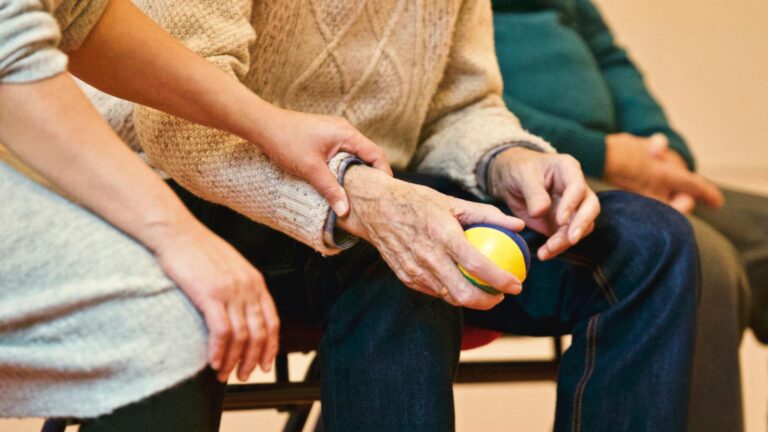
The best chair cushion for Alzheimer’s patients with diabetes is an air flotation cushion, specifically the ROHO Dry Floatation line, which has been validated in over 90 scientific and clinical studies and has outperformed gel and foam alternatives in clinical comparisons for pressure relief at the seating surface. For someone managing both cognitive decline and diabetic complications, this type of cushion addresses the most dangerous intersection of these two conditions: the inability to feel pain from sustained pressure combined with the inability to remember to shift position. A caregiver looking after a parent with moderate Alzheimer’s and Type 2 diabetes, for instance, might not realize that the standard foam cushion on a favorite recliner is quietly allowing tissue damage to develop in as little as four hours of uninterrupted sitting. That said, no single cushion works for every patient. Alternating pressure cushions from brands like Vive and Relief Chair offer active pressure cycling for patients who spend long hours in geriatric chairs, while hybrid options like the PURAP liquid-air-foam system provide a middle ground between passive and active pressure relief.
The right choice depends on how much time the person spends seated, whether they use a wheelchair or a standard chair, and how advanced their neuropathy and cognitive symptoms are. This article walks through why this dual diagnosis creates such a specific and elevated risk for pressure injuries, what the research says about different cushion types, how to evaluate specific products, and what caregivers should do beyond just buying the right cushion. This is not a minor comfort decision. Diabetic patients are five times more likely to develop pressure ulcers than healthy individuals, and when you layer Alzheimer’s disease on top of that, you lose the patient’s own ability to protect themselves. Understanding the clinical stakes makes the cushion conversation far more urgent than most families realize.
Table of Contents
- Why Do Alzheimer’s Patients With Diabetes Need a Specialized Chair Cushion?
- How Different Cushion Types Compare for Pressure Injury Prevention
- Air Flotation Cushions and Why ROHO Leads the Clinical Evidence
- Alternating Pressure and Hybrid Cushions for Extended Sitting
- The Overlooked Risk of Moisture, Temperature, and Fabric Choice
- Sensory Cushions for Dementia-Specific Behavioral Needs
- Working With Professionals and Planning for Progression
- Conclusion
- Frequently Asked Questions
Why Do Alzheimer’s Patients With Diabetes Need a Specialized Chair Cushion?
The overlap between Alzheimer’s disease and diabetes is staggering and increasingly well documented. Diabetic patients face a 73 percent higher risk of dementia and a 56 percent increased risk of Alzheimer’s disease specifically, according to a 2013 meta-analysis published in the Journal of Diabetes Investigation. A separate nine-year longitudinal cohort study found that the risk of developing Alzheimer’s is 65 percent higher in persons with diabetes compared to non-diabetic controls. Some researchers have gone so far as to describe Alzheimer’s as “Type 3 diabetes” because of the shared insulin resistance mechanisms driving both diseases. Even Type 1 diabetes carries a 50 percent higher chance of developing dementia. These are not rare overlapping conditions. Caregivers dealing with both diagnoses simultaneously represent a large and growing population. What makes this combination so dangerous for skin integrity is a compounding effect that attacks from two directions at once. Diabetic neuropathy damages the peripheral nerves, which means the patient cannot feel the pain and discomfort that would normally prompt someone to shift in their seat.
The neuropathy also impairs sweat gland innervation, leaving skin dry, fragile, and more vulnerable to breakdown. Meanwhile, Alzheimer’s disease erodes the cognitive capacity to recognize discomfort, remember to move, or communicate to a caregiver that something feels wrong. A person with diabetes alone might forget to reposition but could feel the ache building. A person with Alzheimer’s alone might forget but could still be prompted by pain. When both conditions are present, neither safety mechanism functions. Consider a nursing home resident with moderate Alzheimer’s and a ten-year history of Type 2 diabetes. Data from facilities show that the prevalence of any unhealed pressure ulcer among nursing home residents with diabetes aged 50 and older is 8.1 percent, and in high-incidence facilities, the 21-month incidence reaches 19.3 percent. That means roughly one in five diabetic residents in the worst-performing facilities will develop a pressure ulcer within less than two years. A standard chair cushion does almost nothing to prevent this. A clinically validated pressure-redistribution cushion can be the difference between intact skin and a Stage 3 wound that takes months to heal.
How Different Cushion Types Compare for Pressure Injury Prevention
Not all pressure-relief cushions are created equal, and understanding the differences matters because caregivers are often overwhelmed by options ranging from twenty-dollar foam pads to four-hundred-dollar alternating pressure systems. The clinical evidence points in a clear direction. Research published in the Journal of Rehabilitation Research and Development found that air compartment cushions have the best pressure-distributing properties among all pressure-reducing seat systems. A separate clinical comparison of three wheelchair cushions found that ROHO air flotation cushions were more effective at relieving pressure at the seating surface than both Jay cushions and Pindot cushions. The broader category of cushion materials includes air, fluid, foam, gel, water, wool, and various combinations, each of which distributes pressure and reduces friction and shear forces differently. Gel pressure cushions are among the most widely used types for elderly patients, and they have legitimate advantages: they are relatively affordable, require no inflation or adjustment, and provide a stable seating surface that does not shift under the user. For someone with mild cognitive impairment and well-controlled diabetes, a gel cushion may be entirely adequate. However, for patients with advancing Alzheimer’s and significant neuropathy, gel cushions have a ceiling.
They redistribute pressure passively, meaning the same tissue areas bear sustained load unless the person or a caregiver physically changes position. If a patient sits for three or four consecutive hours without repositioning, which is common in Alzheimer’s care, a gel cushion alone may not prevent tissue damage. It can take as little as four hours of prolonged sitting for a pressure injury to develop, regardless of cushion type. The critical limitation to understand is that passive cushions, whether foam, gel, or even basic air, all depend on regular repositioning to work effectively. Clinical guidelines recommend repositioning every one to two hours for at-risk patients. If a caregiver can reliably maintain that schedule, a high-quality passive cushion may suffice. If the patient sits for extended periods, particularly in a geriatric chair or recliner where they may doze off, an active system that cycles pressure zones automatically becomes significantly more protective. There is no cushion that eliminates the need for repositioning entirely, but active systems extend the safe window considerably.
Air Flotation Cushions and Why ROHO Leads the Clinical Evidence
ROHO Dry Floatation cushions use interconnected air cells that allow pressure to distribute dynamically across the entire seating surface. When one area bears more weight, air shifts to equalize the load, mimicking the principle of flotation. The company’s products have been featured in over 90 scientific and clinical studies, which is an unusually deep evidence base for a seating product. The cushions come in both high-profile versions at four inches of height and low-profile versions at two inches, giving caregivers options depending on the chair type and the patient’s transfer needs. For a practical example, consider the difference between placing an Alzheimer’s patient in a standard wheelchair with a foam insert versus the same wheelchair fitted with a ROHO High Profile cushion. The foam insert compresses under the ischial tuberosities, the bony prominences at the base of the pelvis, creating sustained peak pressure at exactly the spots most vulnerable to ulceration. The ROHO cushion distributes that load across a much larger surface area by allowing air to flow between cells.
For a diabetic patient whose skin is already compromised by poor circulation and neuropathy, that difference in peak pressure can determine whether tissue remains viable after a full day of sitting. The main drawback of ROHO cushions is that they require proper inflation and periodic checking. An under-inflated cushion bottoms out, which means the patient sinks through the air cells and effectively sits on the rigid base. An over-inflated cushion acts like a firm surface and defeats the purpose. For an Alzheimer’s patient who cannot communicate that something feels different, the caregiver must develop a routine of checking inflation levels. ROHO provides a hand-check method where you slide a hand under the seated patient to confirm at least an inch of air cell flex, but this requires training and consistency. In a busy household or understaffed facility, this maintenance step can be missed, and a neglected ROHO cushion is not much better than a flat piece of foam.

Alternating Pressure and Hybrid Cushions for Extended Sitting
When a patient spends significant portions of the day seated, particularly in a geriatric recliner where they may nap for hours, alternating pressure cushions offer an active solution that does not depend on caregiver-initiated repositioning. Products like the Vive Alternating Pressure Pad and the Relief Chair system use small air cells that inflate and deflate in cycles, shifting pressure from one zone to another automatically. The Vive pad fits wheelchair seats of 18 inches and larger, includes a rechargeable air pump, and actively cycles pressure zones without any input from the patient or caregiver. The Relief Chair cushion is designed specifically for geriatric chairs and recliners, incorporating low air loss technology that also helps manage moisture at the skin surface. The tradeoff with alternating pressure cushions is cost, complexity, and noise. These are powered devices with pumps that require charging or a power connection, and the cycling mechanism produces a low hum that some patients find unsettling. For an Alzheimer’s patient who is already prone to agitation, introducing a vibrating, humming cushion can sometimes trigger anxiety or restlessness.
Caregivers need to introduce these devices gradually and monitor the patient’s behavioral response during the first few days of use. If the patient repeatedly tries to remove the cushion or becomes more agitated when seated, the active cycling may be doing more harm than good from a behavioral standpoint, even if it is superior for skin protection. Hybrid cushions represent a middle ground. The PURAP cushion, for instance, uses a patented three-layer system combining liquid, air, and foam in a low-profile design measuring 18 by 20 inches at just 1.5 inches thick. It is designed specifically for bedsore prevention and healing, and because it has no moving parts or power requirements, it avoids the noise and complexity issues of alternating pressure systems. The limitation is that it still relies on passive redistribution, so it does not actively cycle pressure. For patients who sit for moderate periods of two to three hours with caregiver-assisted repositioning, a hybrid cushion provides excellent protection without mechanical complexity. For patients who sit for four or more hours with limited repositioning, the alternating pressure system remains the stronger clinical choice.
The Overlooked Risk of Moisture, Temperature, and Fabric Choice
Pressure is not the only force that destroys skin. Moisture, heat, and shear forces all contribute to tissue breakdown, and diabetic patients with neuropathy are especially vulnerable because their compromised sweat gland function creates paradoxically dry skin that is simultaneously prone to maceration when exposed to trapped moisture. An Alzheimer’s patient who is incontinent, which is common in moderate to advanced stages, faces an even more acute version of this problem. The cushion cover material matters as much as the cushion’s internal pressure-relief mechanism. Clinical seating specialists recommend breathable, vapor-permeable fabrics such as Dartex, which absorb moisture away from the skin surface and allow airflow. Many off-the-shelf cushions come with vinyl or nylon covers that trap heat and moisture against the skin, creating exactly the microenvironment that accelerates pressure injury formation.
If you purchase a clinically validated cushion like a ROHO or PURAP and then place a non-breathable cover over it, or seat the patient on it while they are wearing clothing made from non-wicking materials, you undermine the cushion’s effectiveness. Caregivers should check that the cushion cover is specifically designed for pressure care and resist the temptation to add towels, blankets, or incontinence pads on top of the cushion surface, as these create bunching and additional pressure points. A warning that applies specifically to this dual-diagnosis population: diabetic skin that appears intact can be silently deteriorating beneath the surface. Unlike a healthy person whose reddened skin after prolonged sitting will blanch white when pressed and then recover, a diabetic patient may have non-blanchable erythema, a Stage 1 pressure injury, that looks like simple redness. By the time a caregiver notices a problem, the tissue damage may already extend into deeper layers. Daily skin checks of the sacrum, ischial tuberosities, and heels should be as routine as blood glucose monitoring. No cushion, regardless of how advanced, replaces visual inspection.
Sensory Cushions for Dementia-Specific Behavioral Needs
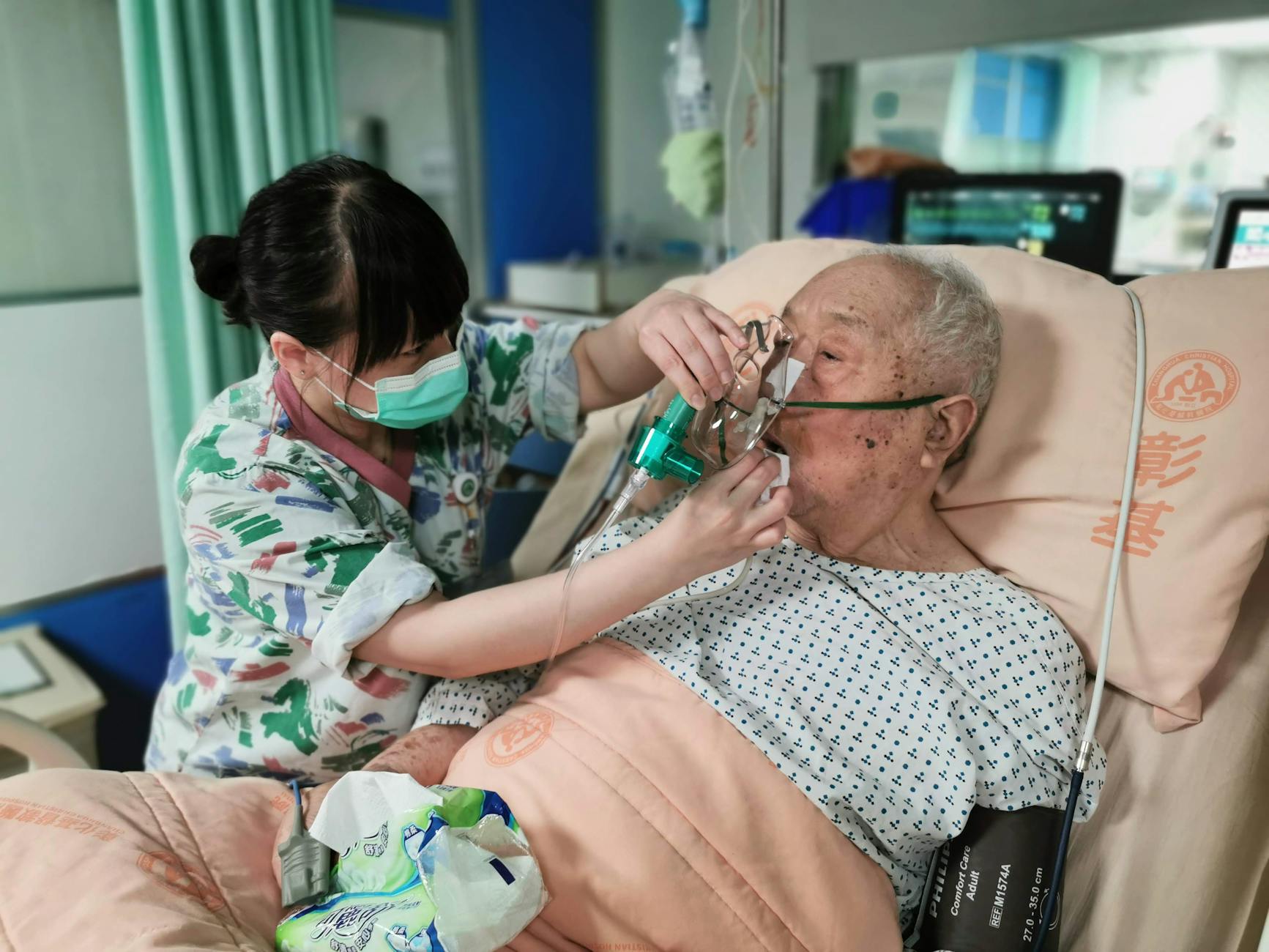
Beyond pressure relief, some Alzheimer’s patients benefit from cushions designed to provide sensory input that promotes calm and reduces agitation. Protac sensory cushions were developed specifically for populations with dementia, brain damage, autism, and ADHD. These cushions incorporate weighted elements and textured surfaces that provide proprioceptive feedback, helping patients feel grounded and secure in their seating. For a patient who is restless, repeatedly tries to stand unsafely, or becomes agitated during long periods of sitting, a sensory cushion can address the behavioral component that a purely medical pressure-relief cushion does not.
The limitation is that most sensory cushions are not engineered to the same pressure-redistribution standards as medical-grade options like ROHO or alternating pressure systems. A caregiver may need to layer interventions, using a pressure-relief cushion as the base and adding sensory elements through other means such as weighted lap blankets or textured armrest covers. The goal is to address both the medical risk of skin breakdown and the behavioral reality of a patient who cannot sit still or who resists being seated. Occupational therapists who specialize in dementia care are the best resource for designing this kind of combined approach, and regular reassessment is essential since dementia is progressive and what works at one stage may not work six months later.
Working With Professionals and Planning for Progression
The single most valuable step a caregiver can take, beyond purchasing any specific product, is arranging a professional pressure mapping assessment through a wheelchair clinic or seating specialist. Pressure mapping uses sensor arrays placed on the cushion surface to create a visual heat map of exactly where peak pressures occur for a specific patient’s body. Because every person’s anatomy, weight distribution, and postural tendencies differ, a cushion that works well for one patient may leave dangerous pressure concentrations for another. This is especially relevant for Alzheimer’s patients who may develop asymmetric postures as their condition progresses, creating uneven loading that a standard cushion cannot address.
Regular reassessment with an occupational therapist is recommended because dementia changes the patient’s needs over time. A person in early-stage Alzheimer’s who is still mobile and shifts position independently may do well with a simple gel cushion. As the disease progresses to the point where they sit passively for hours, the risk profile changes dramatically and the cushion needs to change with it. Families should plan for cushion upgrades the same way they plan for other care escalations, and they should not wait for a pressure injury to trigger the conversation. The financial cost of a high-quality pressure relief cushion, even at the upper end of three to four hundred dollars, is a fraction of the cost of treating a Stage 3 or Stage 4 pressure ulcer, which can require surgical intervention and weeks of specialized wound care.
Conclusion
Choosing a chair cushion for someone with both Alzheimer’s disease and diabetes is a clinical decision, not a comfort preference. The research consistently shows that air flotation cushions, particularly the ROHO line, offer the strongest evidence base for pressure redistribution, while alternating pressure systems provide the best active protection for patients who sit for extended periods without repositioning. Hybrid options like the PURAP cushion offer a practical middle ground, and sensory cushions from manufacturers like Protac address the dementia-specific behavioral challenges that pure pressure-relief products do not. The worst choice is the default one: leaving a dual-diagnosis patient on whatever cushion came with their chair and hoping for the best. The actionable steps are straightforward.
Request a pressure mapping assessment through a seating clinic. Consult an occupational therapist who understands both dementia progression and diabetic skin vulnerability. Choose a cushion based on clinical evidence rather than marketing, ensure it has a breathable cover, and build daily skin checks into the caregiving routine alongside repositioning every one to two hours. Alzheimer’s and diabetes each independently raise pressure injury risk to dangerous levels. Together, they create a situation where the right cushion is not optional equipment but a necessary medical intervention.
Frequently Asked Questions
What makes diabetic patients more vulnerable to pressure sores than non-diabetic patients?
Diabetic patients are five times more likely to develop pressure ulcers than healthy individuals. This increased risk comes from multiple factors: peripheral neuropathy reduces the ability to feel pain and pressure, impaired circulation slows healing, and compromised sweat gland innervation leaves skin dry and fragile. In surgical settings, the pressure ulcer risk for diabetic patients is 1.52 times higher than for non-diabetic patients. When Alzheimer’s is also present, the cognitive impairment prevents the patient from recognizing or communicating discomfort, removing another protective mechanism.
How often should an Alzheimer’s patient with diabetes be repositioned?
Clinical guidelines recommend repositioning every one to two hours for patients at risk of pressure injury. For someone with both Alzheimer’s and diabetes, erring toward the more frequent end of that range is appropriate because neither their sensation nor their cognition will prompt self-initiated movement. Even with a high-quality pressure relief cushion, repositioning remains necessary. No cushion on the market eliminates this requirement entirely, though alternating pressure systems extend the safe interval compared to passive cushions.
Is a gel cushion sufficient for someone with both conditions?
Gel cushions are widely used for elderly patients and offer reasonable pressure redistribution for people with mild risk factors. However, for someone with significant diabetic neuropathy and moderate to advanced Alzheimer’s, a gel cushion alone may not provide adequate protection during extended sitting. Gel cushions redistribute pressure passively and do not adapt to changes in posture. If the patient reliably has repositioning assistance every one to two hours and does not sit for prolonged periods, gel may work. If sitting time regularly exceeds three to four hours, clinical evidence favors air flotation or alternating pressure systems.
Should caregivers add extra padding or blankets on top of a pressure relief cushion?
No. Adding towels, blankets, or incontinence pads on top of a pressure-relief cushion can create bunching that introduces new pressure points and can trap heat and moisture against the skin. If incontinence management is needed, use a cushion with a breathable, vapor-permeable cover designed for the purpose, such as fabrics like Dartex. The cushion’s engineering depends on direct or near-direct contact with the patient through an appropriate cover, and layering additional materials defeats the pressure redistribution mechanism.
How much does a clinically validated pressure relief cushion cost, and is it covered by insurance?
Prices range from approximately fifty dollars for basic hybrid cushions like the PURAP to three hundred dollars or more for ROHO air flotation cushions and powered alternating pressure systems like the Vive. Many insurance plans, including Medicare, cover pressure-relief cushions when prescribed by a physician and supported by documentation of medical necessity. Given that treating a Stage 3 or Stage 4 pressure ulcer can cost tens of thousands of dollars and require surgical intervention, a quality cushion is one of the most cost-effective preventive investments in dementia and diabetes care.
What is the connection between Alzheimer’s disease and diabetes?
The connection is substantial and well-documented. Diabetic patients have a 73 percent higher risk of dementia and a 56 percent increased risk of Alzheimer’s disease specifically. A nine-year longitudinal study found the risk of developing Alzheimer’s is 65 percent higher in persons with diabetes. People with Type 1 diabetes have a 50 percent higher chance of developing dementia. The overlap is so significant that some researchers have proposed calling Alzheimer’s “Type 3 diabetes” because of shared insulin resistance mechanisms in the brain.