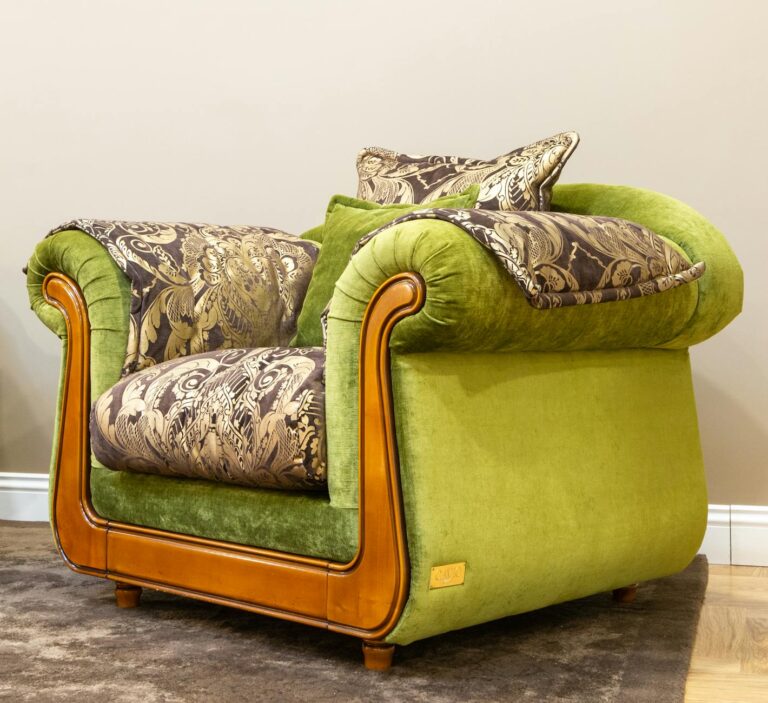
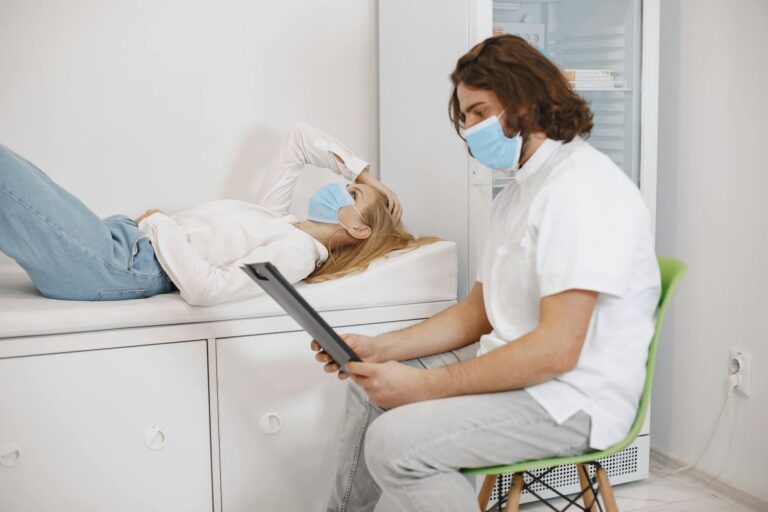
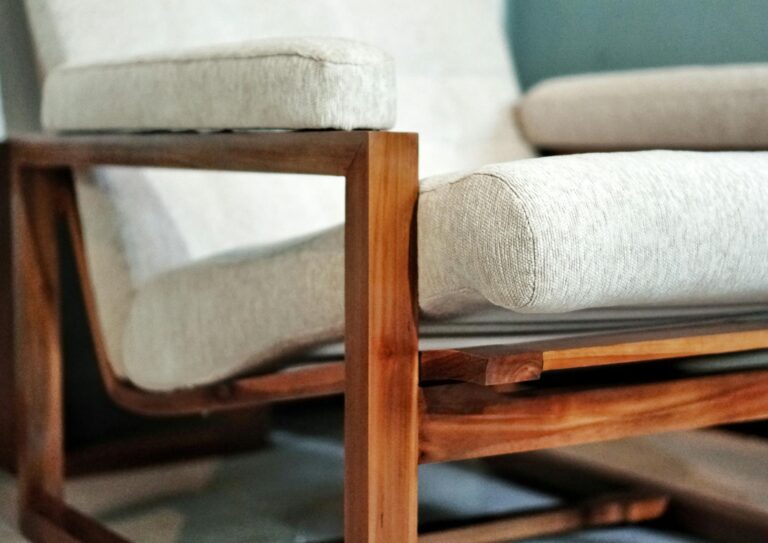
For Alzheimer’s patients dealing with circulation issues, the best chair cushion is generally a pressure-relieving alternating air cushion or a high-density memory foam cushion with a gel layer, as these types address both the prolonged sitting common in dementia care and the specific need to promote blood flow in the lower extremities and buttocks. Products from medical-grade manufacturers such as ROHO, Drive Medical, and Comfort Company have historically been among the most recommended by occupational therapists working in dementia care settings, though the right choice depends on the individual’s weight, how many hours per day they spend seated, and whether they have existing skin breakdown.
For example, a patient who sits in a wheelchair or recliner for eight or more hours daily will likely need an alternating pressure air cushion that actively cycles airflow, while someone who moves between a chair and bed throughout the day may do well with a contoured gel-foam hybrid that passively redistributes pressure. This article covers why circulation matters so much for people living with Alzheimer’s, what types of cushions exist and how they compare, how to evaluate a cushion for someone who may not be able to communicate discomfort, and the practical realities of cleaning and maintaining cushions in a caregiving environment. We also address common mistakes families make when purchasing cushions and when it is worth consulting a seating specialist rather than buying off the shelf.
Table of Contents
- Why Do Alzheimer’s Patients With Circulation Issues Need Specialized Chair Cushions?
- Types of Chair Cushions and How They Compare for Circulation Support
- How Cognitive Decline Affects Cushion Selection and Use
- Practical Guide to Fitting and Maintaining a Chair Cushion for Dementia Care
- Common Mistakes and Overlooked Risks in Cushion Use for Alzheimer’s Patients
- When Insurance or Medicare May Cover a Medical Chair Cushion
- The Future of Seating Technology for Dementia and Vascular Care
- Conclusion
- Frequently Asked Questions
Why Do Alzheimer’s Patients With Circulation Issues Need Specialized Chair Cushions?
Alzheimer’s disease changes a person’s relationship with sitting in ways that healthy adults rarely consider. As the disease progresses, many patients lose the instinct to shift their weight, cross and uncross their legs, or stand up and walk around, all of which are unconscious movements that keep blood circulating in the lower body. A person without cognitive impairment might reposition themselves dozens of times per hour without thinking about it. An Alzheimer’s patient in the moderate to severe stages may sit in the same position for hours, creating sustained pressure on the ischial tuberosities, the sitting bones, and the sacrum, which compresses blood vessels and reduces circulation to the skin and underlying tissue. When you add pre-existing circulation problems such as peripheral artery disease, diabetes-related vascular insufficiency, or chronic venous insufficiency, the stakes increase considerably. Poor circulation already means that tissue receives less oxygen and nutrients, and sustained pressure from sitting compounds this by further restricting blood flow.
The result can be pressure injuries, sometimes called pressure ulcers or bedsores, which in elderly patients with compromised circulation can progress from redness to open wounds with alarming speed. A standard couch cushion or a cheap foam pad from a department store simply does not provide the pressure redistribution needed to prevent this cascade. The comparison is stark. A basic foam cushion might reduce peak pressure at the sitting bones by a modest amount, but it bottoms out over time, meaning the patient is essentially sitting on a hard surface within weeks or months. A properly fitted alternating air cushion, by contrast, continuously changes which air cells are inflated, ensuring that no single area of tissue bears constant load. The tradeoff is complexity, cost, and noise, but for a patient at genuine risk of skin breakdown, the clinical benefit is substantial.
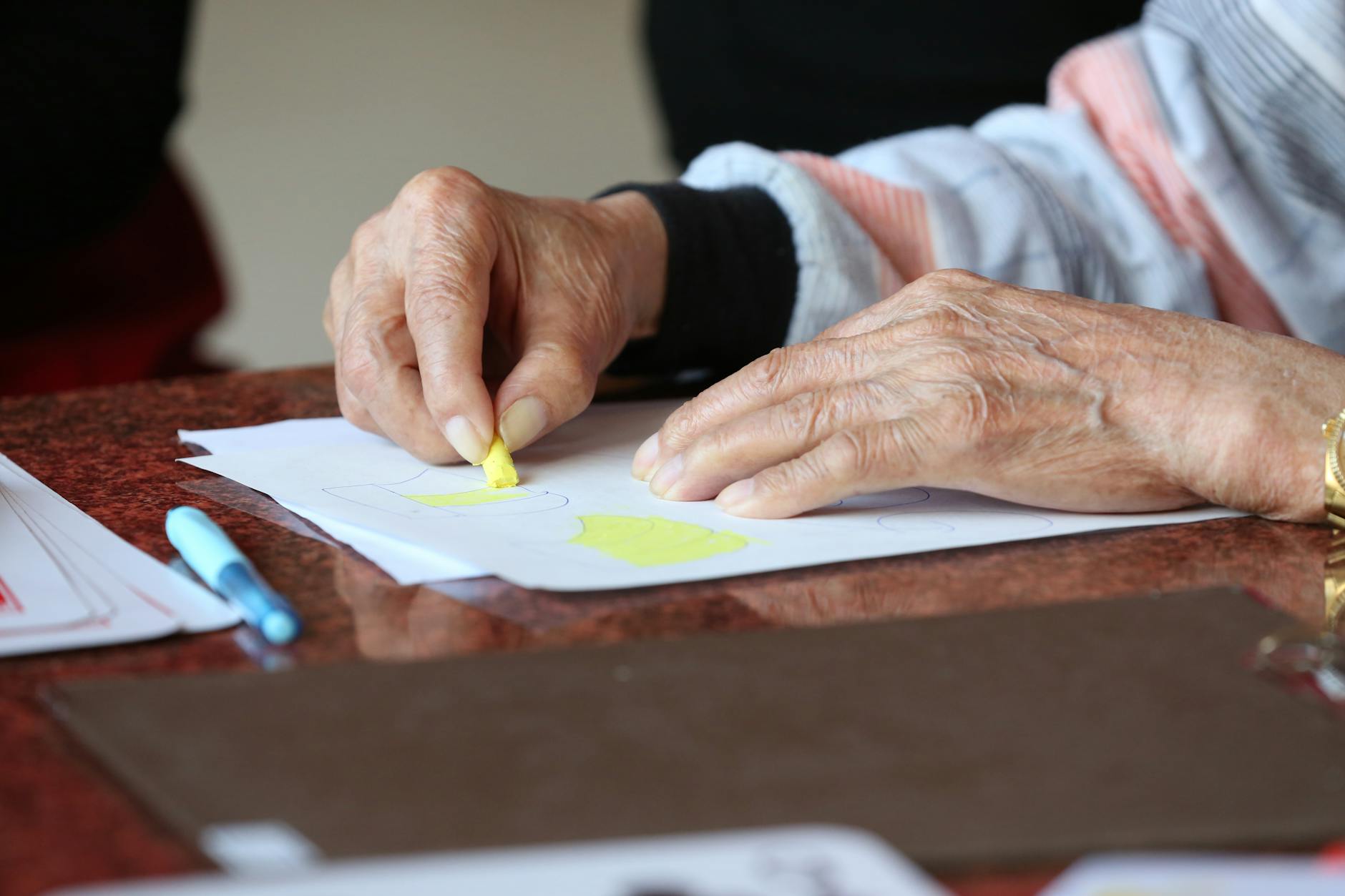
Types of Chair Cushions and How They Compare for Circulation Support
The cushion market breaks down into several broad categories, each with strengths and real limitations for dementia care. Foam cushions are the most affordable and widely available. High-density, contoured foam cushions from medical suppliers are a significant step above a standard pillow, and layered designs that combine firmer support foam with a softer comfort layer do a reasonable job of distributing weight. However, foam compresses permanently over time and loses its pressure-relieving properties, meaning it needs to be replaced more frequently than families often realize. A foam cushion that felt supportive six months ago may now be providing almost no meaningful pressure relief. Gel cushions and gel-foam hybrids address some of foam’s shortcomings by adding a gel layer that flows and conforms to the body, spreading pressure more evenly. Gel tends to stay cooler than foam, which is a secondary benefit for circulation since heat can contribute to skin maceration and breakdown.
The limitation with gel is weight. A full gel cushion can be quite heavy, which matters if caregivers need to transfer it between chairs or if the patient uses a wheelchair that has weight limits. Gel also does not actively promote circulation the way alternating pressure systems do; it passively redistributes pressure, which is helpful but not sufficient for the highest-risk patients. Alternating pressure air cushions represent the most active approach. These use a small pump to inflate and deflate individual air cells on a timed cycle, typically every few minutes, which means the pressure points on the patient’s body are constantly shifting. For someone with serious circulation issues who sits for extended periods, this is the gold standard in pressure management. However, if the patient is agitated by noise or tactile sensations, as some Alzheimer’s patients are, the hum of the pump and the subtle movement of the cushion may increase behavioral symptoms. This is a genuine clinical tradeoff that families and care teams need to weigh honestly.
How Cognitive Decline Affects Cushion Selection and Use
One of the most overlooked factors in choosing a cushion for an Alzheimer’s patient is that the patient often cannot tell you whether the cushion is working. A cognitively intact person will notice discomfort, tingling, or numbness and either shift position or tell someone. A person in the moderate to late stages of Alzheimer’s may experience the same sensations but lack the ability to identify, interpret, or communicate them. This means caregivers bear the full responsibility of monitoring skin integrity, and the cushion itself needs to do more of the work passively. For example, a family caring for a parent with moderate Alzheimer’s and type 2 diabetes might purchase a well-reviewed foam cushion and assume the problem is solved.
Three weeks later, the patient has developed a Stage 2 pressure ulcer on one buttock because the caregiver did not know to check the skin daily or to ensure the cushion was oriented correctly. Some cushions have a specific front and back or must be placed on a flat, firm surface to function properly. If the patient or a well-meaning family member flips it over or places it on top of another soft cushion, the pressure redistribution properties can be significantly diminished or eliminated entirely. This is why many geriatric care specialists recommend that families work with an occupational therapist or a certified assistive technology professional when selecting seating for someone with both dementia and circulation problems. A professional can assess the patient’s risk level using standardized tools such as the Braden Scale, evaluate the specific chairs the patient uses, and recommend a cushion that accounts for the patient’s weight, posture, skin condition, and behavioral profile. The upfront cost of a professional evaluation can prevent far more expensive and painful wound care down the line.

Practical Guide to Fitting and Maintaining a Chair Cushion for Dementia Care
Getting the right cushion is only half the challenge. Proper fit and maintenance determine whether it actually works over weeks and months of daily use. A cushion that is too narrow will not support the full width of the patient’s thighs, concentrating pressure on the sitting bones. One that is too deep, extending past the back of the knees, can compress the popliteal artery behind the knee and actually worsen circulation in the lower legs. The general guidance is that the cushion should extend to within about two inches of the back of the knee, but not beyond, and should be wide enough that the patient’s thighs rest fully on the surface without hanging off the sides. The tradeoff between ease of cleaning and cushion performance is real and persistent in dementia care. Incontinence is common as Alzheimer’s progresses, and cushions that get wet lose their mechanical properties.
Foam absorbs moisture and becomes a breeding ground for bacteria. Gel cushions handle moisture somewhat better but still need protective covers. Air cushions are the easiest to wipe clean, but their covers can crack or degrade with repeated exposure to cleaning chemicals. Most medical-grade cushions come with waterproof, vapor-permeable covers that allow moisture to escape while preventing liquids from soaking in, and having a spare cover on hand is strongly recommended so the cushion stays in use during laundering. Families should also establish a regular inspection schedule. This means checking the cushion itself for signs of bottoming out, which you can test by placing your hand under the patient while they are seated and feeling whether you can still sense the cushion’s structure beneath them, and checking the patient’s skin for redness that does not resolve within thirty minutes of pressure being relieved. If a red mark persists, it is an early sign of tissue damage and the cushion or repositioning strategy may need to change.
Common Mistakes and Overlooked Risks in Cushion Use for Alzheimer’s Patients
One of the most common errors is using a cushion as a substitute for repositioning. No cushion, regardless of cost or technology, eliminates the need for the patient to be helped to shift position, stand, or transfer to a different surface at regular intervals. Clinical guidelines from wound care organizations have historically recommended repositioning every one to two hours for patients at risk of pressure injury. A high-quality cushion can extend this window somewhat and reduce peak pressures during sitting, but it does not replace movement. Another frequent mistake is purchasing a cushion based on online reviews from a general consumer population. A cushion that earns five stars from office workers with back pain is not the same as a cushion engineered for a frail elderly patient with compromised skin and circulation.
Medical-grade products are tested against specific pressure-mapping standards and are classified by the risk level they are designed to address. Families should look for cushions that meet recognized standards and are indicated for moderate to high risk of pressure injury, not simply cushions that are marketed as comfortable. There is also a safety concern specific to dementia. Some patients, particularly those experiencing agitation or restlessness, may try to remove, rearrange, or pick apart their cushion. Air cushions with exposed valves can be deflated by a confused patient, eliminating their protective function without anyone noticing immediately. Cushions with removable covers may have zippers or small components that pose a choking risk in rare cases. When selecting a cushion for someone with behavioral symptoms of Alzheimer’s, caregivers should look for tamper-resistant designs and regularly verify that the cushion is intact and properly positioned.
When Insurance or Medicare May Cover a Medical Chair Cushion
In the United States, Medicare Part B has historically covered seat cushions when they are prescribed by a physician as medically necessary durable medical equipment, typically in conjunction with a wheelchair. Coverage criteria and billing codes can change, so families should verify current eligibility with their specific plan or a Medicare supplier. The key requirement has generally been a documented medical need, such as a history of pressure injuries or a clinical assessment showing the patient is at high risk.
A cushion purchased at a retail store without a prescription is typically not eligible for reimbursement. It is worth noting that the out-of-pocket cost difference between a basic foam cushion and a high-end alternating pressure system can be significant, sometimes ranging from under fifty dollars to several hundred dollars or more. Families should weigh this against the potential cost of wound care for a pressure injury, which can involve nursing visits, specialized dressings, and in severe cases hospitalization. Consulting with a social worker or patient advocate at the patient’s healthcare facility can help families navigate coverage options and identify any additional assistance programs.
The Future of Seating Technology for Dementia and Vascular Care
The intersection of dementia care and seating technology is an area of active development. Researchers and manufacturers have been exploring smart cushions embedded with pressure sensors that can alert caregivers via a smartphone or monitoring system when a patient has been sitting in one position for too long or when dangerous pressure levels are detected. Some prototypes have incorporated temperature sensing to detect early signs of tissue distress before visible skin changes occur.
These technologies are not yet widely available at consumer price points, but they represent a meaningful direction for improving care. As the population of people living with Alzheimer’s and related dementias continues to grow worldwide, the demand for better, more accessible seating solutions is likely to drive further innovation. In the meantime, the most effective approach remains a combination of the right cushion matched to the individual’s risk profile, consistent repositioning, regular skin checks, and professional guidance when risk factors are high. Technology can assist, but it does not yet replace attentive human caregiving.
Conclusion
Choosing the best chair cushion for an Alzheimer’s patient with circulation issues requires more than picking the highest-rated product online. It demands an honest assessment of the patient’s specific risk factors, including how long they sit each day, whether they can reposition themselves, the state of their skin and vascular health, and how the cushion will be maintained in the realities of daily caregiving. For patients at moderate to high risk, medical-grade options such as alternating air pressure cushions and contoured gel-foam hybrids offer the best evidence-supported protection, while simpler foam cushions may suffice for lower-risk individuals who still move regularly throughout the day.
The most important next step for any family in this situation is to consult with the patient’s physician or an occupational therapist who can perform a proper seating and skin risk assessment. This professional evaluation turns a confusing marketplace of options into a targeted recommendation. Beyond the cushion itself, building habits around repositioning, skin inspection, and cushion maintenance will determine long-term outcomes far more than any single product choice.
Frequently Asked Questions
Can I just use a regular pillow or folded blanket instead of a medical cushion?
A regular pillow or blanket does not provide meaningful pressure redistribution. These items compress almost immediately under body weight and offer little to no circulation support. For a patient at risk of pressure injury, they are functionally equivalent to sitting on the chair surface alone.
How often should I replace a foam chair cushion?
This depends on usage and the quality of the foam, but a general guideline is to reassess every six to twelve months for daily-use cushions. If you can press down on the cushion and feel the chair surface through it, or if it does not spring back to its original shape, it has bottomed out and needs replacing.
My family member gets agitated when placed on an air cushion. What are the alternatives?
Gel-foam hybrid cushions offer a stable, quiet alternative that still provides meaningful pressure redistribution. You might also try a static air cushion, which is inflated once and does not use a pump, eliminating noise while still allowing air-based pressure distribution.
Should the cushion be used in bed as well?
Chair cushions are designed for seated posture and should generally not be placed in a bed. Mattress overlays and specialized bed surfaces are designed differently to address the larger contact area and different pressure points that occur when lying down. Using a chair cushion in bed can actually create pressure points rather than relieve them.
Does cushion color or material matter for someone with dementia?
The cushion cover material matters practically, as it should be waterproof, breathable, and easy to clean. Color is less important clinically, but some caregivers have noted that a cushion that contrasts visually with the chair can help a confused patient recognize where to sit. Avoid covers with patterns or textures that might cause distress or picking behavior in patients prone to agitation.