The best adjustable seat cushion for Alzheimer’s comfort depends on how many hours per day the person spends sitting, but for most dementia caregiving situations, ROHO air cell cushions represent the gold standard. The ROHO High Profile Single Compartment cushion, priced between $417 and $1,200, features 4-inch interconnected air cells that use DRY FLOATATION technology to conform to the body’s shape and redistribute pressure. For someone with Alzheimer’s who spends extended periods in a chair””which is common as the disease progresses””this type of adjustable air system can mean the difference between skin integrity and painful pressure ulcers. Consider a practical example: a person with mid-stage Alzheimer’s who can no longer reliably shift their weight or communicate discomfort.
With a standard foam cushion, pressure builds in predictable spots””the ischial tuberosities, the coccyx, the greater trochanters. With an adjustable air cell cushion, caregivers can inflate or deflate individual sections to achieve what clinicians call “immersion and envelopment,” essentially cradling the body in a way that distributes weight across a larger surface area. Some removable bag cushion systems even allow users to sit for up to 12 hours without developing pressure sores, though this should never replace regular repositioning. This article covers the specific cushion options available for Alzheimer’s care, the critical thickness requirements for actual pressure relief versus mere comfort, pricing across different technologies, and why an occupational therapist assessment should precede any major purchase. We’ll also address the particular challenges that dementia presents””reduced sensation, impaired proprioception, and the inability to report discomfort””and how the right cushion addresses these vulnerabilities.
Table of Contents
- Why Do Alzheimer’s Patients Need Specialized Adjustable Seat Cushions?
- Understanding Pressure Relief Technology: Air Cells Versus Foam and Gel
- Professional Assessment: Why Occupational Therapists Should Guide Your Choice
- Pricing Considerations: Balancing Cost and Clinical Effectiveness
- Common Mistakes in Cushion Selection for Dementia Care
- Specialized Chair Systems With Integrated Cushioning
- Looking Ahead: Monitoring Technology and Adaptive Systems
- Conclusion
Why Do Alzheimer’s Patients Need Specialized Adjustable Seat Cushions?
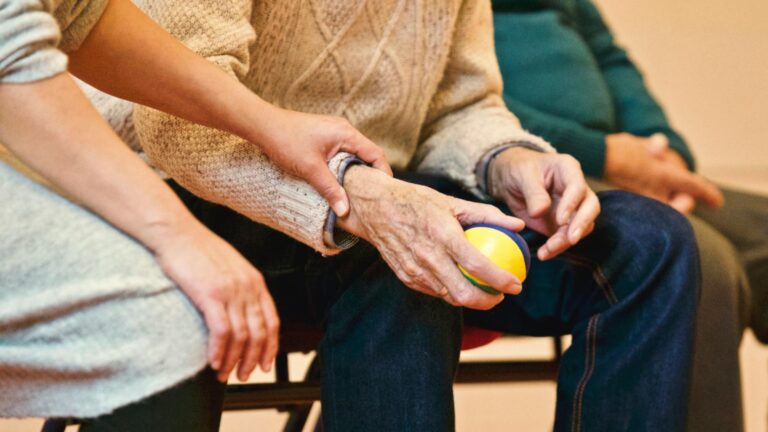
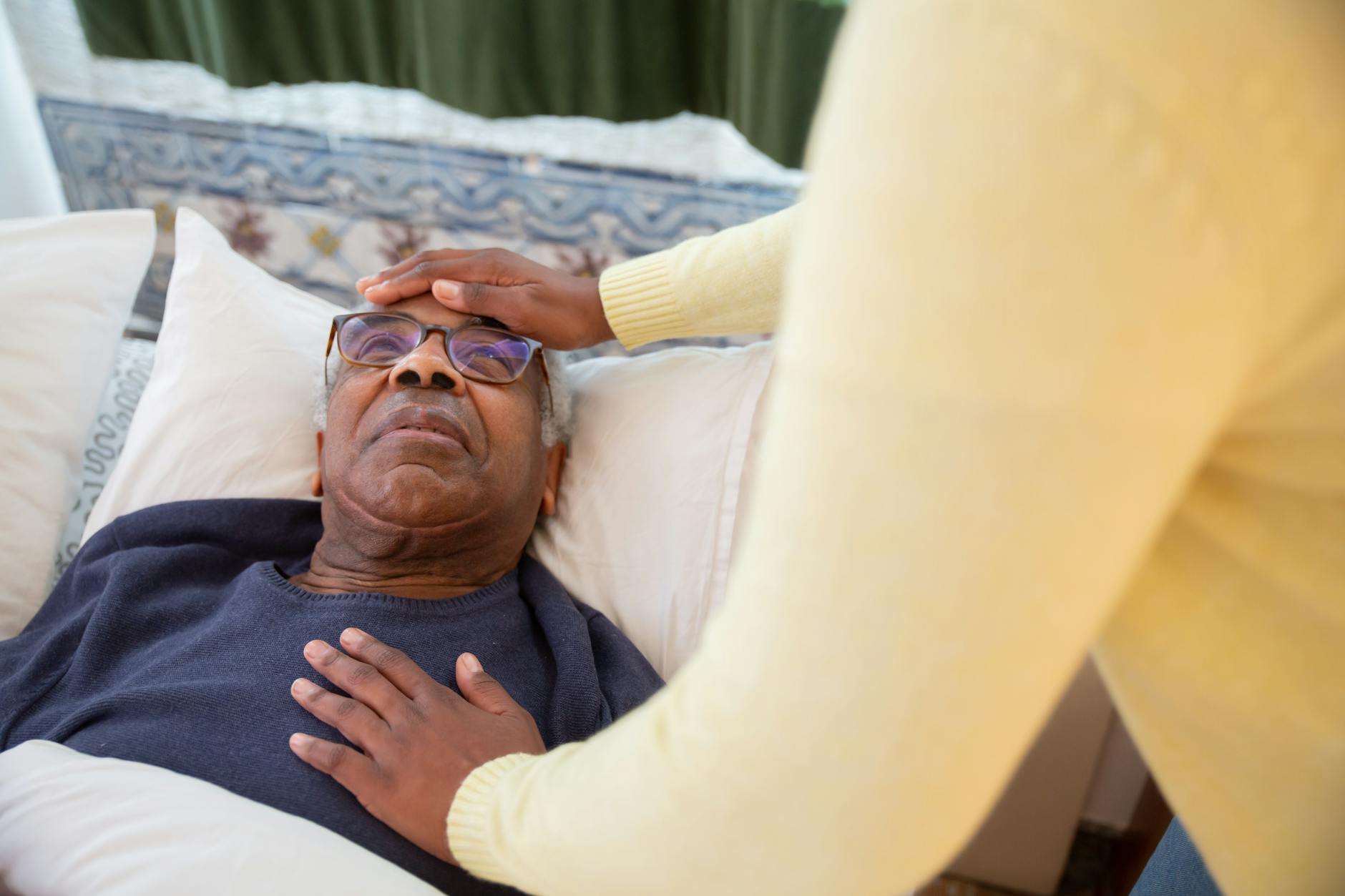
People living with Alzheimer’s disease face a particular constellation of risks that standard seating doesn’t address. Reduced sensation means they may not feel the warning signs of tissue damage””the tingling or discomfort that would prompt a cognitively intact person to shift position. Impaired proprioception, the body’s sense of its position in space, compounds this problem. And perhaps most critically, the diminished ability to communicate means they cannot tell caregivers when something hurts until visible damage has already occurred. These neurological changes translate directly into pressure ulcer risk. Unlike someone who unconsciously adjusts their sitting position dozens of times per hour, a person with advancing Alzheimer’s may remain completely still for extended periods.
The research is clear on what this requires from a cushion: for efficient pressure relief rather than simple comfort, cushions need to be at least 4 inches thick. A 2.5-inch cushion might feel soft, but it doesn’t provide the depth necessary for therapeutic pressure redistribution. This is a crucial distinction that many families miss when shopping based on appearance or initial comfort alone. The comparison between cushion types matters here. A standard memory foam cushion provides passive support””it responds to body heat and weight but cannot be adjusted as needs change. An air cell system like the ROHO allows active customization: more inflation under one hip to correct a pelvic obliquity, less air in another section to accommodate a bony prominence. This adjustability becomes increasingly valuable as Alzheimer’s progresses and postural changes become more pronounced.
Understanding Pressure Relief Technology: Air Cells Versus Foam and Gel
The technology inside a seat cushion determines its effectiveness for long-term sitting. ROHO’s DRY FLOATATION technology uses interconnected air cells that move air between chambers as the user shifts, maintaining consistent pressure distribution without requiring manual adjustment. The cells adapt continuously to micro-movements, which is particularly valuable for someone who cannot voluntarily reposition themselves. The ROHO Quadtro Select Mid Profile, available at $417 discounted from $534, represents the mid-range option in this technology category. Foam and gel alternatives occupy a different niche. An extra thick gel seat cushion measuring 19.15 x 17.5 x 2 inches provides pressure relief through material properties rather than air redistribution.
Gel disperses heat and conforms to body contours, but it cannot be adjusted once manufactured. Some booster seat cushions feature extra thick 4.7-inch foam with repositionable layers, allowing caregivers to rearrange the firmness configuration””softer layers on top for comfort, firmer layers below for support. This provides a middle ground between fully adjustable air systems and static foam. However, if the person with Alzheimer’s experiences significant temperature regulation issues””common in later stages””gel cushions may actually cause discomfort despite their pressure-relieving properties. Gel retains heat differently than air, and some users find it too warm or too cold depending on ambient conditions. For extended sitting periods in warm environments, cool-gel or alternating air systems represent recommended upgrades. The tradeoff is cost and complexity: air systems require occasional maintenance and inflation checks, while gel and foam are essentially maintenance-free but less adaptable.
Professional Assessment: Why Occupational Therapists Should Guide Your Choice
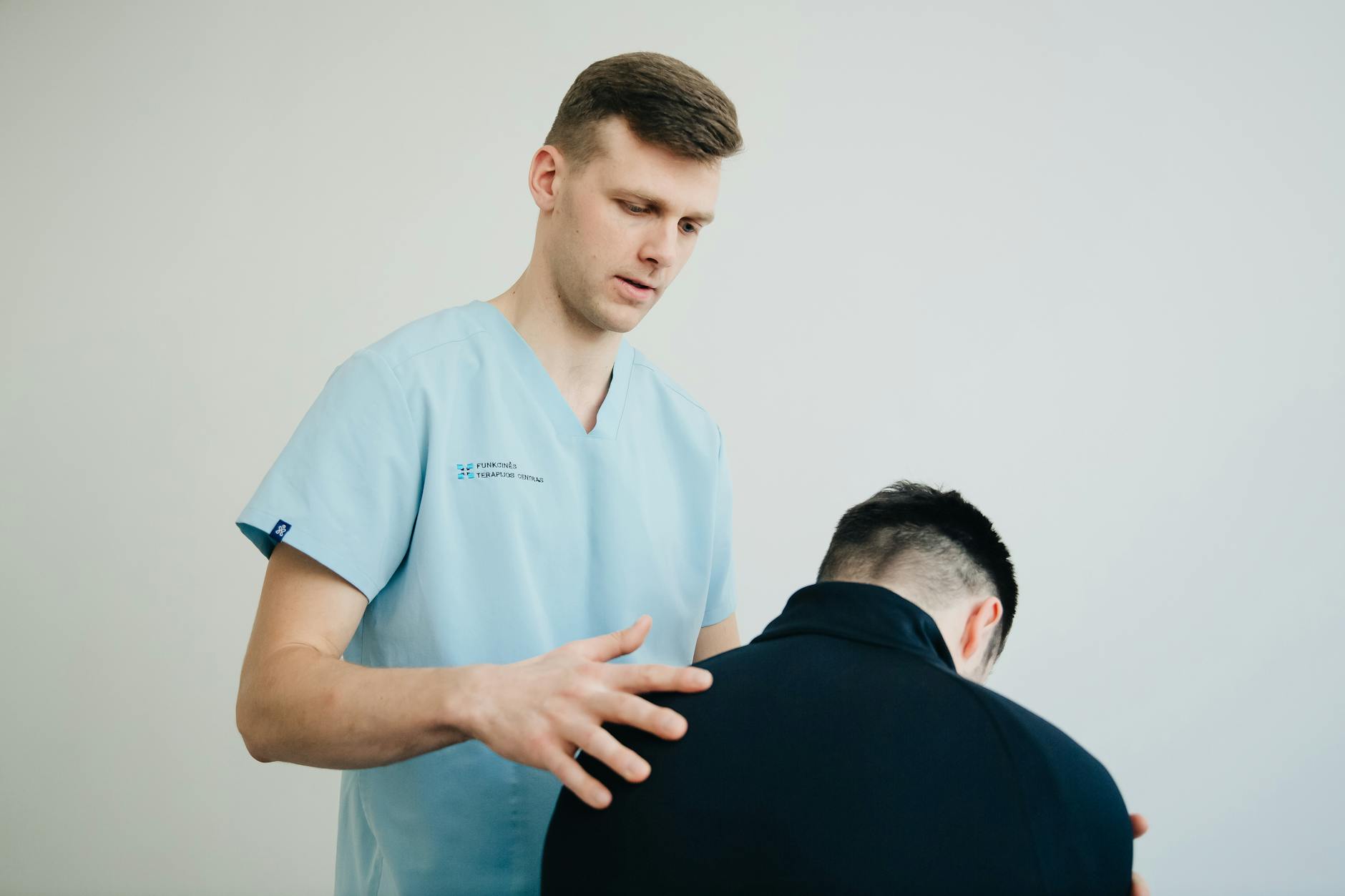
Before purchasing any specialized seating equipment, consulting an Occupational Therapist represents more than a recommendation””it’s a safeguard against expensive mistakes. An OT evaluates seat depth, width, and chair height in relation to the individual’s body dimensions, postural tendencies, and functional abilities. What works for one person with Alzheimer’s may be entirely wrong for another, even at the same disease stage. This professional assessment becomes especially critical when combining cushions with riser/recliner chairs, which many families use to help with transfers. The cushion height affects the chair’s mechanics, the user’s ability to stand, and the risk of sliding forward.
A 4-inch therapeutic cushion on top of a standard recliner seat may raise the user too high, creating new safety problems while solving the pressure relief concern. An OT can identify these interactions before they become issues and may recommend specialized seating systems like the Seating Matters Atlanta 2 or Sorrento 2 chairs, which have been accredited by the Dementia Services Development Center at the University of Stirling specifically for dementia care. The need for reassessment as dementia progresses cannot be overstated. A cushion selected during the mild cognitive impairment stage may become inadequate or inappropriate as postural control diminishes, weight changes, or sitting tolerance decreases. Regular professional review ensures that seating equipment evolves alongside the disease trajectory rather than becoming a source of problems it was meant to prevent.
Pricing Considerations: Balancing Cost and Clinical Effectiveness
The price range for adjustable seat cushions spans from under $50 for basic foam options to over $1,200 for premium air cell systems, with the clinical effectiveness generally””though not always””tracking with cost. The ROHO High Profile Single Compartment cushion at $417 to $1,200 represents the upper tier of consumer-available pressure relief technology. At 4 inches thick with interconnected air cells and weighing only 3.8 pounds, it delivers genuine therapeutic benefit rather than comfort theater. The ROHO Smart Check system at $563 (discounted from $721-$773) adds a monitoring device that alerts caregivers to improper inflation levels””a significant advantage when the cushion user cannot report problems. For families managing care at home without professional oversight, this kind of feedback mechanism provides an additional safety layer.
Custom ROHO cushions with 36 to 160 cells address unusual body sizes or severe postural asymmetries, with pricing available upon request for configurations outside standard ranges. The tradeoff between initial cost and long-term expense deserves careful consideration. A $417 cushion that prevents a single pressure ulcer has paid for itself many times over, given that treating a stage III or IV wound can cost tens of thousands of dollars and cause immense suffering. However, the cushion only delivers this value if properly matched to the user, correctly set up, and regularly maintained. A poorly fitted expensive cushion may perform worse than a well-chosen moderate option, which returns us to the importance of professional assessment.
Common Mistakes in Cushion Selection for Dementia Care
The most frequent error families make is equating softness with effectiveness. A cushion that feels plush when you press it with your hand may collapse completely under body weight, providing minimal actual pressure redistribution. The 4-inch thickness requirement exists because thinner cushions, regardless of material quality, cannot achieve sufficient immersion to protect vulnerable tissue during extended sitting. Another common mistake involves neglecting fluid resistance. People with Alzheimer’s may experience incontinence, and cushions that absorb moisture become hygiene hazards and lose their pressure-relieving properties. All Broda cushions feature fluid-resistant materials for exactly this reason.
When evaluating any cushion, verify that the cover is waterproof or water-resistant and that the cushion core can either be cleaned or is protected from contamination. Families also frequently underestimate how sitting patterns change as Alzheimer’s progresses. Early in the disease, someone might use a seat cushion for a few hours of television watching. Later, that same person might spend the majority of waking hours seated due to mobility limitations and fatigue. A cushion adequate for occasional use becomes inadequate for all-day use. Planning for disease progression””selecting a cushion that meets anticipated future needs rather than just current ones””prevents the expense and disruption of repeated equipment changes.
Specialized Chair Systems With Integrated Cushioning
Beyond standalone cushions, some manufacturers produce complete seating systems designed specifically for dementia care. The Seating Matters chairs with DSDC accreditation integrate adjustable cushioning into a purpose-built frame, eliminating the compatibility concerns that arise when adding aftermarket cushions to standard furniture. These systems typically cost significantly more than cushions alone but provide comprehensive solutions including proper back support, armrest positioning, and sometimes tilt-in-space functionality.
Broda seating represents another specialized option, with chairs designed for Alzheimer’s and dementia care that feature removable bag cushions. These cushions self-adjust to body weight and can accommodate sitting periods of up to 12 hours without pressure sore development, according to the manufacturer. The fluid-resistant materials throughout the system address incontinence concerns without requiring separate waterproof covers. For families or facilities managing advanced dementia with significant sitting time, these integrated solutions may prove more practical than assembling components from different manufacturers.
Looking Ahead: Monitoring Technology and Adaptive Systems
The integration of monitoring technology into pressure relief cushions represents a significant development for dementia care. The ROHO Smart Check system exemplifies this trend, providing objective data about cushion inflation rather than relying on caregiver memory or the user’s ability to report problems. As sensor technology becomes less expensive, expect more cushions to incorporate pressure mapping, position detection, and alert systems that notify caregivers when intervention is needed.
The broader trajectory points toward adaptive systems that respond automatically to pressure distribution without caregiver involvement. Current air cell technology requires initial setup and periodic checking, but future systems may continuously optimize themselves based on real-time pressure data. For people with Alzheimer’s who cannot participate in their own positioning and whose caregivers may be stretched thin, this kind of automation could meaningfully reduce pressure ulcer incidence while decreasing caregiver burden.
Conclusion
Selecting the best adjustable seat cushion for Alzheimer’s comfort requires matching technology to need: air cell systems like the ROHO High Profile for those spending many hours seated, gel or layered foam options for moderate use, and always cushions meeting the 4-inch thickness requirement for genuine pressure relief rather than surface comfort alone. The price range of $417 to $1,200 for therapeutic-grade options reflects the engineering required to protect vulnerable skin, and this investment prevents far greater costs in wound treatment and suffering.
The path forward for any family begins with an Occupational Therapist assessment to evaluate the specific individual’s needs, existing furniture, and disease stage. From there, cushion selection becomes a matter of matching features to circumstances””fluid resistance for incontinence concerns, monitoring capability for reduced caregiver oversight, and adjustability for changing postural needs. Regular reassessment as Alzheimer’s progresses ensures that seating equipment continues to serve rather than harm, adapting alongside the person it’s meant to protect.