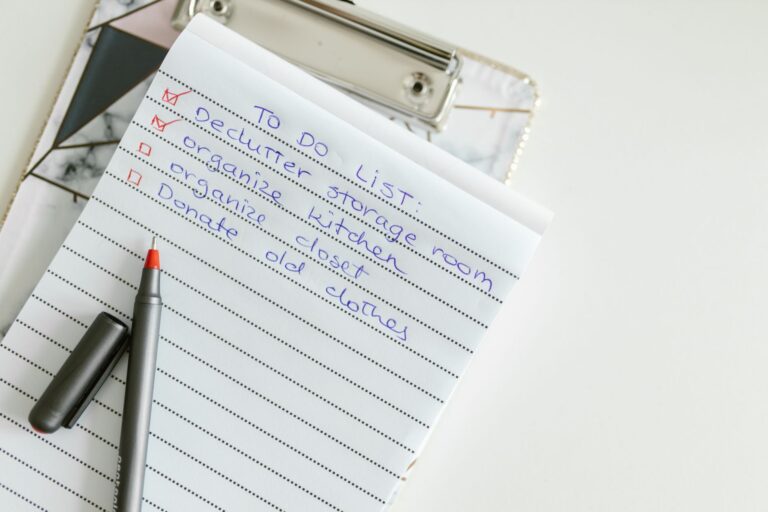
The tools that work are simple and layered: a weekly pillbox, a written medication list, a printed tracking worksheet, and — when reminders stop being enough — an alarm-based or automatic dispenser that releases only the dose that is due. The Alzheimer's Association and the National Institute on Aging both recommend starting with the pill organizer plus a daily list or calendar, and escalating only when missed or doubled doses show the simpler tool has stopped working. What matters more than the device is who watches it. Most people with dementia have two or three people helping with medications, so whichever tool you pick has to be readable by someone who was not there when it was filled.
Medical information disclaimer: This article is for general educational purposes only and does not provide medical advice, diagnosis, or treatment. Always consult a physician or other qualified health professional about symptoms, medications, tests, or treatment decisions.
Table of Contents
- Start with the pillbox and the written list
- What to use when a reminder is no longer enough
- The printable worksheet, and one safety rule it carries
- Bring the tool into the medical appointment
- Design the system for two or three people, not one
- How strong is the evidence for reminder devices?
- Frequently Asked Questions
Start with the pillbox and the written list
The Alzheimer's Association's medication safety guidance tells caregivers to use a pill box organizer together with a daily list or calendar to confirm doses are taken as prescribed. It also asks caregivers to keep a written record of every current medication and its dose, carry that list, and store the medications in a locked drawer or cabinet so an accidental second dose is not possible. The locked storage is the part people skip, and it is the one that prevents the most dangerous error.
A pillbox sitting on the counter is both a reminder and an open supply. The written list does double duty. It is the reference when a caregiver takes over mid-week, and it is the document an emergency department or new prescriber asks for first.
What to use when a reminder is no longer enough
The National Institute on Aging's tips for people living alone with early-stage dementia names three tools in escalating order: a weekly pillbox, a pillbox that notifies the person at dose time, and an automatic medication dispenser. The NIA also notes that someone may need to help set these up — the device is a caregiver task before it is a patient tool. A rough way to choose: The signal to move up a level is a pattern, not a single lapse: compartments left full at the end of the week, or emptied ahead of schedule.
- **Weekly pillbox** — the person still initiates doses reliably and only needs to see what day it is.
- **Notifying pillbox** — doses are missed because the time slips, not because the routine is gone.
- **Automatic dispenser** — the person takes doses twice, or cannot tell a taken compartment from an untaken one.
The printable worksheet, and one safety rule it carries
NIA's caregiver page on managing medicines for a person with Alzheimer's provides a printable "Managing Medications and Supplements" worksheet for tracking what is prescribed and what is taken. A printed sheet beside the pillbox is often the practical answer when several people share the job, because it does not depend on anyone having the same app or phone.
That page also carries a warning worth repeating: some pills must be swallowed whole, so a provider has to be asked before anything is crushed. This comes up constantly once swallowing becomes difficult, and it is the point where a well-meant workaround can make a dose unsafe.
Bring the tool into the medical appointment
NIA's guidance for clinicians caring for older patients with cognitive impairment instructs doctors to ask whether the patient uses a pill organizer and whether someone oversees intake — explicitly to prevent both undertreatment and overdose. The tracking tool is a documented part of the visit, not a household detail.
That makes it reasonable to arrive with the answer ready: which organizer is in use, who fills it, who confirms the dose, and what the last month looked like. A doctor deciding whether a drug is failing needs to know whether it is actually reaching the patient.
Design the system for two or three people, not one
An analysis of 15,809 caregivers in the National Health and Aging Trends Study, published in the Interactive Journal of Medical Research in May 2025, found that 19.2% of caregivers help manage medications for a person with dementia and that every person with dementia in the sample had at least one medication manager. Spouses were the most common manager, and the average network was 2.4 people for White, 2.8 for Black, and 2.9 for Hispanic care recipients. The practical consequence is that a tracking tool is usually shared.
A system that lives only in one person's head or one person's phone fails on the day that person is sick, travelling, or in the hospital themselves. Support can also be organized around the medication task. The Care Ecosystem randomized trial of 780 caregiver–patient pairs, reported in JAMA Internal Medicine in 2019, paired families with a care team navigator backed by a nurse, social worker and pharmacist who conducted medication review and reminders by telephone and internet. It reduced caregiver burden and depression at both 6 and 12 months and improved caregiver self-efficacy.
How strong is the evidence for reminder devices?
Weaker than the marketing suggests. A systematic review of 10 studies, published in Health Expectations in 2021, found only seven measurement tools for caregiver medication management — including the Family Caregiver Medication Administration Hassles Scale and the Medication Risk Questionnaire — and concluded that none assesses the task holistically. Those instruments measure caregiver burden; they do not show that reminder devices improve adherence. The direct evidence on dispensers is thin.
A 3-month before-and-after study of 18 people with mild dementia using an automatic alarm-based dispenser, published in the American Journal of Alzheimer's Disease & Other Dementias in 2012, found that 13 of the 18 — 72.2% — improved their independent dose-taking rate, with caregivers handling setup and monitoring during the first week. With no control group and 18 participants, that is a promising signal rather than proof. Better evidence is being collected now. A one-year UC Davis trial, funded by a $2.48 million NIA SBIR Phase II grant and led by Alyssa Weakley and Sarah Tomaszewski Farias, is randomizing 50 people with mild cognitive impairment to moderate dementia to an assisted HiDO dispenser — which records a short video confirming each dose — versus their usual routine, tracking adherence, cognition and function. Results are not yet reported, so until they are, choose a device on whether it fits the household's actual failure mode, and keep the written list and locked storage regardless of what the device promises.
Frequently Asked Questions
Does a notifying pillbox or dispenser remove the need for a caregiver?
No. NIA notes that someone may need to help set these tools up, and the 18-person dispenser study had caregivers doing setup and monitoring through the first week. The device changes the caregiver's job; it does not end it.
Can I crush pills to make them easier to take?
Ask the prescriber or pharmacist first. NIA's caregiver page warns that some pills must be swallowed whole, so crushing can change how the drug is absorbed.
Why lock up medications if they are already in a pillbox?
The Alzheimer's Association recommends storing medications in a locked drawer or cabinet specifically to avoid accidental overdose. A filled pillbox controls what is scheduled; locked storage controls access to everything else.
You Might Also Like
- The 2026 NIA Workshop on Comprehensive Dementia Care Models: What Family Caregivers Can Check in Their Community
- Electronic Health Records for Dementia Care Research in 2026: Why the Findings May Not Change Care Yet for Family Caregivers
- Young-Onset Dementia Cost Gaps Identified by NIA in 2026: A Source-Checked Briefing for Spouses and Partners