What Is the Exit Strategy for the Iran War and When Will It End

The short answer: There is no clear exit strategy for the Iran war as of late March 2026. The conflict, which began with US-Israel joint strikes on...

The short answer: There is no clear exit strategy for the Iran war as of late March 2026. The conflict, which began with US-Israel joint strikes on February 28, 2026, is now in its fourth week with no defined pathway to peace. While the Trump administration has presented military options to the President daily and claims to have shared a 15-point peace plan with Israel—suggesting some diplomatic activity—Trump himself stated that Iran is ready to end the war but “the terms aren’t good enough yet.” This absence of a concrete off-ramp, combined with military estimates that fighting will continue for at least 2-3 more weeks regardless of negotiations, indicates the conflict remains fundamentally unresolved. This article examines what we know about the war’s origins, the current diplomatic stalemate, military timelines, and what an actual exit strategy might look like.

The stakes are high and immediate. Over 1,444 people have been killed in Iran (including at least 204 children) and 15 in Israel. Regional allies and shipping corridors are being drawn into the conflict. Understanding the war’s current trajectory—and the lack of clarity about how it ends—matters for anyone trying to make sense of global headlines or worry about what comes next.

Table of Contents

Why Does the Iran War Still Have No Clear Exit Strategy?

The absence of a defined exit strategy reflects a fundamental disagreement about what constitutes victory or acceptable terms. The initial strikes on February 28 targeted Iran’s nuclear and ballistic missile program, with a stated US-Israeli goal of regime change. However, regime change is an enormous objective that typically requires ground invasion, occupation, and nation-building—not just aerial strikes.

Trump’s administration has presented daily military options but hasn’t committed to a sustained diplomatic off-ramp, suggesting decision-makers are still exploring possibilities rather than executing a predetermined plan. The 15-point peace plan that the US reportedly shared with Israel indicates some framework exists for negotiation, but the fact that Trump publicly stated Iran’s proposed terms “aren’t good enough yet” signals the two sides remain far apart on core issues. This pattern—military options on one hand, diplomatic proposals on the other, but no integration of the two into a coherent strategy—is how wars often drag on. Each side waits for military advantage to improve their negotiating position, prolonging the conflict. Meanwhile, the humanitarian toll mounts and regional destabilization spreads.
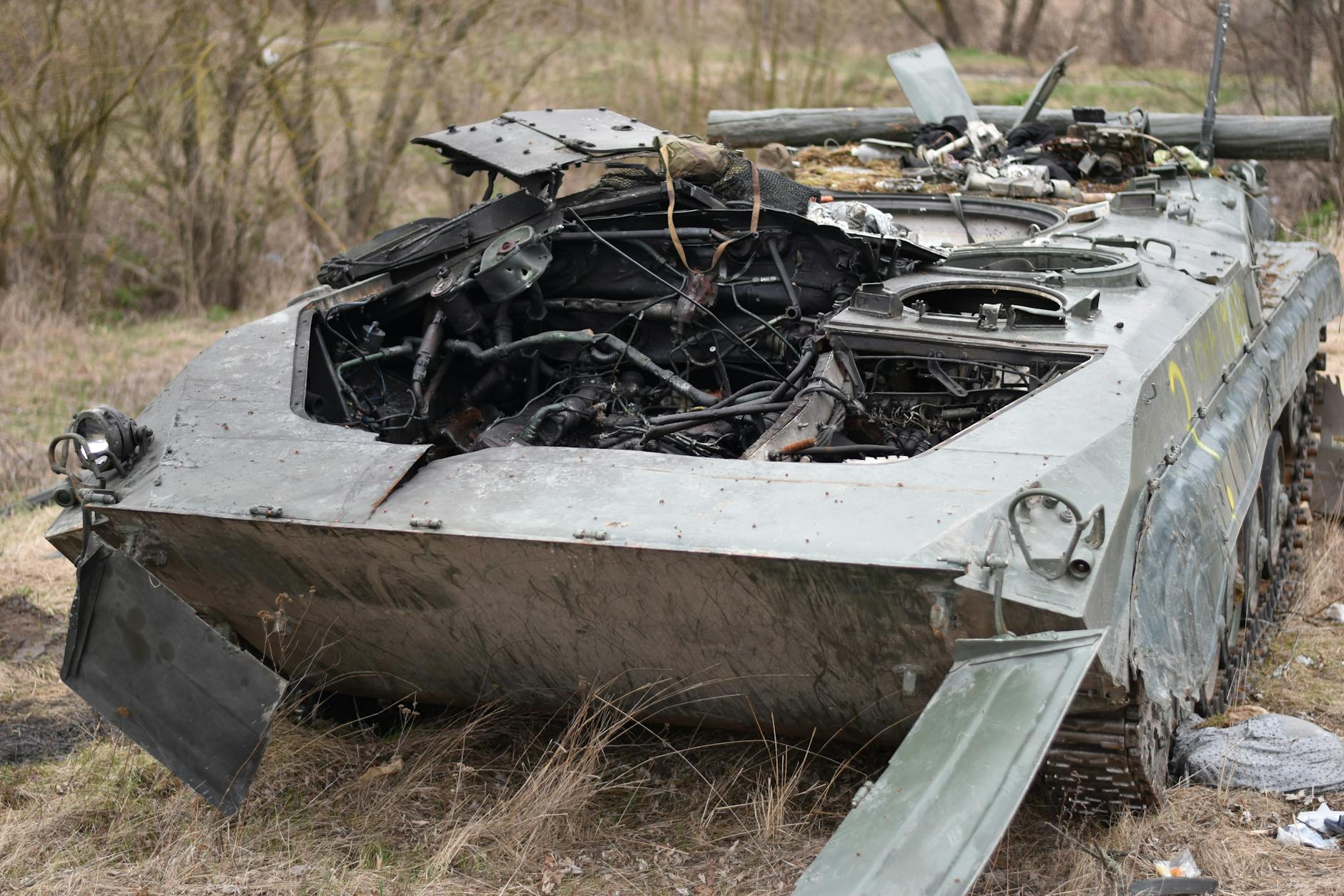
Why Does the Iran War Still Have No Clear Exit Strategy?

What Does Military Readiness Tell Us About Timeline and Escalation?

The Israeli military estimates it needs 2-3 more weeks of fighting regardless of whether diplomatic talks progress. Simultaneously, the Pentagon is deploying the 82nd Airborne Division to the Middle East as of March 25, 2026, suggesting preparation for potential ground operations or extended military presence. This deployment signals the US is not planning a quick withdrawal—it’s positioning for sustained operations. The escalation pattern accelerated significantly in late March.

Trump issued a 48-hour ultimatum demanding Iran open the Strait of Hormuz, threatening to “obliterate” Iran’s power plants if the demand was not met. Iran’s response was proportional: threatening to completely close the Strait of Hormuz instead. A second round of Israeli attacks on Tehran was described as “unprecedented” in scale and explosions. These tit-for-tat escalations show how quickly the conflict can intensify without an agreed exit strategy—one side moves, the other responds more forcefully, and the cycle repeats. The risk is that fighting intended to degrade military capabilities instead becomes a cycle of retaliation that becomes harder to stop.


Iran War Casualty Toll and Military Timeline (February 28 – March 25, 2026)Deaths in Iran1444countDeaths in Israel15countDays of Conflict25countWeeks Remaining (Est.)2.5countIranian Strikes on Israel90countSource: Al Jazeera death toll tracker, NPR conflict timeline, ACLED Middle East March 2026

How Are Regional Allies Being Pulled Into the Conflict?

The UAE, Kuwait, and Bahrain—home to critical US military bases—suffered the highest strike counts in the first four days of the war, according to ACLED data. Iraq has become another theater: Iran-backed militias claimed 67 drone and missile attacks in the first three days alone. This pattern shows the conflict is not contained to Iran and How Are Regional Allies Being Pulled Into the Conflict?

What Would a Realistic Exit Strategy Look Like?

A functional exit strategy typically requires three components: a clear definition of what “victory” or acceptable terms mean for both sides, a timeline that all parties can commit to, and mechanisms to verify compliance. Currently, none of these elements is publicly visible. The US goal appears to be regime change or fundamental transformation of Iran’s government and nuclear program. Iran’s goal appears to be deterrence and avoiding complete military defeat.

These are not obviously compatible objectives. A more realistic exit strategy might involve incremental steps: a ceasefire agreement with international observers, phased negotiations on Iran’s nuclear program under UN supervision, removal of US and Israeli strikes in exchange for verifiable commitments on missiles and proxies, and economic concessions or lifting of sanctions to give Iran something to show its population. However, none of these proposals appears to be on the table as of late March 2026. Instead, the pattern remains military escalation punctuated by unrelated diplomatic statements.

What Are the Humanitarian and Civilian Costs of Prolonged Conflict?

The death toll so far—1,444 in Iran and 15 in Israel—is a snapshot taken during the fourth week of fighting. If the Israeli military estimate of 2-3 more weeks is accurate, casualties will rise substantially. The inclusion of at least 204 children in Iran’s death toll is a stark reminder that aerial bombing campaigns, regardless of stated precision, kill civilians indiscriminately.

The longer the conflict continues, the more civilians will be affected, and the harder political reconciliation becomes. Beyond immediate deaths, prolonged conflict destabilizes economies, interrupts medical care, displaces populations, and creates refugee crises that spill into neighboring countries. The threat to close the Strait of Hormuz—through which roughly one-third of global maritime oil shipments pass—could trigger global energy shocks that ripple across every economy. For countries already dealing with inflation, supply chain disruptions, or economic fragility, a prolonged Iran war becomes a compounding problem with costs far beyond the Middle East.

What Are the Humanitarian and Civilian Costs of Prolonged Conflict?

How Likely Is Further Escalation Absent a Clear Exit Strategy?

History suggests that wars without defined exit strategies often escalate beyond initial intentions. Without a clear off-ramp, military commanders plan for next phases of fighting. The deployment of the 82nd Airborne is one signal; another is the escalating rhetoric from Trump about power plants and demands on the Strait of Hormuz.

When political leaders make public ultimatums with tight deadlines (48 hours, in this case), they often feel compelled to follow through to maintain credibility, even if following through escalates the conflict further. The risk of further escalation is particularly acute if Iran or its proxies conduct a significant attack that kills Americans, or if the US perceives an imminent Iranian military move. Each escalation then requires a response, pushing the cycle higher. Without an exit strategy to anchor decision-making, each day brings new opportunities for decisions that make the conflict larger rather than smaller.

What Does the Path to Resolution Look Like in the Coming Weeks?

In the near term (the next 2-3 weeks), expect continued military operations as the Israeli military completes its stated objectives. Diplomatically, the US and Iran are likely to continue signaling willingness to negotiate while setting preconditions the other side is unlikely to accept. Trump may escalate rhetoric further to increase pressure, or he may suddenly pivot to peace talks if military costs rise too quickly or domestic political pressure builds.

The critical variable is whether either side experiences a moment of clarity where continuing the war becomes more costly than accepting a negotiated settlement. For Iran, that moment might come after significant military infrastructure destruction or if the Strait of Hormuz closure begins to harm Iran’s own economy and allies. For the US and Israel, it might come if American or Israeli casualties spike, domestic opposition grows, or an escalation spirals beyond control. Without clear exit criteria defined in advance, finding that moment becomes a matter of luck and circumstance rather than planning.

Conclusion

The Iran war that began on February 28, 2026, now enters a critical phase with no defined exit strategy in place. While the Trump administration claims diplomatic progress through a 15-point peace plan, the public statements—that Iran’s proposed terms “aren’t good enough yet”—suggest fundamental disagreement on what ending the war actually means. Military timelines project 2-3 more weeks of fighting at minimum, the 82nd Airborne is being deployed to the region, and escalation threats (ultimatums on the Strait of Hormuz, threats to power plants) are multiplying.

The humanitarian toll, regional destabilization, and economic risks will only increase if this conflict continues without resolution. The central problem is that no party has publicly committed to what terms would be acceptable or what a lasting peace would look like. Until that clarity emerges—through either negotiation or military exhaustion—the war will likely continue its current trajectory of escalation punctuated by incomplete diplomatic signals. Watching for any clear public statement about exit criteria from either the US or Iran will be key to understanding whether the conflict is moving toward resolution or deeper into an open-ended regional war.


You Might Also Like