Anti-war movement sits at the center of this dementia and brain health question.
The anti-war movement is calling the U.S. and Israeli military strikes on Iran that occurred on February 28, 2026—including the assassination of Iranian Supreme Leader Ali Khamenei—illegal acts that violate international law. Major anti-war organizations including A.N.S.W.E.R. Coalition, CodePink, Democratic Socialists of America, American Muslims for Palestine, and the National Iranian American Council have characterized these strikes as unprovoked aggression that escalates global conflict rather than resolving it.
They are demanding an immediate end to foreign military intervention in Iran and a shift toward diplomatic de-escalation. This article examines what the organized anti-war movement is saying about this conflict, how they’re mobilizing in response, and what positions align with theirs internationally. The anti-war movement’s core argument is straightforward: these military actions represent unilateral escalation without congressional authorization or United Nations approval, setting a dangerous precedent for military intervention. Multiple countries and international bodies have echoed concerns about the legality and wisdom of this approach. Understanding these positions is important for anyone trying to grasp how different communities in the United States and abroad are responding to a major geopolitical event.
Table of Contents
- What Are the Core Anti-War Movement Claims About the Iran Strikes?
- Which Organizations Are Leading the Anti-War Response?
- What Are the International Voices Aligned with the Anti-War Movement?
- How Is the Anti-War Movement Organizing and What Are Its Messaging Strategies?
- What Warnings Does the Anti-War Movement Raise About Escalation?
- How Do Different Anti-War Organizations Approach This Conflict?
- What Does the Anti-War Movement Expect Next?
- Conclusion
What Are the Core Anti-War Movement Claims About the Iran Strikes?
The primary claim from major anti-war organizations is that the February 28, 2026 military action constitutes illegal intervention under international law. A.N.S.W.E.R. Coalition and CodePink, which coordinate much of the grassroots opposition, frame the strikes as unprovoked aggression that violates the U.N. Charter and established principles of international conduct. Their position is not that military force is never justified, but rather that these particular strikes lacked legal justification and proper authorization mechanisms.
CodePink and A.N.S.W.E.R. Coalition launched coordinated “days of action” beginning immediately on February 28, 2026, with emergency protests scheduled nationwide. CodePink organized a major protest at the White House on March 7, 2026 at 3 p.m., coordinating with simultaneous actions in Los Angeles, Chicago, Boston, Atlanta, Minneapolis, San Francisco, Philadelphia, Denver, Cincinnati, Baltimore, Miami, and Las Vegas. A.N.S.W.E.R. Coalition also released a “Stop the War on Iran Rapid Response Toolkit” to help local organizers quickly mobilize community opposition. This infrastructure shows how quickly the movement mobilized despite the shock of the initial military action.

Which Organizations Are Leading the Anti-War Response?
The anti-war movement includes a diverse coalition of organizations spanning different constituencies and political traditions. A.N.S.W.E.R. Coalition and CodePink serve as primary coordinators of street protests, while groups like the Democratic Socialists of America bring labor union and youth organizing capacity. American Muslims for Palestine represents Muslim American voices opposing the conflict, while the Black Alliance for Peace connects the anti-war position to broader anti-imperialism and racial justice frameworks. The National supporting military action, others opposing it, and many uncertain. The anti-war movement is the organized voice against these strikes, but it is distinct from quieter forms of opposition or support among the general public. The Palestinian Youth Movement and The People’s Forum also participate in these coalitions, linking the Iran conflict to broader Middle East concerns.
What Are the International Voices Aligned with the Anti-War Movement?
Several governments have taken positions remarkably aligned with the anti-war movement’s core argument that the U.S. and Israeli strikes represent problematic unilateral action. Spain’s Prime Minister Pedro Sánchez issued an official statement expressing his government’s “rejection” of “the unilateral military action of the United States and Israel, which represents an escalation and contributes to a more uncertain and hostile international order.” Mexico’s President Claudia Sheinbaum similarly condemned the The anti-war movement uses several overlapping strategies: emergency mobilizations that bring people into streets within days of the strikes, sustained digital organizing through social media and email networks, and policy advocacy demanding that Congress defund further military operations in Iran. The March 7, 2026 White House protest and the simultaneous actions in twelve major cities represent the “emergency mobilization” approach—getting maximum visibility and participation quickly while public attention is high. The messaging consistently frames the conflict through three lenses: law (the strikes are illegal), human rights (the consequences are devastating to Iranian civilians), and sustainability (military escalation creates more conflict rather than resolving underlying problems). A limitation of this messaging strategy, according to critics, is that it sometimes emphasizes opposition to military action without clearly articulating what alternative approach should replace it. However, the movement does emphasize diplomatic negotiations and de-escalation as the stated alternative to military intervention. The anti-war movement argues that removing Iran’s Supreme Leader through military strikes creates dangerous power vacuums and may trigger retaliatory actions that further destabilize the region and potentially draw the U.S. into a larger conflict. This escalation logic is central to why groups like the National Iranian American Council emphasize de-escalation: each military strike, they argue, raises the stakes and makes negotiated resolution harder rather than easier. A significant limitation in the anti-war movement’s public messaging is that it often does not fully address how Iran might respond to the assassination of its Supreme Leader, what power struggles might emerge within Iran itself, or what unintended consequences could follow from the power vacuum. The movement focuses on preventing further U.S. military action, which is clear, but less attention is paid to what Iran’s internal political situation might become or how that could affect Americans or the region. This gap exists partly because the situation is still developing in real time as of March 2026. While A.N.S.W.E.R. Coalition and CodePink lead much of the visible street organizing, the Democratic Socialists of America frames this through a class analysis—emphasizing that military spending diverts resources from healthcare, education, and social services that American workers need. American Muslims for Palestine centers religious and cultural dimensions of opposition, while the Black Alliance for Peace explicitly connects the Iran conflict to U.S. military interventions in Africa, the Caribbean, and elsewhere. These different framings allow the movement to reach distinct constituencies with messages that resonate with their values. For example, labor unions and DSA members might respond more to arguments about military spending’s opportunity cost, while Muslim American communities respond more directly to arguments about protecting Muslim-majority countries from military aggression. This diversity of messaging is a strength in reaching broad audiences, though critics argue it can sometimes create confusion about whether the movement is primarily anti-war, anti-imperialism, anti-racism, or anti-capitalist—often all of these simultaneously. Looking forward from the March 2026 emergency actions, the anti-war movement is organizing for sustained pressure on Congress to prevent further military funding or authorization for operations in Iran. The movement also expects that Iran may respond militarily to the strikes, which could trigger further U.S. military action in a cycle the anti-war movement hopes to break through political pressure at home. Their strategy relies on making opposition to further military escalation a political cost for elected officials who authorize or fund such actions. The long-term outlook for the anti-war movement hinges on whether this becomes a sustained, organized effort or a series of emergency responses. Historically, anti-war movements in America have been strongest in the immediate aftermath of military action, then faded as public attention moved elsewhere. Whether the 2026 anti-war movement maintains its coalition, organizational capacity, and public focus over months or years remains to be seen, but the infrastructure that A.N.S.W.E.R. Coalition and CodePink have built suggests they intend to make this a sustained organizing priority. The anti-war movement is unified around the argument that the February 28, 2026 U.S. and Israeli military strikes on Iran—including the assassination of Supreme Leader Ali Khamenei—are illegal acts of aggression that violate international law and set a dangerous precedent. Multiple major organizations including A.N.S.W.E.R. Coalition, CodePink, Democratic Socialists of America, American Muslims for Palestine, and the National Iranian American Council are coordinating national protests, rapid response organizing, and political pressure to demand an immediate end to foreign military intervention in Iran and a shift toward de-escalation and diplomacy. Understanding what the anti-war movement is saying matters because it represents one significant voice in American political debate over foreign policy, and because international governments including Spain and Mexico have echoed similar concerns about the legality and wisdom of unilateral military action. As this situation continues to develop, the movement’s capacity to mobilize sustained opposition may shape how elected officials weigh decisions about further military involvement in Iran. For more, see NIH MedlinePlus — dementia.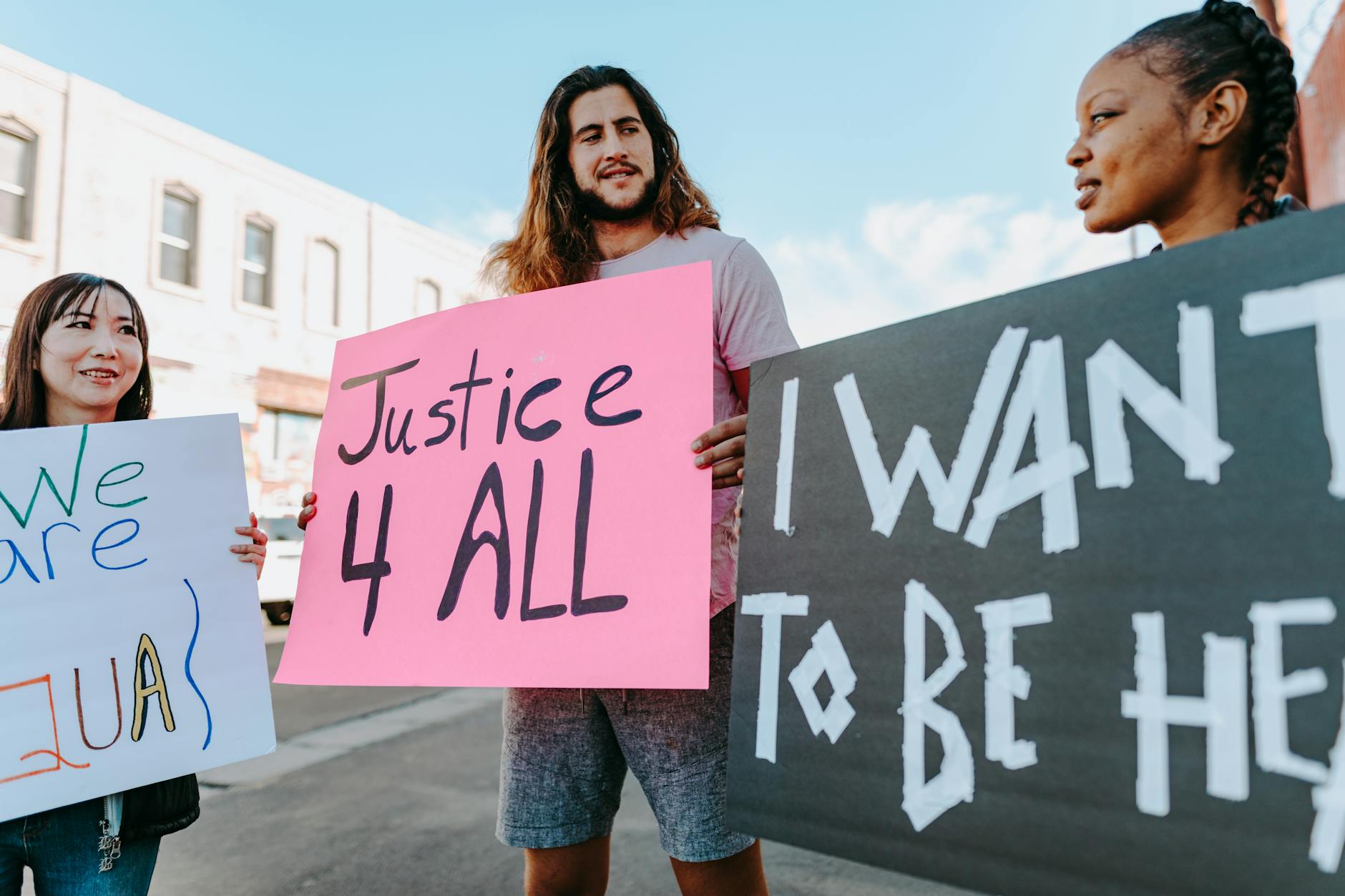
How Is the Anti-War Movement Organizing and What Are Its Messaging Strategies?
What Warnings Does the Anti-War Movement Raise About Escalation?

How Do Different Anti-War Organizations Approach This Conflict?
What Does the Anti-War Movement Expect Next?
Conclusion
You Might Also Like