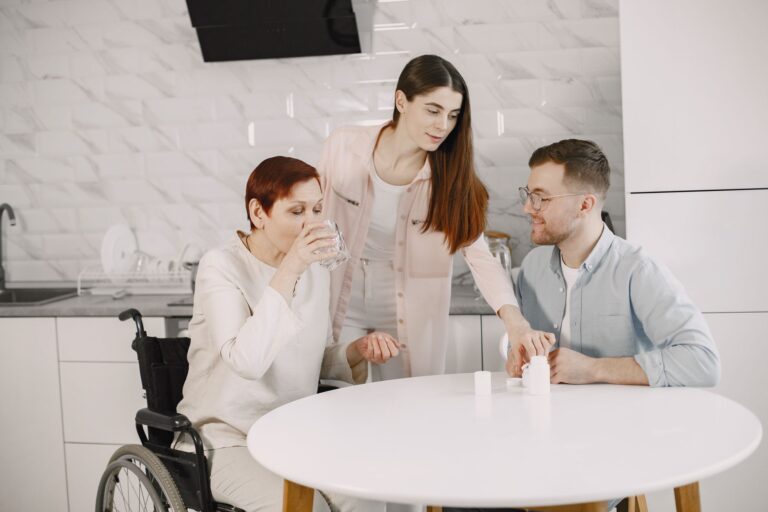
Sundowning is increased confusion, anxiety, agitation and restlessness beginning in late afternoon at dusk and continuing through night in people with Alzheimer's or other dementia. Caregivers can manage it at night by keeping rooms bright, lowering noise, holding a steady sleep routine and checking for hunger, thirst, pain or infection. The Alzheimer's Association describes this late-day pattern as common in dementia care Alzheimer's Association guide to sleep issues and sundowning. Cleveland Clinic notes that about 20% of people diagnosed with Alzheimer's disease experience sundowning.
Medical information disclaimer: This article is for general educational purposes only and does not provide medical advice, diagnosis, or treatment. Always consult a physician or other qualified health professional about symptoms, medications, tests, or treatment decisions.
Table of Contents
- What does sundowning look like?
- Why does it happen late in the day?
- How can you make evenings calmer?
- What helps when sleep still breaks down?
What does sundowning look like?
Cleveland Clinic lists insomnia, pacing, wandering, hallucinations and paranoia as core signs Cleveland Clinic overview of sundown syndrome. These signs often start as light fades and build through the evening.
Mood swings, aggression and trouble falling or staying asleep can follow. A person may ask to go home, see or hear things that frighten them, or grow upset with a familiar caregiver.
Why does it happen late in the day?
The exact cause is not fully understood. The National Institute on Aging points to a disrupted body clock, the internal clock that sets sleep and wake times, plus fatigue, low light and sleep loss.
Hunger, thirst, pain, boredom, depression and medications are other suspected triggers. Harvard Health Publishing adds poor sleep, constipation, urinary-tract infection and unfamiliar surroundings as triggers that can start or worsen late-day symptoms.
How can you make evenings calmer?
Light helps the brain read the time of day. The Alzheimer's Association advises turning lights on before dark and keeping the home well lit in the evening, with nightlights in halls, bedrooms and bathrooms.
Mayo Clinic staff advise less stimulation, no upsetting TV, a predictable bedtime routine, morning appointments and baths, and familiar gentle music Mayo Clinic expert answer on sundowning. Useful evening steps include:.
- turn on lamps before sunset and close curtains to reduce shadows
- keep the room quiet, warm and familiar
- offer a light snack, water and a toilet visit
- play calm music the person knows well
What helps when sleep still breaks down?
Sundowning can continue into the night. The National Institute on Aging notes that it can disrupt sleep for both the person and the caregiver.
Daytime rest without long naps, quiet early evenings and a check for pain or infection form a practical nightly plan. Track what happened before bad nights, such as caffeine, skipped meals, visitors or room changes. Ask the care team promptly about new confusion, fever, burning during urination, constipation or untreated pain.