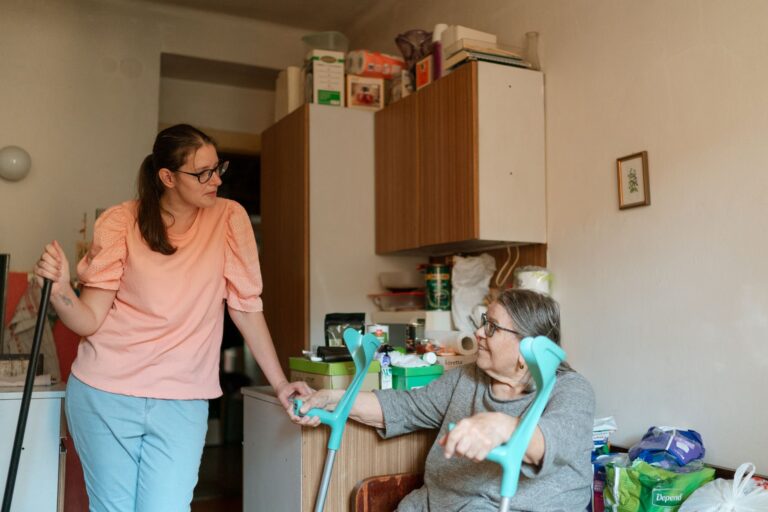
A comprehensive guide to early-stage dementia caregiving is a shared plan for support while independence lasts. Dementia means ongoing loss of memory and thinking skills that interferes with daily life, and early stage means the person can still manage most tasks. The focus is on companionship, choice, and preparation. The care partner checks what help is wanted, keeps daily life steady, and plans legal, financial, and care decisions together.
Medical information disclaimer: This article is for general educational purposes only and does not provide medical advice, diagnosis, or treatment. Always consult a physician or other qualified health professional about symptoms, medications, tests, or treatment decisions.
Table of Contents
- What does help look like early on?
- How do you plan ahead together?
- What daily habits reduce memory strain?
- Where can both of you find support?
- What limits should families expect?
What does help look like early on?
In early-stage Alzheimer's, people often still drive, work, volunteer, and take part in social activities. Caregiving at this point centers on support rather than intensive daily care, according to the Alzheimer's Association in its early-stage caregiving guide. The care partner role is steady and personal. It means offering emotional support and companionship, asking often how much help is wanted, and helping the person plan for the future together.
Checking in matters more than taking over. A useful approach is to let the person lead. Offer help with a new or complex task, then step back when they manage well. Respect for autonomy preserves confidence and trust.
How do you plan ahead together?
Early diagnosis creates a window to make decisions jointly. Families can discuss wills, durable power of attorney, health directives, long-term-care choices, and care preferences while all voices can be heard, according to Alzheimers.gov in its planning guide after a dementia diagnosis. Timing matters because legal capacity does not last indefinitely. Financial and health advance directives must be made while the person still understands the decisions.
Early planning keeps the person with dementia an active participant. Start with one meeting to list documents, accounts, doctors, and contacts. Then schedule time with trusted legal and financial advisers to complete and store the papers. Written wishes reduce later conflict.
What daily habits reduce memory strain?
Consistent routines lower stress for everyone. The Mayo Clinic recommends steady times for meals, medications, exercise, and bedtime in its diagnosis and treatment guide.
Simple tools such as calendars, whiteboards, and checklists reduce memory demands. Try these low-effort steps: Review the system weekly with the person. Keep what works, drop what feels controlling, and adjust tasks to their energy.
- keep keys, wallet, glasses, and pills in the same spots
- use a large wall calendar for appointments and visitors
- post a short morning checklist for meds, meals, and activity
- set regular sleep and walk times each day
Where can both of you find support?
Neither person needs to cope alone. The World Health Organization notes benefits from early-stage support groups, community services, respite care, and iSupport training on everyday care and behavior changes in its caregiver Q&A. Support groups give practical ideas and social contact. Community services can help with meals, transport, or home safety.
Respite care gives the caregiver short breaks. Training builds skill for common changes like restlessness or repeated questions. Ask a local Alzheimer's association chapter, clinic social worker, or area agency on aging for options. Choose one service to try first, then add more only as needed.
What limits should families expect?
Simple reminders and written notes often help early on. The Family Caregiver Alliance warns that agreements to remember things fail as the disease progresses. Families will need simpler one-step instructions and closer supervision over time.
Caregiving is also physically and emotionally demanding. The World Health Organization and Alzheimers.gov advise caregivers to seek help early, stay connected to trusted contacts, protect their own health, and get permission in advance to speak with doctors and lawyers. Give that permission in writing before a crisis forces quick choices.
You Might Also Like
- The 2026 NIA Workshop on Comprehensive Dementia Care Models: Cost and Access Questions for Long-Distance Caregivers
- Paid Family Caregiving Costs and Risks for Dementia Families to Compare
- Early Dementia Detection Across Care Settings in the 2026 NIA Report: What the Report Establishes and Leaves Unanswered for Spouses and Partners