When your core muscles are weak, you lose the foundation that keeps your body upright, stable, and mobile. The core muscles—which include the deep abdominal muscles, lower back muscles, pelvic floor, and muscles surrounding your spine—act as your body’s stabilizing system. When these muscles lack strength, your spine receives less support, your balance becomes compromised, and your risk of falls increases significantly. For older adults and those with cognitive concerns, weak core muscles can lead to serious consequences: falls that result in fractures, reduced ability to move independently, poor posture that compresses the lungs and affects breathing, and a general decline in physical activity that impacts both brain health and overall function. Beyond the immediate physical effects, weak core muscles create a cascading problem.
Because your body becomes unstable and movement feels uncertain, you move less. You avoid activities you once enjoyed. This reduced activity directly affects cognitive function and can accelerate cognitive decline, particularly concerning for those managing or at risk for dementia. The nervous system depends on movement and balance challenges to stay engaged and sharp. When your core is weak, you’re not just losing strength—you’re removing one of your brain’s key sources of stimulation and proprioceptive input. This article explores what happens when core muscles weaken, why this matters for brain health, how to identify the signs, and what you can do to rebuild core strength and protect your neurological function.
Table of Contents
- How Weak Core Muscles Affect Balance and Mobility
- Fall Risk and Injury Prevention in Vulnerable Populations
- Connection Between Core Strength and Brain Health
- Assessment and Strengthening Strategies
- Core Weakness in Neurodegenerative Conditions
- Posture, Breathing, and Neurological Function
- Long-Term Outlook and Prevention
- Conclusion
How Weak Core Muscles Affect Balance and Mobility
The core muscles function as your body’s internal corset and shock absorber. Your spine doesn’t have its own muscles—it relies on the surrounding core to maintain alignment and respond to movement demands. When these muscles are weak, your spine receives less support, causing you to compensate by using larger, surface-level muscles less efficiently. This compensation pattern strains your back, reduces your ability to shift your weight smoothly, and makes simple movements like standing from a chair or turning to look behind you feel effortful and uncertain. Consider an older adult who has spent the past five years primarily sitting—at a desk, in a car, on the couch. The deep core muscles, particularly the transverse abdominis and multifidus, have largely disengaged. When this person stands and tries to walk, their pelvis tilts forward or back unpredictably.
Their head drifts forward of their shoulders. Every step requires conscious thought. Stairs become genuinely risky. This isn’t weakness you can see; it’s a loss of the automatic stabilization system your body relies on throughout the day. Weak core muscles also disrupt proprioception—your sense of where your body is in space. The core contains many proprioceptive receptors that send constant feedback to your brain about your posture and position. When the core is weak, this feedback system becomes less reliable. Your brain can’t make quick, confident adjustments to keep you upright, which is why weak-core individuals often shuffle or walk with reduced stride length—they’re unconsciously being cautious because the feedback isn’t there.

Fall Risk and Injury Prevention in Vulnerable Populations
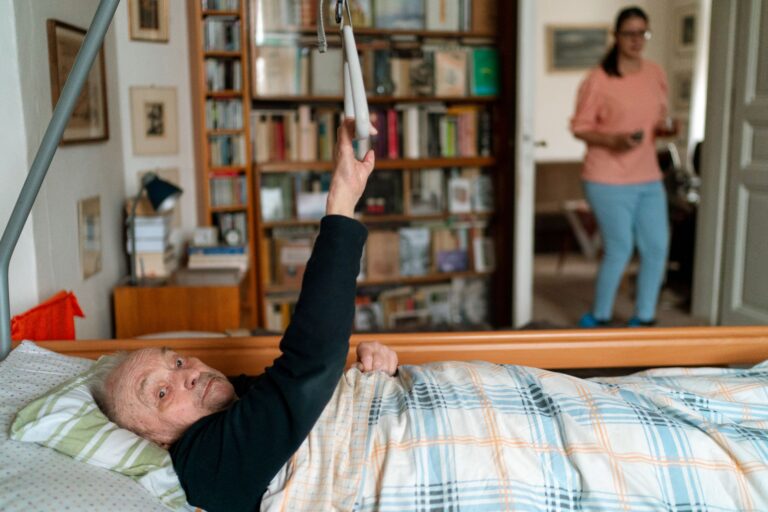
Weak core muscles are one of the leading modifiable risk factors for falls in older adults. Studies consistently show that core strength predicts fall risk more reliably than many other measures. When you can’t stabilize your trunk quickly in response to a trip or unexpected shift in weight, you fall. For someone managing early cognitive decline or dementia, the consequences are compounded: they may not remember to use assistive devices, may not be able to catch themselves mentally or physically, and may not clearly communicate pain or injury afterward. A critical warning: if you’re working with an older adult or someone with cognitive decline, weak core muscles become dangerous not just for falls, but for the entire cascade that follows. A hip fracture in an older adult often marks the beginning of serious decline. The person becomes afraid to move.
They’re hospitalized and possibly sedated. They lose independence. They may never regain their previous level of function. For someone with dementia, this loss of independence often accelerates cognitive decline because the person loses access to movement, stimulation, and the physical activities that were helping maintain their neurological reserve. Fall prevention through core strengthening isn’t optional for this population—it’s essential. The good news is that core strength is remarkably trainable at any age. Even people in their 80s and 90s, and many people with mild to moderate cognitive decline, can safely rebuild core strength with appropriate exercises. The key is consistency, proper form, and often professional guidance to ensure the exercises are done safely.
Connection Between Core Strength and Brain Health
The relationship between physical movement and cognitive function is well-established in neuroscience. The brain’s motor cortex, cerebellum, and proprioceptive systems occupy enormous territory in your neural real estate. When you move with stability and precision, particularly when you challenge your balance and coordination, you activate these systems intensely. This activation stimulates neuroplasticity—the brain’s ability to form new neural connections and reorganize itself. Weak core muscles reduce movement quality and reduce the amount of challenging movement you do. You avoid positions that feel unstable. You don’t move through your full range of motion.
You reduce the proprioceptive challenge your brain receives. Over weeks and months, this means less neurological stimulation. The brain, being highly efficient, begins to reallocate resources from systems it perceives as less necessary. This is particularly concerning for people managing or at risk for dementia, where maintaining neural reserve—the brain’s ability to compensate for aging and damage—is critical. Conversely, improving core strength and stability is one way to increase the challenge and engagement of your motor systems and neurological function overall. Simple exercises like standing on one leg, reaching while balancing, or controlled movements that require spinal stability activate your cerebellum, your proprioceptive system, and your motor cortex. These activations contribute to cognitive reserve in ways that passive activities cannot. For anyone concerned about cognitive decline, rebuilding core strength is not just a physical health goal—it’s a brain health intervention.
Assessment and Strengthening Strategies
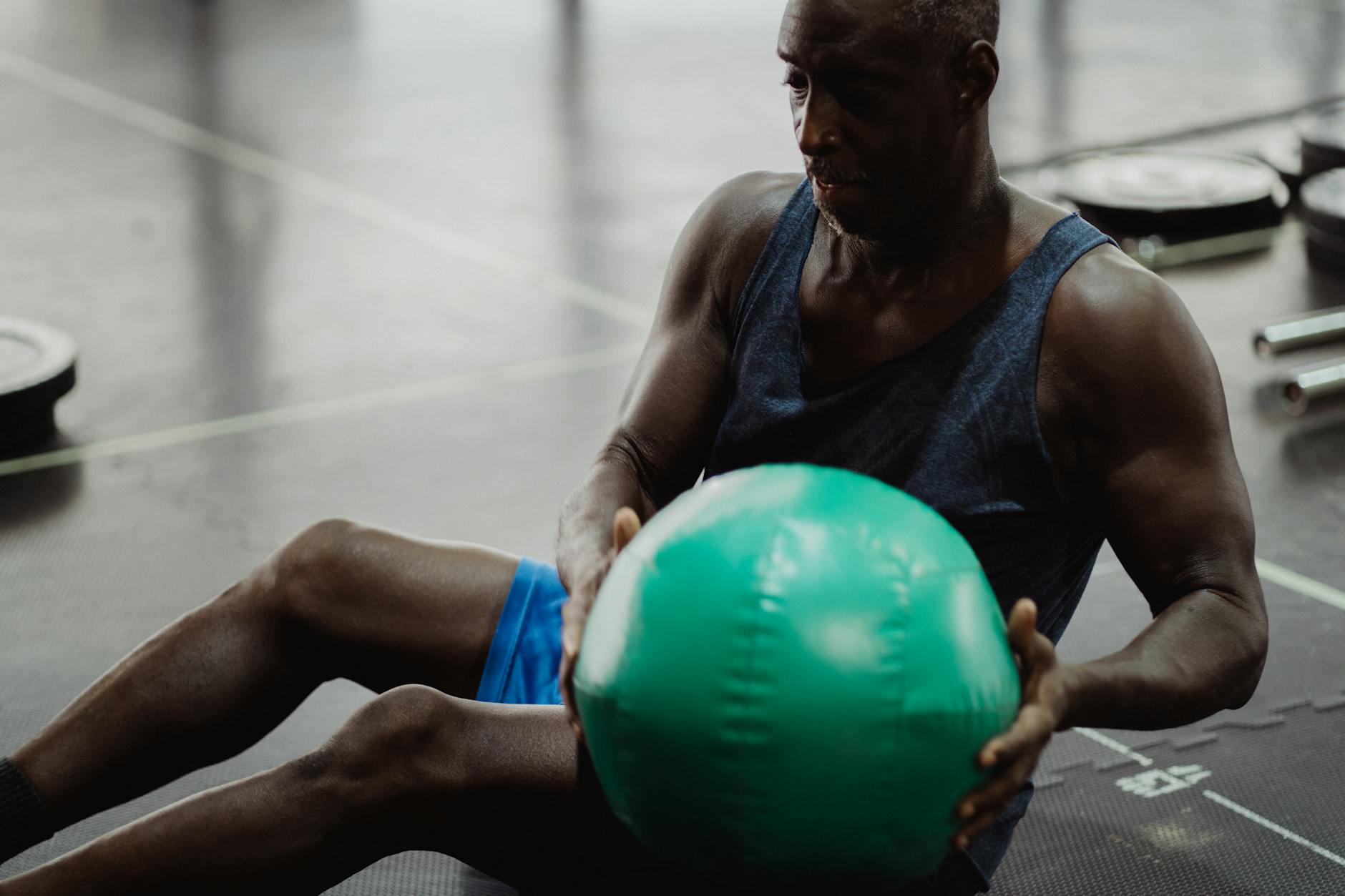
Identifying weak core muscles begins with simple observations: Do you have difficulty standing from a chair without using your arms? Do you lean on counters when standing? Does your lower back hurt after walking or standing? Can you hold your stomach in without holding your breath? Do you hunch forward when sitting? These are all signs of inadequate core strength and motor control. Two approaches to rebuilding core strength differ in their application. The first involves traditional core exercises: planks, dead bugs, bird dogs, and pelvic floor engagement. These are highly specific, train the muscles directly, and produce measurable strength gains relatively quickly. However, they require motivation, proper form, and consistency. The second approach integrates core stability into functional movement: tai chi, balance training, yoga, or simply practicing standing on one foot while brushing your teeth.
These activities improve core strength while simultaneously improving balance, coordination, and proprioception. They also tend to be more engaging and sustainable because they feel like purposeful movement rather than exercise. For someone with cognitive concerns, the functional integration approach is often more successful. The person is more likely to continue the activity because it feels meaningful, and they’re gaining comprehensive improvements in stability and neurological function simultaneously. However, the tradeoff is that you might see slower strength gains and less obvious progress, which can be discouraging. A hybrid approach—some specific core strengthening combined with functional balance training—often produces the best results for long-term success.
Core Weakness in Neurodegenerative Conditions
People with dementia or Parkinson’s disease often develop core weakness as part of the condition’s progression. The basal ganglia and cerebellum, both affected in neurodegenerative diseases, are critical for automatic postural control and core stabilization. As these systems decline, core strength deteriorates even if the person is remaining physically active. Additionally, many people with cognitive decline become increasingly sedentary, which accelerates muscle loss. A critical warning here: progressive core weakness in someone with dementia is not simply a weakness problem that exercise will fix permanently.
The underlying neurological condition is causing progressive loss of motor control. However, this does not mean core training is pointless. Research on Parkinson’s disease, for example, shows that targeted core strengthening and balance training can meaningfully slow functional decline and reduce fall risk, even as the underlying disease progresses. The key is realistic expectation: the goal is to maintain function and safety as long as possible, not to reverse the neurological condition. People caring for someone with dementia and progressive core weakness should work with a physical therapist who has experience with neurodegenerative conditions. The exercises will need to be modified frequently as the person’s abilities change, and the caregiver will need guidance on how to provide safe physical support and how to adapt the environment to reduce fall risk.

Posture, Breathing, and Neurological Function
Weak core muscles often lead to postural collapse: the spine curves forward, the head drops, the shoulders round. This isn’t just cosmetically less impressive—it’s a serious problem for breathing and neurological function. When you slump, your rib cage compresses. Your diaphragm, the primary breathing muscle, can’t move through its full range. You begin breathing shallowly, relying on upper chest muscles. Shallow breathing reduces oxygen delivery to your brain and muscles, increases stress hormones, and reduces your ability to sustain physical activity. Rebuilding core strength naturally corrects posture because the core muscles, particularly the deep abdominal muscles, are responsible for maintaining the spine in its neutral, efficient position.
As these muscles strengthen, your posture improves automatically. You sit taller. Your chest expands. Your breathing deepens. Your brain receives more oxygen. This is why people often report feeling less anxious and having more mental clarity when they improve their core strength—it’s not just psychology. The improved breathing, enhanced oxygen delivery, and reduced activation of stress responses in the nervous system all contribute to better cognitive and emotional function.
Long-Term Outlook and Prevention
The trajectory of core strength follows a predictable path if you don’t intervene: gradual decline accelerates into significant functional loss by your 70s and 80s, particularly if you’ve spent decades in sedentary work and life. However, this is not inevitable. People who have maintained consistent physical activity, particularly activities that challenge balance and stability, retain strong core muscles and excellent functional capacity well into advanced age. They continue moving independently, they continue challenging their nervous systems, and they tend to have better cognitive outcomes. The prevention window is wider than many people realize.
Even if you’re in your 60s, 70s, or older, rebuilding core strength produces rapid and visible improvements in function. Most people can expect meaningful gains within 4-6 weeks of consistent training. For someone concerned about cognitive health and dementia risk, maintaining or rebuilding core strength is one of the most practical, evidence-based interventions available. It’s not about being able to do a perfect plank. It’s about maintaining the fundamental stability system that keeps you moving, active, and neurologically engaged.
Conclusion
Weak core muscles create a cascade of problems: reduced stability, increased fall risk, poor posture, shallow breathing, and reduced physical activity. For someone managing or at risk for dementia, these problems are particularly serious because physical activity is one of the most powerful ways to maintain cognitive function and neurological reserve. The good news is that core strength is trainable at any age and responds quickly to consistent effort.
If you’re concerned about cognitive decline, prioritize core strength and balance training. This means either specific core exercises or, preferably, functional movement activities that challenge your stability in meaningful ways: tai chi, balance training, yoga, or simply moving more intentionally throughout your day. Work with a physical therapist if you’re unsure how to begin safely, especially if you have any neurological concerns or previous fall history. Small improvements in core strength and stability often produce outsized improvements in confidence, activity level, and overall function—benefits that extend directly to your brain health.