Reviewed by the Help Dementia Editorial Team — our editors review every article for accuracy against guidance from the National Institute on Aging, the Alzheimer’s Association, and peer-reviewed sources.
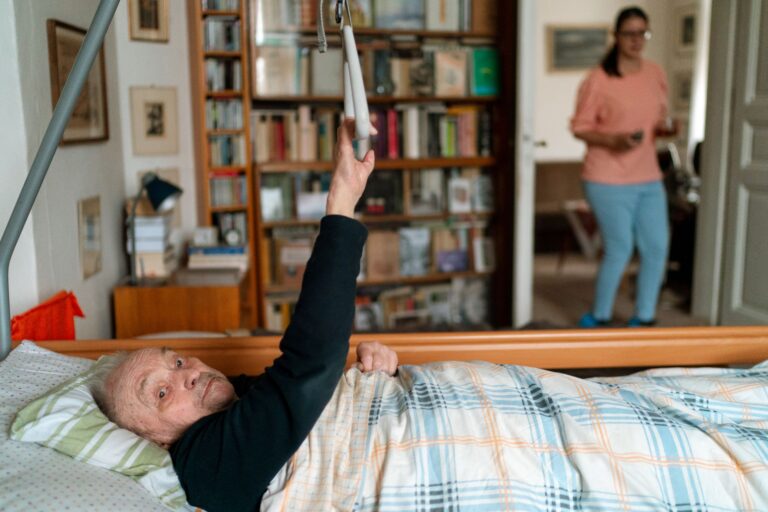
When dementia progresses to the point where 24-hour care becomes necessary, your life changes fundamentally. It means a caregiver—whether a family member or paid professional—is present around the clock to manage hygiene, meals, medications, safety, and behavioral changes. For many families, this transition marks the moment when independence truly ends: your loved one can no longer be left alone, even for a few hours. For example, a 72-year-old with mid-stage Alzheimer’s might wake at 3 a.m. confused about the time, attempt to leave the house, or forget they’ve already eaten dinner.
Round-the-clock supervision prevents wandering, medication errors, falls, and the kind of accidents that happen in moments of unsupervised confusion. This shift is rarely sudden, but rather a gradual recognition that part-time care or daytime supervision is no longer adequate. The decision to move to 24-hour care reflects a clinical reality: the person with dementia now needs consistent oversight to maintain safety, nutrition, hygiene, and dignity. It’s also a financial and emotional milestone for families. The costs multiply, family roles become more strained, and caregivers often experience profound exhaustion from the relentless nature of the responsibility.
Table of Contents
- How Does Daily Life Change When Someone Needs 24-Hour Dementia Care?
- The Physical and Emotional Toll of Round-the-Clock Caregiving
- What Are the Safety Considerations in a 24-Hour Care Environment?
- Comparing In-Home vs. Facility-Based 24-Hour Care
- Behavioral and Cognitive Changes That Intensify With 24-Hour Care Needs
- The Financial Reality of Maintaining 24-Hour Care at Home
- The Role of Professional Assessment and Planning in Transition to 24-Hour Care
- Conclusion
How Does Daily Life Change When Someone Needs 24-Hour Dementia Care?
The rhythm of daily life becomes dictated by the needs of the person with dementia rather than the caregiver’s schedule. A single caregiver cannot simply clock out at 5 p.m.; someone must be present during the night when confusion and behavioral symptoms often worsen. Nighttime can be particularly challenging because people with dementia frequently experience “sundowning”—increased agitation, confusion, and restlessness as evening approaches. A caregiver might manage evening behavioral episodes only to be woken twice during the night by a confused person trying to leave the house or unable to find the bathroom. The physical and mental demands are unrelenting. Unlike a job with breaks and days off, caregiving for someone with advanced dementia is continuous.
Mealtimes require assistance or supervision. Bathing and dressing become lengthy processes. Toileting accidents need immediate attention. Medication management must happen on schedule. Conversations often become one-sided, with the caregiver speaking to someone who may not recognize them or respond appropriately. A family caregiver might spend 18 hours per day directly caring for their parent while managing household tasks, financial responsibilities, and their own health needs—all on very little sleep.

The Physical and Emotional Toll of Round-the-Clock Caregiving
The health impact on caregivers is well-documented and severe. Studies show that family caregivers providing 24-hour care have significantly higher rates of depression, anxiety, hypertension, and weakened immune function. Sleep deprivation alone—from being awakened multiple times nightly—accumulates into chronic fatigue that impairs judgment and increases the risk of accidents or health crises. A caregiver might miss recognizing signs of infection, medication side effects, or their own medical problems because they’re too exhausted to think clearly.
The emotional burden is equally taxing: watching someone you love deteriorate, dealing with accusations or aggression from that person, and managing the grief of losing them while they’re still alive creates a unique form of psychological strain. One significant limitation of family-provided 24-hour care is that it often occurs without adequate professional support or respite. Unlike nursing homes where staff rotate shifts and have backup, a single family caregiver bears sole responsibility with no built-in breaks. This can lead to caregiver burnout, making the person with dementia more irritable (because the stressed caregiver is less patient) and increasing everyone’s suffering. Additionally, some families attempt 24-hour care without professional guidance about behavioral management, medication administration, or safety protocols, which can lead to preventable complications.
What Are the Safety Considerations in a 24-Hour Care Environment?
Safety becomes the organizing principle of the entire home. Doors must be locked from the inside to prevent wandering. Medications must be secured and tracked to prevent accidental overdoses or missed doses. Bathrooms require grab bars and non-slip surfaces to prevent falls. A person who doesn’t recognize their bathroom might fall while trying to find a toilet. Kitchen appliances—stoves, ovens, refrigerators—pose risks if the person with dementia has poor judgment about food safety or fire risk.
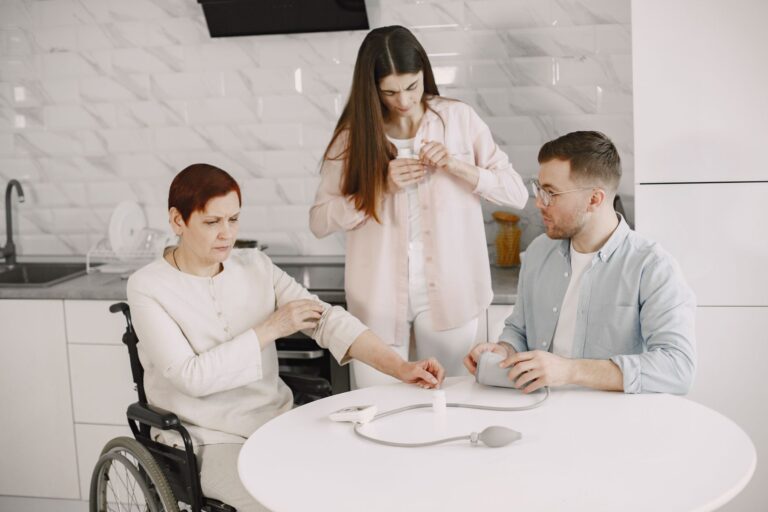
Some families install motion sensors, baby monitors, or door alarms to track their loved one’s movement, creating a surveillance setup that feels jarring but is genuinely necessary when someone might leave the house in nightclothes in the middle of winter. Medication errors become a critical concern when a single caregiver manages complex drug regimens for someone who can’t communicate side effects clearly. A person with dementia cannot tell you they’re experiencing dizziness from a new blood pressure medication or nausea from an antibiotic. The caregiver must monitor for subtle signs—refusing food, unusual drowsiness, loss of balance—and report these to the doctor. Some caregivers use pill organizers, phone alarms, and written checklists; others administer medications and directly observe the person swallowing. The stakes are high: a missed dose of seizure medication or a misdosed blood thinner can be life-threatening.

Comparing In-Home vs. Facility-Based 24-Hour Care
Many families assume that keeping someone at home is inherently better, but 24-hour in-home care has tradeoffs that facility-based care avoids. In-home care offers familiarity and comfort—the person remains in their home, surrounded by familiar objects and pets. A devoted family member providing care maintains continuity and deep knowledge of the person’s history, preferences, and behaviors. However, in-home care means a single point of failure: if the caregiver becomes ill, there’s an immediate crisis. If the caregiver burns out, quality of care deteriorates rapidly. In-home care also requires the caregiver to manage all aspects—cooking, cleaning, bathing, medication, behavioral crises—without immediate professional backup.
Assisted living facilities and memory care units provide 24-hour care through staffed rotations, meaning trained professionals take shifts and have backup support. If one aide calls in sick, another covers. If a resident has a behavioral crisis, multiple staff members can respond. Facilities have protocols for medication management, fall prevention, and health monitoring that are typically more rigorous than a family can provide alone. The tradeoff is cost (often $6,000–$10,000+ monthly), loss of home environment, and for some people, quicker emotional decline from the disorientation of a new setting. Some families choose a hybrid: in-home care with hired aides covering nights, or a facility during the week with family providing weekend care.
Behavioral and Cognitive Changes That Intensify With 24-Hour Care Needs
By the time someone requires 24-hour care, advanced behavioral symptoms are often present. Agitation, verbal or physical aggression, paranoia, and sexual disinhibition can emerge or worsen as the dementia progresses. A person might become convinced their caregiver is a stranger or an imposter, leading to accusations or resistance to care. Another might pace constantly, unable to settle, creating safety risks and exhaustion for caregivers. These behaviors are symptoms of the disease, not deliberate choices, but they’re devastating to live with.
A wife caring for her husband with advanced frontotemporal dementia might face daily accusations that she’s stolen from him, despite having sacrificed her career to care for him. One critical warning: behavioral symptoms in dementia can sometimes signal an underlying medical problem. A sudden increase in agitation might indicate a urinary tract infection, pain, medication side effect, or constipation—treatable issues that are easy to miss in the chaos of 24-hour caregiving. A caregiver providing round-the-clock care must remain alert to changes in behavior and report them to the doctor, but exhaustion often dulls this attention. Additionally, some behavioral interventions require professional expertise: antipsychotic medications, which are sometimes used for behavioral management, carry serious risks in elderly people with dementia (increased stroke risk, increased mortality) and should only be considered when non-drug approaches have failed and the behavior poses genuine danger.

The Financial Reality of Maintaining 24-Hour Care at Home
The cost of hiring aides to provide 24-hour in-home care is staggering for most families. If one aide works an 8-hour shift at $20–$25 per hour (often lower in rural areas, higher in cities), covering 24 hours requires three aides and costs roughly $14,400–$18,000 monthly before taxes, benefits, or overhead. Most families cannot afford this, so they piece together solutions: one family member provides nights while working during the day (and becoming increasingly exhausted), hired help covers afternoons, and evenings are managed by whoever is available. This patchwork approach is cheaper but creates inconsistency that can increase behavioral problems and safety risks. Even when families can afford hired care, finding reliable aides is difficult.
Turnover in home care is extremely high; aides move jobs frequently, leaving families to repeatedly train new people. Some families hire immigrant workers without legal status, creating vulnerability to exploitation and legal risk. Others rely on agencies, which charge 25–50% more but handle payroll and liability. Medicaid may cover some or all costs of institutional care, but coverage for in-home care varies by state and usually covers only a portion of actual costs. Families often spend savings rapidly or face impossible choices: continue paying for diminishing home care, move the person to a Medicaid-funded facility, or pull a family member out of the workforce entirely.
The Role of Professional Assessment and Planning in Transition to 24-Hour Care
The transition to 24-hour care is most successful when guided by a geriatrician, neurologist, or social worker who can assess safety, medical needs, cognitive status, and family capacity. A professional assessment identifies specific risks (e.g., high fall risk, swallowing difficulty) that should shape the care plan. It also helps families set realistic expectations. Some families attempt 24-hour in-home care out of guilt or obligation, not truly understanding the physical demands until they’re overwhelmed. A professional conversation can help families recognize that moving to a facility isn’t failure; it’s a realistic response to a medical reality that exceeds what one person can safely manage alone.
Looking forward, the dementia care landscape is evolving to better support people in this phase. Emerging technologies include wearable monitoring devices, automated medication dispensers with alerts, and telehealth options that let specialists monitor patients remotely. Day programs and respite care centers (still underutilized) offer families a few hours of professional supervision so caregivers can rest. Some employers are beginning to offer dementia care benefits or flexible work arrangements for employees who are caregivers. Despite these developments, 24-hour dementia care remains profoundly difficult, and the resources available to families—whether financial, social, or emotional—often fall short of what’s needed.
Conclusion
When dementia care becomes 24-hour care, the person with dementia and their primary caregiver enter a new phase defined by constant physical demands, safety challenges, behavioral complexity, and emotional strain. This transition is not a single decision point but a gradual recognition that supervision at all times is now necessary.
The shift demands honest assessment of what’s possible: Can a family caregiver sustain this? Can the household be made safe? Are there adequate financial resources? Are professional services available and accessible? The path forward requires flexibility, professional guidance, and compassion—toward the person with dementia and toward the caregivers who bear an extraordinary burden. Whether care happens at home, in a facility, or through a combination of both, the goal remains the same: ensuring safety, dignity, and quality of life during a time of inevitable decline.