Reviewed by the Help Dementia Editorial Team — our editors review every article for accuracy against guidance from the National Institute on Aging, the Alzheimer’s Association, and peer-reviewed sources.
Dementia stops sits at the center of this dementia and brain health question.
When a person with dementia stops talking, it typically means the disease has progressed to affect the language and communication centers of the brain. Speech loss in dementia—called aphasia or language decline—can happen gradually or suddenly, and it reflects damage to areas like Broca’s area (responsible for speech production) or Wernicke’s area (responsible for language comprehension). For example, someone who could hold conversations fluently a month ago might now struggle to find words, repeat the same phrases, or fall silent entirely, even though they may still understand what others are saying. This communication loss is one of the most challenging symptoms families face because it creates a barrier to connection and makes caregiving more difficult.
Speech decline in dementia doesn’t mean the person has stopped thinking, feeling, or having emotions—it means the ability to express those thoughts has been interrupted by brain changes. The degree of speech loss varies widely depending on the type of dementia, the stage of disease, and which brain regions are affected. Some people lose words but maintain gestures and emotional expressions. Others may speak in fragments or repeat words without clear meaning. Understanding what’s happening neurologically can help caregivers recognize this as a symptom of disease progression rather than stubbornness or refusal to communicate.
Table of Contents
- Why Do Dementia Patients Lose the Ability to Speak?
- The Stages of Communication Decline in Dementia
- How Communication Loss Affects Relationships and Caregiving
- Working With Nonverbal and Near-Nonverbal Communication
- When Speaking Ability Changes Suddenly or Drastically
- The Role of Emotion and Tone in Nonverbal Connection
- Planning Ahead and Accepting New Ways of Being Together
- Conclusion
- Frequently Asked Questions
Why Do Dementia Patients Lose the Ability to Speak?
Speech loss occurs because dementia damages the neural networks that control language production and comprehension. In Alzheimer’s disease, the most common form of dementia, plaques and tangles accumulate in language centers first in some cases, disrupting the signals that allow someone to retrieve words and form sentences. In frontotemporal dementia, progressive damage to the frontal and temporal lobes often begins with language problems—people may stop speaking altogether or develop a monotone voice with no emotional inflection. Primary progressive aphasia is a type of dementia characterized specifically by language decline that appears before other cognitive symptoms.
The speed of communication loss varies dramatically. Some people experience a gradual fade over months or years, with words becoming harder to access and sentences becoming shorter and simpler. Others may have a sudden change following a stroke-like event in the brain. One caregiver described noticing her husband’s speech declined sharply after what seemed like a minor illness—he went from speaking in full sentences to using single words within weeks. The unpredictability of communication loss adds to the caregiver burden because it’s difficult to plan for or anticipate the next stage.

The Stages of Communication Decline in Dementia
Early-stage dementia typically involves word-finding difficulties, repetitive speech, and trouble following complex conversations. A person might pause mid-sentence to search for a word, repeat the same story multiple times in an hour, or lose track of what’s being discussed if there are multiple speakers or distractions. They’re still communicating, but less fluently. Middle stages bring more significant speech reduction: shorter phrases, loss of complex sentence structure, and difficulty understanding nuanced language. someone might respond only to direct questions or simple requests, and abstract concepts become increasingly hard to grasp.
In advanced dementia, speech often becomes severely limited or nonexistent. A person may use only a few words or sounds, may not respond to spoken words at all, or may produce speech that sounds meaningless to listeners (called jargon aphasia). However, a critical limitation to understand is that the absence of speech does not mean the absence of awareness or emotion. Research suggests that people with severe language loss may still understand tones of voice, recognize family members, and respond to touch and comfort. One important warning: never assume someone cannot hear or understand just because they don’t respond verbally. Speaking to them with respect, explaining what you’re doing, and giving them time to process is still meaningful.
How Communication Loss Affects Relationships and Caregiving
When someone stops talking, relationships shift dramatically. Adult children report feeling grief as they lose the ability to have conversations with parents. Spouses lose the daily back-and-forth that defined their partnership. The person with dementia may experience frustration, anxiety, or depression as they become aware of their language loss in earlier stages. Some develop behavioral problems—aggression, wandering, or agitation—partly because they cannot express what they need or feel. One daughter described the difficulty of not knowing whether her mother’s crying meant pain, fear, sadness, or simply the inability to communicate something she wanted to say.
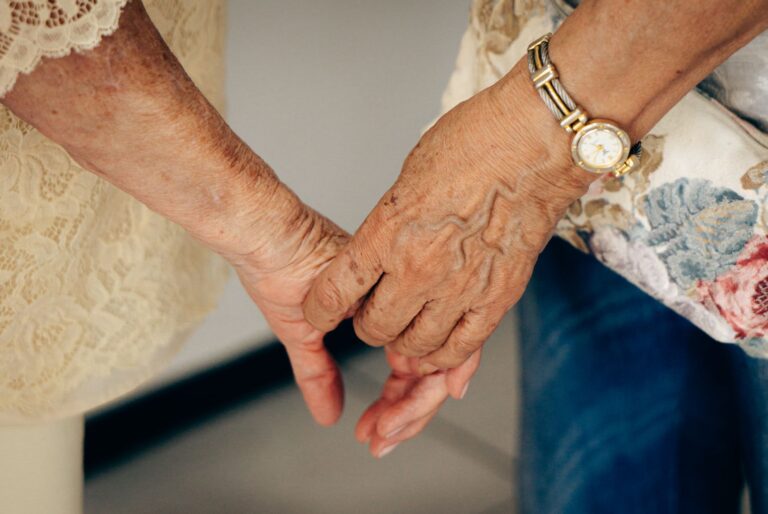
Caregiving becomes more complex without verbal communication. you must guess whether stomach pain, restlessness, or agitation reflects a medical need, emotional distress, or just frustration. This guessing game is exhausting and can lead to errors in care. Some families develop alternative communication methods: pointing to pictures, using simple gestures, playing music, or relying on familiar rituals. Others find that nonverbal communication—sitting quietly together, holding hands, or providing physical comfort—becomes the primary form of connection. The comparison is relevant: verbal communication is linear and information-rich, but nonverbal communication can be deeper and more emotionally honest in some ways.

Working With Nonverbal and Near-Nonverbal Communication
When speech fades, other forms of communication often remain available longer than expected. Facial expressions, eye contact, tone of voice, and body language carry meaning. Someone who cannot say “I love you” might squeeze your hand or look in your eyes with recognition. These moments are real communication, though they require caregivers to slow down and pay attention.
Strategies that help include using simple, clear speech; allowing extra time for responses; speaking to the person’s face so they can see your lips; and reducing background noise that competes for attention. Some people benefit from communication aids like picture boards, though these work best in mid-stage dementia before comprehension becomes too limited. Music, singing, and rhythm often remain accessible even when spoken language is gone—a person who cannot speak may sing a familiar song or sway to music. One practical tradeoff: investing time in developing these alternative communication methods early can pay dividends later, but it requires trial and error to discover what works for each individual. Some communication tools that work wonderfully for one person fall flat with another, so flexibility and patience are essential.
When Speaking Ability Changes Suddenly or Drastically
Sudden changes in speech—going from conversational to nearly mute in days or weeks—are frightening and warrant medical evaluation. While dementia is progressive, a sudden change could indicate a stroke, infection, medication side effect, or other treatable condition. One warning: don’t automatically attribute sudden speech loss to disease progression without consulting a doctor. A urinary tract infection or reaction to a new medication can cause acute confusion and mutism that reverses with treatment.
Families should report sudden changes to the neurologist or primary care doctor promptly. Another consideration is that some people with dementia develop a condition called “palilalia,” where they repeat their own words involuntarily, or “echolalia,” where they repeat words others say. This is not voluntary and not a sign of stubbornness—it reflects the specific way the brain damage is affecting language circuits. Understanding the difference between volitional behavior and neurological symptoms helps caregivers respond with compassion rather than frustration.

The Role of Emotion and Tone in Nonverbal Connection
Even when words disappear, emotional communication often persists. A person with severe dementia may not understand sentences but will recognize anger, warmth, or patience in a caregiver’s tone of voice and body language. The limbic system—which processes emotion—can remain more intact than language areas, especially in Alzheimer’s disease.
This means someone may not remember a conversation but will remember how you made them feel. One daughter found that her nonverbal father responded more to her cheerful singing and dancing than to any attempt at conversation. When she stopped trying to talk to him and instead focused on sharing joy through music and movement, his anxiety dropped and his quality of life improved. This illustrates an important shift in mindset: as language fades, emotional and sensory connection becomes the primary way to maintain relationship and provide comfort.
Planning Ahead and Accepting New Ways of Being Together
For families facing dementia diagnosis, understanding that speech loss is likely part of the disease trajectory makes advance planning possible. When someone still has language skills, that’s the time to ask about wishes, values, and important stories. Some families record videos of their relative speaking while they can. Others use memory books with photographs and simple captions. These tools can’t prevent loss, but they preserve something of the person’s voice and identity for later reflection.
As families move forward with a loved one who has lost or is losing speech, the shift from “having conversations” to “being together” represents a profound reorientation. Advanced dementia doesn’t mean the end of relationship—it changes the form relationship takes. Many caregivers eventually describe a kind of peace in this stage, though it arrives after grief. The relationship moves from intellectual exchange to presence, from talking to just being. This future outlook isn’t meant to minimize the loss—communication loss is real and painful—but to acknowledge that connection and meaning can persist in different forms.
Conclusion
Speech loss in dementia is a symptom of underlying brain damage, not a choice or behavior problem. It happens because dementia damages the brain regions that control language, and it progresses at different rates for different people depending on dementia type and disease stage. Understanding why it happens and what remains possible—nonverbal communication, emotional connection, sensory experiences—helps families adjust expectations and find new ways to maintain relationship and provide care.
If you’re caring for someone experiencing communication decline, consider consulting a speech-language pathologist who specializes in dementia for practical strategies tailored to your loved one’s abilities. You might also connect with dementia care organizations or support groups where other caregivers share approaches to nonverbal communication. The goal shifts from restoring speech to preserving dignity, comfort, and connection in whatever forms remain possible.
Frequently Asked Questions
If my loved one stops talking suddenly, does that mean they’re in the final stage of dementia?
Not necessarily. While gradual speech decline is part of progressive dementia, sudden loss of speech warrants medical evaluation. It could indicate a stroke, infection, medication side effect, or other treatable condition. Always report sudden changes to a doctor rather than assuming it’s disease progression.
Can someone with dementia who has stopped talking understand what I’m saying?
It depends on the stage and type of dementia. In early stages of speech loss, comprehension is often better than expression—they may understand more than they can respond to. In advanced stages, understanding varies. However, it’s always wise to assume some level of awareness exists and to speak to the person respectfully, explain what you’re doing, and give them time to process.
Are there treatments that can restore speech in dementia?
No medications currently reverse dementia-related speech loss. However, speech-language pathology can help optimize remaining communication skills, develop alternative communication strategies, and provide caregiver training on how to communicate effectively with someone whose speech is limited. Starting therapy early provides the most benefit.
Is it normal for my loved one to become frustrated or depressed as their speech declines?
Yes. In earlier stages when awareness is present, loss of speech can be emotionally devastating. Depression, anxiety, and frustration are understandable responses. Reassurance, patience, and mental health support—whether through therapy or medication for depression—can help. As dementia progresses and awareness decreases, emotional responses may shift.
What should I do if I can’t understand what my loved one is trying to say?
Stay calm and avoid pretending to understand. Try to identify the context (meal time, bedtime, etc.) or what they’re pointing to. Ask yes-or-no questions. Offer simple choices. Use pictures or objects. Don’t get frustrated or correct them. Sometimes you won’t understand, and that’s okay—acknowledge their effort with patience and compassion.
How do I maintain a relationship with someone who can’t talk anymore?
Relationship shifts from conversation to presence and sensory connection. Spend time together without pressure to communicate. Use music, touch, familiar rituals, and familiar activities. Look for nonverbal cues—facial expressions, gestures, eye contact. Acknowledge their emotions through tone and body language. Many families find this stage brings unexpected closeness once they let go of the need for words.
You Might Also Like
- What Happens When a Person With Dementia Stops Walking?
- What Happens When Dementia Moves From Moderate to Severe?
- What Happens When Dementia Moves From Mild to Moderate?
For more, see Alzheimer’s Association — caregiving.