When a spinal disc herniates, the soft, gel-like nucleus pulposus at the center of an intervertebral disc ruptures through the tough outer fibrous ring called the annulus fibrosus. This allows the inner material to push outward, often pressing directly on the nerves that run through the spinal canal. For example, a person might suddenly experience sharp, shooting pain down one leg—sometimes accompanied by numbness or weakness—when a disc in their lower spine herniates and compresses the nerve roots that form the sciatic nerve.
This article explores the anatomical changes that occur during disc herniation, why these changes cause the symptoms people experience, what distinguishes different types of herniation, and what typically happens next. Understanding disc herniation at the structural level is important not only for spine health but also because spinal problems can affect overall neurological function and quality of life. While disc herniation is primarily an orthopedic condition, the neurological consequences—pain, nerve damage, and mobility loss—can have ripple effects on cognition, mood, and physical independence, particularly in aging populations.
Table of Contents
- What Is the Disc Structure and How Does It Herniate?
- What Causes the Disc to Herniate in the First Place?
- How Does a Herniated Disc Press on Nerves and Cause Neurological Symptoms?
- What Are the Different Patterns of Herniation and What Do They Mean?
- What Happens at the Microscopic Level and in the Surrounding Tissues?
- Recovery and What Happens After Herniation
- Long-Term Outlook and Recurrence Risk
- Conclusion
What Is the Disc Structure and How Does It Herniate?
Your spine contains 23 intervertebral discs that sit between adjacent vertebrae, functioning as shock absorbers and allowing flexibility. Each disc has two main parts: a tough, fibrous outer layer (annulus fibrosus) made of concentric rings of collagen fibers, and a central gel-filled core (nucleus pulposus) composed mostly of water and proteoglycans. The nucleus is held in place by the annular rings, which are strongest on the back and sides but progressively weaker toward the back-center of the disc. When a disc herniates, one or more of the annular fibers tear, allowing the nucleus material to extrude outward.
The herniation can range from mild to severe. A disc bulge occurs when the outer fibers remain intact but the nucleus pushes the boundary outward symmetrically, like an overinflated balloon. A disc protrusion happens when the nucleus breaches some annular fibers but the material remains contained within a capsule. A disc extrusion occurs when the nucleus ruptures completely through the annulus, and the material can even separate entirely (sequestration), fragmenting away from the main disc body. To illustrate the difference: a 45-year-old office worker might have a disc bulge pressing mildly on a nerve, causing occasional pain, while a 60-year-old construction worker who suffered acute trauma might have a disc extrusion with loose fragments, causing severe, immediate pain and neurological signs like foot drop or loss of bowel control.

What Causes the Disc to Herniate in the First Place?
Disc herniation usually results from a combination of age-related degeneration and mechanical stress. As we age, the nucleus loses water content and elasticity, becoming less gel-like and more brittle. The annular fibers also weaken, develop micro-tears, and lose flexibility. this degeneration typically begins in the late 20s and progresses throughout life, which is why imaging studies often show disc bulges even in people without pain—the aging disc becomes vulnerable.
However, if herniation is present without nerve compression, there may be no symptoms at all; many people with herniated discs on imaging have no pain whatsoever. A herniation often triggers when the weakened disc is subjected to a specific force: heavy lifting with poor posture, a sudden awkward twisting motion, repetitive bending, or direct trauma. The load increases pressure within the nucleus, and if the annular fibers are already compromised, they rupture. Interestingly, extreme force is not always necessary—sometimes a minor movement like sneezing or straining to have a bowel movement can trigger herniation in an already-weakened disc, because intradiscal pressure rises dramatically during these activities.
How Does a Herniated Disc Press on Nerves and Cause Neurological Symptoms?
When disc material extrudes into the spinal canal, it physically displaces and compresses the nerve roots that branch off from the spinal cord, or it can even compress the spinal cord itself if the herniation occurs in the cervical or thoracic spine. Nerve compression causes pain through two mechanisms: mechanical irritation of the nerve tissue itself, and chemical inflammation from proteins released by the herniated disc material that trigger an immune response. The symptoms depend on which nerve is compressed and how severely.
A herniated disc in the lumbar (lower) spine typically compresses the nerves that form the sciatic nerve, causing sciatica—sharp pain radiating down the back of the leg, sometimes with numbness in the foot or weakness in leg muscles used for walking or lifting. Cervical (neck) disc herniation can compress nerves leading to the arm and hand, causing neck pain, arm pain, numbness in fingers, and weakness in grip or shoulder strength. A particularly concerning scenario is central disc herniation that compresses the spinal cord itself, which can cause bilateral leg weakness, loss of bladder or bowel control, or numbness in the saddle area (the region where you would sit in a saddle), a condition called cauda equina syndrome that requires emergency surgery.
What Are the Different Patterns of Herniation and What Do They Mean?
Herniation can be described by direction: posterolateral (toward the back and side of the spinal canal, most common), central (directly backward into the spinal canal), lateral (directly to the side, often affecting the nerve that exits at that level), or anterolateral (forward and to the side, rare in the lumbar spine). The direction matters because it predicts which structures are at risk. A posterolateral herniation might compress one nerve root on one side, causing one-sided pain.
A large central herniation or a sequestered fragment can compress multiple nerves or the spinal cord itself, causing more extensive symptoms. Size is not always predictive of severity—a large disc bulge on imaging might cause minimal pain if it’s not actually pressing on a nerve, while a small focal extrusion might cause severe pain if it compresses the nerve precisely. This mismatch between imaging findings and symptom severity confuses many patients and sometimes leads to unnecessary surgery. Patients should know that the fact that imaging shows a herniation doesn’t automatically mean it needs treatment; the clinical symptoms and neurological examination findings are what drive treatment decisions.
What Happens at the Microscopic Level and in the Surrounding Tissues?
At the microscopic level, the extruded disc material is composed of nucleus pulposus cells, proteoglycans, collagen fragments, and water. Once outside the disc, this material triggers an immune response. Inflammatory cells migrate to the area, and pro-inflammatory cytokines (chemical messengers) are released, including TNF-alpha, IL-6, and IL-8. These cytokines increase pain signaling and can sensitize nearby nerve roots, making them more reactive to touch and pressure. This inflammatory phase typically peaks in the first 2-4 weeks after acute herniation and then gradually resolves over weeks to months.
The extruded material is not permanent. The body gradually resorbs (absorbs) the herniated disc material through a process involving macrophages and other immune cells. Imaging studies show that many disc herniations, especially sequestered fragments, shrink significantly or disappear entirely over 6-12 months without surgical intervention. However, if the herniated material is pressing on the nerve, waiting for resorption may not be ideal—pain and nerve damage can be severe and prolonged, and prolonged compression can cause permanent nerve injury. This creates a clinical decision point: conservative management (physical therapy, anti-inflammatory medication, time) versus earlier surgical intervention to immediately relieve pressure.

Recovery and What Happens After Herniation
Most acute disc herniations improve with conservative treatment: activity modification (avoiding positions and movements that worsen pain), physical therapy to improve core strength and flexibility, and anti-inflammatory medication or steroid injections to reduce inflammation and pain. Recovery typically follows a pattern: high pain in the acute phase (weeks 1-4), gradual improvement over 4-12 weeks, and resolution of acute pain by 3-4 months in the majority of cases. An example: a 50-year-old person who experiences sudden low back pain and leg pain after lifting something heavy might be severe and unable to work for 2-3 weeks, but with physical therapy and relative rest, pain progressively diminishes so that by week 8, they’re back at work with residual stiffness that continues to improve.
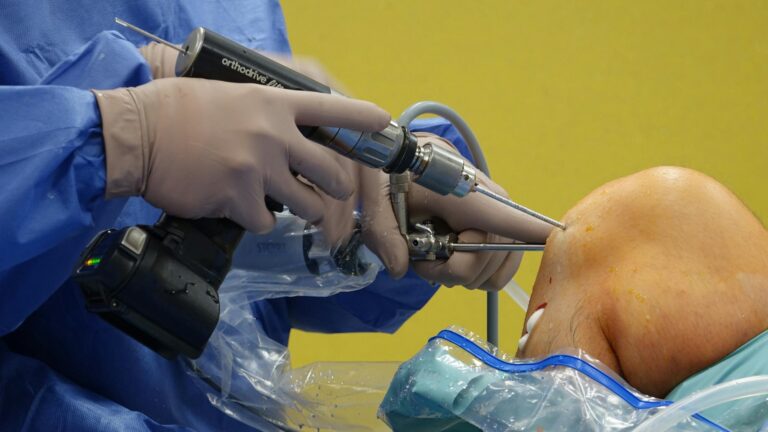
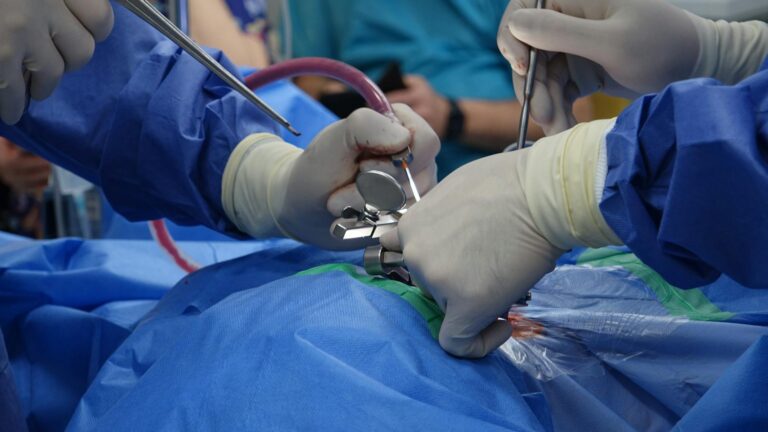
However, recovery is not always linear. Some people experience a relapse of pain after initial improvement, particularly if they return to heavy activity too quickly or if they had significant nerve damage. In cases of severe compression causing neurological deficit (weakness, loss of sensation, bowel/bladder loss) or in cases where conservative treatment has failed after 6-12 weeks, surgery (discectomy or microdiscectomy) is considered. Post-operative recovery from these minimally invasive surgeries is often faster, with many patients experiencing significant pain relief within days, though full recovery can take 4-6 weeks.
Long-Term Outlook and Recurrence Risk
Once a disc has herniated, the risk of recurrence is elevated. The annular fibers, even after healing, are weakened and more prone to re-injury. Studies show that roughly 15-20% of people who experience one disc herniation will have a recurrence in the same or adjacent disc within 5 years. This doesn’t mean another major herniation is inevitable—many people go years without problems—but it does suggest the importance of maintaining core strength, using proper body mechanics, and avoiding repetitive heavy loading or extreme spinal movements.
The long-term prognosis for most people with disc herniation is favorable. Even those who require surgery generally have good functional outcomes, especially if surgery addresses clear nerve compression. However, chronic pain can persist in a subset of people, sometimes due to ongoing inflammation, scar tissue formation, or chronic nerve irritation. In aging populations, disc herniation becomes more common, but it’s typically managed conservatively unless it causes significant neurological compromise. The key is early recognition of symptoms, appropriate imaging when necessary, and timely intervention tailored to the severity of nerve compression and the degree of functional impairment.
Conclusion
A herniated spinal disc occurs when the soft nucleus pulposus ruptures through the tough annulus fibrosus, allowing disc material to protrude into the spinal canal where it can compress nerve roots or the spinal cord. The degree of pain and neurological symptoms depends on the size and location of the herniation, the severity of nerve compression, and the inflammatory response triggered by the extruded material. Most people recover with conservative treatment, including activity modification, physical therapy, and anti-inflammatory measures, as the body gradually resorbs the herniated material over weeks to months.
Understanding what happens during disc herniation helps patients make informed decisions about their care and set realistic expectations for recovery. While imaging can show the presence of a herniation, symptoms and neurological findings are what guide treatment. Anyone experiencing severe or progressive neurological symptoms—weakness, progressive numbness, or loss of bladder or bowel control—should seek emergency care, as these may indicate spinal cord compression requiring urgent intervention.