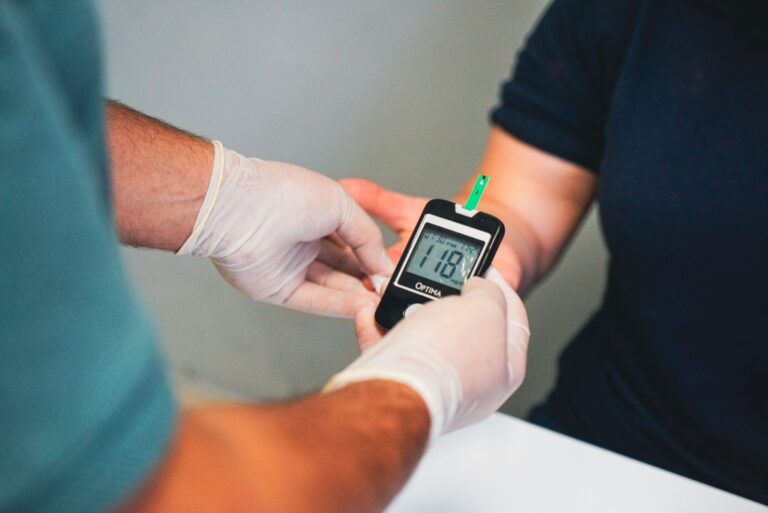
A vitamin B12 test for dementia starts with a simple blood draw that measures serum B12, usually with no fasting required. Results below roughly 200 pg/mL are typically flagged as low, and values between about 200 and 350 pg/mL are considered borderline depending on the lab, according to an NIH-hosted review. If that first result comes back low or borderline, the workup doesn't stop there. Clinicians order a second round of tests to confirm whether the body is actually deficient at the cellular level, and to find out why.
Medical information disclaimer: This article is for general educational purposes only and does not provide medical advice, diagnosis, or treatment. Always consult a physician or other qualified health professional about symptoms, medications, tests, or treatment decisions.
Table of Contents
- Why Doctors Check B12 When Evaluating Dementia
- What Happens After the Initial Blood Draw
- Who Should Be Prioritized for Testing
- What a Low B12 Result Means for a Dementia Diagnosis
- Frequently Asked Questions
Why Doctors Check B12 When Evaluating Dementia
Vitamin B12 is required for red blood cell formation, DNA synthesis, and normal neurological function, according to an NIH Office of Dietary Supplements fact sheet. When levels drop too low, the nervous system can misfire in ways that look like dementia. Deficiency can cause numbness and tingling, balance problems, depression, confusion, and memory loss, sometimes without the anemia that doctors once expected to see alongside it, per the same NIH fact sheet.
Because those symptoms overlap so closely with dementia, consensus clinical guidelines recommend checking serum B12 in anyone being evaluated for cognitive decline, since deficiency is a potentially treatable contributor to the symptoms, according to a PubMed Central review on cognitive impairment and vitamin B12. This is why the test is standard practice rather than something ordered only when B12 deficiency is suspected on its own. A dementia workup that skips it risks missing a cause that can sometimes be corrected.
What Happens After the Initial Blood Draw
The first serum B12 result rarely stands alone. When it comes back borderline or low, clinicians commonly order follow-up blood tests for methylmalonic acid (MMA) and homocysteine, along with antiparietal cell and anti-intrinsic factor antibody tests to check for pernicious anemia as an underlying cause, according to the same PubMed Central review. These follow-up tests exist because the initial serum B12 number can be ambiguous.
Elevated serum MMA is considered a sensitive and specific marker of true cellular B12 deficiency, while a normal MMA result makes deficiency unlikely even when the B12 level itself sits in a gray zone, according to a clinical diagnostic summary on evaluating marginally low B12. Homocysteine is checked too, but it carries less weight on its own. It can rise with folate deficiency, kidney impairment, or other conditions, so an elevated homocysteine result alone does not confirm B12 deficiency, per the same clinical summary.
- Serum B12: the first screening test, flagged low near or below 200 pg/mL
- MMA: confirms true cellular deficiency when elevated
- Homocysteine: supportive but non-specific, since other conditions raise it too
- Antiparietal cell and anti-intrinsic factor antibodies: identify pernicious anemia as the cause
Who Should Be Prioritized for Testing
Some groups face a higher baseline risk of B12 deficiency, which makes testing more urgent when cognitive symptoms appear. Older adults, people with pernicious anemia or malabsorption conditions, strict vegetarians and vegans, and anyone with inadequate dietary B12 intake are priority candidates for testing, according to an overview of vitamin B12 deficiency.
Pernicious anemia develops when the body can't absorb B12 from food, usually because it lacks a protein called intrinsic factor. That's why the antibody tests described above matter: they can identify this specific, treatable cause rather than leaving the deficiency unexplained. For families noticing new confusion or memory loss in an older relative, flagging any of these risk factors to a doctor can help push B12 testing onto the list of things to rule out early.
What a Low B12 Result Means for a Dementia Diagnosis
A confirmed B12 deficiency does not mean dementia will reverse once treated. A 2012 systematic review of 43 studies found that only a small subset of dementia cases improves with B12 therapy, and supplementation helped cognition only in patients who had a pre-existing, documented deficiency — not in those with normal B12 levels, according to the same PubMed review. Even among patients who do have low B12, the outcome is mixed.
A controlled study in nursing-home patients with dementia and low B12 found that replacement therapy significantly improved blood and metabolic markers, but produced no significant improvement in cognitive or psychiatric test scores, according to the PubMed Central review. A separate case series from a UK memory clinic found no instances where B12 replacement reversed established dementia, though treatment sometimes improved frontal-lobe and language function; its authors still recommended that everyone with cognitive impairment be tested for B12 deficiency, per that clinic's published findings. That combination — test everyone, but expect reversal only in a minority — is the practical takeaway. The test identifies a treatable factor and rules out a cause that's cheap and straightforward to address, even when it doesn't explain the full clinical picture.
Frequently Asked Questions
Does a normal MMA result rule out B12 deficiency even if serum B12 is low?
Yes — a normal MMA makes true cellular deficiency unlikely even when the initial serum B12 level is ambiguous, according to the clinical diagnostic summary cited above.
Can treating a B12 deficiency cure dementia?
Treatment only improves cognition in patients who had a documented deficiency beforehand, and even then results are mixed — one nursing-home study found better metabolic markers but no significant cognitive improvement.