A dementia diagnosis should trigger a prompt review of diabetes care, especially medication, glucose monitoring, meals, and responsibility for daily tasks. The main goal often shifts from tight glucose control toward preventing dangerous low blood sugar and symptomatic high blood sugar. Families should not assume the person can continue the same routine safely. The appropriate changes depend on cognitive impairment, overall health, medicines, living arrangements, and available support.
Medical information disclaimer: This article is for general educational purposes only and does not provide medical advice, diagnosis, or treatment. Always consult a physician or other qualified health professional about symptoms, medications, tests, or treatment decisions.
Table of Contents
- Which diabetes tasks need reassessment?
- Why low blood sugar deserves special attention
- Should the glucose or A1C goal change?
- When should medicines be reviewed?
- Can tighter glucose control treat dementia?
Which diabetes tasks need reassessment?
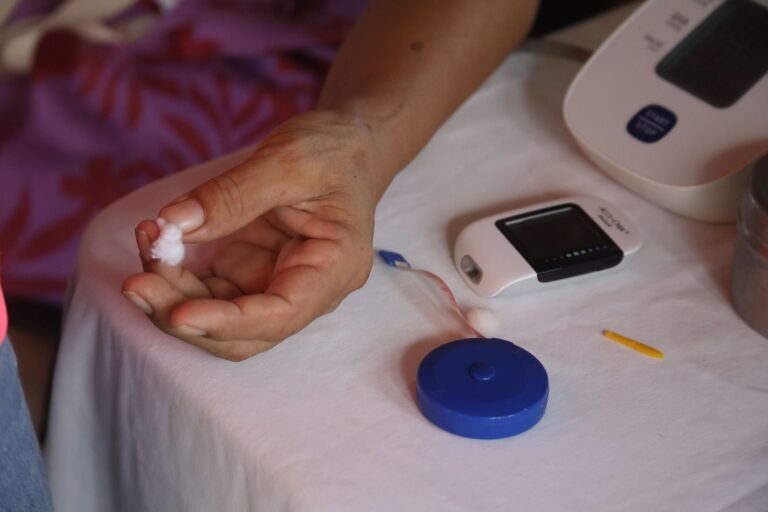
dementia can interfere with checking glucose, taking the correct dose, eating on schedule, and responding to hypoglycemia. Hypoglycemia means blood sugar has fallen too low. The National Institute of Diabetes and Digestive and Kidney Diseases advises matching diabetes tasks to the person's cognitive and functional abilities.
Families should review whether the person can reliably: Ability may differ by task. Someone might still check glucose accurately but confuse insulin doses or forget whether a medication was already taken. The care plan should address each task separately rather than treating independence as all-or-nothing.
- Check and interpret glucose readings
- Take the right medicine at the right time
- Coordinate medication with meals
- Recognize and treat low blood sugar
- Ask for help when something goes wrong
Why low blood sugar deserves special attention
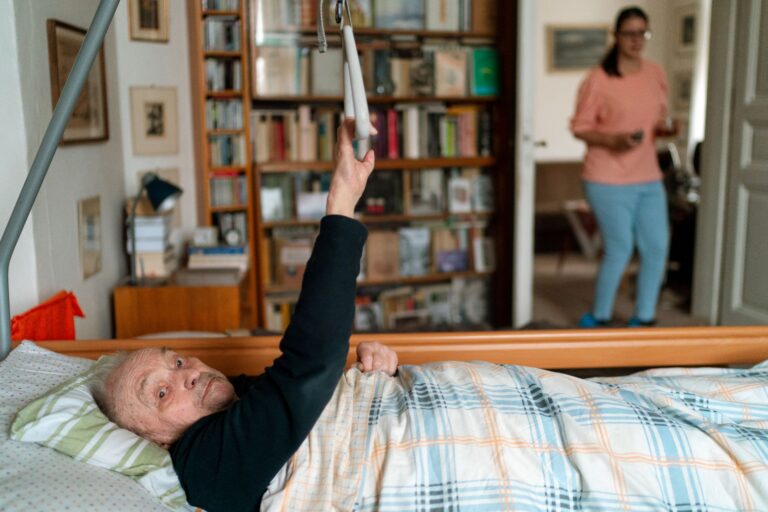
Cognitive impairment can make a complex diabetes routine dangerous. A person may miss a meal, repeat a dose, or fail to recognize and treat a low. The American Diabetes Association says cognitive dysfunction should prompt a simpler care plan and an appropriate support structure. The risk is clinically important.
In a study of 302 adults aged 70 or older, dementia predicted later hypoglycemia requiring health-service use, with a hazard ratio of 3.00. Inability to self-manage medicines had a hazard ratio of 4.17, according to the University of Western Australia researchers. Those figures show a strong association, not an individual forecast. Still, they support acting early when mistakes appear instead of waiting for a serious episode.
Should the glucose or A1C goal change?
Often, but there is no single diabetes target for everyone with dementia. A1C is a blood test used to estimate average glucose over time. The target should reflect the person's cognitive impairment, health complexity, and risk of hypoglycemia.
For an older adult with mild-to-moderate cognitive impairment, the ADA recommends individualized, less-stringent goals that emphasize avoiding lows. An A1C below 8.0% is one possible example, not a universal prescription, according to the ADA's 2026 standards. For moderate-to-severe cognitive impairment or very complex health, the ADA advises against relying on A1C. Treatment decisions should instead focus on preventing hypoglycemia and high glucose that causes symptoms, because tight targets offer little benefit in this situation.
When should medicines be reviewed?
Ask the diabetes clinician to review insulin and other medicines that can cause hypoglycemia after a dementia diagnosis. A review becomes especially important when the person has: The purpose is to identify unnecessary complexity and decide who will manage each part of treatment.
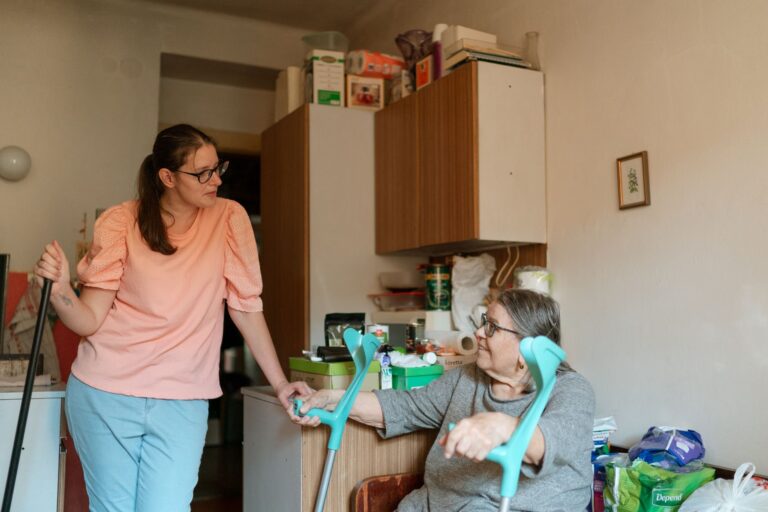
Families should bring information about recent readings, missed doses or meals, suspected repeat doses, and changes in available supervision. People who live alone or use complex treatment plans are particularly vulnerable as cognition declines. A care partner may need training in glucose monitoring and in recognizing both low- and high-blood-sugar symptoms.
- Missed meals
- Made dosing mistakes
- Had repeated low-glucose episodes
- Changed living arrangements
- Lost help from a care partner
Can tighter glucose control treat dementia?
Tight glucose control should not be treated as a proven dementia therapy. The ADA reports that the ACCORD, ADVANCE, and VADT trials found no cognitive-outcome difference between intensive A1C goals below 6.0% to 6.5% and standard control, as summarized in its 2026 medical-evaluation standards.
The relationship between diabetes and cognition runs in both directions. Severe hypoglycemia is associated with poorer cognition and faster decline, while cognitive impairment makes diabetes self-management harder. That is why treatment changes require an individualized clinical review, not a dementia-specific glucose target.