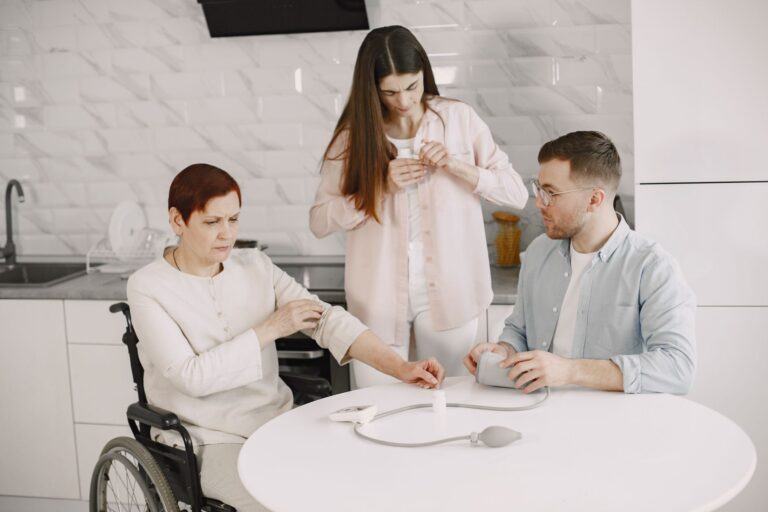
An incomplete dementia test result means the screening was only partly finished or could not be scored, so it cannot diagnose dementia. It reflects missing information, not proof of memory loss. A cognitive screening test is a brief check of memory, attention, language and task skills. When items go unanswered or instructions do not fit the person, the total score loses meaning and the clinician needs more information.
Medical information disclaimer: This article is for general educational purposes only and does not provide medical advice, diagnosis, or treatment. Always consult a physician or other qualified health professional about symptoms, medications, tests, or treatment decisions.
Table of Contents
- Why does a screening come back incomplete?
- Can one test diagnose dementia?
- Do hearing and vision change the score?
- What should you do next?
Why does a screening come back incomplete?
Illness, fatigue, confusion, limited time or refusal can stop a test early. In hospital settings, drawing and copying tasks are often the parts left blank. In one inpatient study reported in the International Journal of Geriatric Psychiatry, only 14 of 51 ACE-III, 22 of 51 MMSE and 20 of 51 MoCA tests were fully complete, mostly because drawing and copying items were missed inpatient completion study.
A missing drawing does not equal failed memory. Sensory problems, pain, low energy or an unfamiliar setting can also interrupt testing. The result then describes the attempt, not the person's usual thinking.
Can one test diagnose dementia?
No. A brief score alone cannot show whether someone has Alzheimer's disease or another dementia. Diagnosis needs several kinds of evidence weighed together.
The Alzheimer's Association states there is no single test that can determine if a person has Alzheimer's or another dementia, and physicians must combine history, neurological exam, cognitive and functional assessments, brain imaging, and spinal-fluid or blood tests medical tests guide. An incomplete score is therefore only one unfinished piece. This also means a low, high or missing score does not decide care by itself. Clinicians look for patterns across visits, daily function and medical causes.
Do hearing and vision change the score?
Yes. Many memory tests use spoken instructions and verbal answers, so poor hearing can lower the score. Poor vision can affect reading, drawing and copying tasks.
The National Institute for Health and Care Research notes that hearing loss can directly depress verbally administered scores and cause false-positive impairment, with 3 in 4 adults over 75 having hearing problems while standard memory tests rely on good hearing hearing-loss and dementia testing alert. A person may seem confused when they simply did not hear the question. Bring hearing aids, glasses and a list of medicines to retesting. Ask for a quiet room, clear speech, large print and extra time when needed.
What should you do next?
Treat an incomplete result as a prompt to finish the workup, not as a verdict. Ask the clinic what was missed, why it was missed and how it will be repeated.
UK memory services routinely add blood and urine labs plus CT or MRI brain scans alongside memory tests to exclude reversible causes, according to the Greater Manchester Mental Health NHS Trust diagnosis and treatment guide. Repeat testing plus this medical check is the practical next step.
- Ask which items were incomplete and whether aids or another test format would help
- Request repeat cognitive testing on a better day, with hearing and vision support
- Ask about blood and urine checks for infection, thyroid, vitamin and medication effects
- Ask whether a brain scan is needed and what it would change
- Bring a family member to describe daily memory, safety, driving and self-care