For a caregiver on Medicaid, only unpaid service done through a structured program run by a public agency or nonprofit counts as community-service hours. Daily care for a family member at home does not count unless it is arranged through one of those qualifying programs. Many dementia caregivers will not need to meet the hours at all because a family caregiver of a disabled person may be excluded from the rule. The key step is to understand what qualifies and to seek excluded status when it fits.
Medical information disclaimer: This article is for general educational purposes only and does not provide medical advice, diagnosis, or treatment. Always consult a physician or other qualified health professional about symptoms, medications, tests, or treatment decisions.
Official resources:
- Check eligibility on CMS’s official study page — Use this page to check the study’s participation requirements.
- Read the official guidance from CMS — Use this primary source to verify the official guidance.
Table of Contents
- How does the 80-hour rule work?
- What kind of service qualifies?
- Does dementia care at home count?
- What should a dementia caregiver do?
How does the 80-hour rule work?
Certain Medicaid adults must complete 80 hours per month of work or community engagement to enroll in or keep coverage. According to the Centers for Medicare and Medicaid Services, enrollees can meet the total through employment, education, work programs, community service, or a combination each month CMS announcement.
That combination matters for caregivers who work part time or take classes. Paid work hours and approved volunteer hours can add together toward the same monthly total.
What kind of service qualifies?
Qualifying community service must be performed in a structured program run by a public entity or nonprofit for direct community benefit. According to Patterson and Meek's analysis of the CMS rule, court-mandated community service also qualifies Patterson and Meek analysis of the CMS rule.
A scheduled volunteer shift at a nonprofit food pantry or a city-run park cleanup can fit that test. Helping a neighbor on your own, even when the help is real, does not.
Does dementia care at home count?
Routine informal caregiving at home generally does not count as community-service hours unless it is done through a qualifying public or nonprofit program. According to the American Cancer Society Cancer Action Network summary of the rule, a qualifying caregiver should seek the exemption and state verification rather than logging caregiving hours American Cancer Society Cancer Action Network summary.
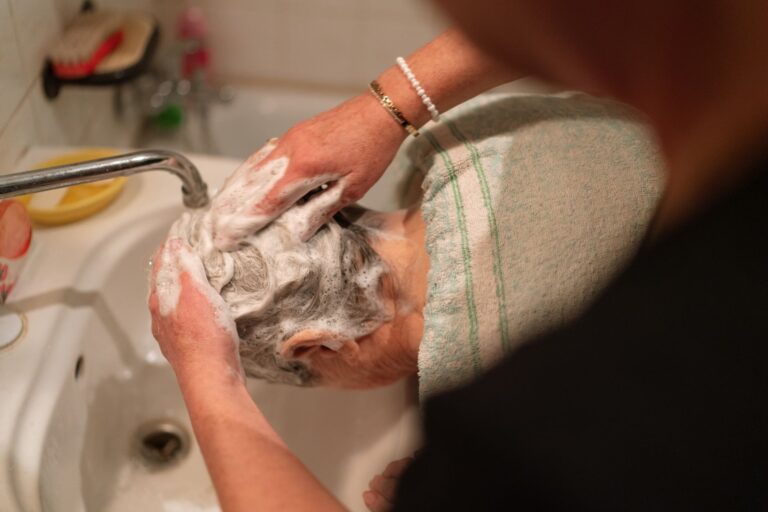
That limit surprises many families. Hours spent feeding, bathing, supervising, driving, or managing medicines for a person with dementia count as care, but not as community service.
What should a dementia caregiver do?
A parent, guardian, caretaker relative, or family caregiver of a dependent child age 13 or younger or of a disabled individual of any age is a specified excluded individual. According to the SpecialNeeds.com summary of the federal rule, community engagement is not a condition of eligibility for that group SpecialNeeds.com summary of the federal rule.
Ask your state Medicaid agency how it grants that excluded status and what proof it accepts. Useful steps include:.
- Tell the agency you are a family caregiver for a disabled person.
- Ask what form, letter, or medical proof verifies the disability and your role.
- Keep copies of everything you submit and every reply you receive.
- Do not rely on a log of home caregiving hours to protect coverage.