The warning signs of dementia in women include memory loss, difficulty with familiar tasks, problems with language and communication, changes in mood or behavior, and confusion about time and place. These symptoms often develop gradually but distinctly, and their presentation in women can differ from men due to biological and hormonal factors.
For example, a woman who has managed household finances for decades might suddenly struggle to pay bills or forget how to reconcile an account—a sign that goes beyond normal aging. Dementia affects more women than men, in part because women tend to live longer, putting them at greater risk for age-related cognitive decline. Understanding the specific warning signs in women is important because they can be overlooked or attributed to menopause, stress, or depression, delaying diagnosis and treatment.
Table of Contents
- How Memory Loss and Confusion Show Up Differently in Women
- Language and Communication Difficulties as Early Warning Signs
- Behavioral and Mood Changes Unique to Women
- Difficulty with Familiar Tasks and Daily Routines
- Disorientation to Time, Place, and Identity
- Poor Judgment and Increased Risk of Exploitation
- Changes in Sleep Patterns and Activity Levels
- Frequently Asked Questions
How Memory Loss and Confusion Show Up Differently in Women
Memory loss is one of the earliest and most recognizable signs of dementia, but in women it often starts with difficulty remembering recent events while long-term memories remain intact. A woman might not remember what she had for lunch but can vividly recall events from twenty years ago. This inconsistency can be confusing for family members who wonder whether the memory loss is real or a sign of inattention. Women may also experience confusion about familiar routes or get lost in places they have visited many times.
A woman who has driven to the same grocery store weekly for ten years might suddenly become disoriented in the parking lot or unable to find her way home. This goes beyond normal forgetfulness—it reflects a decline in spatial awareness and orientation. The timing of memory problems can also differ in women. Some women report that their memory issues worsen during stress or hormonal changes, making the underlying dementia harder to detect initially. Distinguishing between age-related memory changes and dementia requires careful observation over time, as normal aging involves some memory decline, but dementia involves noticeable interference with daily life.
Language and Communication Difficulties as Early Warning Signs
Women with early dementia often struggle to find the right words, a condition called anomia. A woman might pause mid-sentence, unable to recall a common word like “fork” or “telephone,” and may describe the object instead (“the thing you eat with”). This goes beyond occasional tip-of-the-tongue moments and happens repeatedly in conversation. Another communication change is difficulty following conversations or understanding what others say. A woman might ask the same question multiple times in one conversation, not remembering she just asked it.
She might also have trouble with complex verbal instructions or lose track of a story being told to her, even if she’s actively listening. Reading and writing can also decline. A woman who enjoyed reading novels might find herself unable to follow a plot or might reread the same page repeatedly without retaining information. Handwriting may become shaky or difficult to control. These changes often cause frustration and social withdrawal, as some women become embarrassed about their communication difficulties and begin avoiding social situations or conversations with friends and family.
Behavioral and Mood Changes Unique to Women
Dementia in women frequently manifests as changes in personality and mood that can be subtle but significant. A woman who was once outgoing might become withdrawn and apathetic, losing interest in hobbies, socializing, or family activities. Another woman might become unusually irritable or anxious, showing emotional reactions that seem disproportionate to the situation—becoming angry over a minor inconvenience or distressed about things that previously wouldn’t have bothered her. Some women experience depression-like symptoms, including feelings of hopelessness or sadness that don’t respond well to typical antidepressants. This can be particularly confusing because depression is common in older women, and the two conditions can occur together.
A woman experiencing depression due to dementia may not benefit from antidepressant medication alone without addressing the cognitive component. Behavioral disinhibition—a loss of social boundaries—is another warning sign. A woman might make inappropriate comments, become unusually suspicious of family members, or act impulsively in ways that are uncharacteristic. One woman described her mother suddenly accusing family members of stealing, despite no evidence, and insisting that food had been poisoned. These behaviors stem from cognitive changes, not character flaws, but understanding this distinction is crucial for family members struggling to respond with patience rather than anger.
Difficulty with Familiar Tasks and Daily Routines
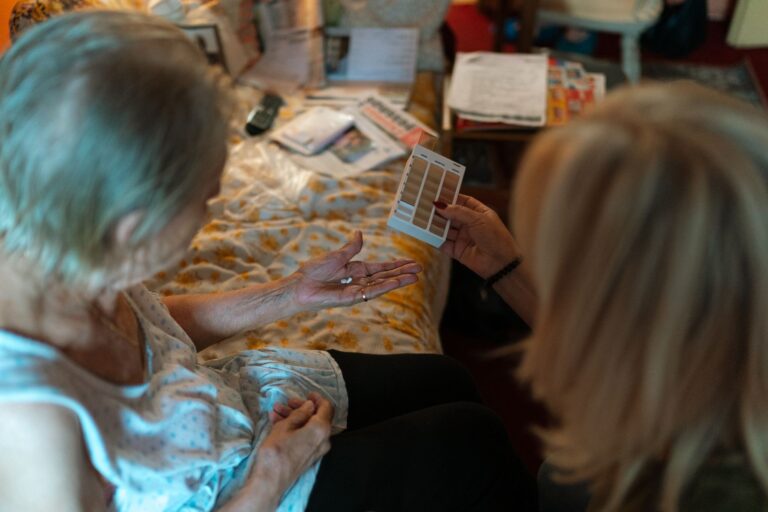
One of the most practical warning signs is difficulty performing routine tasks that a woman has done automatically for years. Cooking, which involves planning, sequencing steps, and timing, often becomes problematic early on. A woman might forget ingredients she added to a dish, burn food because she forgets it’s on the stove, or become confused by multi-step recipes she once followed easily. Paying bills, managing medications, and organizing household tasks also become challenging. A woman might forget to pay bills on time, leading to late fees or disconnections.
She might take her medications twice or forget to take them at all. In comparison to general forgetfulness, this represents a breakdown in the automatic processes that support independent living. Hygiene and grooming habits may decline. A woman might bathe less frequently, wear the same clothes repeatedly without changing, or neglect personal grooming in ways that are uncharacteristic. This isn’t laziness or depression—it reflects a loss of awareness about the need for self-care or difficulty managing the multi-step process of bathing and dressing.
Disorientation to Time, Place, and Identity
Getting lost in time is a hallmark of dementia. A woman might not know what day, month, or year it is, or might ask repeatedly when an event that happened years ago is going to occur. She might wake up disoriented about where she is, even in her own home, and take time to recognize her surroundings. Early on, she may hide this disorientation by asking indirect questions rather than admitting confusion. Disorientation to place can become severe.
A woman might not recognize her own house or might become frightened by unfamiliar-looking rooms. She might insist on going to work despite having retired decades earlier or talk about wanting to go home even while sitting in her own living room. This kind of disorientation often increases during evening hours, a phenomenon sometimes called “sundowning,” when confusion and agitation worsen as daylight fades. Loss of awareness about personal identity, while less common in early stages, can occur. A woman might not recognize family members or might have difficulty recalling major life events. Importantly, this degree of disorientation warrants immediate medical evaluation, as it suggests moderate to advanced dementia and requires adjustments to living arrangements and care.
Poor Judgment and Increased Risk of Exploitation
Dementia erodes judgment and decision-making ability, putting women at particular risk. A woman might make questionable financial decisions, such as giving large sums of money to someone she just met, investing in obvious scams, or making purchases she can’t afford. Unlike normal financial mistakes, these decisions reflect a fundamental change in the ability to assess risk and consequences.
Elder fraud and financial exploitation are serious concerns for women with early dementia. Family members may notice unusual charges on bank statements, mail from unfamiliar charities or investment firms, or unsolicited callers who have formed a relationship with the woman. A woman might also neglect bills while overspending on other things, creating financial chaos that wasn’t present before.
Changes in Sleep Patterns and Activity Levels
Dementia often disrupts sleep patterns. A woman might sleep excessively during the day while being awake and restless at night, or wake multiple times throughout the night without being able to return to sleep. She might become disoriented when she wakes, not knowing what time of day it is or where she is, and might wander the house at night.
Activity levels often change. Some women become unusually inactive, sitting for hours without engagement or purpose, while others become restless and pacing. These changes in sleep and activity aren’t simply a matter of aging—they represent a significant shift from the woman’s baseline and can have serious consequences for her safety and health, particularly if nighttime wandering leads to falls or if she leaves the house during confused episodes.
- —
Frequently Asked Questions
How is dementia in women different from dementia in men?
Women tend to develop dementia at older ages due to longer life expectancy, and some research suggests women may experience more language and communication difficulties early on, while men may show more behavioral changes. Women are also more likely to live alone and may hide symptoms longer before family members notice.
Can hormonal changes like menopause cause dementia-like symptoms?
Menopause can cause hot flashes, memory difficulties, and mood changes that might resemble early dementia, but these typically resolve after menopause ends. True dementia symptoms worsen over time and don’t fluctuate with menstrual cycles. If memory loss persists beyond menopause or worsens progressively, medical evaluation is needed.
What should I do if I notice warning signs in myself or a family member?
Schedule an appointment with a primary care doctor or neurologist. Bring a list of specific symptoms and when they started. Early diagnosis allows for treatment options, planning, and support services that can help slow decline and improve quality of life.
Is memory loss always a sign of dementia?
No. Normal aging includes some memory decline. Dementia involves memory loss severe enough to interfere with daily functioning, plus other cognitive changes like confusion, language difficulties, or personality changes. If you’re concerned, a medical evaluation can distinguish between normal aging and dementia.
Can dementia be prevented or slowed in women?
While no cure exists, research shows that controlling heart health, staying mentally and socially active, regular exercise, a healthy diet, quality sleep, and managing conditions like diabetes and depression may help reduce dementia risk or slow progression. These interventions work better when started before symptoms appear.
What is the difference between Alzheimer’s disease and other types of dementia?
Alzheimer’s is the most common cause of dementia, accounting for 60-80% of cases. Other types include vascular dementia (from stroke), Lewy body dementia, and frontotemporal dementia. Each type has slightly different symptom patterns and progression. Medical testing can help identify the specific type, which affects treatment options.