Reviewed by the Help Dementia Editorial Team — our editors review every article for accuracy against guidance from the National Institute on Aging, the Alzheimer’s Association, and peer-reviewed sources.
Most Alzheimer’s headlines focus on exciting research discoveries or alarming statistics, but they routinely skip over the messiness of what the disease actually looks like—the long periods of no change, the way symptoms show up differently in different people, and the gap between what a study found in a lab and what it means for someone sitting across from their neurologist. They rarely mention that “slowing decline” doesn’t mean recovery, that identifying a risk factor is not the same as knowing whether you’ll develop the disease, or that a pharmaceutical advance that works for 35% of trial participants leaving 65% with no benefit at all is still presented as a breakthrough. A headline announcing “New Blood Test Detects Alzheimer’s 20 Years Before Symptoms” sounds transformative, but it leaves out the fact that we have no proven way to prevent or treat the disease in those asymptomatic years—meaning the test raises anxiety without offering a clear path forward. What gets left out often matters more than what gets reported.
Alzheimer’s journalism tends to swing between two extremes: either “researchers have cured it” or “you’re helpless against it.” The truth is far more textured. Headlines leave out the variability in disease progression that can span anywhere from 5 to 20 years. They omit the distinction between someone who has Alzheimer’s pathology in their brain but no cognitive symptoms yet and someone who is actively forgetting names and dates. They skip over the fact that cognitive decline in older adults can come from a dozen other causes—sleep apnea, thyroid problems, depression, medication side effects—many of which are treatable. And they almost never explore the emotional, financial, and logistical reality of living with the disease or caring for someone who has it.
Table of Contents
- What “Breakthrough” Really Means in Alzheimer’s Research
- The Silent Progression—What Nobody Talks About
- Risk Factors Are Not Destiny—Even Though Headlines Make Them Sound That Way
- Early Detection Claims—The Test You Might Not Want
- What Happens When Diagnosis Comes Too Late—Or Not At All
- The Caregiver Burden That Never Makes Headlines
- The Future Outlook—What Real Progress Looks Like
- Conclusion
What “Breakthrough” Really Means in Alzheimer’s Research
When a major news outlet announces an Alzheimer’s breakthrough, what they’re usually reporting is a study that showed promise in a controlled research setting. But “promise” and “cure” are continents apart, and the gap doesn’t make it into headlines. Consider lecanemab, an FDA-approved monoclonal antibody that made serious headlines when it became available. The news coverage emphasized that it slowed cognitive decline—which is true. But the fine print, often buried or absent, was that in a clinical trial of over 1,700 people, it slowed decline by about 35% over 18 months. That means roughly two-thirds of participants saw no measurable cognitive benefit.
The infusion process requires MRI screening beforehand because the drug carries a risk of amyloid-related imaging abnormalities (ARIA), which can include brain swelling or microhemorrhages. And the slowing of decline doesn’t feel like getting better—it feels like slowing down getting worse, which is an emotionally and practically different experience than most headlines convey. The challenge is that Alzheimer’s research operates on a timeline that doesn’t fit the news cycle. Most pharmaceutical trials take 18 months to 3 years. Biomarkers that show promise in animal models take 10-15 years to translate into human treatments—if they translate at all. Many studies are conducted in younger, healthier, better-educated participants who may respond differently than the diverse older adults who actually develop Alzheimer’s. A study showing that a certain protein modification reduces amyloid plaques in mice is real science, but it’s also several steps removed from preventing cognitive loss in a 78-year-old with multiple health conditions and a complex medication regimen.

The Silent Progression—What Nobody Talks About
alzheimer‘s disease develops in stages, but headlines rarely discuss what living through those stages actually entails, or how the timelines vary wildly from person to person. The most common type, late-onset Alzheimer’s (developing after age 65), can take anywhere from 2 to 20 years from initial symptoms to death, with an average of 8-10 years. But that average obscures the reality: some people decline rapidly over a few years, while others plateau for years at a moderate level of impairment. A daughter might expect her mother to deteriorate steadily based on what she’s read, then find that her mother’s memory loss has been stable for three years—which brings its own set of complications, like navigating long-term care planning and insurance decisions without a clear trajectory. The progression also doesn’t follow a neat narrative arc.
Someone might be fine with remembering dates and faces but struggle terribly with complex tasks or judgment. Another person might have excellent day-to-day memory but lose the ability to recognize their own home. Early-stage Alzheimer’s can look like depression, anxiety, or just “getting older”—and it often does look that way to family members and even some doctors, which is why diagnosis is frequently delayed. A person in early-stage disease might lose a job because they can’t track complex projects anymore, but they’re still eloquent in conversation and can pass a brief mental status test. That mismatch between what’s visible and what’s actually happening gets almost no press coverage, even though it’s the lived experience for millions.
Risk Factors Are Not Destiny—Even Though Headlines Make Them Sound That Way
Every few months, a study surfaces announcing that some factor increases Alzheimer’s risk: eating a certain food, not sleeping enough, hearing loss, having a particular gene variant, staying unmarried. These studies are often legitimate, but they’re reported as if they’re equations—do this, avoid that, and you’ll sidestep the disease. The science is far less deterministic. Carrying the APOE4 gene variant, which is genuinely associated with increased Alzheimer’s risk, doesn’t mean you will develop the disease. Some people with two copies of APOE4 (the highest genetic risk) live into their 90s with normal cognition.
Others without the gene variant develop Alzheimer’s in their 60s. Lifestyle factors like exercise, cognitive engagement, social connection, and sleep quality are associated with better brain health outcomes, but the effect sizes are modest and individual variation is enormous. A major limitation that almost never appears in popular coverage is that most Alzheimer’s research is conducted in populations that aren’t representative of America—it skews toward white, educated, higher-income groups. That means risk factor research derived from those populations may not apply the same way to Black Americans, Hispanic Americans, or other groups who, statistics show, develop Alzheimer’s at higher rates. The reasons are likely complex, involving systemic inequities in healthcare access, chronic stress, cardiovascular health disparities, and possibly unmeasured genetic diversity, but headlines don’t typically acknowledge this gap. A risk factor study published in a prestigious journal doesn’t automatically translate to practical guidance for someone with a different background or health status.

Early Detection Claims—The Test You Might Not Want
The development of blood biomarkers for Alzheimer’s—proteins like phosphorylated tau and amyloid-beta that can be detected years before cognitive symptoms appear—has been lauded as transformative. The headlines practically write themselves: “Blood Test Could Spot Alzheimer’s Decades Early.” But what they don’t say is equally important. Finding these biomarkers in your bloodstream tells you something about brain pathology, but it doesn’t tell you whether you’ll ever develop symptoms, or when. It’s risk stratification, not diagnosis. A 60-year-old with elevated amyloid in her blood might have 30 symptom-free years ahead of her.
She also might never develop memory problems—she might die of something else entirely. What happens after a positive biomarker test? There is no proven preventive treatment. Some evidence suggests that certain interventions—rigorous exercise, Mediterranean-style diet, cognitive training, hearing correction—may reduce risk in cognitively normal people with biomarker evidence of pathology, but that evidence is not conclusive, and these lifestyle interventions require significant sustained effort. For many people, learning that they have Alzheimer’s pathology in their brain without being able to change their trajectory creates anxiety without actionable benefit. There’s also the downstream effect: insurance and employment discrimination, even though such discrimination is technically illegal. The clinical utility of early detection, in the absence of proven prevention strategies, remains unclear—which is why several medical organizations recommend caution before widespread biomarker screening, a nuance rarely mentioned in the popular press.
What Happens When Diagnosis Comes Too Late—Or Not At All
A significant proportion of Alzheimer’s cases go undiagnosed until late in the disease course, when cognitive decline is obvious and sometimes irreversible damage has already occurred. Someone attributing memory loss to “just aging” might not seek evaluation until they’ve missed paying bills, made risky decisions, or had a crisis. By then, the opportunity for earlier intervention—if one existed—is gone. Conversely, some people are over-diagnosed: they have mild cognitive impairment that doesn’t progress, or their cognitive issues stem from depression, medication interactions, sleep disorders, or vitamin deficiencies, all of which are reversible or manageable. A brain scan showing amyloid plaques can look like definitive evidence of Alzheimer’s, but it doesn’t distinguish between someone on the verge of cognitive decline and someone whose brain will tolerate the pathology indefinitely.
The diagnostic process itself is a limitation that headlines skip over. A full Alzheimer’s workup includes cognitive testing, medical history, brain imaging, sometimes PET scans or CSF analysis, and exclusion of other causes—and it can take months and multiple specialist visits. Not everyone has access to this level of evaluation. Some people see their primary care doctor who does a quick screening and calls it Alzheimer’s; others never get tested at all. The variability in diagnostic rigor means that some diagnoses are premature or inaccurate, while others are missed entirely. That inequality in access and quality of diagnosis is rarely part of the narrative in mainstream Alzheimer’s coverage.

The Caregiver Burden That Never Makes Headlines
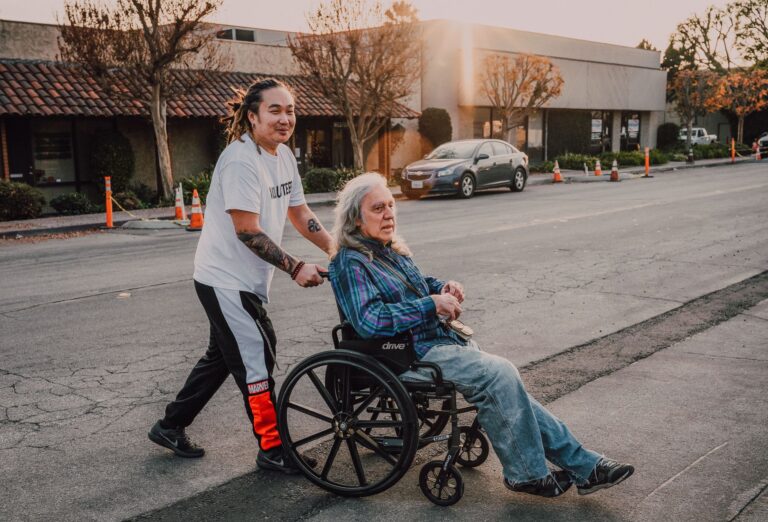
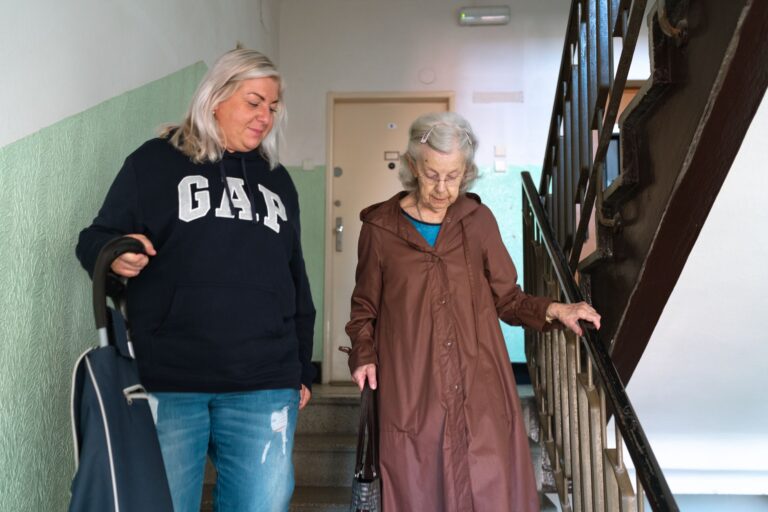
Most Alzheimer’s coverage focuses on the person with the disease, but Alzheimer’s is a family disease—it devastates caregivers as intensely as it affects patients, sometimes more so. Family caregivers (usually spouses or adult children) provide the majority of care for people with Alzheimer’s, often without adequate support, training, or financial compensation. The stress is both psychological (watching a loved one change, managing behavioral challenges, making decisions about care) and physical (dementia can involve sleep disruption, aggressive behavior, or wandering that leaves caregivers exhausted). Caregiver depression and anxiety are common, and caregiver mortality rates are elevated in the years after a spouse’s Alzheimer’s diagnosis.
Yet news coverage of Alzheimer’s rarely digs into the logistical and emotional reality of being a caregiver. The cost of care—whether paid professional care or time lost from work—is staggering, often exceeding $300,000 over the course of the disease, and most of it comes out of family pockets or depletes savings and home equity. Adult children often find themselves navigating conflicting advice from doctors, guilt about not doing enough, and the grinding reality of providing personal care for a parent while managing their own families and careers. These dimensions of the Alzheimer’s experience affect far more people than the disease diagnosis itself, but they’re treated as footnotes in the broader narrative of medical progress.
The Future Outlook—What Real Progress Looks Like
The next wave of Alzheimer’s research is moving beyond a single-protein explanation of the disease. Mounting evidence suggests that Alzheimer’s is not one disease but multiple subtypes with different causes, pathological features, and treatment targets. Some cases may be primarily driven by amyloid accumulation, others by tau tangles, others by inflammatory processes, vascular damage, or neuroinflammation.
This heterogeneity has profound implications: a treatment that works for one subtype might be ineffective or harmful in another, which is why one-size-fits-all drug strategies have, so far, delivered modest benefits at best. Looking ahead, the field is moving toward earlier and more precise detection, with the hope that we can identify subtypes and target interventions accordingly before significant neurodegeneration occurs. But this precision approach requires different kinds of headlines—ones that honestly acknowledge both the possibilities and the current limitations, that distinguish between research that’s promising and research that’s ready for clinical practice, and that center the experience of patients and families, not just the novelty of the science. That’s harder to fit into a news cycle, but it’s essential for anyone trying to understand what Alzheimer’s really means.
Conclusion
Alzheimer’s headlines often oversimplify because the disease itself is complex, variable, and not yet fully understood. They emphasize breakthroughs because progress is genuinely happening, but they rarely mention the incremental nature of that progress or the gap between statistical significance and personal meaning.
They focus on what we don’t know about the future—which biomarker will predict decline, which drug will slow it most effectively—while glossing over what we do know about the present: that diagnosis can be missed or inaccurate, that risk factors are probabilistic not deterministic, that approved treatments help some people modestly, and that caregivers bear an enormous load that’s largely invisible in public discourse. If you’re trying to understand Alzheimer’s for yourself or someone you care about, the most useful questions to ask your doctor aren’t what the latest headlines promise, but rather: What does the disease look like in this specific situation? What can we realistically expect in the next year? What are the proven ways to support both the person with the disease and the people caring for them? Those questions won’t make headlines, but they’ll get you closer to the truth.
You Might Also Like
- Why Alzheimer’s Research Headlines Often Overpromise
- How Families Can Avoid Misreading Alzheimer’s Test Headlines
- Why Researchers Are Linking Alzheimer’s and Parkinson’s Diagnostics
Related reading
- can Fitness Improve Caregiver Mental Health Too
- how Exercise Fits Into Dementia Prevention Plans
- how Genetic Risk, Biomarkers, and Lifestyle Could Shape Treatment
- can Personalized Alzheimer’s Plans Become Standard
- why One-Size-Fits-All Dementia Treatment May Not Work
For more on this topic, see CDC — Alzheimer’s and Dementia.