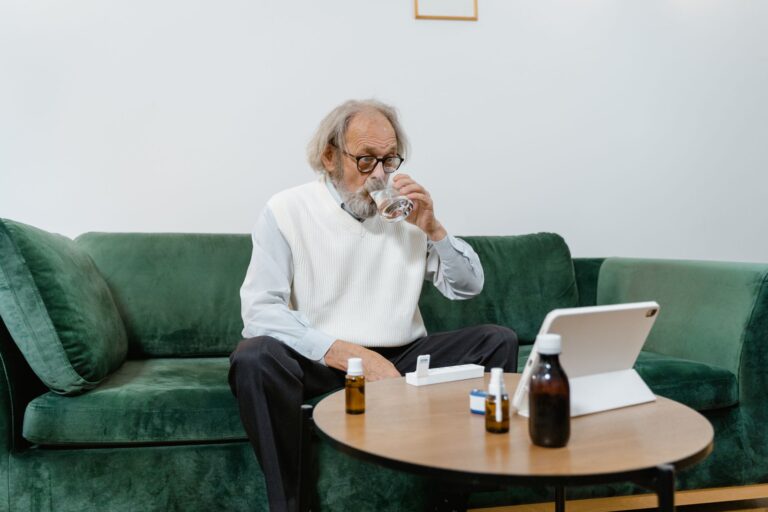
The 2026 WHO guideline does not recommend vitamin B, vitamin E, omega-3, or multivitamins to lower dementia risk without a diagnosed deficiency. Family caregivers can track pill bottles, meals, movement, and clinic plans without diagnosing anything at home.
Dementia means lasting loss of memory and thinking that disrupts daily life. WHO released this second edition on 15 July 2026. It was the first update since 2019 and said up to 45% of risk could be prevented or delayed, according to WHO.
Medical information disclaimer: This article is for general educational purposes only and does not provide medical advice, diagnosis, or treatment. Always consult a physician or other qualified health professional about symptoms, medications, tests, or treatment decisions.
Official resources:
- Read the official guidance from Who — Use this primary source to verify the official guidance.
- Read the original report from Un — Use this primary source to review the complete report.
Table of Contents
- What did WHO say about supplements?
- Who should stay on supplements?
- What can you track instead each week?
- How do you flag a possible deficiency safely?
What did WHO say about supplements?
The guideline gives a clear no for routine use. It does not recommend vitamin B, vitamin E, omega-3 PUFA, or multivitamin-mineral pills to lower risk in people without deficiency, according to the WHO announcement.
WHO cited lack of benefit to outweigh harms. That means an average adult should not start or continue these pills for brain protection alone.
Who should stay on supplements?
People with a diagnosed deficiency or another medical reason are the exception. They should keep clinician-advised supplements and not stop because of the population-level message.
Vitamin B12 status shows why home judgment falls short. Symptoms alone do not diagnose deficiency, and clinicians use blood testing plus follow-up labs to decide.
What can you track instead each week?
Caregivers can log habits that WHO points to for lower future risk, as described by UN News reporting on the guideline. These habits are visible without testing or diagnosing.
A small notebook works well. Bring it to visits and note changes in appetite, weight, falls, or confusion.
- Activity days, minutes moved, and tobacco use
- Meals, Mediterranean-like foods, and alcohol drinks
- Blood pressure, diabetes, and cholesterol visits and numbers
- Time in polluted air and daily hearing-aid use
How do you flag a possible deficiency safely?
Record the concern and ask for testing. NIH states B12 status is checked by serum or plasma B12, often below 200-250 pg/mL considered subnormal, with CBC and MMA or homocysteine workup, according to the NIH vitamin B12 fact sheet. Do not raise the dose on your own.
NIH notes vitamin E bleeding risk, possible higher all-cause mortality at or above 400 IU per day, and a prostate-cancer signal in the SELECT trial, according to the NIH vitamin E fact sheet. This guidance aims to lower future risk in adults without dementia, not to treat existing dementia, which affects over 57 million people. Bring the bottles and the weekly log to the visit.
You Might Also Like
- Healthy Diets in the 2026 WHO Dementia Guideline: What Family Caregivers Can Track Without Self-Diagnosing
- Vitamin Supplements in the 2026 WHO Dementia Guideline: Access and Adherence Barriers for Family Caregivers
- Healthy Diets in the 2026 WHO Dementia Guideline: Access and Adherence Barriers for Family Caregivers