Seeking help for Alzheimer’s vaccine trials means contacting your neurologist or primary care doctor as soon as you receive a diagnosis of mild cognitive impairment or early-stage Alzheimer’s disease—ideally within the first few months when you’re still meeting enrollment criteria. The window for participation narrows quickly because most trials require participants to be in early symptomatic stages of cognitive decline, before the disease has progressed significantly. A person diagnosed with mild cognitive impairment (the earliest detectable stage of cognitive decline) may have only 12-24 months of eligibility remaining, depending on how rapidly their symptoms advance. These vaccine trials represent one of the most promising avenues in dementia research today. Unlike traditional vaccinations that prevent infection, Alzheimer’s vaccine trials use immunotherapy to target the proteins—amyloid, tau, and others—that accumulate in the brain and cause neurodegeneration.
Some trials are preventive, targeting cognitively normal people at high genetic risk; others are therapeutic, treating people already showing cognitive symptoms. The decision to pursue trial participation is not trivial. Trials require frequent clinic visits, cognitive testing, brain imaging, and blood draws. But participants gain access to investigational treatments years before FDA approval, potentially slowing cognitive decline by 25–35% based on interim data from major Phase 2 and Phase 3 trials. This article explains what Alzheimer’s vaccine trials look like today, who qualifies, and how to navigate the process of seeking enrollment.
Table of Contents
- What Alzheimer’s Vaccine Trials Currently Exist
- How Alzheimer’s Vaccine Trials Work and What They Measure
- Eligibility Requirements and Biomarker Screening
- How to Find Trials and Make Initial Contact
- What to Expect During Screening and Common Barriers to Enrollment
- The Caregiver Requirement and Time Commitment
- What Happens After Trial Completion and Access to Approved Treatments
- Frequently Asked Questions
What Alzheimer’s Vaccine Trials Currently Exist
Multiple vaccine approaches are in active clinical development as of early 2025. Eli Lilly’s Donanemab (Kisunla) has already crossed the finish line, receiving FDA approval in July 2024. In the Phase 3 TRAILBLAZER-ALZ 2 trial, people with mild cognitive impairment or mild dementia who received Donanemab showed a 35% slowing of cognitive decline compared to placebo over 18 months. This is not a traditional vaccine—it’s a monoclonal antibody that targets amyloid plaques—but it demonstrates that immunotherapy targeting brain protein buildup can measurably preserve cognition in real patients. Beyond Donanemab, several other investigational vaccines remain in clinical trials. The Moderna and Merck partnership developed an mRNA vaccine (mRNA-4157/V940) specifically for early Alzheimer’s disease.
In Phase 2b trials for people with mild cognitive impairment or mild dementia, this vaccine showed a 25–35% risk reduction in cognitive progression at interim analysis. Eli Lilly is also testing Remternetug, a Phase 2 anti-tau vaccine targeting tau tangles, which accumulate alongside amyloid plaques in Alzheimer’s disease. An AC Immune and Janssen partnership is running the AC Immune 022 trial, recruiting cognitively normal people at high risk for Alzheimer’s to test a prophylactic tau vaccine—a prevention-first approach rather than treatment. These trials differ substantially in their target populations and mechanisms. Some focus on preventing Alzheimer’s in people with a family history or genetic risk factors (APOE4 gene carriers). Others treat people already experiencing mild cognitive decline. Understanding which trials are available and which match your situation is essential when deciding whether to seek help.
How Alzheimer’s Vaccine Trials Work and What They Measure
alzheimer‘s vaccine trials measure cognitive decline using standardized neuropsychological tests administered every few months. The most common is the Mini-Cog or Montreal Cognitive Assessment (MoCA), tests that take 10–15 minutes and evaluate memory, language, and reasoning. Researchers also use the Clinical Dementia Rating (CDR) scale to track functional decline—whether a person is still managing finances, remembering appointments, or performing household tasks. Every trial includes repeated brain imaging: PET scans to visualize amyloid and tau buildup, or MRI scans to check for brain atrophy. Some trials also measure biomarkers in blood plasma or cerebrospinal fluid (obtained via lumbar puncture), measuring phosphorylated tau and amyloid-beta levels directly. The structure of these trials is rigorous but demanding. Participants typically visit the trial site monthly for the first 6 months, then every 3 months for 18–24 months. Each visit includes cognitive testing, blood work, and sometimes imaging.
Some trials require a baseline lumbar puncture (spinal tap) to collect cerebrospinal fluid, which carries a small risk of post-procedure headache but provides the most direct measure of brain pathology. The burden falls unevenly on caregivers: trial participation often requires a study partner (spouse or adult child) to attend visits and verify functional status. A caregiver who cannot commit to this time—whether due to work, health, or distance—may disqualify a participant, even if the patient is eligible. One critical limitation is that not all trials provide a definitive answer about whether you individually benefited. Trials measure group averages: on average, the treatment group declined 35% slower than placebo. But your personal response could be faster, slower, or unchanged. No trial provides feedback on an individual participant’s biomarkers or brain imaging during the study; results are released only after the trial ends, sometimes 2–3 years later. This lag means you won’t know whether the vaccine “worked” for you until long after enrollment closes.
Eligibility Requirements and Biomarker Screening
Most Alzheimer’s vaccine trials require participants to be age 55 to 90, though some trials enroll younger or older participants depending on the study design. Cognitive criteria are stricter: you must score in a specific range on cognitive testing. For trials treating early symptomatic disease, participants typically need a Mini-Cog score of 1–2 (mild impairment) or MoCA score around 16–25 (indicating measurable but not severe decline). Trials preventing Alzheimer’s in cognitively normal people set different thresholds, usually requiring normal cognitive scores but positive genetic or biomarker risk factors. Biomarker confirmation is now standard in most trials. This means researchers must prove that amyloid or tau pathology is present in your brain before enrolling you. Amyloid positivity is typically confirmed via amyloid PET imaging, though some trials accept cerebrospinal fluid biomarkers obtained from lumbar puncture.
This requirement exists because Alzheimer’s disease is not a single cognitive state—it’s a pathological process. Two people with the same cognitive test score might have very different underlying brain pathology. A person with mild memory problems but no brain amyloid may not benefit from an amyloid-targeting vaccine. Biomarker screening adds time and cost but ensures you’re actually being treated for Alzheimer’s pathology, not misdiagnosed cognitive decline. Additional eligibility criteria include stable medical conditions (uncontrolled diabetes or hypertension may disqualify you) and absence of other active neurological conditions. Certain medications—particularly those that significantly affect cognition—may exclude you. Some trials also require that you have a study partner (caregiver) who can reliably attend appointments and report on your functional status. This partner requirement is non-negotiable in many trials, which means a participant without a dedicated caregiver willing to commit 18–24 months may not be able to enroll, regardless of cognitive or biomarker status.
How to Find Trials and Make Initial Contact
The most authoritative source for current trial information is ClinicalTrials.gov, the U.S. government’s registry of clinical trials. You can search for “Alzheimer’s vaccine” or specific trial names like “Moderna mRNA-4157” or “AC Immune 022.” The site shows which sites are actively recruiting, eligibility criteria, contact information, and which trials have paused or closed enrollment. Enrollment status changes weekly—a trial listed as “recruiting” one week may close suddenly if it reaches its target number of participants. Your first contact should typically be your primary care doctor or neurologist. Many neurologists maintain relationships with academic medical centers that host Alzheimer’s vaccine trials and can refer you directly.
Asking your doctor specifically, “Do you know of any vaccine trials I might be eligible for?” is more effective than a generic “Are there any trials?” because your doctor knows your medical history and can mentally filter for compatibility. If your local neurologist doesn’t have trial connections, you can use the Alzheimer’s Association’s trial finder tool (alz.org) or contact the National Institute on Aging (nia.nih.gov), which maintains resources and educational materials about Alzheimer’s research trials. Contacting trial sites directly is also acceptable. On ClinicalTrials.gov, each trial lists contact email and phone numbers. Calling or emailing a site coordinator directly allows you to ask preliminary questions: “Does the site accept patients at my location? Will you conduct the baseline biomarker screening?” Some trials use satellite sites or telemedicine for some visits, while others require in-person attendance at a specific academic medical center. A trial requiring travel to a distant university hospital may be impractical if you’re living alone and cannot arrange transportation for 18 months of monthly visits.
What to Expect During Screening and Common Barriers to Enrollment
Once you’ve made initial contact, the trial team will schedule a screening visit. This typically includes a full neuropsychological battery (1–2 hours of cognitive testing), a clinical interview, blood work, and potentially a brain scan or lumbar puncture for biomarker confirmation. The screening visit is not optional—researchers cannot enroll you without objective confirmation of your cognitive and biomarker status. If your cognitive testing score falls outside the trial’s range (too normal, or too impaired), you may be deemed ineligible, even if you feel cognitively compromised. A common barrier is amyloid positivity requirements. Some cognitively impaired people fail biomarker screening because they have cognitive symptoms but no evidence of amyloid or tau pathology. This doesn’t mean your cognitive decline isn’t real—it may indicate non-Alzheimer’s dementia (frontotemporal dementia, vascular dementia, Lewy body disease) or primary age-related tauopathy.
These conditions benefit from different treatments, so amyloid-targeting trials would not help you. But the result is still disappointing: you have cognitive symptoms, but no available vaccine trial matches your pathology. Another practical barrier is the lumbar puncture required by some trials. A small percentage of people experience severe post-procedure headache, infection risk (though very low with sterile technique), or psychological distress at the prospect of a needle in the spine. Some people medically cannot tolerate lumbar puncture (bleeding disorders, anticoagulant use, spinal abnormalities). If a trial you’re interested in requires CSF biomarker confirmation via lumbar puncture, you need to explicitly ask whether an alternative exists (some trials accept amyloid PET alone). If you’re unwilling or unable to undergo lumbar puncture, certain trials may not be an option.
The Caregiver Requirement and Time Commitment
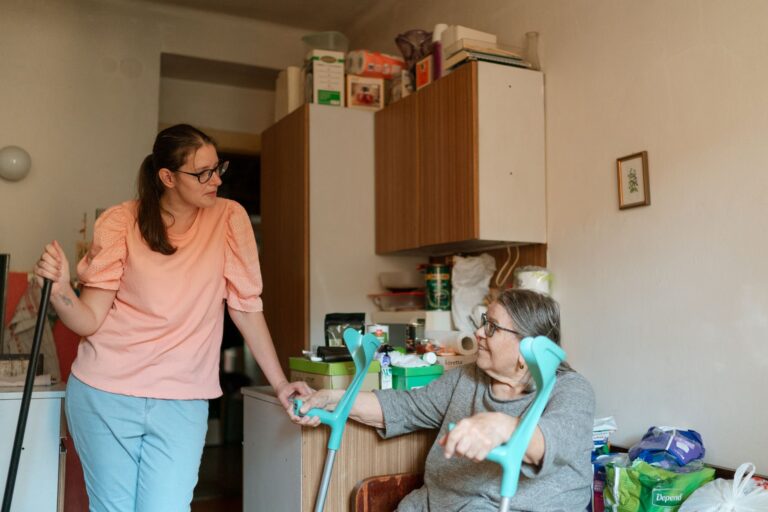
Most vaccine trials require a dedicated study partner—someone who knows you well and will attend clinical visits to verify your functional status. In practice, this means a spouse, adult child, or close friend who can commit to monthly (or more frequent) clinic appointments for 18–24 months, plus phone check-ins and form completion between visits. If you’re living alone and have no family nearby, you may struggle to find an eligible study partner, or you may need to ask a friend to make a significant time commitment. Trials cannot move forward without this partner, even if the patient is medically eligible.
The time commitment extends beyond appointments. Between visits, participants often complete brief cognitive assessments at home (brief computer-based tests or paper forms). The study partner may receive separate surveys asking about the participant’s functioning at home. Some trials also ask participants to wear activity monitors or use smartphone apps to track sleep and activity levels. The total cognitive and administrative burden on both participant and caregiver can easily reach 10–20 hours per month.
What Happens After Trial Completion and Access to Approved Treatments
Once a trial ends, participants typically transition to standard care. If an investigational vaccine is not yet FDA-approved, participants usually cannot continue receiving it outside the trial—a significant limitation. However, if the vaccine proves effective and receives FDA approval (as Donanemab did), participants may have first access or a smooth transition pathway to approved therapy. Donanemab participants in the completed TRAILBLAZER trials who received active drug were prioritized for access through Eli Lilly’s early-access program, allowing them to continue treatment rather than stopping abruptly when the trial ended.
Biomarker and cognitive data generated during trial participation is ultimately yours to keep. Many trial sites provide participants with copies of their cognitive test results and brain imaging at the end of the trial. This information can inform future clinical decision-making: if you’re cognitively stable after trial participation, you and your neurologist can use that data to guide whether additional treatments are warranted. If cognitive decline accelerated despite trial participation, the data documenting this progression can help your neurologist select alternative therapies or refer you to additional research opportunities.
Frequently Asked Questions
How do I know if I’m eligible for an Alzheimer’s vaccine trial?
Most trials require a diagnosis of mild cognitive impairment or early Alzheimer’s dementia, confirmed by neuropsychological testing. You’ll also need biomarker evidence (amyloid or tau in the brain) confirmed via PET imaging or spinal fluid testing. Your age, medical conditions, and access to a study partner (caregiver) also determine eligibility. Your neurologist or the trial site can assess whether you meet criteria.
Can I enroll in a trial if I don’t have a family member nearby to be my study partner?
Most trials require a study partner present at visits. If you don’t have a family member available, you might recruit a close friend or hire a professional caregiver willing to commit. Some trials may allow telehealth for certain visits, reducing travel burden. Contact the trial site directly to ask about flexibility.
Will I know if the vaccine worked for me during the trial?
No. Trials measure group averages, not individual responses. You typically won’t receive personal cognitive or biomarker feedback until after the trial ends, sometimes 2-3 years later. Results are reported as group statistics, not individual outcomes.
What happens if I’m diagnosed with Alzheimer’s but tests show no amyloid in my brain?
You may not qualify for amyloid-targeting vaccine trials. However, you could qualify for tau-targeting trials (like Remternetug or AC Immune 022) or different types of research. Your neurologist can help identify which trials match your specific pathology.
Do I have to pay for vaccine trial participation?
Most FDA-regulated vaccine trials do not charge participants for study drug, cognitive testing, or imaging conducted as part of the study protocol. Travel costs, time off work, and other indirect expenses are your responsibility. Ask the trial site about any out-of-pocket expenses before enrolling.
How long does trial participation last?
Most vaccine trials run 18-24 months from enrollment through final visit. Before enrollment, expect 1-2 months of screening and baseline testing. After the trial ends, you transition back to standard care.